
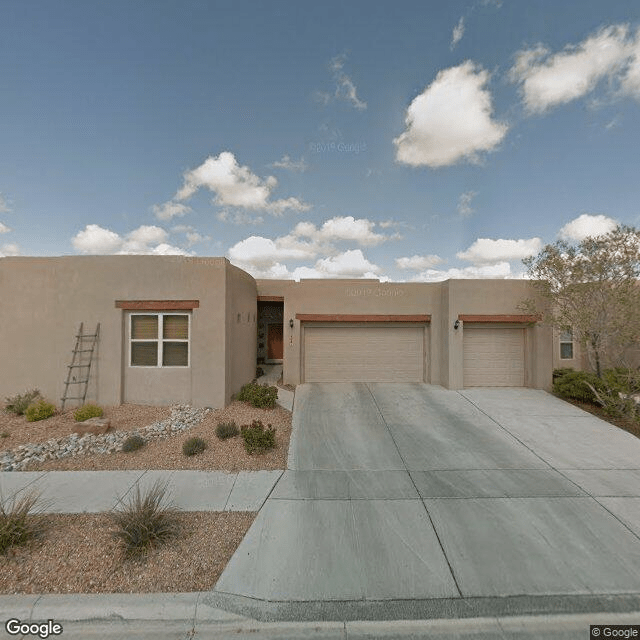
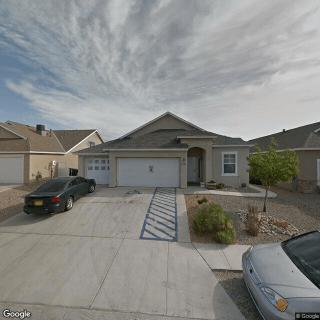
4631 Mi Cordelia NW, Albuquerque, NM 87120
To contact a resident: (505) 681-3716
For more information about senior living options: (866) 208-4318
Sandia View Bosque LLC Costs & Pricing
Sandia View Bosque LLC offers competitive pricing for their accommodations, with semi-private rooms priced at $3,500 per month. This rate is slightly above the average for Bernalillo County, which stands at $3,285, but remains relatively close to the state average of $3,324. For those seeking more privacy, Sandia View Bosque LLC offers private rooms at a monthly cost of $4,500. While this is a marginally lower rate compared to Bernalillo County's average of $4,602 and slightly higher than New Mexico's state average of $4,391, it reflects the quality and amenities provided by the facility. Overall, Sandia View Bosque LLC balances affordability with exceptional care in a thriving community setting.
| Floor plans | Sandia View Bosque LLC | Bernalillo County | New Mexico |
|---|---|---|---|
| Semi-Private | $3,500 | $3,285 | $3,324 |
| Private | $4,500 | $4,602 | $4,391 |
Senior living communities with a similar price nearby
-
from -$300 / mo
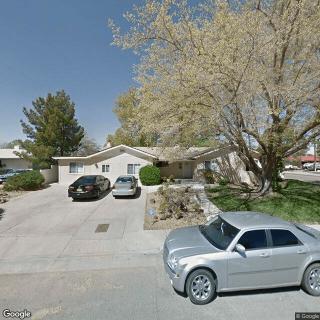
Aspen Care
$3,200 to $3,500 / month7.7 miles away -
About the same
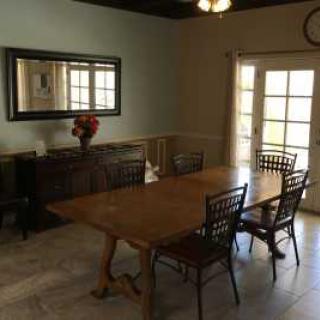
Vista Sandia Assisted Living
$3,400 to $4,500 / month9.0 miles away -
from +$695 / mo

Beehive Homes Of Bosque Farms
$4,195 to $5,295 / month20.3 miles away -
from -$250 / mo
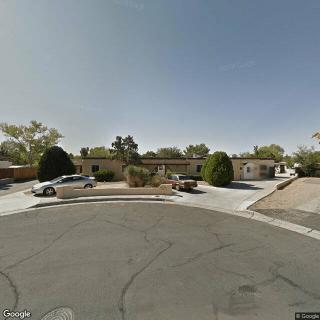
Harmony House
$3,250 to $3,600 / month7.7 miles away -
from +$300 / mo
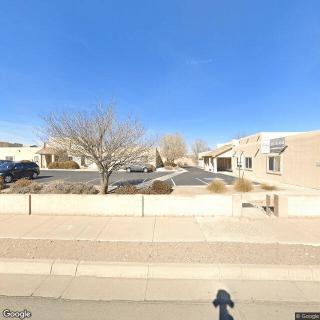
Bee Hive Homes of Albuquerque West
$3,800 / month0.9 miles away
Overall Review of Sandia View Bosque LLC
Pros
 The staff are kind and compassionate.
- The administration is very accessible.
- Residents receive excellent care.
- Sandia View Assisted Living is the best in Albuquerque.
- The facility is highly recommended.
Cons
 The place is horrible.
- The smell is the first sign not to leave a loved one there.
- The staff is incredibly inconsiderate.
- The place is disgusting.
Review
Sandia View Bosque LLC is best suited for families seeking a warm, relationship-driven assisted living experience where care quality feels personal and the leadership remains accessible. In multiple encounters, the care team is described as compassionate and kind, with family members highlighting that staff members take time to know residents and respond thoughtfully. The administration’s availability is repeatedly cited as a practical advantage, making it easier for families to raise concerns, adjust care plans, and stay aligned with loved ones’ goals. This combination tends to translate into days that feel dignified and supported, particularly for residents who value steady human connection and clear, ongoing communication with those in charge.
At the same time, there are clear reasons some families should deliberate alternatives. A strong odor complaint surfaces as a nontrivial red flag, suggesting potential cleanliness or maintenance gaps that can affect comfort, mood, and perceived safety. Along with that, one account paints staff responsiveness as inconsistent and inattentive, a combination that can undermine trust during moments when families need urgent reassurance. For residents who require a higher level of medical oversight, highly structured memory care, or uniformly proactive staff across all shifts, other communities with more formalized programs may be a better fit. Those who prize pristine environments and consistently seamless service should weigh options carefully.
The principal strengths, compassionate, approachable staff and visible administrative accessibility, do offset some concerns when viewed through a practical lens. Families that prioritize relational care and open lines of communication will likely experience smoother care coordination, quicker issue resolution, and greater ease in aligning daily routines with evolving health needs. The testimonials about last-days care for a loved one reinforce a pattern of tenderness and dedicated attention, underscoring the facility’s capacity to provide meaningful, person-centered moments even in challenging times. In this light, the positives carry real weight for residents who thrive on warmth, continuity, and responsive leadership.
Yet the gains from this strengths bundle cannot be isolated from the potential downsides. The smell issue, if persistent, impacts the overall environment and can color first impressions, even when care teams are kind and ready to engage. In addition, perceived inconsistency in staff attentiveness raises legitimate questions about day-to-day reliability, supervision, and how well the team maintains resident dignity during busy shifts. Families should recognize that these factors are not merely cosmetic; they can affect appetite, mood, engagement, and safety, especially for those with sensitive health or cognitive needs. The real-world outcome hinges on the facility’s ongoing housekeeping discipline and staff mentorship.
For families weighing the decision, practical due diligence is essential. Schedule unannounced visits to observe how staff interact, and take note of cleanliness and odor in common areas and resident rooms. Ask about staff-to-resident ratios, shift patterns, and how promptly concerns are escalated to administration. Seek candid feedback from current residents or family members about day-to-day responsiveness and the quality of daily routines. Request a tour of the entire living space, including bathrooms and kitchens, and query how care plans are updated as needs shift. These steps will reveal whether the praised warmth and accessible leadership translate into consistently reliable experiences.
In the end, Sandia View Bosque LLC offers a compelling combination for families prioritizing heartfelt, staff-driven care and straightforward access to management. It is a strong candidate for those who value human connection and open dialogue with administrators, and who can tolerate, at least in some instances, the potential for cleanliness concerns to temper otherwise positive impressions. For residents for whom a spotless environment, uniformly proactive staff across every shift, or highly regimented medical oversight are nonnegotiables, pursuing other Albuquerque communities may yield a closer fit. The evaluation should center on a decisive visit plan and candid conversations that illuminate how the facility handles everyday routines, not just episodic praise.
 Board and Care Home
 Private
 Albuquerque International (9 miles away)



 Top Canine Companions for Older Adults
 Comprehensive Guide to Blood Pressure Charts for Older Adults: Understanding Normal and High Readings by Age
 Financing Long-Term Nursing Home Care Through Social Security: A Thorough Exploration