
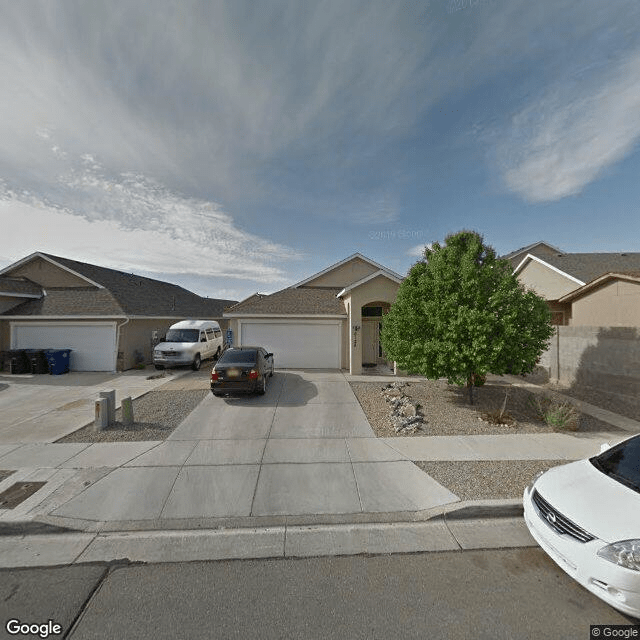
6128 Aldea Ave NW, Albuquerque, NM 87114
To contact a resident: (505) 898-2688
For more information about senior living options: (866) 208-4318
Heaven Sent, LLC Costs & Pricing
Heaven Sent, LLC offers competitive pricing for its services, particularly when compared to the broader market of Bernalillo County and the state of New Mexico. For private rooms, Heaven Sent charges $2,800 per month, significantly lower than the county's average of $4,602 and the state's rate of $4,391. Similarly, their semi-private accommodations are priced at $2,800 as well, which stands in stark contrast to Bernalillo County's average of $3,285 and New Mexico's average of $3,324. This pricing strategy not only reflects Heaven Sent's commitment to providing quality care while remaining accessible but also positions it as a preferred choice for families seeking value without compromising on service excellence.
| Floor plans | Heaven Sent, LLC | Bernalillo County | New Mexico |
|---|---|---|---|
| Private | $2,800 | $4,602 | $4,391 |
| Semi-Private | $2,800 | $3,285 | $3,324 |
Senior living communities with a similar price nearby
-
About the same
Home Sweet Home - Palomas Drive
$2,800 to $3,500 / month10.7 miles away -
from +$400 / mo
Aspen Care
$3,200 to $3,500 / month10.4 miles away -
from +$450 / mo
Harmony House
$3,250 to $3,600 / month4.4 miles away -
from -$100 / mo
Senior Care - Arvilla
$2,700 to $3,200 / month12.0 miles away -
from -$125 / mo

Fairwinds - Rio Rancho
$2,675 to $3,895 / month4.7 miles away
Overall Review of Heaven Sent, LLC
Pros
 The Aldea House provides very good care to its residents.
- The staff provide personalized, attentive care and treat residents as individuals.
- The home environment is warm, cozy, and feels like a true home.
- The facility is consistently clean and well maintained, with welcoming spaces.
- The staff are friendly, compassionate, and top-notch, with many having long tenures.
- The owner, Steve Gross, is compassionate and kind toward elders.
- The house manager, Tanya Parker, is excellent, vigilant, and readily available.
- Families feel well informed and welcomed, experiencing a family-like atmosphere.
- Residents enjoy a sense of happiness, safety, and comfort at the Aldea House.
Cons
 They don't have any activities.
- Typically the residential care homes in Albuquerque are not very good and are very expensive.
Review
Heaven Sent, LLC’s Albuquerque offering described in these reviews is a strong fit for families seeking a small, home-like, person-centered care environment where residents are genuinely known and cared for as individuals. This community works best for elders who prioritize warmth, consistency, and a familial atmosphere over formal programming or institutional polish. It suits those who value clean, comfortable living spaces, direct access to attentive caregivers, regular updates for families, and the sense that the resident’s daily life resembles a well-run home rather than a clinical setting. Prospective families should expect a quiet, residential vibe, spacious common areas, and the kind of kitchen-and-dining culture in which meals feel like family meals.
The core strengths center on caregiving that feels personal and reliable. Staff are repeatedly described as compassionate, attentive, and long-tenured, which translates into consistent routines and fewer disruptions for residents. Families report that residents are well attended to, with personalized care plans and hands-on supervision that covers medication management and medical needs, handled smoothly and without drama. The setting itself reinforces this ethos: a home-like layout with accessible features, clean spaces, and a comfortable, cozy atmosphere where residents can relax in a den or living room rather than a stark, impersonal ward. Family members are welcomed, kept informed, and able to participate in daily life, which reduces anxiety around loved ones’ care.
But the experience comes with trade-offs that matter in decision-making. Some reviewers flag a lack of structured activities as the primary downside, noting that while the environment offers ample room for social interaction and informal pursuits, there isn’t a robust calendar of organized programs. The home setting naturally leans toward spontaneous, comforting routines rather than high-energy activity schedules. For families seeking extensive enrichment programming, adventure outings, or highly specialized recreational therapy, this can feel limiting. Yet this potential gap is offset by the high touch, consistent care and the sense that staff know residents’ preferences intimately and respond quickly to changing needs.
Given those trade-offs, there are clear reasons some families may want to consider alternatives. If a senior requires aggressive medical oversight, complex skilled nursing, or dementia/Memory Care programs with highly structured day plans, a larger community with dedicated memory care wings or on-site clinicians may be more suitable. Similarly, families looking for a wide array of on-site activities, expansive amenities, or highly visible corporate care teams might prefer a more institutional setting. The Aldea House model shines when the priority is a tight-knit, residential feel with steady, compassionate hands rather than a bustling campus atmosphere.
That said, the practical benefits of this model are meaningful and well-executed. Caregivers are described as trustworthy professionals who treat residents with dignity, and the operation runs with a clean, well-kept standard that families notice immediately. The kitchen, dining areas, and common rooms contribute to a sense of home that many seniors appreciate as they age in place. The ability for families to drop by, contribute meals, and stay connected through regular updates helps families feel present even when they cannot be there in person all day. The owner’s evident compassion and the house manager’s efficiency create a sense of stability that permeates daily life and makes transitions easier for both residents and families.
In the end, this community is a practical, well-suited choice for families prioritizing intimate, home-like care and dependable staff over formal programming or large-scale amenities. It works best for elders who flourish with personalized attention, consistent routines, and a house-like atmosphere where residents are treated as part of a family. Families considering alternatives should evaluate their loved one’s need level, desired activity mix, and expected medical oversight. A thorough visit should focus on staffing stability, the quality of daily interactions, the cleanliness and upkeep of living spaces, and how well the program supports medication management and family communication. If those align, the Aldea House–as described by the reviews–offers a compelling, practical solution for dignified, homelike elder care.
 Board and Care Home
 Dogs allowed
 Activities off-site
 Bath tubs
 Beautician on-site
 Devotional services off-site
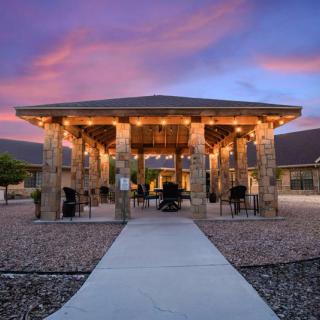
 Indoor common areas
 Outdoor common areas
 Private
 Private bathrooms
 Respite or short term stays offered
 Wheelchair accessible showers
 Albuquerque International (13 miles away)
 Diabetic care
 High acuity care
 Incontinence care
 Kosher

 In-Depth Look at the VA Aid and Attendance Program
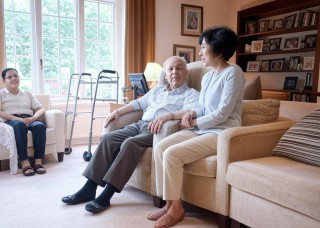 Nurturing Our Loved Ones: A Daughter's Journey in Caring for Her Mother
 Nurturing Our Elders: Linda's Journey of Supporting Her Mother