
9977 Buckeye Street NW, Albuquerque, NM 87114
For more information about senior living options: (866) 208-4318
Overall Review of Angelina Casa
Pros
 They were very happy with the care provided to their beloved family member.
- Eric and Justin, the owners, were wonderful and accommodating.
- The staff were loving and caring toward their family member.
- Homemade tasty food was prepared for every meal.
- The facility is a large and spacious home, very clean and neat throughout.
- They coordinated with Presbyterian hospice and other providers for medical care.
- They were very pleased and strongly recommended Casa Angelina.
Review
Angelina Casa in Albuquerque is best suited for families seeking a warm, home-like assisted living setting where seniors receive highly personalized attention, and where the owners are visibly involved in daily care. This community shines for families who want a small, intimate atmosphere rather than a large campus, with a direct line to the people making daily decisions. The core appeal rests on a tight-knit feel, a hands-on management style, and a climate of genuine caregiving that comes from owners who are described as wonderful and accommodating. For seniors who prize a sense of belonging, predictable routines, and meals prepared with care, Angelina Casa delivers on those essentials with notable conviction.
There are clear reasons some families may want to consider alternatives. For residents who require higher-acuity medical monitoring around the clock, specialized memory care, or a broader spectrum of on-site therapies and activities, Angelina Casa’s home-style model may feel less equipped to meet those needs than larger facilities with deeper clinical rosters. Additionally, families seeking transparent, expansive data on pricing, fees, and value, or those who need a facility with far-reaching on-site amenities and programs, may prefer exploring options with more formalized program structures. In short, this option excels where personal attention and warmth are paramount; it may be less ideal where medical complexity or intensive programming dominate the decision criteria.
On the upside, the strongest pros center on human connection and practical reliability. The owners, Eric and Justin, are highlighted as genuinely caring and accommodating, a dynamic that filters through the entire operation. This leadership translates into staff who are described as loving and attentive, creating a caregiving culture built on trust and responsiveness. The sourcing of homemade, tasty meals for every meal reinforces the sense that residents are not merely cared for, but nourished in a way that respects familiar comforts. A large, spacious home paired with meticulous cleanliness and neatness further reinforces safety and dignity, offering a calm, uncluttered environment conducive to comfortable aging in place. The ability to coordinate with Presbyterian hospice and other providers for medical care is a practical benefit, reducing family burden and ensuring medical needs are integrated into daily life rather than handled as an external afterthought.
Those advantages offset most of the natural trade-offs associated with a smaller, home-like setting. The personal attention and accessible management can compensate for a lack of scale, as families see direct accountability and quicker responsiveness from leadership. The emphasis on clean, comfortable surroundings and home-cooked meals helps preserve independence and a sense of normalcy, which often translates into higher-quality daily life for residents who do not want a clinical, institution-like environment. The on-site coordination with hospice and external providers also minimizes care fragmentation, making it easier for families to maintain continuity of care without juggling multiple points of contact.
Nevertheless, a measured approach is wise. Prospective families should verify details that are critical to long-term planning: how staffing ratios are maintained across shifts, what spectrum of medical support is truly available on-site, and how well memory-care needs would be addressed within this model. It’s prudent to inquire about after-hours coverage, a resident’s transition plans during acute illnesses, and the menu’s accommodation for dietary restrictions or cultural preferences. Understanding the level of activity programming, transportation options, and opportunities for social engagement will help determine whether Angelina Casa can sustain ongoing fulfillment as tastes and needs evolve.
In sum, Angelina Casa presents a compelling choice for families prioritizing a home-centric environment with deeply committed caregivers, high cleanliness standards, nourishing meals, and coordinated medical touchpoints. It stands out as a practical, emotionally supportive option for seniors who thrive on direct access to owners and a staff that feels like an extension of family. For households prioritizing advanced clinical acuity, memory-care specialization, or expansive campus programming, alternatives may yield a closer alignment with those requirements. When evaluating options in Albuquerque, this community deserves serious consideration for the right fit, one where warmth, clarity of leadership, and everyday comfort take precedence over breadth of services.
 21 resident community capacity
 Assisted Living
 Beauty salon
 Cable or satellite TV
 Dining room
 Fully furnished
 Garden
 Housekeeping services
 Kitchenette
 Move-in coordination
 Outdoor space
 Telephone
 Wi-Fi/high-speed internet available
 Albuquerque International (11 miles away)
 24-hour call system
 Activities of daily living assistance
 Assistance with bathing
 Assistance with dressing
 Assistance with transfers
 Diabetes diet
 Meal preparation and service
 Medication management
 Mental wellness program
 Special dietary restrictions
 Transportation arrangement (medical)
 Transportation to doctors appointments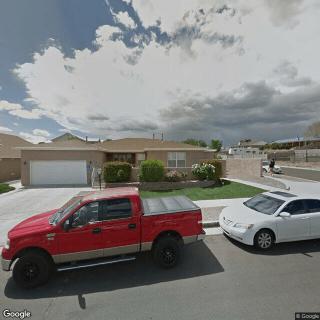






 Is Assisted Living Deductible on Your Taxes? Understanding the Complexities of Assisted Living Expenses and Deductions
 Assisted Living Support for Veterans: A Complete and Detailed Overview
 Exploring the Contrasts Between Assisted Living and Skilled Nursing