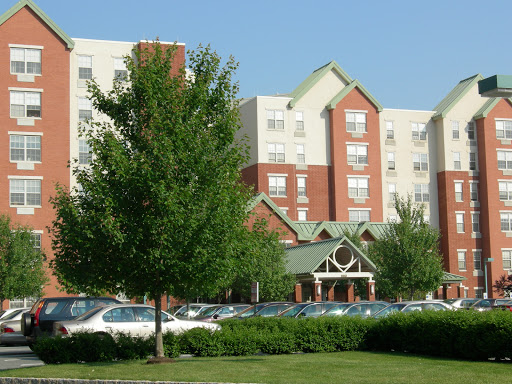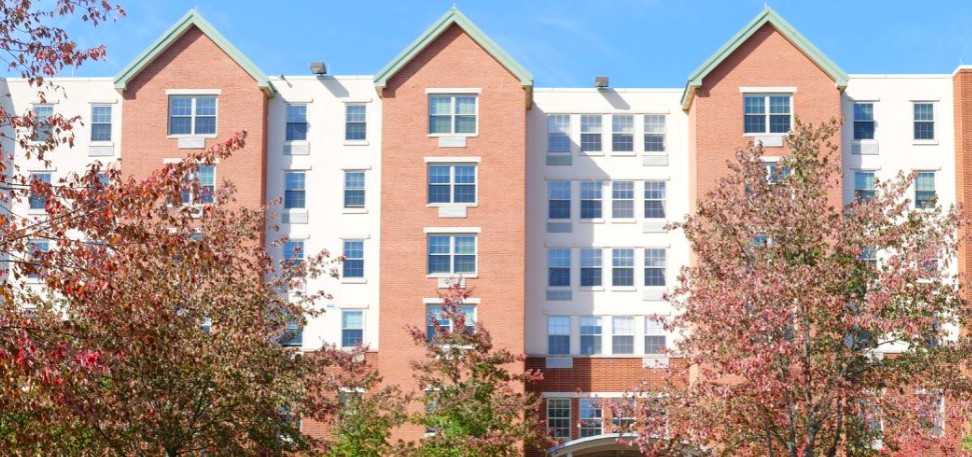
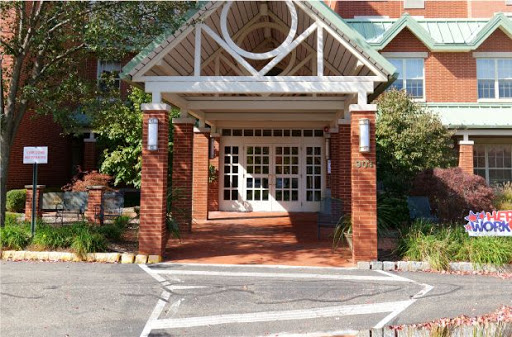
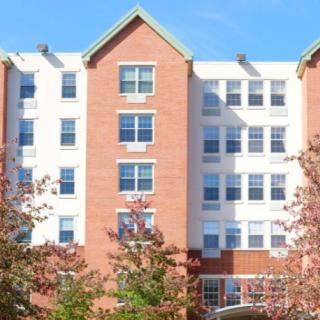
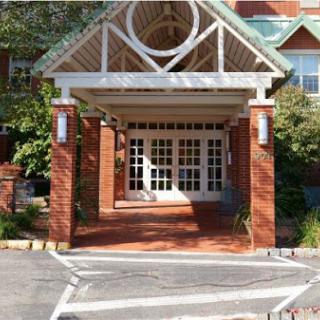
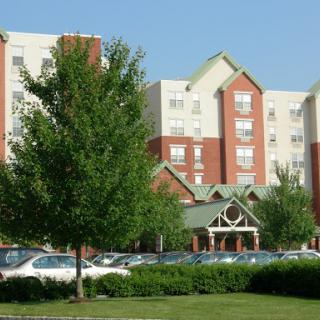

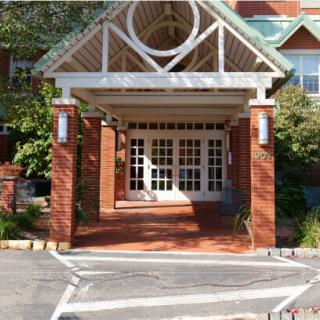
905 Route 10 East, Whippany, NJ 07981
For more information about senior living options: (866) 208-4318
Overall Review of Weston Assisted Living Residence
Pros
 The staff are welcoming, attentive, and genuinely caring.
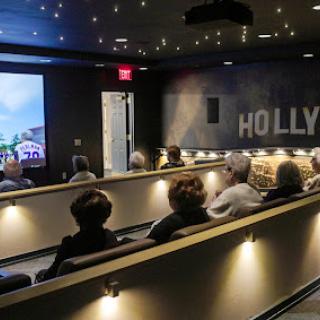
- The activities program is top notch, with guest speakers, cultural events, crafts, and outings.
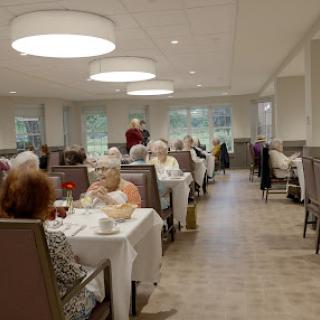
- The dining program is loved by residents, with accommodating meals that respect dietary needs.
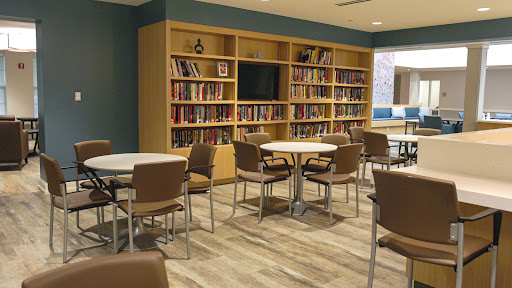
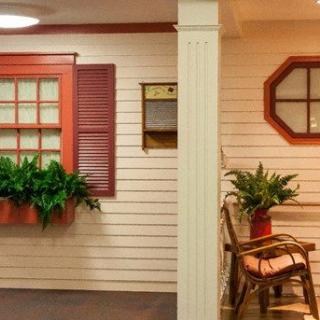
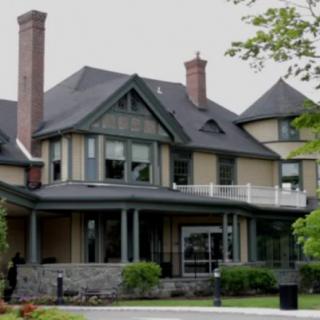
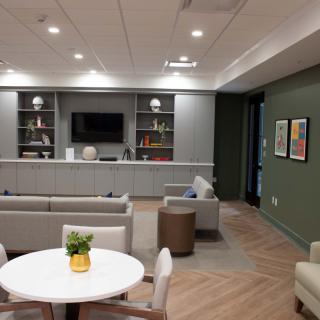
- The facility feels warm, light, and inviting, with well-designed common spaces.
- The apartments are a good size and comfortable.
- The grounds are pretty and quiet, contributing to a peaceful environment.
- The staff and caregivers are compassionate and consistently go above and beyond to ensure residents feel cared for.
- The community feels like family, with residents and staff forming meaningful relationships.
- The choral group performances bring joy and a sense of togetherness to residents.
Cons
 It is awful and looks like a hospital.
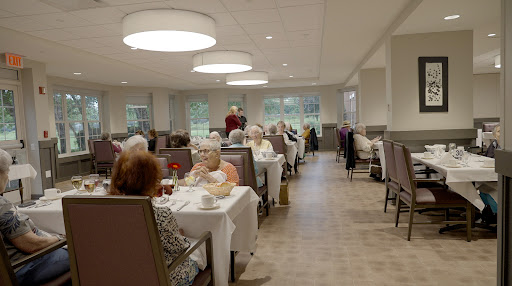
- Outsiders (family and friends) are not allowed in the dining room.
- Dinner must be picked a week ahead of time and circled on a paper that looks like school cafeteria paper.
- No staff is nice or helpful.
- If you fall, they will not help you.
- Move-in is unorganized.
- Halls are dingy and not inviting.
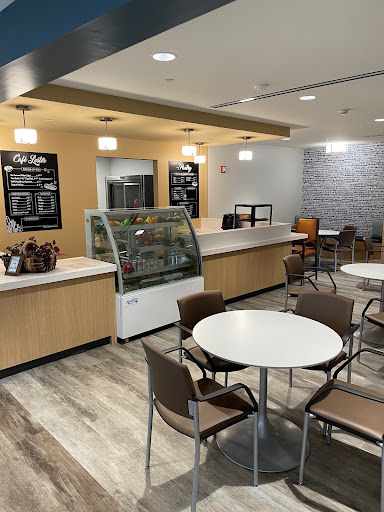
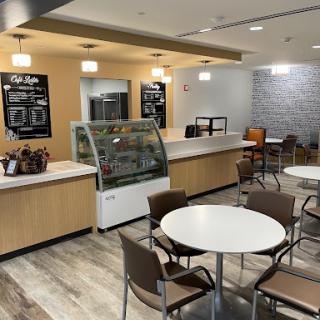
- The cafe is closed.
- Dinner is 4-6 and not open on weekends.
- No one answers the phone.
- The address is confusing.
Review
Weston Assisted Living Residence in Whippany is best suited for residents who tolerate a highly structured, clinical environment where routines are predictable and social opportunities are limited by design. The most consistent feedback portrays a hospital-like atmosphere, with outsiders restricted from the dining room, meals pan-panned a week ahead on a paper form, and staff perceived as distant rather than consistently helpful. Move-in processes are described as disorganized, and maintenance touchpoints, like peeling laminate in the kitchen drawers or curtains with unattached hems, signal a focus on order over warmth. Halls and common spaces can feel uninviting, and dining hours plus guest policies reinforce a sense of formality rather than home-like ease. This is not a setting for families seeking easy social integration or flexible, resident-centered dining.
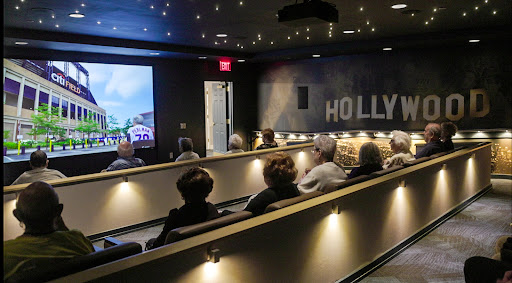
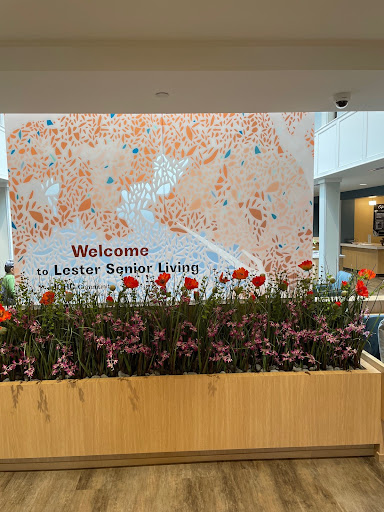
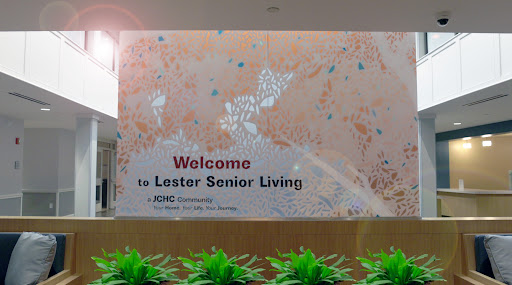
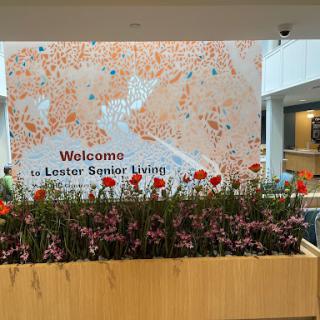
For families weighing Weston against genuinely welcoming alternatives, the contrast is striking. Lester Senior Housing emerges as a markedly different proposition, characterized by excellent staff, abundant activities, and meals that residents actually praise. The community’s non-profit model appears to translate into programming that emphasizes engagement, culture, and ongoing social connection. Residents report friendly, attentive aides, a variety of events, from guest speakers to cultural outings, and a strong sense of community that extends beyond the dining room. The environment is described as warm, well-maintained, and inclusive, with well-regarded dining and accommodations that accommodate dietary needs. If the goal is sustained social integration and a lively, supportive milieu, Lester stands out as a compelling alternative.
Where Weston’s purported strengths may exist, they are overwhelmed by the perceived downsides. The few positive attributes that might be cited, predictability, routine, and a controlled pace, do not sufficiently offset the persistent concerns about social isolation, procedural dining, and inconsistent responsiveness. The dining experience tends to feel transactional rather than communal, while access for family members and visitors is limited, contributing to a sense of distance rather than connection. Maintenance issues and a perceived emphasis on policy over people further erode trust. In practical terms, the net effect is a quiet, orderly environment that seldom translates into a warm, engaging daily life for residents.
For residents who rely on timely assistance, the gaps in responsiveness become a decisive factor. The atmosphere described as impersonal and austere raises legitimate concerns for individuals who may experience falls, urgent needs, or anxiety about getting help when needed. Weekend dining options are limited or nonexistent, and the absence of a welcoming café or casual gathering spots diminishes opportunities for informal social interaction. Families seeking reassurance that help is readily available, not just prescribed routines, may find Weston unsatisfying. In short, the utilitarian temperament of the community tends to overshadow any attention to relational, resident-centered care.
Given the mixed signals in this set of experiences, the decision should hinge on core priorities. If vibrant social life, flexible dining, and proactive staff engagement are non-negotiable, Weston should be crossed off the list in favor of communities with demonstrably richer programming and warmer cultures. If, however, a resident truly prioritizes a tightly regulated, low-stimulation setting with predictable routines and minimal external disruption, Weston could be acceptable, though still worth testing with in-person visits at various times to gauge daily rhythms. The critical test is touring with a discerning eye: observe staff interactions, sample the dining experience, and assess how welcoming the environment feels during peak and off-peak hours.
To move decisively, prospective families should pair Weston against proven alternatives, with Lester Senior Housing at the top of the comparison. Schedule thorough conversations with administrators and direct care staff about responsiveness, move-in logistics, dining flexibility, and opportunities for resident engagement. Plan multiple visits, including evenings and weekends when activity levels rise, to gauge social opportunities and warmth. Confirm transportation options and ease of family involvement, and ask about maintenance response times and accessibility for outings. If the objective is to cultivate a genuinely supportive, sociable, and well-maintained community, let Lester’s track record inform the decision, and view Weston as a cautionary benchmark rather than the default choice.
 60 resident community capacity
 Assisted Living
 Independent Living
 Memory Care
 Air-conditioning
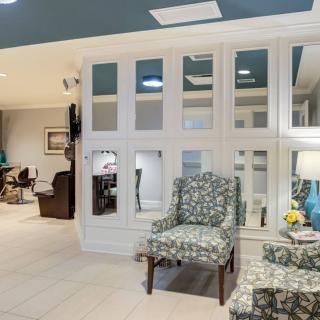
 Beauty salon
 Cable or satellite TV
 Computer center
 Dining room
 Fitness room
 Fully furnished
 Gaming room
 Garden
 Housekeeping services
 Kitchenette
 Move-in coordination
 Outdoor space
 Private bathrooms
 Restaurant-style dining
 Small library
 Telephone
 Wellness center
 Wi-Fi/high-speed internet available
 Newark International (17 miles away)
 Community operated transportation
 12-16 hour nursing
 24-hour call system
 Activities of daily living assistance
 Assistance with bathing
 Assistance with dressing
 Assistance with transfers
 Diabetes diet
 Medication management
 Mental wellness program
 Special dietary restrictions
 Concierge services
 Planned day trips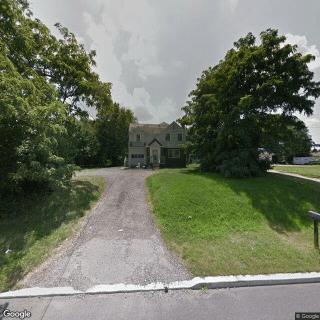


 Are Dementia and Alzheimer's Disease Lethal? A Comprehensive Exploration
 Exploring the Power of Reminiscence Therapy for Individuals With Dementia
 An In-Depth Look at Reminiscence Therapy in Dementia Care