For more information about senior living options: (866) 208-4318
4 from 41 reviews
5 stars
27
4 stars
5
3 stars
0
2 stars
1
1 stars
8
Lester Senior Housing Community Life in Whippany Costs & Pricing
Lester Senior Housing Community Life in Whippany offers a range of living options at distinctly competitive pricing compared to both Morris County and the broader New Jersey state averages. For instance, a one-bedroom unit is priced at $2,718 per month, significantly lower than the county's average of $11,687 and the state average of $5,994. Similarly appealing is their two-bedroom option at $3,412, which sits well below Morris County's average of $6,656 and slightly above New Jersey's statewide figure of $6,216. The community's studio accommodations are priced at $7,508 - higher than both county and state averages - but may reflect additional amenities or services offered by the facility. Conversely, the semi-private rooms are listed at $8,000 per month, again exceeding nearby averages yet potentially justifying its rate through enhanced care or community engagement. Overall, Lester Senior Housing presents an attractive spectrum of costs that caters to various needs while remaining mindful of regional standards.
Floor plans
Lester Senior Housing Community Life in Whippany
Morris County
New Jersey
1 Bedroom
$2,718
$11,687
$5,994
2 Bedrooms
$3,412
$6,656
$6,216
Studio
$7,508
$6,152
$5,286
Semi-Private
$8,000
$5,850
$5,068
Memory care communities with a similar price nearby
Overall Review of Lester Senior Housing Community Life in Whippany
common20 reviews mention this
Staff support is a consistent theme
Residents and families repeatedly describe staff as caring, responsive, and helpful.
Many reviewers say the staff is warm and accommodating, from aides and nursing support to front-office teams. Several families mention specific moments when staff made transitions easier or were attentive to residents’ day-to-day needs. Phone access and administration responsiveness come up as issues in a smaller set of reviews, including complaints that calls and emails went unanswered.
common10 reviews mention this
Activities keep residents engaged
Reviews commonly highlight a busy schedule of activities.
Reviewers frequently describe varied activities and frequent opportunities to socialize, including exercises and events that appeal to different interests. One resident also mentions that even in an independent setting there are numerous activities, which helped with adjusting to the move. A few reviews contrast this with periods where assisted-living activities felt more limited.
caveat9 reviews mention this
Food draws mixed reactions
Dining is a point of disagreement, with some praising meals and others saying the food is poor.
Some families and residents say the meals are good and that dining is a meaningful part of their routine, including comfort with kosher options and dietary needs. Others report frustration, including criticism that dinner planning and the overall food quality were not acceptable. A separate reviewer specifically compares meal availability and weekend options, describing more limited dining than expected.
differentiator3 reviews mention this
Pricing is positioned as budget-friendly
Reviewers who discuss cost generally say it fits their budget, and the listing pricing is far below local benchmarks.
Several reviewers mention cost in positive terms, including choosing the community because it was within budget and describing pricing as reasonable. The listing pricing range is also shown as substantially lower than county and state comparisons across unit types. At the same time, at least one review characterizes the overall facility as expensive and raises concerns about meal frequency.
caveat3 reviews mention this
Transportation options are uneven
Transportation support comes up, with some praising shopping or appointment help and others noting limited public transit access.
Some reviewers say the community supports getting out for shopping or appointments, including mention of transportation assistance. One resident also notes the lack of public transportation as a downside. Another reviewer describes a winter bus for shopping, reinforcing that getting around may rely on the community’s own options rather than nearby public transit.
How we summarize
Counts show how many written reviews mention each theme; a review can touch several themes, and only frequently mentioned themes are displayed.
Features
Types of Care
Assisted Living
Independent Living
Memory Care
Pets
Cats allowed
Dogs allowed
Amenities
Activities on-site
Devotional services off-site
Indoor common areas
Transportation
Newark International (17 miles away)
Care Services
Ambulatory care
Diabetic care
Dining
Anytime dining
Guest meals
Kosher
Meals provided
Restaurant style dining
Activities
Activities on-site
Devotional activities offsite
Nearby Places of Interest
This area of Whippany, New Jersey offers a convenient and diverse range of amenities for seniors looking to settle down in a vibrant community. With multiple pharmacies, restaurants, places of worship, physicians' offices, cafes, transportation options, theaters, parks, and hospitals within a few miles radius, residents have easy access to essential services and recreational opportunities. The presence of reputable healthcare facilities like Morristown Memorial Hospital Atlantic Health and Saint Barnabas Medical Center ensures quality medical care nearby. Additionally, the variety of dining options and cultural attractions such as theaters and parks provide ample opportunities for social engagement and entertainment. Overall, this neighborhood in Whippany provides a well-rounded environment for seniors seeking convenience and comfort in their daily lives.
Pharmacies
Wegmans (0.7 miles)
Walgreens (3.1 miles)
CVS Pharmacy (3.2 miles)
CVS Pharmacy (3.2 miles)
Walgreens (3.5 miles)
CVS Pharmacy (3.5 miles)
Walgreens (3.5 miles)
Restaurants
Ferraro's Italian Food Specialties (1.7 miles)
Wendy's (1.9 miles)
Tommy's Tavern + Tap (2 miles)
Chick-Fil-A (2.1 miles)
Wendy's (2.9 miles)
Town bar + kitchen (3.2 miles)
The Committed Pig (3.4 miles)
Places of Worship
Liquid Church (2 miles)
Church of Jesus Christ of Latter Day Saints (5 miles)
Resurrection Parish (7.4 miles)
Physicians
Summit Medical Group (2.2 miles)
EHE International (2.3 miles)
Parsippany Pediatrics (2.8 miles)
Summit Medical Group (3.3 miles)
Peter Dabrowksi MD (3.5 miles)
Madison Pediatrics (4.1 miles)
Cardiology Consultants (4.2 miles)
Cafes
Starbucks (2.3 miles)
Starbucks (3 miles)
Lokl Cafe (3.4 miles)
Starbucks (3.4 miles)
Panera Bread (3.6 miles)
Starbucks (5.2 miles)
Starbucks (5.7 miles)
Transportation
Signature Flight Support (2.4 miles)
Rockaway Mall Park & Ride (8.2 miles)
NJT - Summit Station (8.7 miles)
Theaters
AMC East Hanover 12 (3 miles)
AMC Rockaway 16 (8.6 miles)
Parks
Florham Park Recreation Department (3.4 miles)
The Morristown Green (3.4 miles)
Ginty Field (3.7 miles)
Loantaka Brook Reservation Recreation Area (4.2 miles)
Volunteers Park (4.3 miles)
Gardner Field (5.8 miles)
Freedom Park (7.2 miles)
Hospitals
Morristown Memorial Hospital Atlantic Health (3.4 miles)
Greystone Park Psychiatric Hospital (4.2 miles)
Saint Clare's Hospital (5.6 miles)
St Clare's Hospital (7.3 miles)
Saint Barnabas Medical Center (8.1 miles)
Kindred Hospital New Jersey - Morris County (8.4 miles)
Lester Senior Housing Community Life in Whippany offers a range of living options at distinctly competitive pricing compared to both Morris County and the broader New Jersey state averages. For instance, a one-bedroom unit is priced at $2,718 per month, significantly lower than the county's average of $11,687 and the state average of $5,994. Similarly appealing is their two-bedroom option at $3,412, which sits well below Morris County's average of $6,656 and slightly above New Jersey's statewide figure of $6,216. The community's studio accommodations are priced at $7,508 - higher than both county and state averages - but may reflect additional amenities or services offered by the facility. Conversely, the semi-private rooms are listed at $8,000 per month, again exceeding nearby averages yet potentially justifying its rate through enhanced care or community engagement. Overall, Lester Senior Housing presents an attractive spectrum of costs that caters to various needs while remaining mindful of regional standards.
Yes, Lester Senior Housing Community Life in Whippany provides memory care services for residents with mild or advanced stages of dementia or Alzheimer's disease.
Caregiver support groups are crucial for providing emotional and practical assistance to those caring for loved ones, offering resources, coping strategies, and a sense of community through various organizations and platforms. These groups help alleviate isolation and burnout while addressing the unique challenges faced by caregivers of individuals with specific conditions.
The guide outlines the complexities of Medicaid coverage for assisted living, highlighting significant state-to-state variations, limited coverage often restricted to personal care services, and the existence of specialized waivers for certain needs like memory care. It advises families to consult local Medicaid offices for options while emphasizing the importance of understanding state-specific regulations and facility policies.
Medicaid coverage for assisted living varies by state and is primarily available to low-income individuals, with eligibility dependent on strict income and asset limits. Some states offer HCBS waivers for specific services in assisted living, but families must generally cover room and board costs, and should verify facility acceptance of Medicaid while considering potential waiting lists.
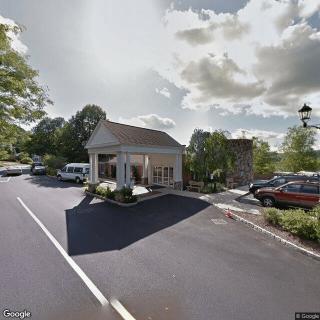
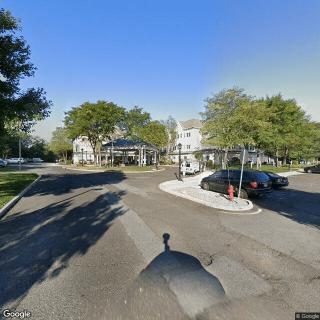
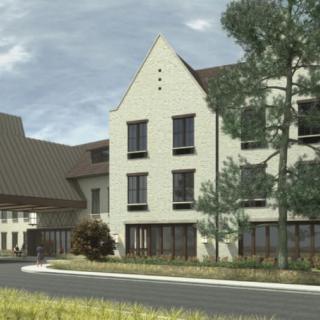
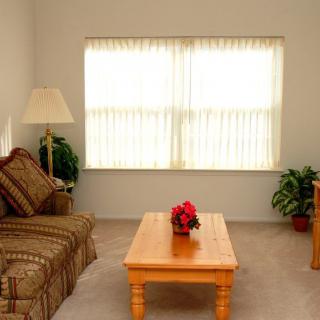
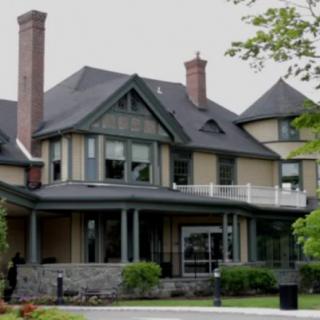
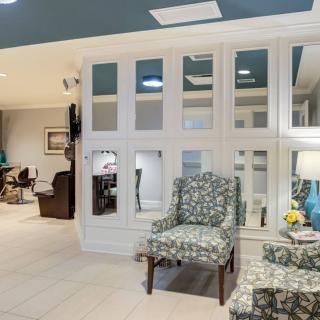
Lester Senior Housing Community Life in Whippany photos
×
Building
Garden
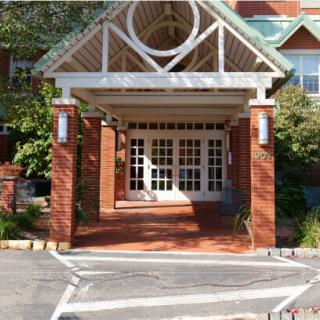
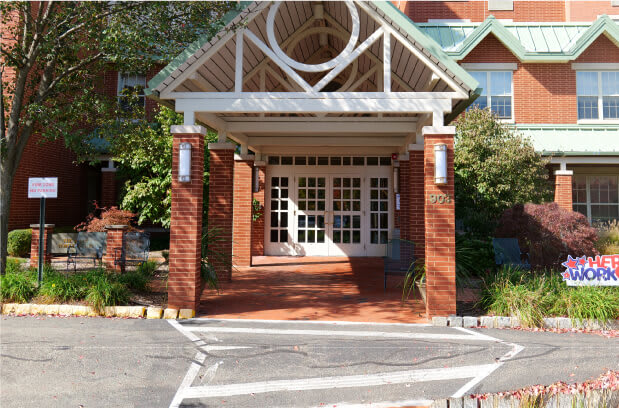
Building, Architecture, Entrance, and Brick
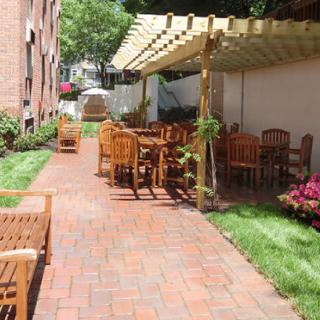
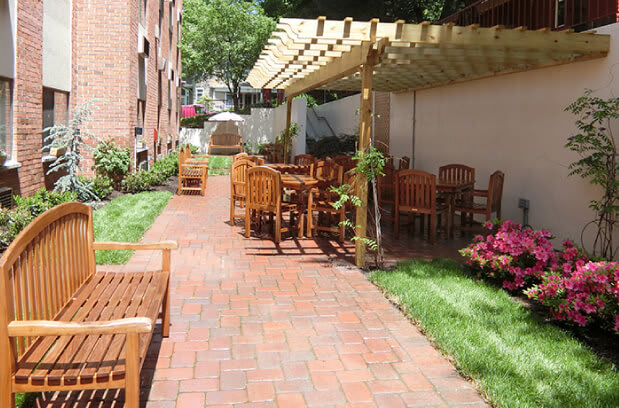
Garden, Seating Area, Patio, and Pergola
Outdoor
Get PricingAsk A QuestionSchedule A TourContact Senior Advisor
By clicking submit, you agree to our Partner's Terms of Use. You
also consent to receive calls and texts, which may be autodialed, from our Partner. Your consent is not a condition to
using our Partner's service. Please visit our Partner's Privacy Policy for information about their privacy practices.


 Assisted Living
 Independent Living
 Memory Care
 Cats allowed
 Dogs allowed
 Activities on-site
 Devotional services off-site
 Indoor common areas
 Newark International (17 miles away)
 Ambulatory care
 Diabetic care
 Anytime dining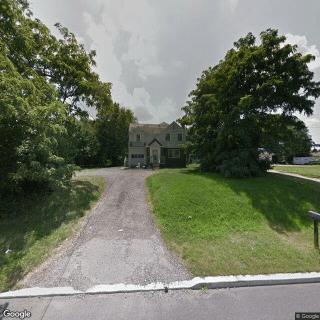
 Comprehensive care with engaging activities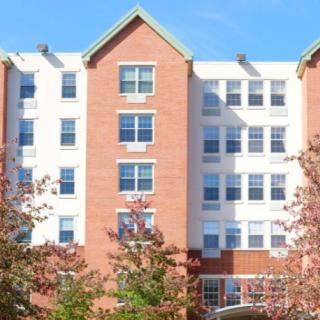



 22 Remarkable Caregiver Support Groups Available Online and In-Person
 Understanding Medicaid Coverage for Assisted Living: A Comprehensive Guide
 How and When Medicaid May Cover Assisted Living Costs