Overall Review of Oak Ridge Rehabilitation and Nursing Center
differentiator7 reviews mention this
Korean program stands out
The Korean program and Korean-speaking support are a consistent reason families feel reassured.
Multiple reviewers specifically call out the Korean program and leadership, including Korean-speaking support that helped family members feel at ease. Residents and visitors also mention Korean food as a clear positive, and several describe the experience as especially welcoming for Korean residents. One reviewer even highlights Korean care as a key factor in choosing the facility for rehabilitation needs.
common4 reviews mention this
Food earns repeated praise
Dining is repeatedly praised, with Korean meals coming up often.
Several families mention that the food is genuinely good, and the dining experience is frequently tied to Korean meals. For example, reviewers describe Korean food as delicious and note that residents enjoy it. The positive food comments also appear alongside general praise for day-to-day care and staff.
differentiator6 reviews mention this
Rehab therapy feels top-notch
Rehabilitation staff and therapy quality earn strong, specific praise from families.
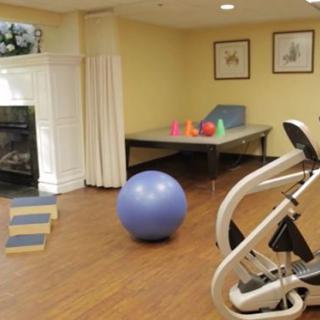
Reviews frequently describe standout rehabilitation care, including praise for rehab staff, therapy, and the doctors supporting recovery. One reviewer emphasizes that care quality matters most during the rehab process, even when the building is not the newest. Others mention comprehensive therapy and strong day-to-day support that left them feeling confident about progress.
caveat3 reviews mention this
Construction and older rooms
Construction and an older-looking building are recurring points reviewers mention.
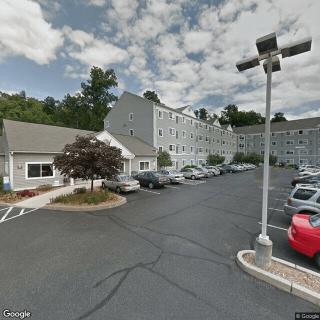
Some reviewers note the facility looks older or rundown in parts, and several mention construction affecting parking or the appearance when they arrived. Even with this caveat, one reviewer explicitly advises others not to let construction concerns stop them from coming. Another describes the rooms as old and dated while still emphasizing that cleanliness and care remained important.
How we summarize
Counts show how many written reviews mention each theme; a review can touch several themes, and only frequently mentioned themes are displayed.
Features
Housing
21 resident community capacity
Types of Care
Assisted Living
Skilled Nursing Facility
Amenities
Beauty salon
Cable or satellite TV
Dining room
Fully furnished
Garden
Housekeeping services
Kitchenette
Move-in coordination
Outdoor space
Telephone
Wi-Fi/high-speed internet available
Transportation
Newark International (22 miles away)
Care Services
24-hour call system
24-hour supervision
Activities of daily living assistance
Assistance with bathing
Assistance with dressing
Assistance with transfers
Coordination with health care providers
Diabetes diet
Meal preparation and service
Medication management
Mental wellness program
Special dietary restrictions
Transportation arrangement (medical)
Transportation to doctors appointments
Dining
Diabetes diet
Special dietary restrictions
Activities
Community-sponsored activities
Scheduled daily activities
Nearby Places of Interest
Pharmacies
CVS Pharmacy (0.5 miles)
Pompton Pharmacy (2.4 miles)
CVS Pharmacy (2.4 miles)
Walgreens (2.7 miles)
Hometown Pharmacy (2.7 miles)
Walgreens (3.1 miles)
CVS Pharmacy (3.5 miles)
Parks
Hershfield Park (0.8 miles)
Paterson Great Falls National Historical Park (7.5 miles)
Saddle River County Park (9 miles)
Saddle River County Park - Dunkerhook Area (9.7 miles)
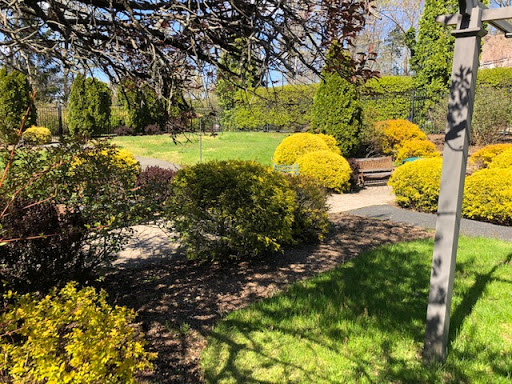
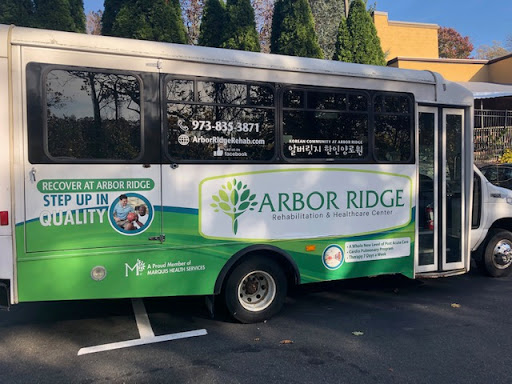
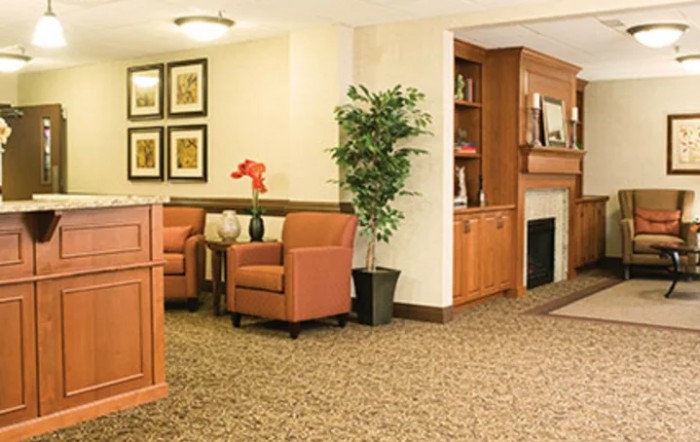
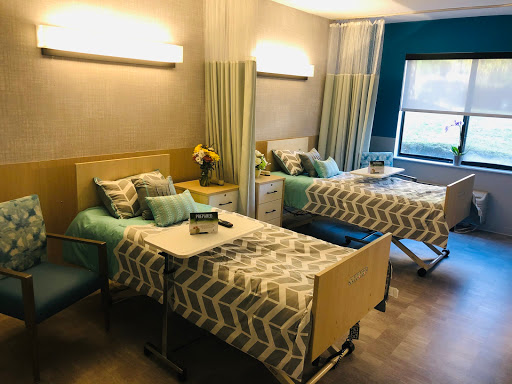
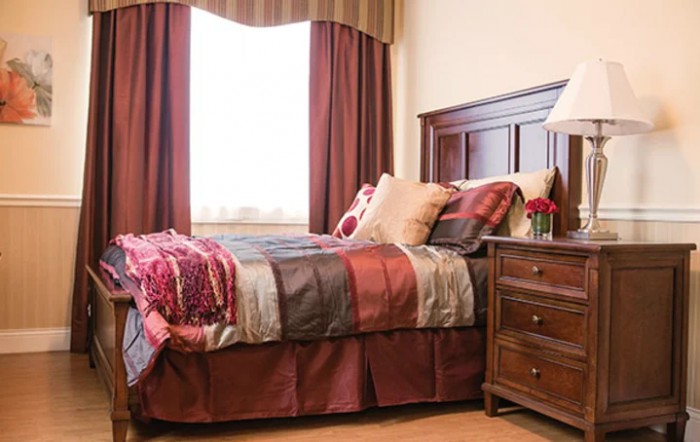
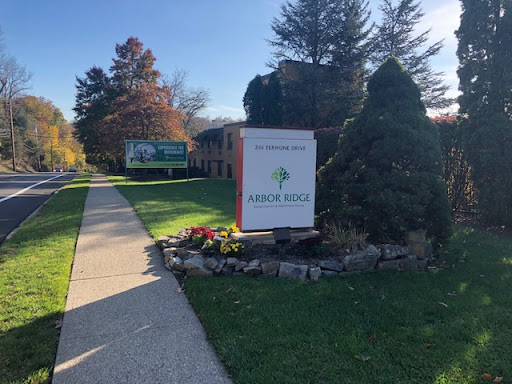
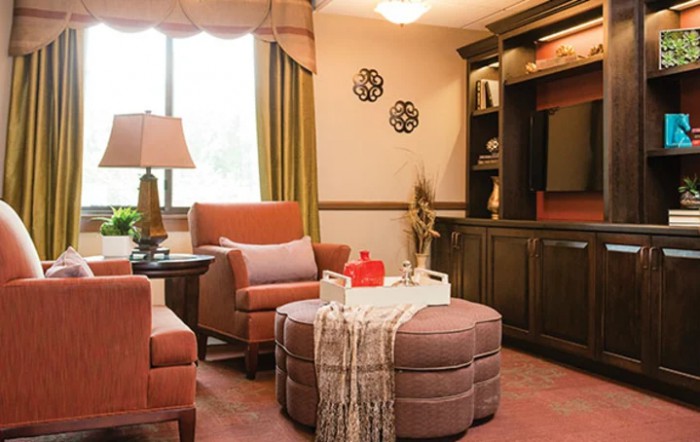
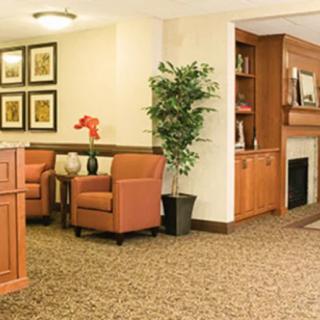
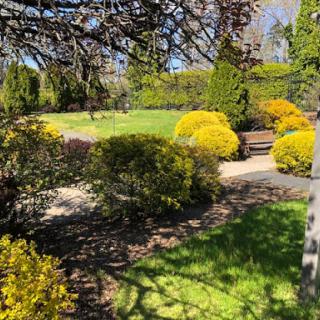
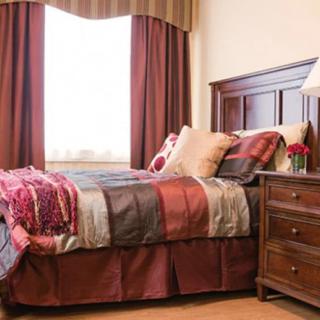
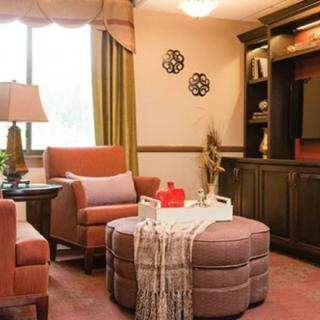
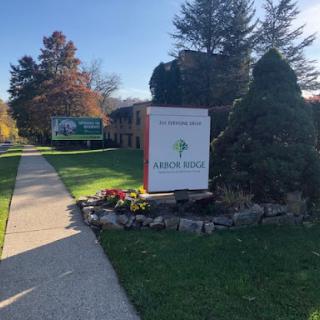
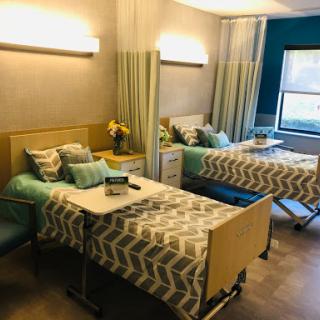
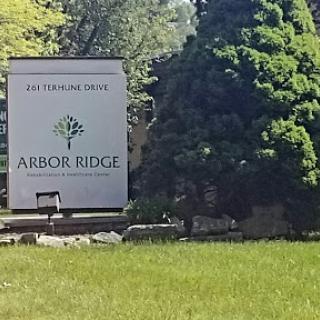
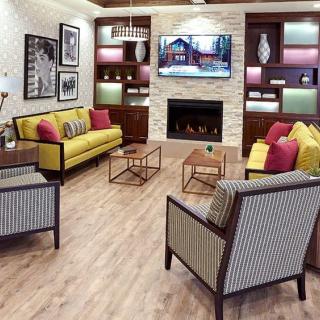
Oak Ridge Rehabilitation and Nursing Center on seniors.fyi includes 8 photos including images showing landscaping, interior, bedroom, decor, pathway, nature, waiting area, seating, and more.
Nearby Communities
Arbor Ridge - Marquis
Wayne, NJ
4.8 from 120 reviews
Close proximity to cafes, restaurants, a park, pharmacies, physicians, transportation, places of worship, and a nearby hospital.
Lakeview Rehabilitation And Care Center
Wayne, NJ
3.6 from 118 reviews
Friendly staff and clean, well-maintained facility.
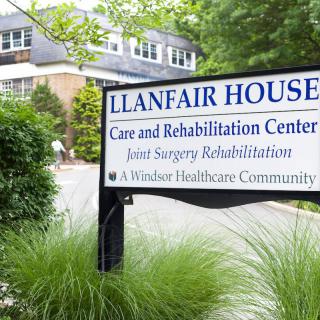
Llanfair House Care & Rehabilitation Center
Wayne, NJ
4.5 from 100 reviews
Attentive nursing care, clean, well-maintained facility, and strong rehabilitation services.
Pompton Lakes Senior Housing
Pompton Lakes, NJ
3.9 from 10 reviews
Great access to nearby amenities (cafes, park, pharmacies, restaurants, hospital).
Oakland Rehabilitation And Healthcare Center
Oakland, NJ
4.5 from 150 reviews
Caring staff and effective physical therapy that aids recovery.
The Wanaque Center For Nursing & Rehabilitation
Haskell, NJ
Extensive on-site amenities with 24/7 care.
Summer Hill Apartments - NO LONGER EXISTS
Wayne, NJ
3.8 from 66 reviews
$928 to $1,115 / month
Friendly staff; clean, well-maintained facilities; strong sense of community.
The Bristal At Wayne
Wayne, NJ
4.3 from 62 reviews
$4,500 to $5,850 / month
Strong staff, engaging activities, and diverse housing options (including memory care).
CareOne at Wayne
Wayne, NJ
4.1 from 160 reviews
$4,218 to $7,680 / month
Clean, well-maintained community with friendly staff and engaging activities.
Activities of Daily Living (ADLs) are fundamental tasks vital for an individual's independence, particularly in older adults over 85, and include functions like bathing and dressing; assessing ADLs alongside Instrumental Activities of Daily Living (IADLs) helps determine the level of required assistance due to age-related health challenges. Tailored support plans, involving family and community resources, are essential for maintaining dignity and autonomy in assisted living environments.
Medicare does not cover assisted living costs, as it focuses on acute medical needs and short-term care, with exceptions for certain medically necessary services like physical therapy. Individuals must explore other options such as Medicaid, veterans' benefits, or long-term care insurance to manage these expenses effectively.
Choosing between assisted living and nursing homes involves evaluating emotional and financial factors, with assisted living offering independence and support for daily activities at a lower cost, while nursing homes provide intensive medical care for individuals with significant health needs. The decision is influenced by personal preferences, health status, cognitive function, and varying Medicaid coverage across states.
Oak Ridge Rehabilitation and Nursing Center photos
×
Interior
Outdoors
Decor
Living Room
Building
Bedroom
Landscaping
Interior
Decor
Bedroom
Living Room
Landscaping
Building and Trees
Lighting
Garden and Outdoors
Artwork, Seating, Plant, and Waiting Area
Pathway
Nature
Additional Photos
Get PricingAsk A QuestionSchedule A TourContact Senior Advisor
By clicking submit, you agree to our Partner's Terms of Use. You
also consent to receive calls and texts, which may be autodialed, from our Partner. Your consent is not a condition to
using our Partner's service. Please visit our Partner's Privacy Policy for information about their privacy practices.

 21 resident community capacity
 Assisted Living
 Skilled Nursing Facility
 Beauty salon
 Cable or satellite TV
 Dining room
 Fully furnished
 Garden
 Housekeeping services
 Kitchenette
 Move-in coordination
 Outdoor space
 Telephone
 Wi-Fi/high-speed internet available
 Newark International (22 miles away)
 24-hour call system
 Activities of daily living assistance
 Assistance with bathing
 Assistance with dressing
 Assistance with transfers
 Diabetes diet
 Meal preparation and service
 Medication management
 Mental wellness program
 Special dietary restrictions
 Transportation arrangement (medical)
 Transportation to doctors appointments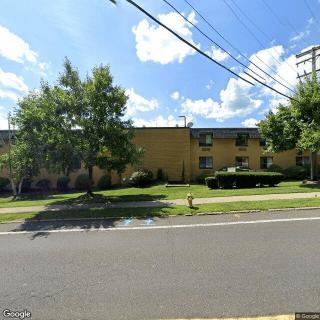
 Close proximity to cafes, restaurants, a park, pharmacies, physicians, transportation, places of worship, and a nearby hospital.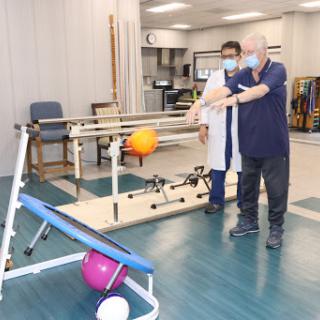

 Comprehensive Insights into Activities of Daily Living (ADLs) and Their Assessment
 Medicare Coverage for Assisted Living: An In-Depth Exploration
 Choosing the Right Senior Care: A Detailed Exploration of Assisted Living and Nursing Homes