CareOne at Wayne offers a range of room types with competitive pricing in comparison to both Passaic County and the broader New Jersey market. For those seeking a semi-private room, CareOne's rate of $4,218 stands out as more affordable than the county average of $5,177 and the state average of $5,068. Conversely, for individuals looking for studio accommodations, CareOne's monthly charge of $5,841 is higher than both the county ($4,794) and state ($5,286) averages, indicating that this option may lean towards a more premium offering. The one-bedroom option reflects a similar trend; priced at $7,680, it significantly exceeds both the county rate of $4,800 and the state average of $5,994. Overall, while CareOne at Wayne provides competitive pricing for semi-private rooms, its studio and one-bedroom costs align more closely with higher-end services within New Jersey's assisted living landscape.
Floor plans
CareOne at Wayne
Passaic County
New Jersey
Semi-Private
$4,218
$5,177
$5,068
Studio
$5,841
$4,794
$5,286
1 Bedroom
$7,680
$4,800
$5,994
Skilled Nursing Facilities with a similar price nearby
from +$782 / mo
Arbor Terrace Norwood
4.8 from 113 reviews
$5,000 to $10,070 / month
16.8 miles away
from +$732 / mo
Van Dyk Park Place
4.8 from 67 reviews
$4,950 to $7,500 / month
5.6 miles away
from -$218 / mo
Regal Heights Rehabilitation And Health Care Center
Residents and families repeatedly describe the staff as attentive and caring.
Across many reviews, families praise nurses, aides, therapists, and administrators for being kind, responsive, and willing to help. Several commenters describe care that made them feel supported and included, not just medically treated. Even when reviews were critical overall, many still singled out specific clinicians as doing a good job.
common
Therapy support helps residents recover
Physical and occupational therapy is a consistent focus in residents’ experiences.
Many reviewers credit therapy teams with helping them get stronger, regain mobility, and meet goals. Reviews often mention dedicated PT and OT staff who helped with exercises and progress during rehab stays. A few critical reviews also reference therapy decisions and communication issues, but they still discuss therapy as central to the experience.
common
Activities and entertainment keep people engaged
Residents frequently describe entertainment and activities as a major part of daily life.
A recurring theme in the reviews is that activities reduce boredom during recovery, with entertainment like music, karaoke, and concerts coming up repeatedly. Multiple people specifically call out the activities team for planning engaging programs and creating a welcoming atmosphere. Even reviews that are more mixed often still mention that activities were well run.
common
Food quality stands out for many
Dining is repeatedly mentioned, with many residents describing it as good.
Several reviews describe meals as varied and tasty, with kitchen staff being accommodating to preferences. Families also mention specific dining experiences and highlight the importance of food during recovery. A smaller number of reviews disagree, including complaints about meal quality or access to dining room service.
common
Facility upkeep and cleanliness are frequent positives
Many reviewers say the facility feels clean, modern, and well maintained.
Multiple reviews praise cleanliness, organization, and an overall maintained look, including comments about rooms being spotless and the building being accessible. Some visitors also describe the dining area as pleasant and the facility as bright and welcoming. Where reviews turn negative, they tend to mention cleanliness problems or lingering maintenance concerns.
caveat
Staffing, call response, and safety concerns
Some reviews raise concerns about staffing levels and delays in getting help.
A recurring critical theme is that staffing can feel insufficient, with reports of slow call-bell response, not being checked often enough, or overnight coverage being limited. Several reviews connect these issues to patient safety concerns, including trouble getting medication on time or difficulty responding quickly during urgent moments. Other reviews directly contradict this and describe rapid, attentive help, so experiences appear uneven depending on unit and timing.
How we summarize
We summarize when many written reviews mention each theme; a review can touch several themes, and only frequently mentioned themes are displayed.
Features
Housing
59 resident community capacity
1-bedroom apartments
Studio apartments
Types of Care
Assisted Living
Memory Care
Respite Care
Skilled Nursing Facility
Pets
Cats allowed
Dogs allowed
Amenities
Activities off-site
Activities on-site
Air-conditioning
Beautician on-site
Beauty salon
Cable or satellite TV
Computer center
Devotional services off-site
Devotional services on-site
Dining room
Fitness room
Fully furnished
Gaming room
Garden
Housekeeping services
Indoor common areas
Kitchenette
Move-in coordination
Outdoor common areas
Outdoor space
Private bathrooms
Resident parking
Respite or short term stays offered
Restaurant-style dining
Small library
Telephone
Wellness center
Wheelchair accessible showers
Wi-Fi/high-speed internet available
Transportation
Newark International (19 miles away)
LaGuardia (24 miles away)
Community operated transportation
Transportation & parking
Transportation arrangement
Transportation arrangement (non-medical)
Transportation to doctors appointments
Care Services
12-16 hour nursing
24-hour call system
24-hour supervision
Activities of daily living assistance
Assistance with bathing
Assistance with dressing
Assistance with transfers
Diabetes diet
Diabetic care
Incontinence care
Meal preparation and service
Medication management
Mental wellness program
Mild cognitive impairment
Physical therapy
Special dietary restrictions
Specialized memory care programming
Dining
Diabetes diet
Gluten-free
Guest meals
Kosher
Low / no sodium
Meals provided
No Sugar
Organic
Professional chef
Restaurant style dining
Room service
Special dietary restrictions
Vegan
Vegetarian
Activities
Activities off-site
Art classes
Catholic services
Community-sponsored activities
Concierge services
Cooking classes
Day trips and outings
Devotional activities offsite
Devotional activities on-site
Educational speakers / life long learning
Fitness programs
Happy hour
Karaoke
Live musical performances
Live well programs
Planned day trips
Protestant services
Religious services
Resident-run activities
Scheduled daily activities
Wine tasting
Languages Spoken
English
Videos
Nearby Places of Interest
This part of Wayne, New Jersey offers a convenient location with a variety of amenities to support a comfortable and enjoyable lifestyle for seniors. Nearby restaurants like the Wayne Hills Diner & Restaurant and Pompton Queen Diner provide easy dining options, while pharmacies such as CVS and Walgreens are easily accessible for medication needs. Places of worship like Immaculate Heart Of Mary School and hospitals such as Chilton Memorial Hospital are within close proximity for spiritual and healthcare support. Additionally, parks like Hershfield Park offer opportunities for outdoor recreation, and cafes like Starbucks provide socializing opportunities. With transportation options like bus stops and train stations nearby, getting around the area is convenient. Overall, this neighborhood in Wayne, New Jersey offers a well-rounded environment that can cater to the needs of seniors looking to settle in the area.
Restaurants
The Wayne Hills Diner & Restaurant (1 miles)
Jersey Johnnys Grill (1.1 miles)
Pompton Queen Diner & Restaurant (1.5 miles)
Maggies Town Tavern (1.7 miles)
Burger King (2.2 miles)
Curly's Ice Cream (2.5 miles)
Bagel O's (3 miles)
Pharmacies
CVS Pharmacy (1.1 miles)
Pompton Pharmacy (1.4 miles)
CVS Pharmacy (2.3 miles)
Walgreens (3 miles)
Walgreens (3.1 miles)
Hometown Pharmacy (4.2 miles)
Walgreens (4.6 miles)
Places of Worship
Immaculate Heart Of Mary School (1.2 miles)
Hawthorne Gospel Church (6 miles)
Community Church Of Glen Rock (7.7 miles)
All Saints Episcopal Church (7.7 miles)
Clifton Blue Mosque (8.7 miles)
St Pauls Parish (9 miles)
Hospitals
Chilton Memorial Hospital (2.1 miles)
St Joseph's Regional Medical Center (6.7 miles)
Saint Clare's Hospital (8.7 miles)
The Valley Hospital (9.1 miles)
Physicians
Retina Associates of New Jersey PA (2.5 miles)
Nihal De Silva (4.8 miles)
Christian Health Care Center () (5.4 miles)
Costello Oral Surgery Associates (5.6 miles)
Paterson Community Health Center (5.7 miles)
Dr Mondana S. Yazdi, MD (6.4 miles)
Changebridge Medical Associates (6.8 miles)
Parks
Hershfield Park (2.6 miles)
Paterson Great Falls National Historical Park (5.6 miles)
Volunteers Park (8 miles)
Saddle River County Park (8.5 miles)
Anderson Park (8.7 miles)
Saddle River County Park - Dunkerhook Area (9 miles)
CareOne at Wayne offers a range of room types with competitive pricing in comparison to both Passaic County and the broader New Jersey market. For those seeking a semi-private room, CareOne's rate of $4,218 stands out as more affordable than the county average of $5,177 and the state average of $5,068. Conversely, for individuals looking for studio accommodations, CareOne's monthly charge of $5,841 is higher than both the county ($4,794) and state ($5,286) averages, indicating that this option may lean towards a more premium offering. The one-bedroom option reflects a similar trend; priced at $7,680, it significantly exceeds both the county rate of $4,800 and the state average of $5,994. Overall, while CareOne at Wayne provides competitive pricing for semi-private rooms, its studio and one-bedroom costs align more closely with higher-end services within New Jersey's assisted living landscape.
CareOne at Wayne's comprehensive range of features is designed to address the unique needs of residents with dementia or Alzheimer's disease, ensuring their safety and enhancing their quality of life. The 24-hour supervision provides a secure environment, while assistance with activities of daily living--including bathing, dressing, and transfers--supports residents in maintaining dignity and independence. Incontinence care and meal preparation services are tailored to individual needs, fostering comfort during daily routines. Medication management ensures that residents receive the correct dosages on schedule, which can be critical for overall health. The mental wellness program, together with specialized memory care programming, targets cognitive engagement, promoting mental stimulation and emotional well-being. Additionally, physical therapy helps maintain mobility and physical health, addressing the varied challenges associated with mild cognitive impairment and advanced stages of dementia. This holistic approach not only meets essential personal care requirements but also actively supports mental and physical health for those navigating memory-related conditions.
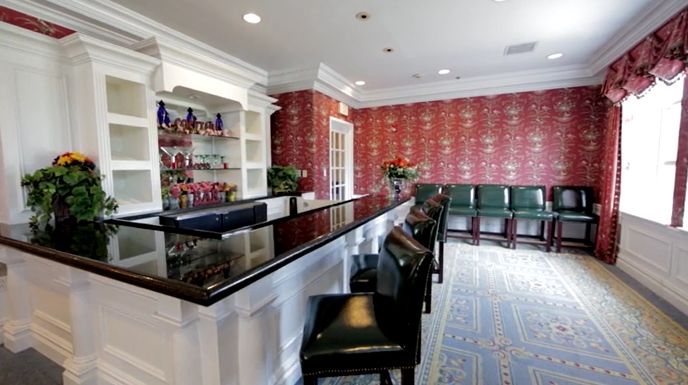
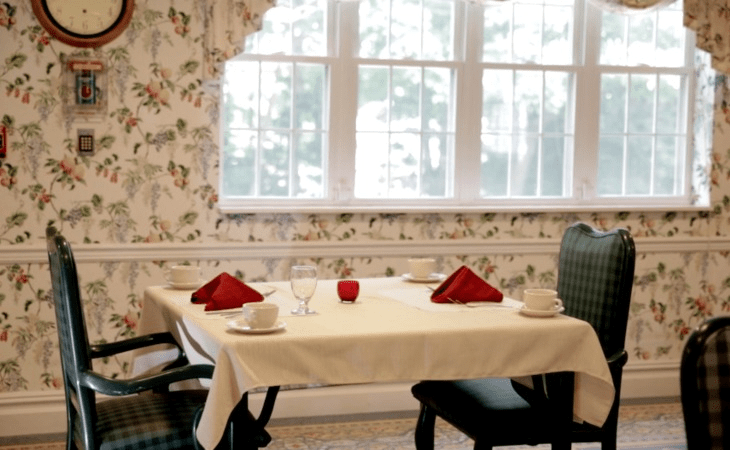
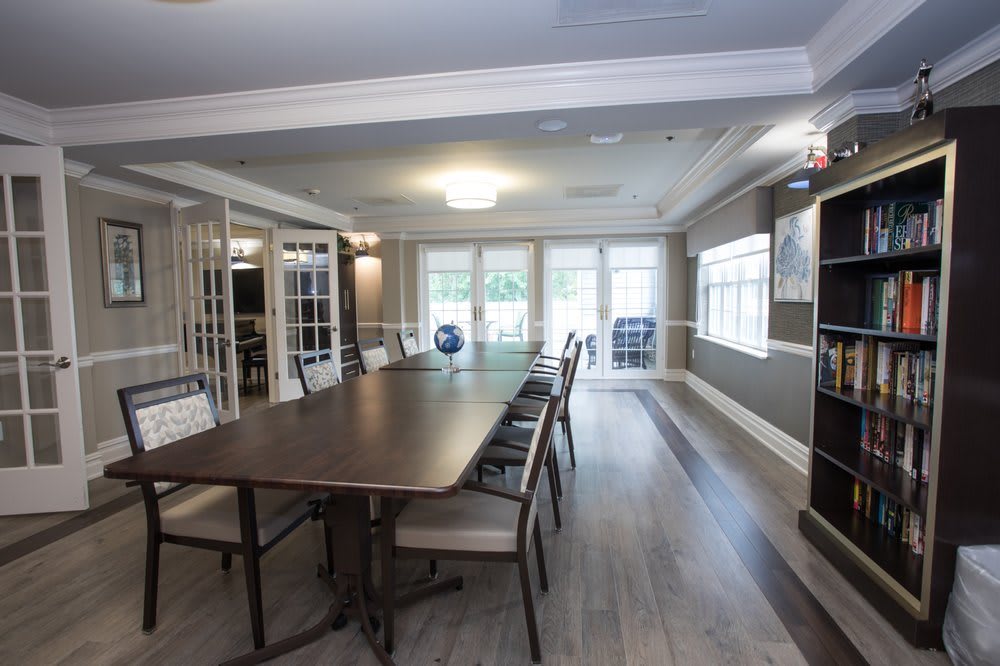
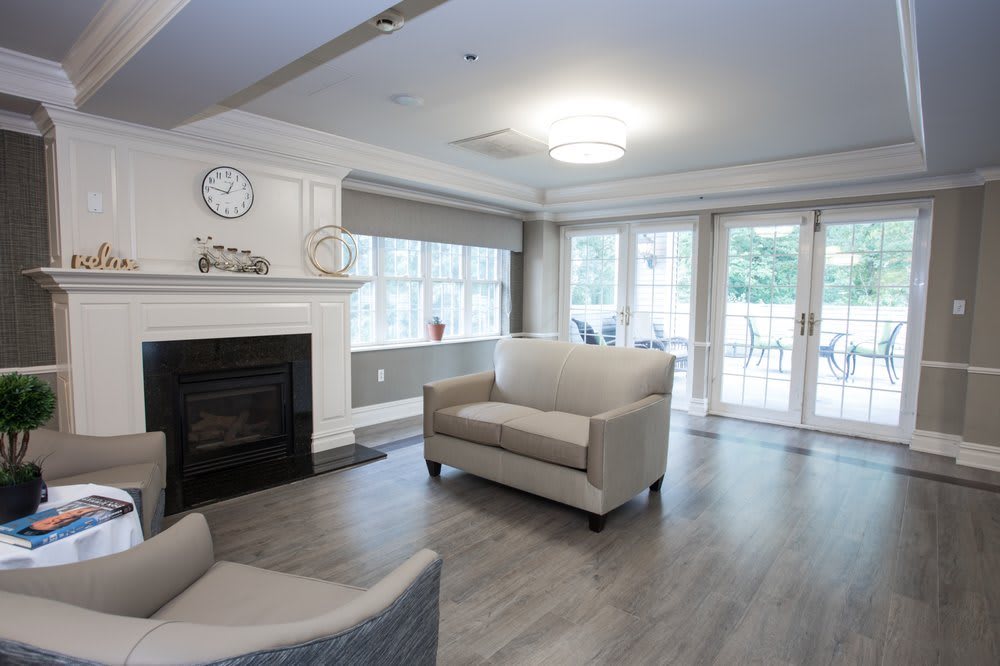
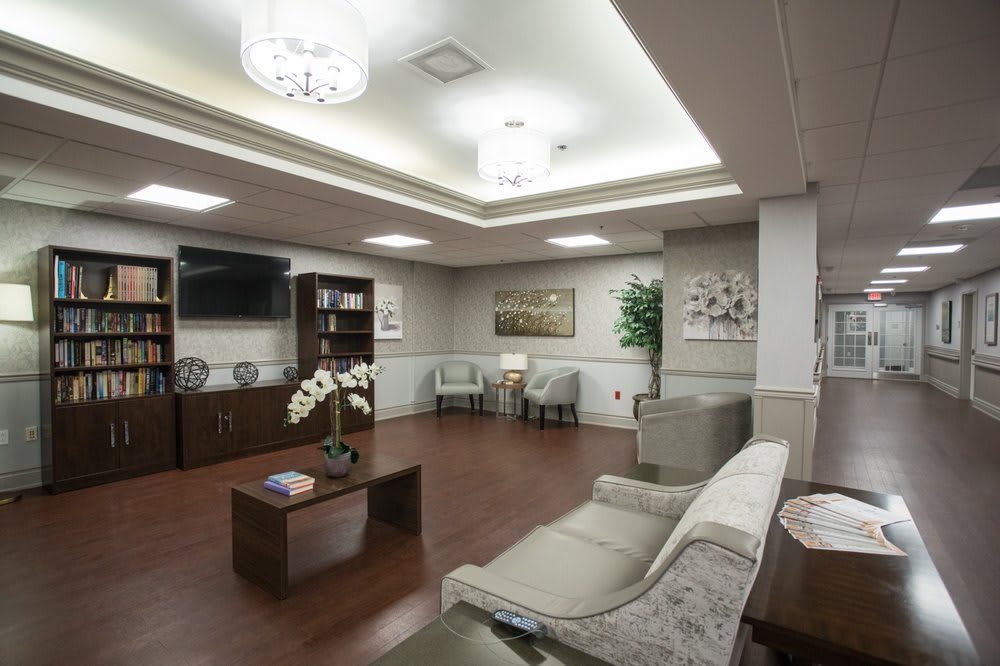
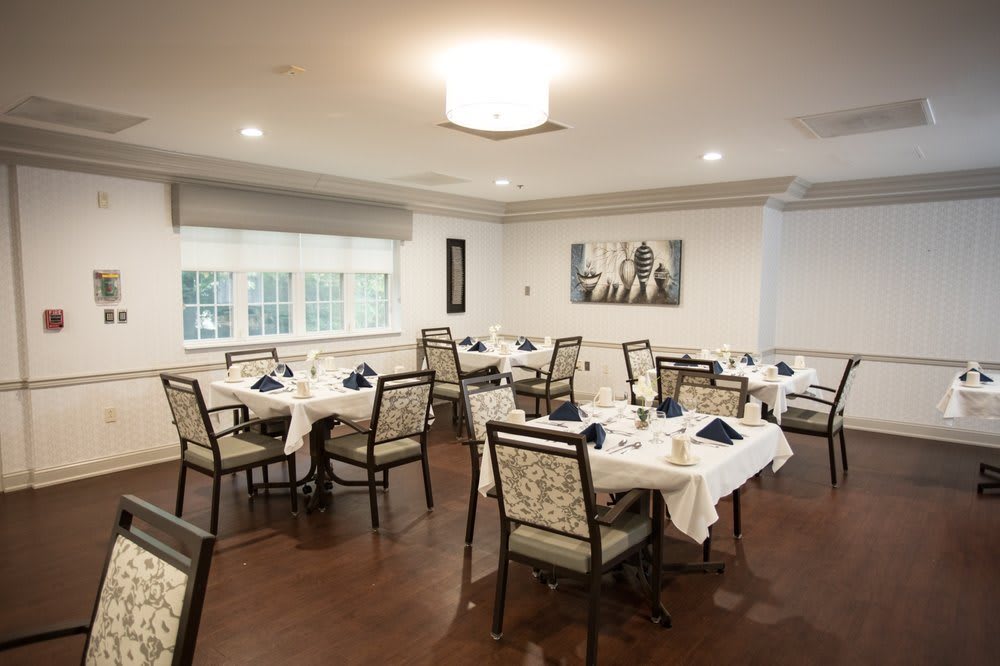
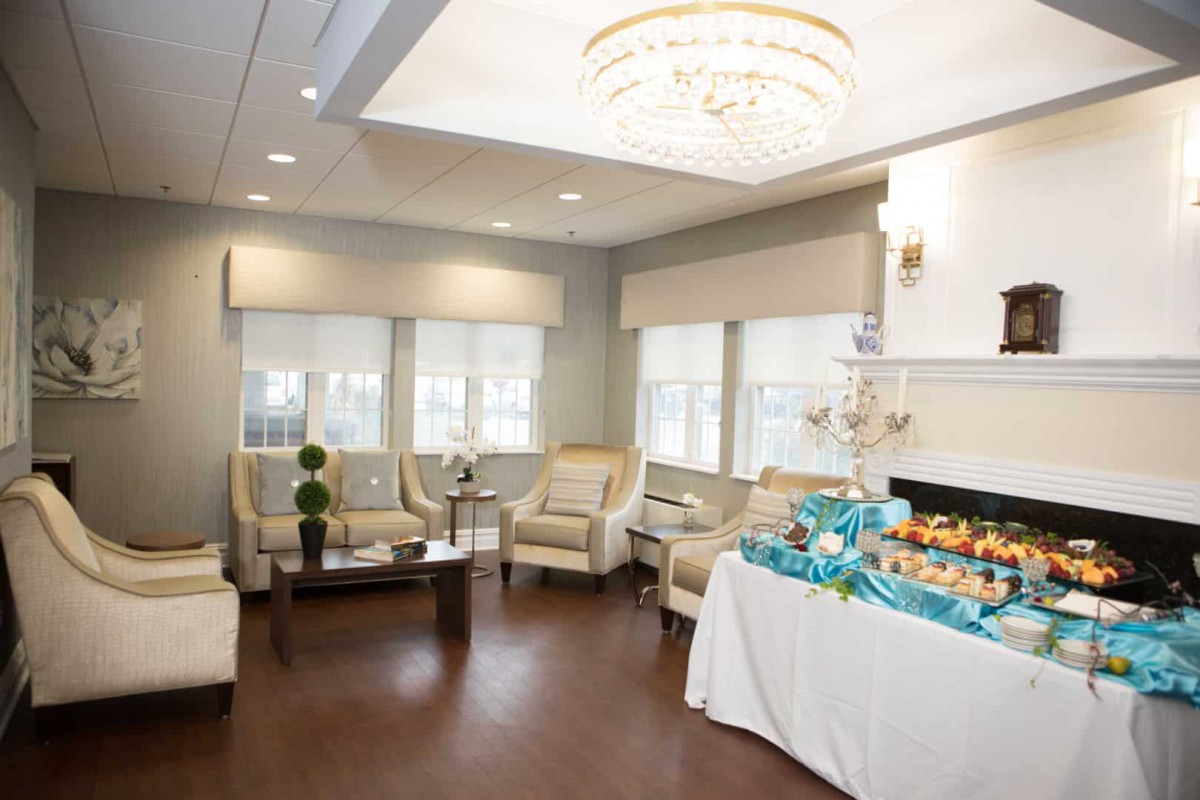
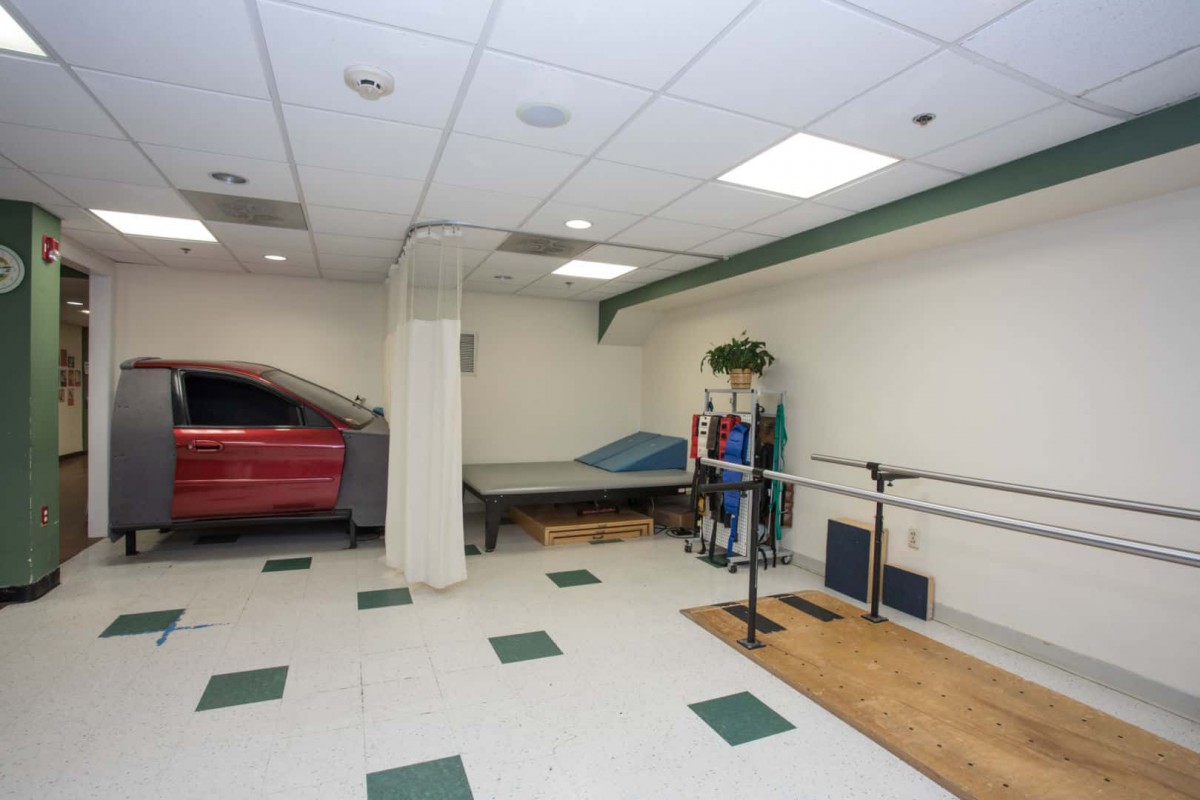
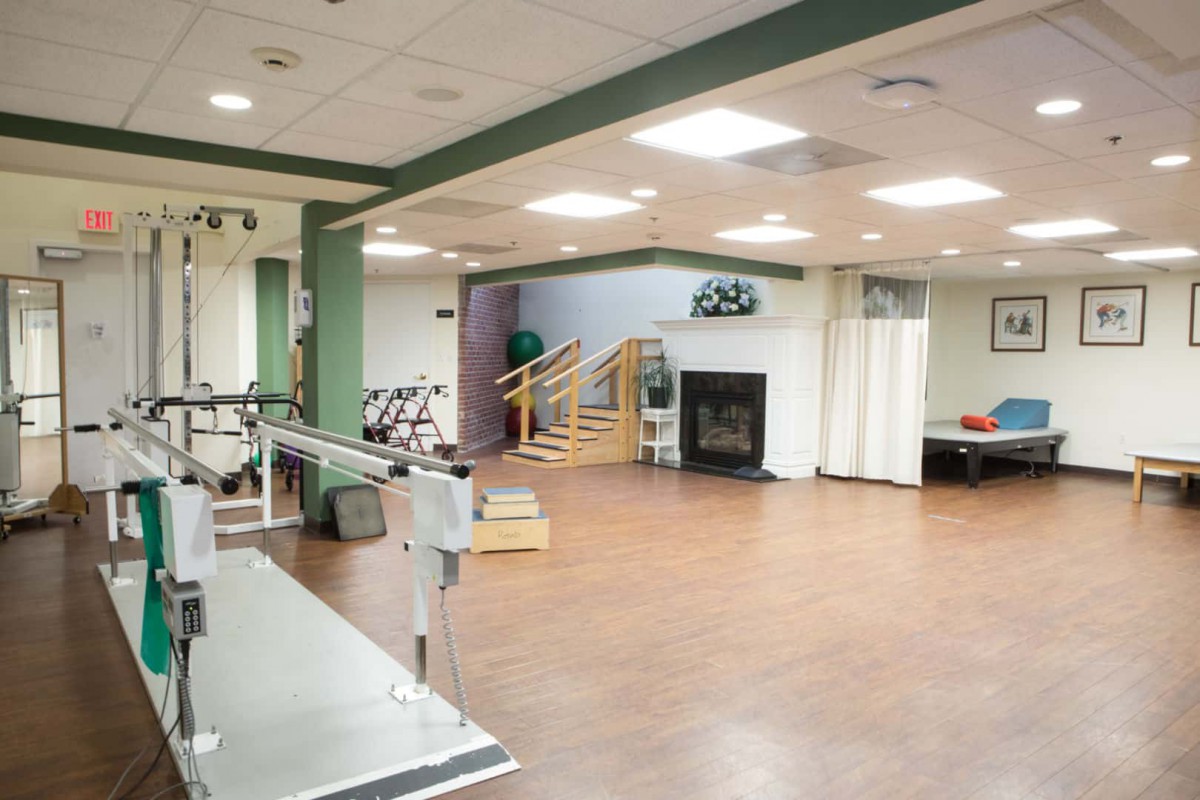
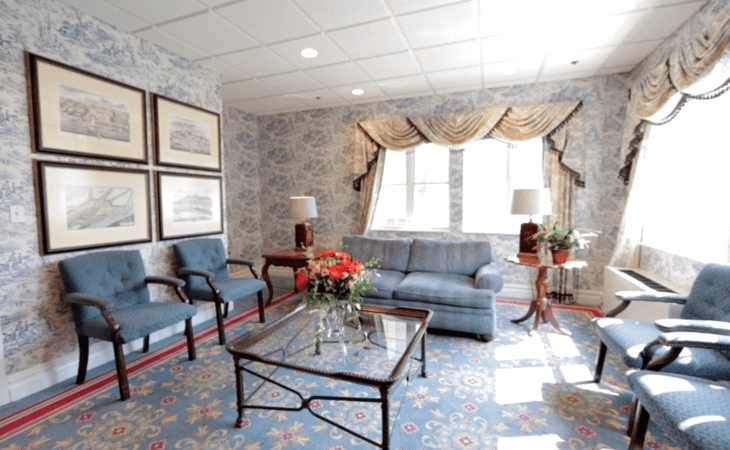
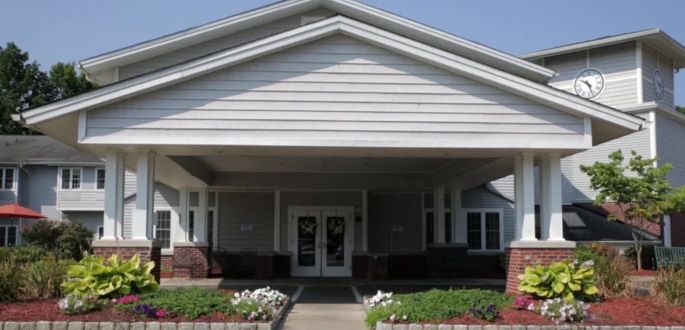
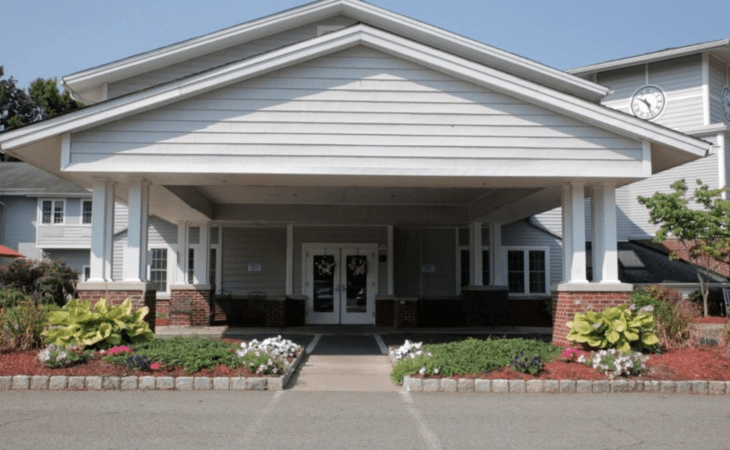
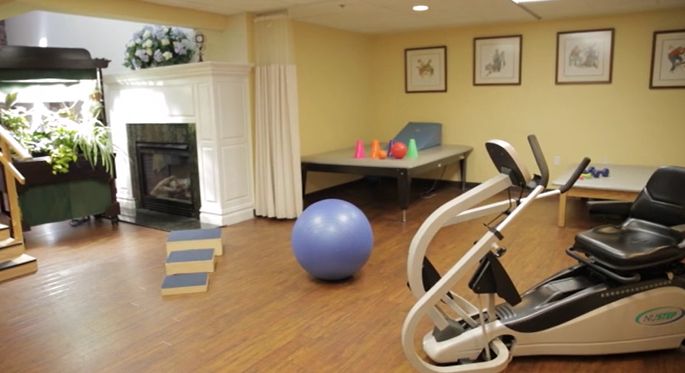
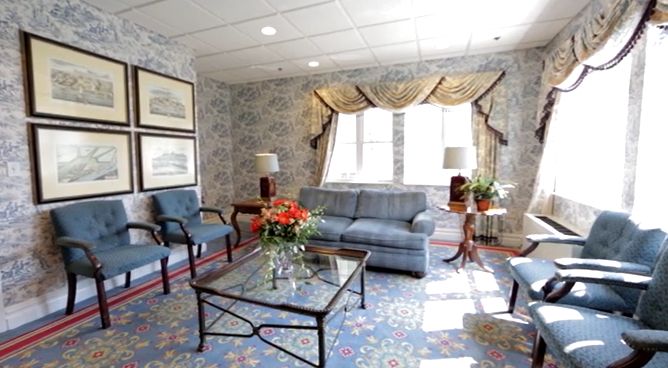
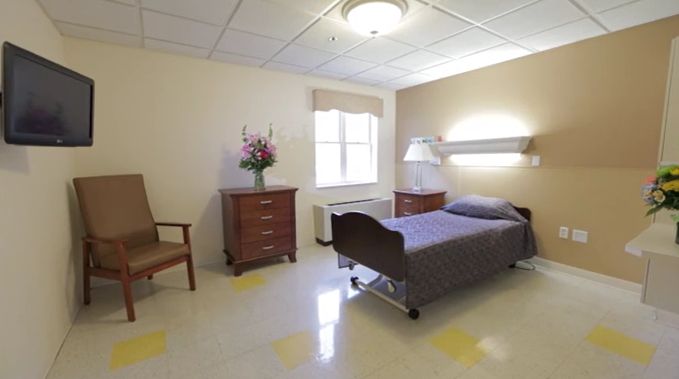
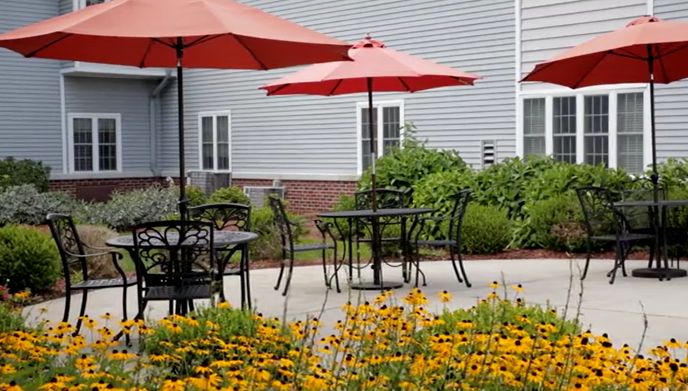
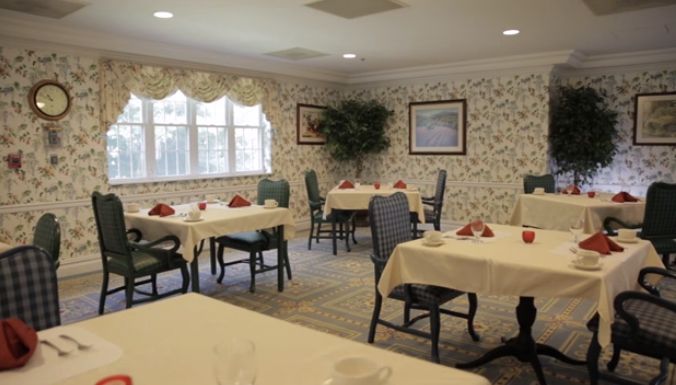
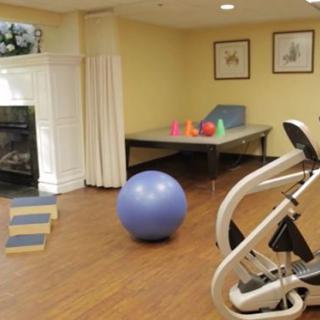
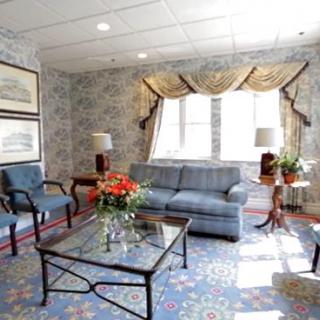
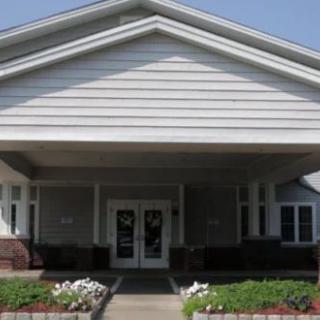
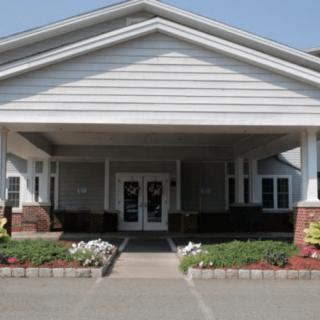
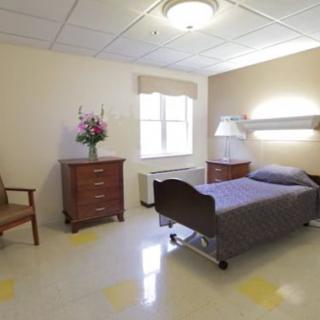
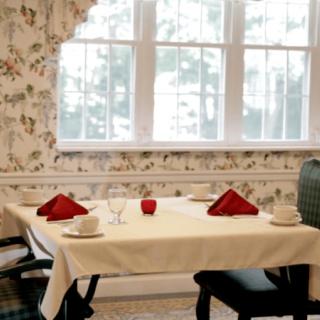
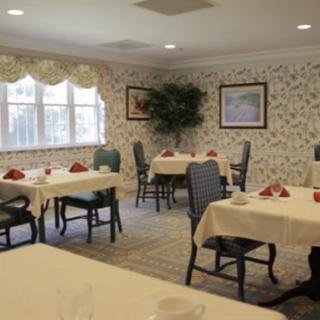
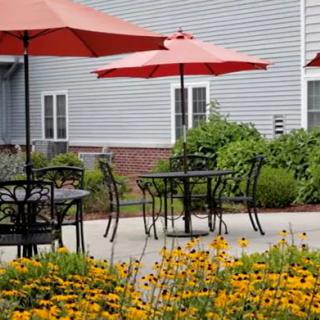
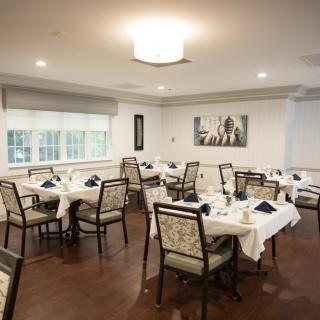
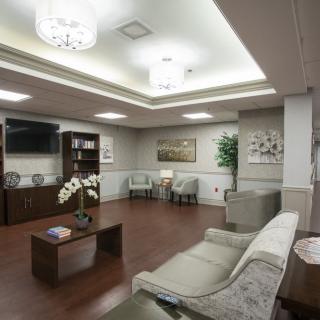
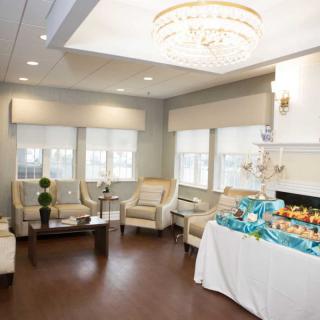
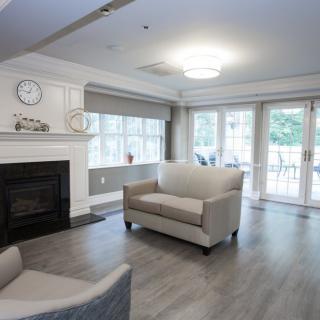
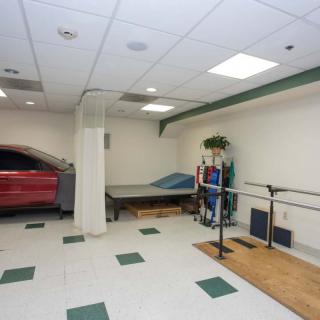
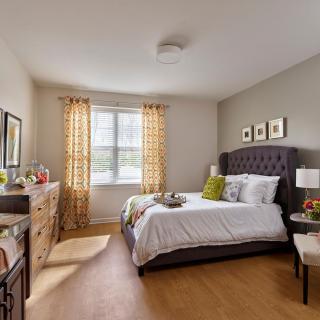
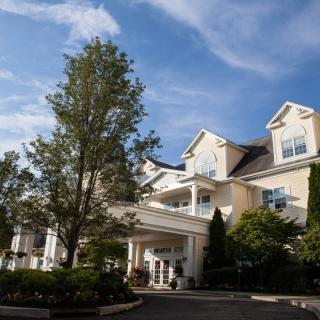
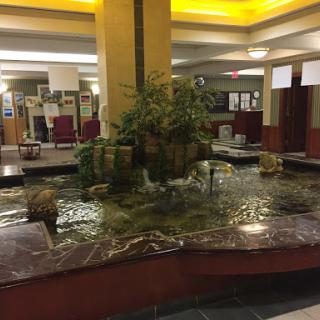
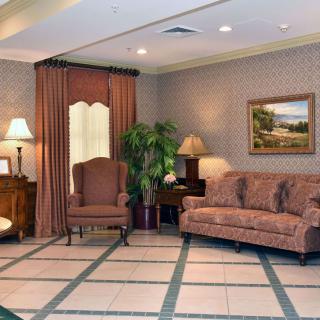
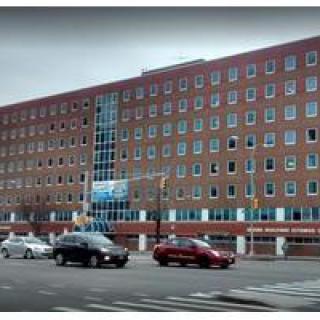
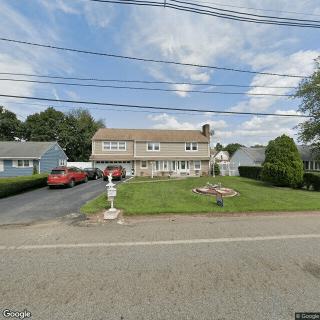
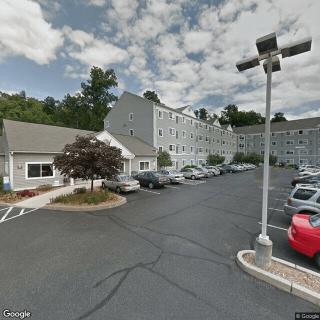
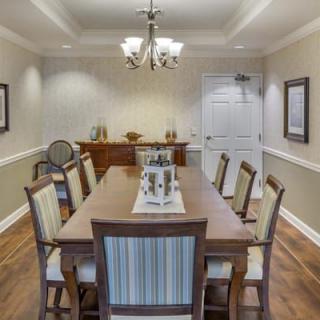
CareOne at Wayne on seniors.fyi includes 18 photos including images showing interior, windows, decor, exercise equipment, dining, living room, building, entrance, and more.
Nearby Communities
Atrium Post Acute Care Of Wayneview
Wayne, NJ
2.3 from 6 reviews
Attractive facility with extensive amenities and some positive staff interactions.
The Bristal At Wayne
Wayne, NJ
4.3 from 62 reviews
$4,500 to $5,850 / month
Strong staff, engaging activities, and diverse housing options (including memory care).
Kilroy Residence
Wayne, NJ
Good access to nearby amenities: cafes, parks, pharmacies, doctors, restaurants, places of worship, a theater, and a hospital.
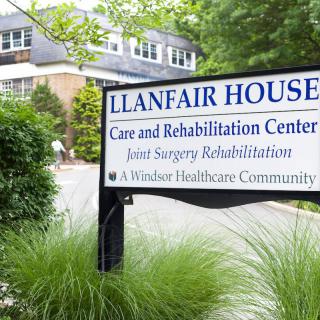
Llanfair House Care & Rehabilitation Center
Wayne, NJ
4.5 from 100 reviews
Attentive nursing care, clean, well-maintained facility, and strong rehabilitation services.
Wellcare Home Care LLC
Wayne, NJ
Vibrant community with extensive nearby amenities and healthcare access.
Brightview Wayne
Wayne, NJ
4.8 from 69 reviews
Comprehensive memory care with 24/7 supervision and medication management.
Pequannock Senior Citizen Hsng
Pequannock, NJ
5 from 1 review
$9,380 / month
Peaceful, supportive independent living with extensive nearby amenities and healthcare access.
Summer Hill Apartments - NO LONGER EXISTS
Wayne, NJ
3.8 from 66 reviews
$928 to $1,115 / month
Friendly staff; clean, well-maintained facilities; strong sense of community.
Brookdale Wayne
Wayne, NJ
4.4 from 97 reviews
$3,652 to $5,204 / month
Caring staff, clean facility, and extensive amenities/activities.
The article differentiates between assisted living and memory care, explaining that assisted living supports seniors with daily activities while promoting independence, whereas memory care provides specialized services for individuals with dementia, focusing on secure environments and cognitive support. It also addresses staff training, safety considerations, costs, family involvement, and transition strategies for families navigating these care options.
The article outlines effective communication strategies for interacting with loved ones with dementia, highlighting the need for empathy, patience, and understanding while emphasizing supportive approaches like using simple language, minimizing distractions, and focusing on feelings over facts to maintain dignity and foster connection. It also suggests seeking professional guidance when needed as communication challenges evolve.
VA nursing homes, or Community Living Centers (CLCs), offer tailored long-term care for veterans, featuring medical attention and rehabilitation in a supportive environment. The guide covers facility types, eligibility criteria, financial assistance options, quality of care standards, and alternatives to full-time nursing home placement.
Get PricingAsk A QuestionSchedule A TourContact Senior Advisor
By clicking submit, you agree to our Partner's Terms of Use. You
also consent to receive calls and texts, which may be autodialed, from our Partner. Your consent is not a condition to
using our Partner's service. Please visit our Partner's Privacy Policy for information about their privacy practices.

 59 resident community capacity
 1-bedroom apartments
 Assisted Living
 Memory Care
 Respite Care
 Skilled Nursing Facility
 Cats allowed
 Dogs allowed
 Activities off-site
 Air-conditioning
 Beautician on-site
 Cable or satellite TV
 Computer center
 Devotional services off-site
 Dining room
 Fitness room
 Fully furnished
 Gaming room
 Garden
 Housekeeping services
 Indoor common areas
 Kitchenette
 Move-in coordination
 Outdoor common areas
 Private bathrooms
 Resident parking
 Restaurant-style dining
 Small library
 Telephone
 Wellness center
 Wheelchair accessible showers
 Wi-Fi/high-speed internet available
 Newark International (19 miles away)
 Community operated transportation
 12-16 hour nursing
 24-hour call system
 Assistance with bathing
 Assistance with dressing
 Assistance with transfers
 Diabetes diet
 Diabetic care
 Incontinence care
 Medication management
 Mental wellness program
 Physical therapy
 Special dietary restrictions
 Art classes
 Catholic services
 Concierge services
 Cooking classes
 Day trips and outings
 Educational speakers / life long learning
 Happy hour
 Karaoke
 Live musical performances
 Wine tasting
 English
 Attractive facility with extensive amenities and some positive staff interactions.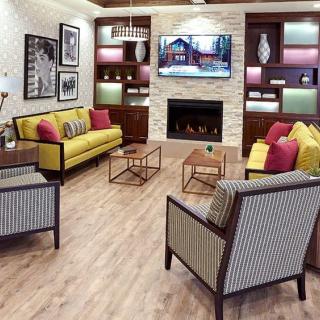


 Understanding the Distinctions: Assisted Living and Memory Care Explained
 How to Communicate with a Loved One Living with Dementia: 10 Supportive Strategies
 Comprehensive Guide to VA Nursing Homes: A Crucial Long-Term Care Resource for Veterans