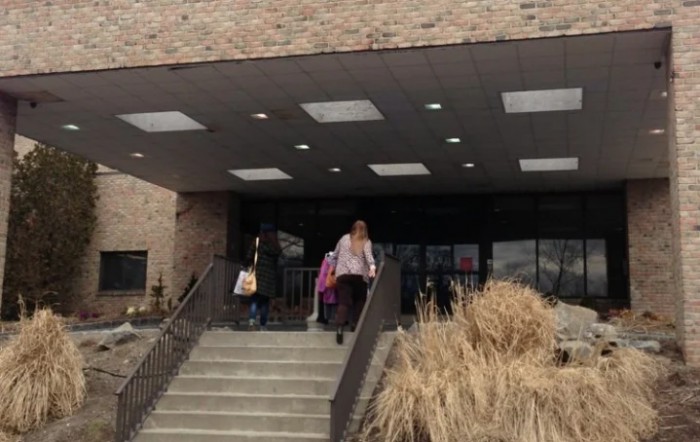






2020 Route 23 North, Wayne, NJ 07470
For more information about senior living options: (866) 208-4318
Overall Review of Atrium Post Acute Care Of Wayneview
Pros
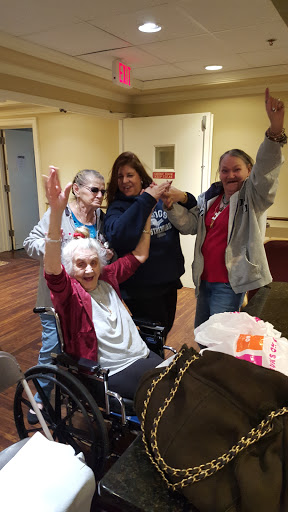
 The staff were very attentive and caring.
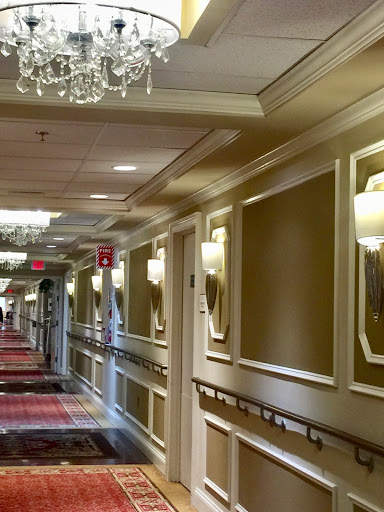
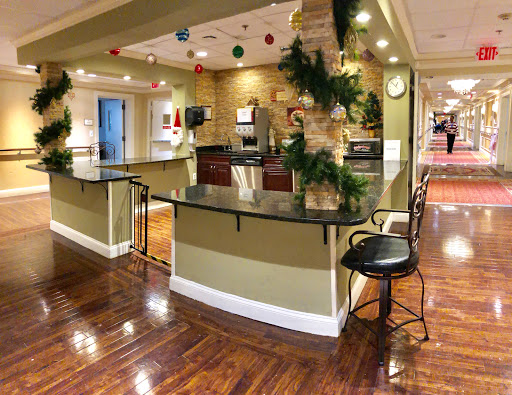
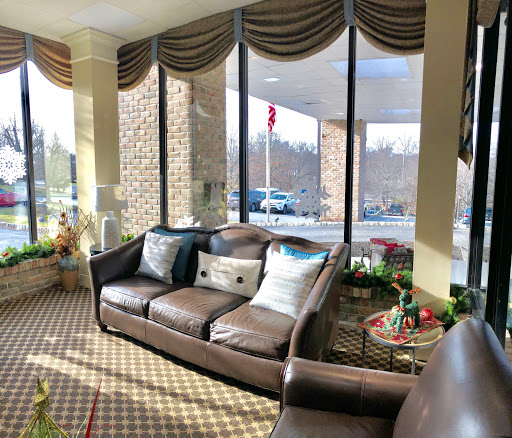
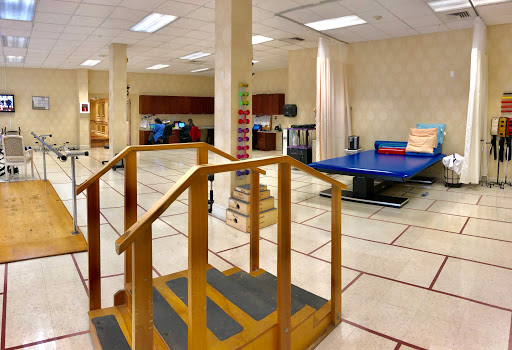
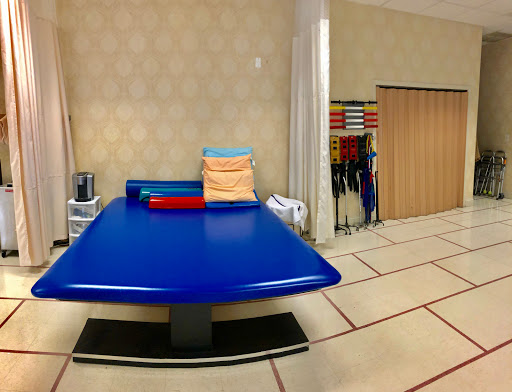
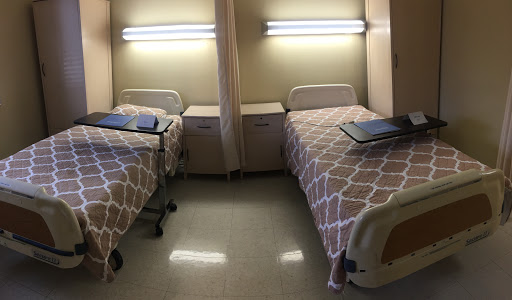
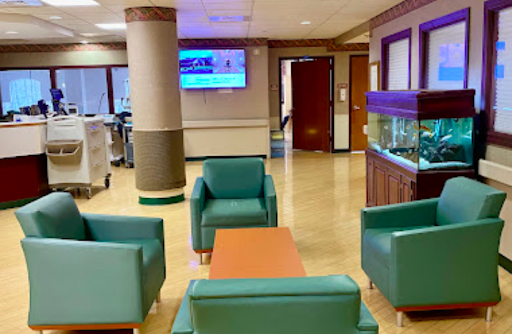
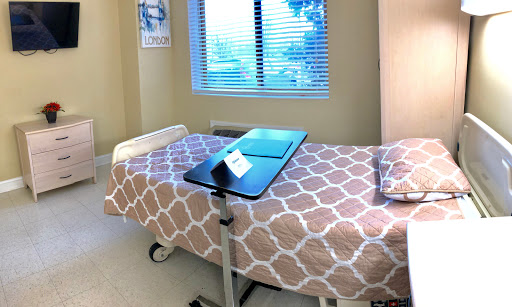
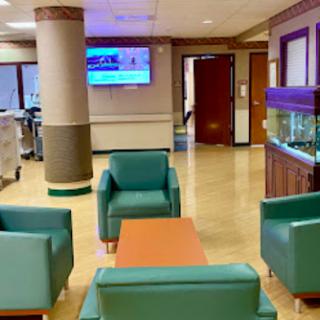
- The rooms/building are clean and beautifully decorated.
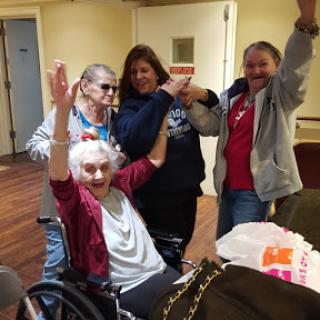
- The staff was very professional and loving toward the elderly.
Cons
 The rooms are poorly maintained: walls are only half-painted, wood debris is left behind beds, the air conditioner is falling off the wall, and equipment is dusty with mold.
 - Interactions with some staff are awful and horrendous; they are disrespectful and lazy.
- The resident’s diabetes worsened because sugar is tested after meals, leading to more insulin being given.
- Housekeeping ruins clothing and never puts items away, so family members have to clean the room during visits.
- The food service is unreliable: the resident often does not get what he orders and sometimes receives sugar or sugary drinks contrary to diet labels.
- The smoking policy is inconsistently enforced, with the resident discharged for off-hours smoking while others do the same.
Review
Atrium Post Acute Care Of Wayneview is best suited for families that can tolerate a highly uneven quality of care and are prepared to supervise and advocate aggressively for a loved one. When care needs are modest and a resident can be monitored closely, the facility may function as a very last-resort option, but there is no confidence that basic cleanliness, consistent staffing, or reliable medical oversight will be present without persistent oversight from family or outside providers. In practice, this community demands months of direct involvement from family members who can push back on mistakes and demand accountability, otherwise risks compound quickly.
Those who should consider alternatives are clear: anyone with significant medical needs (diabetes management, wound care, or complex medications), residents with mobility or cognitive challenges requiring consistent supervision, and families who cannot allocate time for frequent visits and rigorous monitoring. The reviews reveal repeated concerns about misdiagnoses, delayed response to requests, and inconsistent adherence to care plans. For anyone counting on stable daily routines or predictable medication handling, the evidence here points to aligning with a facility that offers stronger oversight, more reliable housekeeping, and firmer accountability.
On the positive side, a fraction of residents and families report professional and compassionate staff in some interactions, and a few accounts describe periods when the atmosphere appeared organized and the rooms were kept up in a more favorable light. There are also references to subacute staff being attentive and caring in other contexts, and to facilities within the same property that previously showcased clean, well-maintained rooms in different units. These nods to quality indicate that the potential for better days exists, but they are sporadic and not consistently realized in Wayneview’s current operation.
The dominant drawbacks, however, are hard to overlook. Perpetual odors and poor air circulation create an environment that feels neglected from the first impression. Reports of dust, mold, and a lack of basic cleanliness echo through multiple accounts, alongside witnessed falls and questions about the sufficiency of supervision. Communication failures, nurses and aides not completing tasks, menus and orders going uncollected, and repeated mismanagement of medications or dietary restrictions, compound safety risks. Safety concerns extend to policy enforcement inconsistencies, such as smoking regulations that feel arbitrary and punitive when they don’t align with staff behavior. These patterns undermine trust and amplify the emotional burden on families who must repeatedly intervene.
The core question becomes whether any modest pros can offset the persistent cons. In practical terms, even if some staff show genuine care and occasional periods of orderly operation occur, the systemic issues, cleanliness lapses, delayed responses, misdiagnoses, and inconsistent care delivery, tummel the impact of individual bright spots. For families weighing options, the reliability of daily routines and the certainty that medical oversight will be prompt and accurate are non-negotiables. Without a track record of steady improvement, the occasional positive interaction cannot compensate for the risk of preventable harm or ongoing dissatisfaction among residents and their loved ones.
For families considering this community, a disciplined due-diligence plan is essential. Schedule multiple tours at different times to observe staffing levels, bedside care, and housekeeping practices in real-time. Ask pointed questions about staff-to-resident ratios, antibiotic and insulin administration protocols, and how care plans are updated when health status changes. Request to speak with the director and with front-line staff on shift, and insist on written escalation procedures for missed tasks. Demand evidence of recent quality assessments, incident logs, and corrective action plans. If the answers reveal ongoing instability or a pattern of unaddressed concerns, the prudent move is to continue searching.
Bottom line: Atrium Wayneview does not present a robust case for long-term senior care for most families. It may be considered only by those willing to accept significant oversight, frequent family involvement, and the distinct possibility that care standards will fluctuate. For residents with higher medical needs, those who require consistent, respectful staffing, or families unwilling to monitor daily operations, alternatives are strongly advised. If remaining in consideration, couple a decisive care plan with scheduled, frequent reviews and clear exit criteria to transition to a higher-quality option if safety, cleanliness, or responsiveness do not improve promptly.
 170 resident community capacity
 Skilled Nursing Facility
 Air-conditioning
 Beauty salon
 Cable or satellite TV
 Computer center
 Dining room
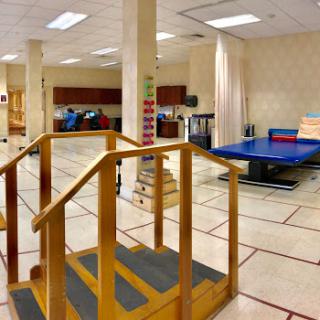
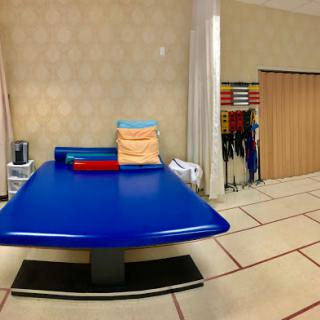
 Fitness room
 Fully furnished
 Gaming room
 Garden
 Housekeeping services
 Kitchenette
 Move-in coordination
 Outdoor space
 Private bathrooms
 Restaurant-style dining
 Small library
 Telephone
 Wellness center
 Wi-Fi/high-speed internet available
 Newark International (19 miles away)
 Community operated transportation
 12-16 hour nursing
 24-hour call system
 Activities of daily living assistance
 Assistance with bathing
 Assistance with dressing
 Assistance with transfers
 Diabetes diet
 Medication management
 Mental wellness program
 Special dietary restrictions
 Concierge services
 Planned day trips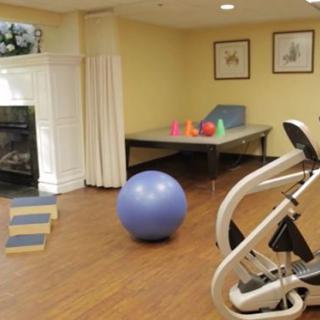






 Caregiver Exhaustion: Recognizing the Signs and Restoring Your Well-Being
 Understanding Hospice Care at Home: Comprehensive Services, Key Benefits, and Eligibility
 Understanding the Full Cost of 24/7 In-Home Care: A Detailed Overview