HarborChase of Princeton offers a range of living options with competitive pricing that reflects the quality and care provided. For those considering a semi-private room, the monthly cost is $5,500, which is slightly above the average in Somerset County at $5,167 and New Jersey's overall average of $5,068. Moving to one-bedroom accommodations, HarborChase charges $7,100 - again higher than both Somerset County's average of $5,903 and the state's typical rate of $5,994. For two-bedroom units, the cost is $7,900; this figure surpasses Somerset County's average of $6,824 but remains below New Jersey's statewide average of $6,216. Overall, while HarborChase may be priced higher for certain room types compared to local averages, it is important to consider the exceptional services and amenities that contribute to its value.
Floor plans
HarborChase of Princeton
Somerset County
New Jersey
Semi-Private
$5,500
$5,167
$5,068
1 Bedroom
$7,100
$5,903
$5,994
2 Bedrooms
$7,900
$6,824
$6,216
Memory care communities with a similar price nearby
Residents and families repeatedly describe kind, attentive staff interactions.
Many reviewers say staff treat residents with kindness and professionalism, and they repeatedly mention being greeted by name and checked on throughout the day. Families also describe feeling reassured because the team communicates promptly about changes and questions. A few reviewers name specific roles like wellness staff, nurses, aides, and front desk staff when describing how supported they feel day to day.
common
Activities keep residents engaged
The community’s activity programming is a frequent reason people feel at ease.
Reviewers commonly point to a busy, varied activities schedule that helps residents stay social and engaged. Multiple comments describe exercise, music and entertainment, classes, clubs, outings, and resident participation that increases after moving in. Some families also mention receiving regular updates tied to the activities their loved ones join.
differentiator
On-site wellness and therapy support
Residents benefit from on-site wellness and therapy services described as thorough and organized.
Several reviews describe hands-on support from wellness and clinical staff, including help managing medical needs and support during higher-acuity transitions. People also mention rehabilitation therapy such as physical therapy, occupational therapy, and speech therapy, along with a well-equipped therapy setup. In memory care, reviewers also describe staff helping families understand behavior changes and how the community responds.
common
Dining experience is consistently highlighted
Dining is repeatedly praised for variety and quality, with room for some criticism.
Many reviewers describe meals as enjoyable, mentioning variety, a chef-led approach, and options for special diets. Several also talk about regular dining access and staff in the dining room who make the experience smoother for residents. At least one reviewer, however, found the dinner meal less impressive than expected.
caveat
Occasional gaps in staff attention
A small number of reviews raise concerns about timely or respectful staff care.
While most feedback emphasizes kindness and helpfulness, a minority of reviewers report experiences with aides who felt rude or unresponsive. One review also describes trouble getting minimal assistance in a timely way and criticizes how complaints were handled. Another extreme review alleges severe neglect; residents and families elsewhere do not describe these same issues, so these concerns appear isolated rather than universal.
How we summarize
We summarize when many written reviews mention each theme; a review can touch several themes, and only frequently mentioned themes are displayed.
Features
Housing
21 resident community capacity
1-bedroom apartments
2-bedroom apartments
Types of Care
Assisted Living
Memory Care
Amenities
Activities off-site
Activities on-site
Air-conditioning
Beautician on-site
Beauty salon
Cable or satellite TV
Cafe
Computer center
Devotional services off-site
Devotional services on-site
Dining room
Full kitchen
Fully furnished
Garden
General store
Golf
Ground floor units
Guasts at mealtime
Guest parking
Handicap accessible
Hiking trails
Housekeeping services
Indoor common areas
Kitchenette
Laundry
Move-in coordination
Outdoor common areas
Outdoor space
Overnight guests
Party space
Private patio, deck, or balcony
Resident parking
Respite or short term stays offered
Restaurant-style dining
Small library
TV room
Telephone
Wheelchair accessible showers
Wi-Fi/high-speed internet available
Transportation
Trenton-Mercer County (10 miles away)
Transportation & parking
Care Services
24-hour call system
24-hour supervision
Activities of daily living assistance
Ambulatory care
Assistance with bathing
Assistance with dressing
Assistance with transfers
Diabetes diet
Diabetic care
High acuity care
Hospice care
Incontinence care
Meal preparation and service
Medication management
Mental wellness program
Special dietary restrictions
Dining
Anytime dining
Diabetes diet
Gluten-free
Guest meals
International cuisine
Low / no sodium
Meals provided
No Sugar
Professional chef
Restaurant style dining
Room service
Special dietary restrictions
Special dining programs
Vegan
Vegetarian
Activities
Art classes
Bible study group
Catholic services
Community-sponsored activities
Cooking classes
Devotional activities offsite
Devotional activities on-site
Educational speakers / life long learning
Jewish services
Other religious services
Protestant services
Resident-run activities
Scheduled daily activities
Visiting Rabbi
Visiting chaplain or priest
Nearby Places of Interest
This part of Princeton, New Jersey offers a variety of amenities and services that would be beneficial for seniors looking to live in the area. With several reputable physicians, pharmacies, and hospitals nearby, residents have access to quality healthcare options. There are also plenty of dining options ranging from casual eateries like Hoagie Haven and McDonald's to more upscale restaurants like Mediterra and Brick Farm Tavern. For those who enjoy outdoor activities, there are several parks within a short driving distance such as Mercer County Park and D & R Canal State Park. Additionally, transportation options like the NJT - Princeton Junction Station make it easy for seniors to travel around the area. Overall, this part of Princeton provides a convenient and comfortable environment for seniors looking to settle down in the area.
HarborChase of Princeton offers a range of living options with competitive pricing that reflects the quality and care provided. For those considering a semi-private room, the monthly cost is $5,500, which is slightly above the average in Somerset County at $5,167 and New Jersey's overall average of $5,068. Moving to one-bedroom accommodations, HarborChase charges $7,100 - again higher than both Somerset County's average of $5,903 and the state's typical rate of $5,994. For two-bedroom units, the cost is $7,900; this figure surpasses Somerset County's average of $6,824 but remains below New Jersey's statewide average of $6,216. Overall, while HarborChase may be priced higher for certain room types compared to local averages, it is important to consider the exceptional services and amenities that contribute to its value.
The array of features at HarborChase of Princeton plays a crucial role in supporting residents with dementia or Alzheimer's disease, ensuring their safety and enhancing their overall quality of life. With 24-hour supervision, residents are continually monitored, providing peace of mind for both them and their families. Assistance with activities of daily living, including bathing, dressing, and transfers, fosters independence while addressing the unique challenges these individuals may face. Incontinence care further ensures comfort and dignity throughout the day. Nutritious meal preparation and service cater to dietary needs while creating a routine that is vital for cognitive stability. Medication management is meticulously handled to ensure compliance with prescribed regimens, mitigating health risks associated with missed doses. Additionally, the mental wellness program promotes engagement and cognitive stimulation through tailored activities designed to encourage social interaction and emotional well-being, ultimately fostering an environment conducive to managing memory care needs effectively.
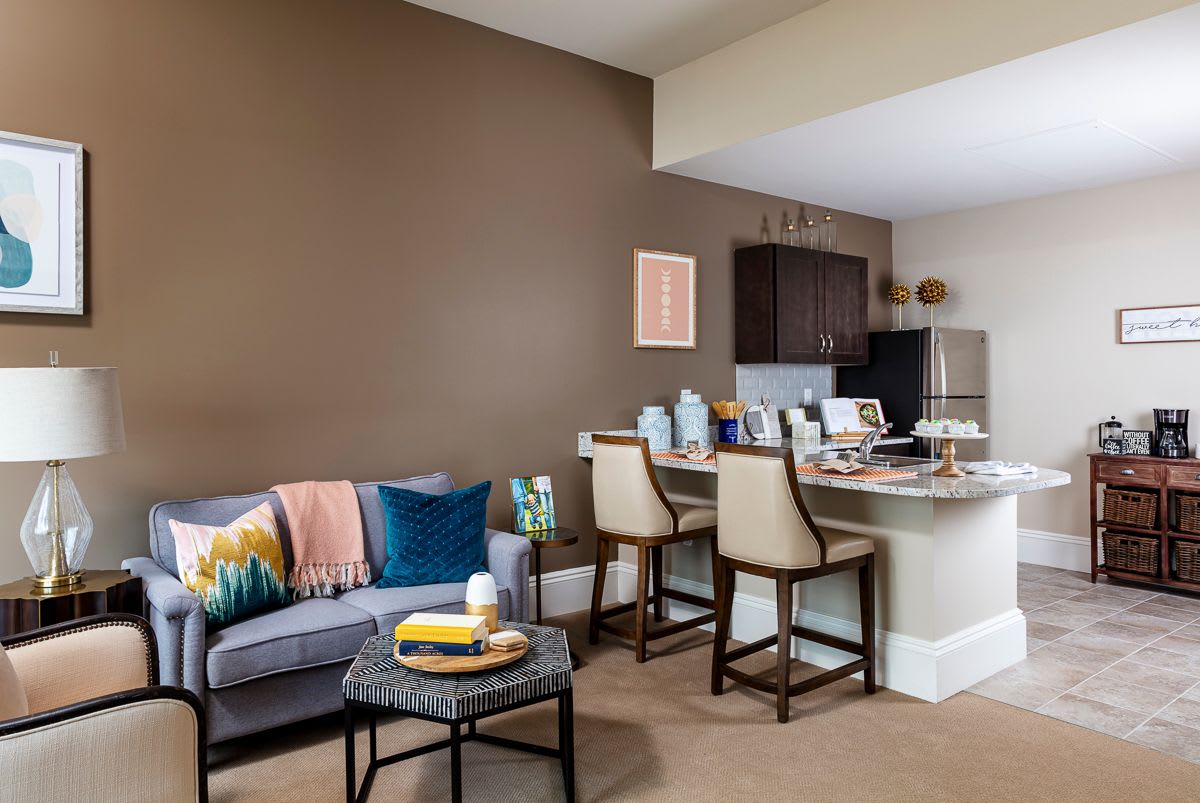
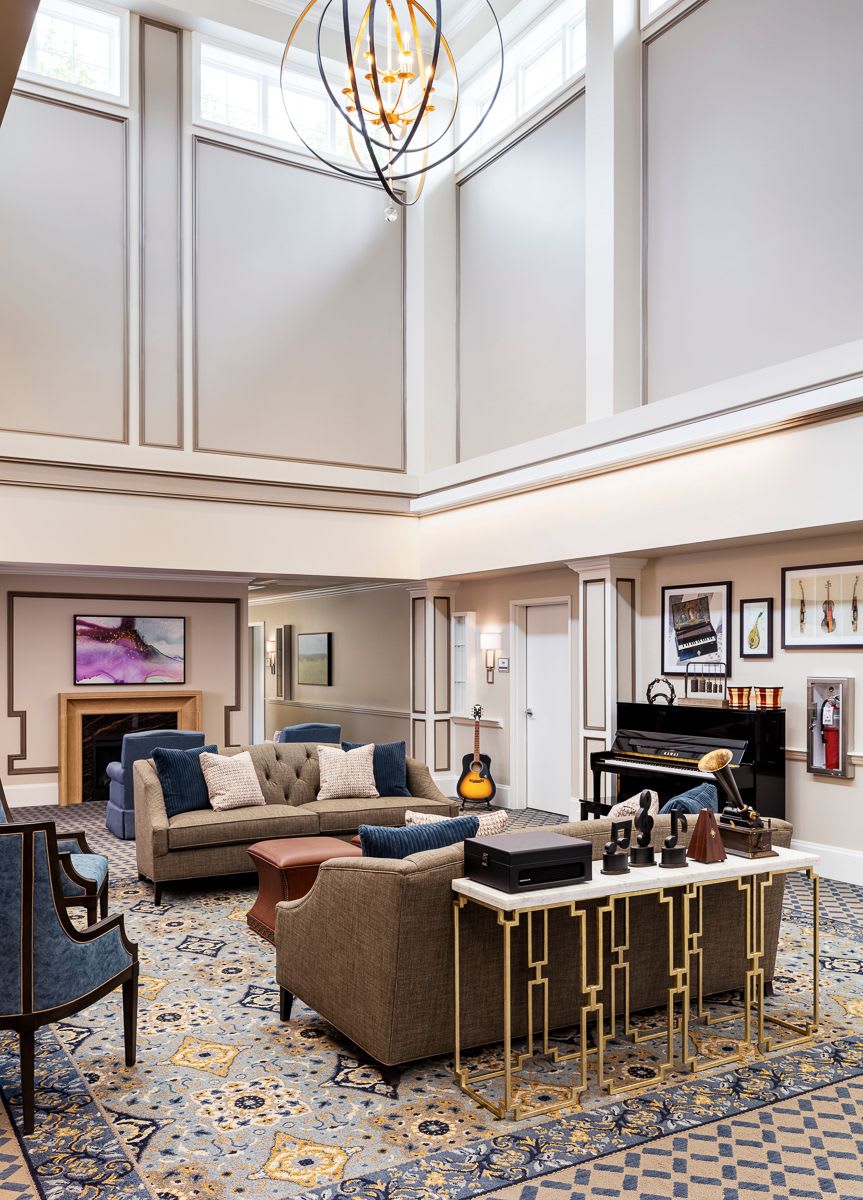
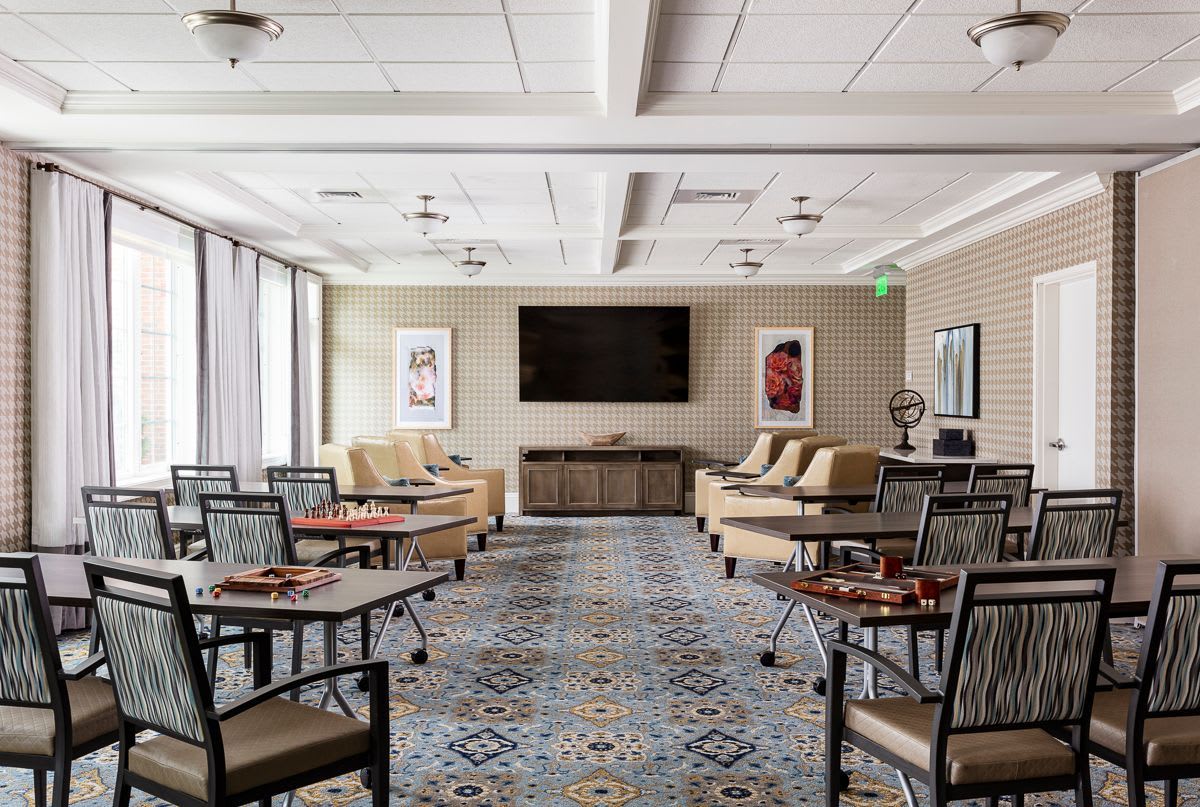
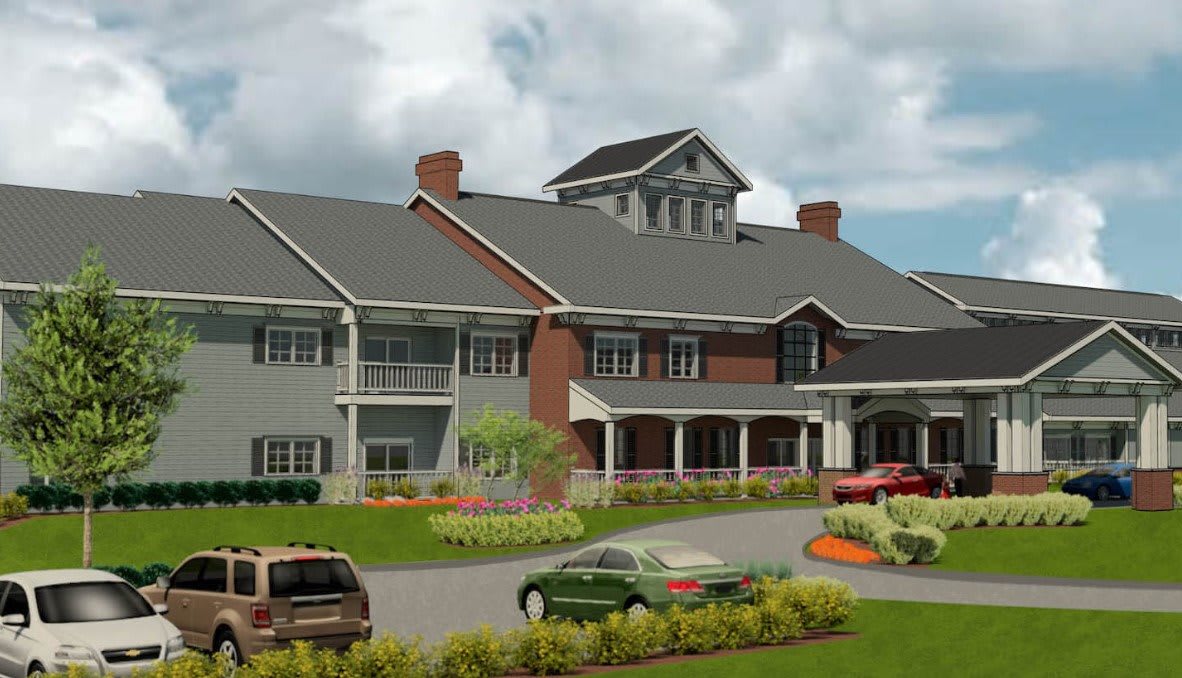
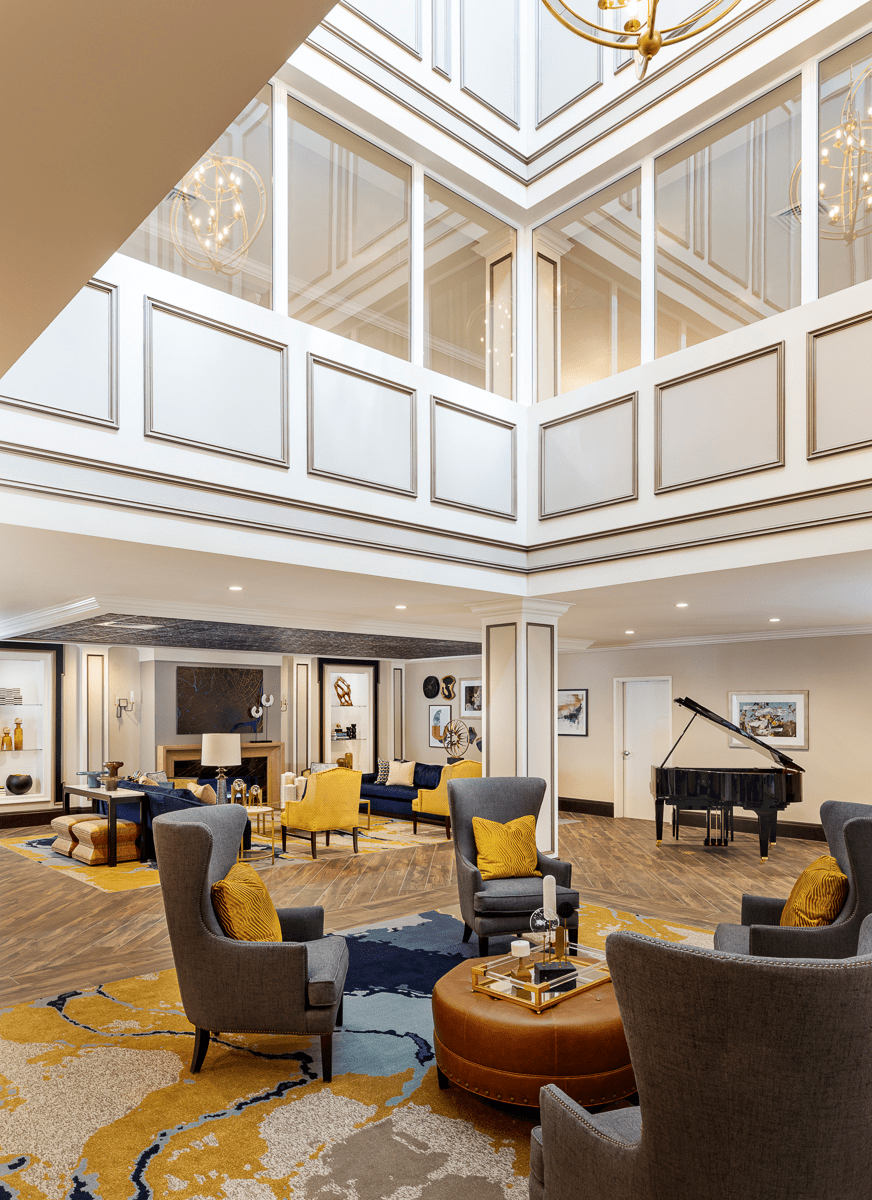
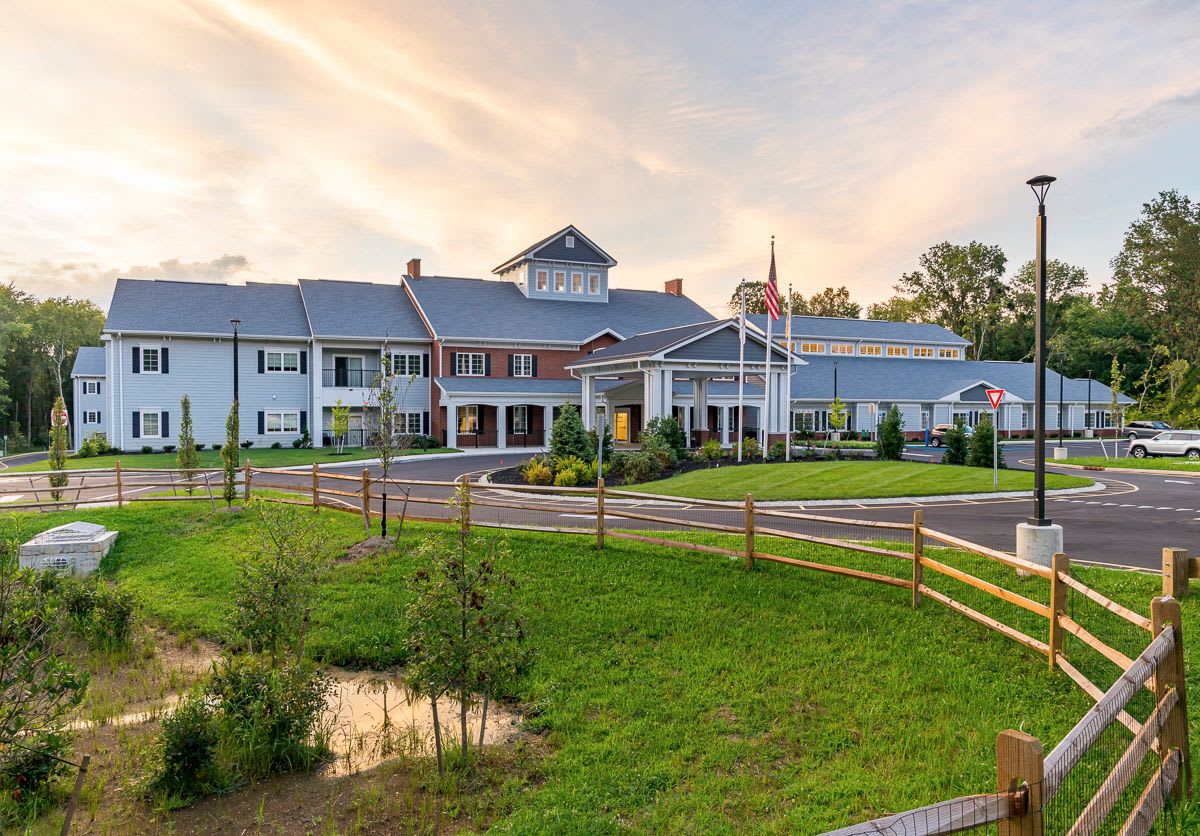
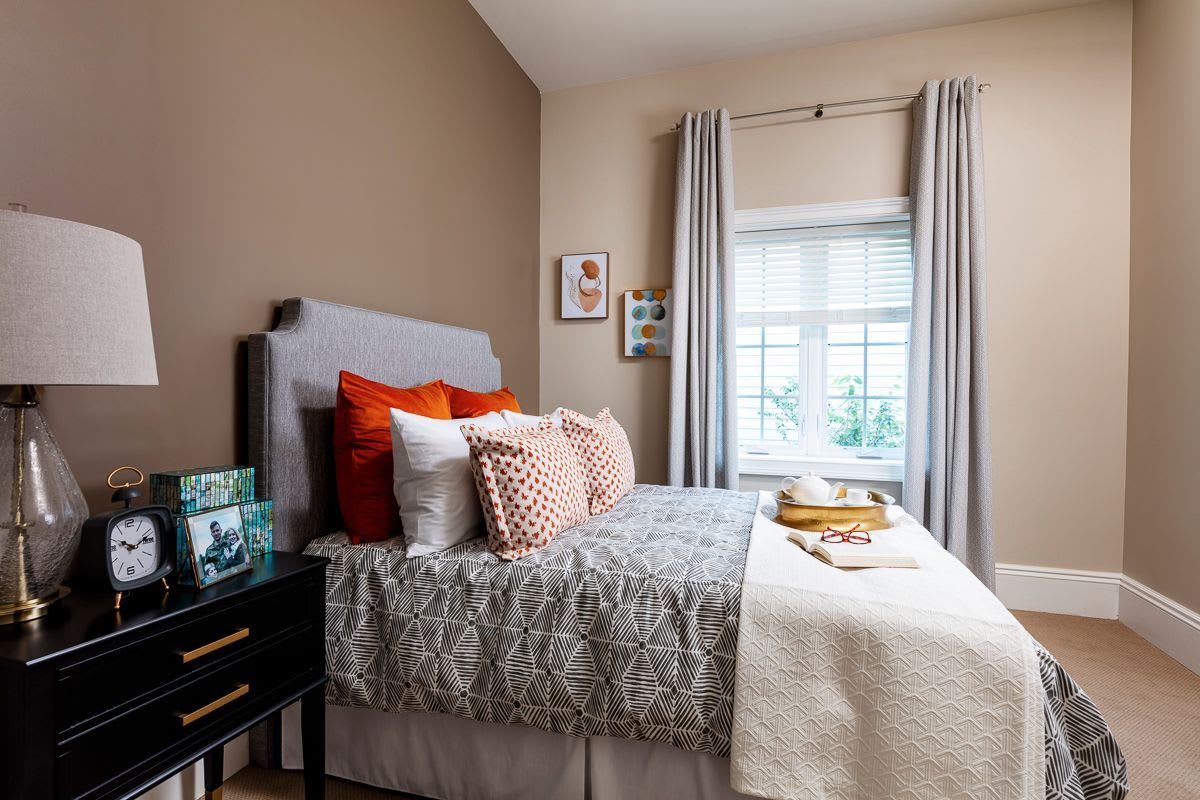
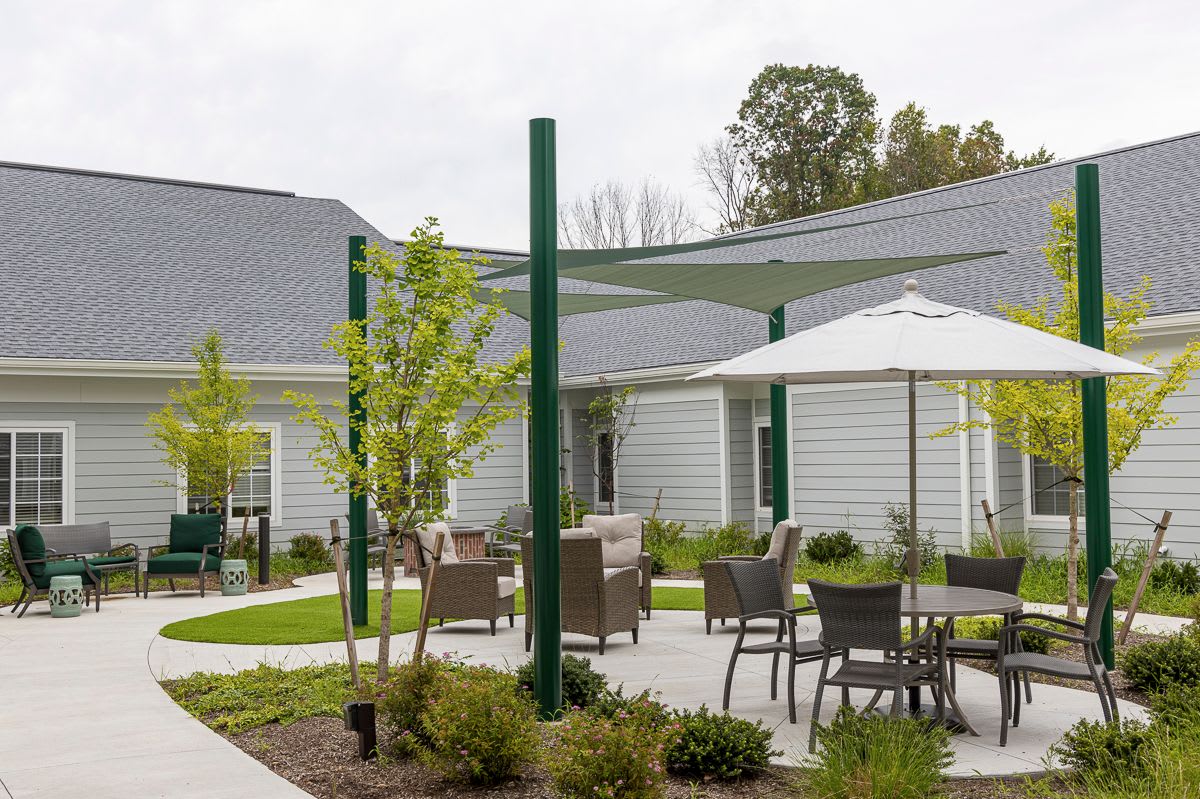
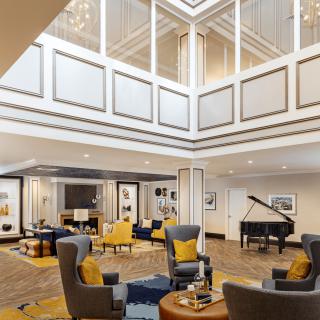
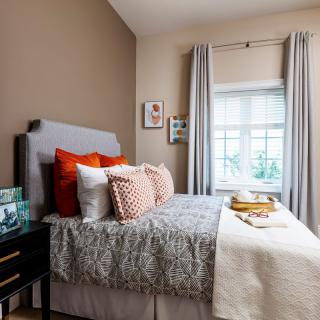
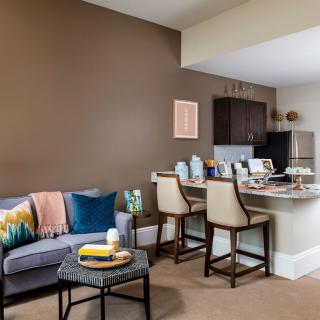
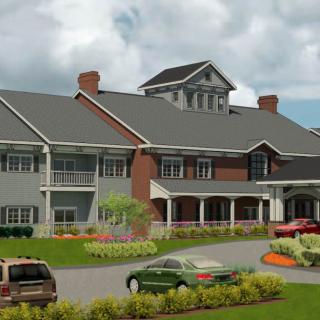
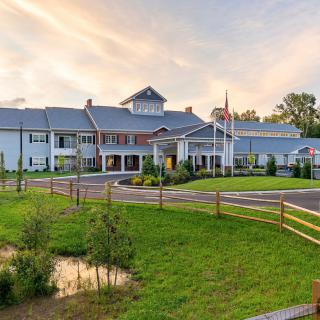
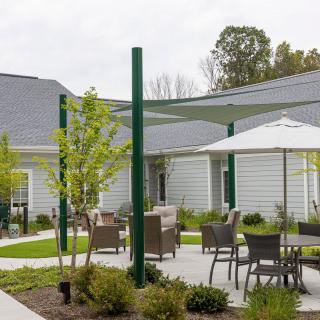
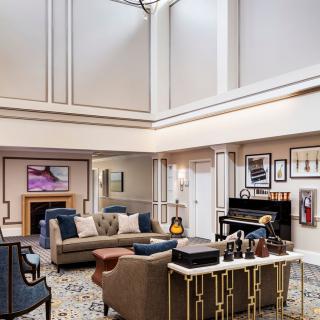
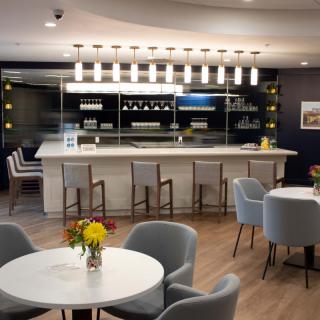
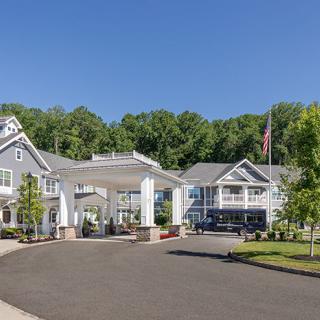
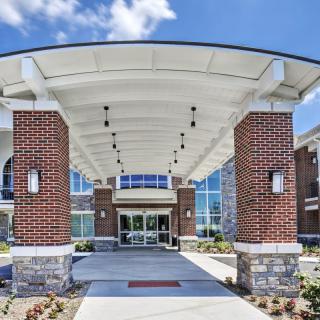
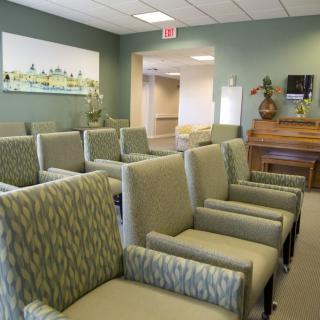
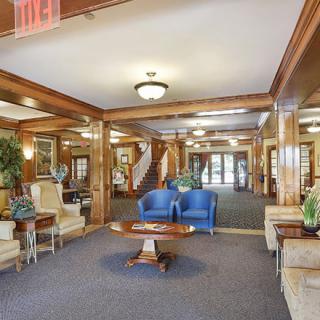
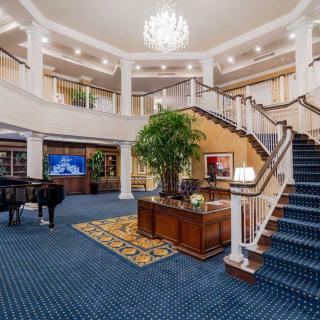
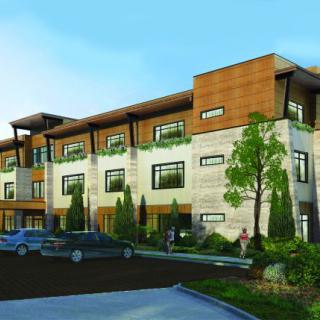
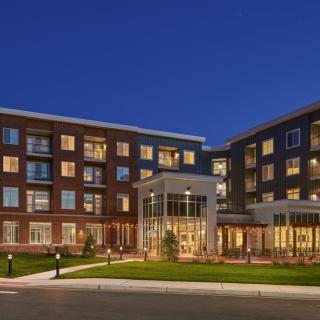
HarborChase of Princeton on seniors.fyi includes 8 photos including images showing interior, landscaping, decor, building, seating area, bedroom, architecture, living room, and more.
Nearby Communities
Pinnacle Home Care Solutions
Princeton, NJ
Excellent access to nearby amenities and healthcare.
Princeton Care Center
Princeton, NJ
3 from 27 reviews
Caring staff and effective rehab services.
Acorn Glen
Princeton, NJ
4.8 from 32 reviews
$7,000 to $8,000 / month
Responsive staff and engaging activities with high-quality dining.
Brandywine Living at Serenade at Princeton
Princeton, NJ
4.9 from 29 reviews
Memory-care focused with 24/7 supervision and on-site amenities.
Homestay Senior Care dba Visiting Angels
Princeton, NJ
4.9 from 43 reviews
Nearby parks, pharmacies, physicians, restaurants, places of worship, and a hospital.
Clubside at Cherry Valley
Montgomery, NJ
4.6 from 109 reviews
Comprehensive care (meals and medication management) with strong access to nearby pharmacies and physicians.
Princeton Windrows
Princeton, NJ
4.4 from 68 reviews
$2,400 / month
Beautiful, amenity-rich independent living with an active social calendar and friendly staff.
Maplewood At Princeton
Plainsboro Township, NJ
4.8 from 68 reviews
Strong memory-care focus with attentive staff and robust amenities.
Icon Riverwalk
Plainsboro Township, NJ
4.1 from 53 reviews
$3,595 to $5,695 / month
Attractive amenities and stylish property with potential under new management.
Alzheimer’s disease is a progressive neurological disorder that significantly impacts memory and cognitive functions, accounting for 60-80% of dementia cases, with early diagnosis being crucial yet challenging. It involves brain changes like beta-amyloid plaques and tau tangles, influenced by genetic and lifestyle factors, and while there is no cure, symptom management and support for caregivers are essential.
Dementia, influenced by aging and certain medications, may be exacerbated by drug classes such as anticholinergics, benzodiazepines, and antipsychotics, which are associated with cognitive impairment. Regular medication reviews by healthcare professionals are crucial for older adults to manage risks and optimize cognitive health.
Dementia often results in disrupted sleep patterns, leading to excessive daytime sleeping due to factors like brain damage affecting circadian rhythms, medication side effects, and lack of structure in daily activities. Caregivers must monitor these changes closely, as oversleeping can increase risks such as malnutrition or dehydration, and provide necessary support and routines to enhance patient engagement and well-being.
Get PricingAsk A QuestionSchedule A TourContact Senior Advisor
By clicking submit, you agree to our Partner's Terms of Use. You
also consent to receive calls and texts, which may be autodialed, from our Partner. Your consent is not a condition to
using our Partner's service. Please visit our Partner's Privacy Policy for information about their privacy practices.


 21 resident community capacity
 1-bedroom apartments
 Assisted Living
 Memory Care
 Activities off-site
 Air-conditioning
 Beautician on-site
 Cable or satellite TV
 Cafe
Cafe Computer center
 Devotional services off-site
 Dining room
 Full kitchen
 Fully furnished
 Garden
 General store
 Golf
Golf Ground floor units
 Guest parking
 Handicap accessible
 Hiking trails
 Housekeeping services
 Indoor common areas
 Laundry
 Move-in coordination
 Outdoor common areas
 Overnight guests
 Party space
 Private patio, deck, or balcony
 Respite or short term stays offered
 Restaurant-style dining
 Small library
 Telephone
 Wheelchair accessible showers
 Wi-Fi/high-speed internet available
 Trenton-Mercer County (10 miles away)
 Transportation & parking
 24-hour call system
 Ambulatory care
 Assistance with bathing
 Assistance with dressing
 Assistance with transfers
 Diabetes diet
 Diabetic care
 High acuity care
 Hospice care
 Incontinence care
 Medication management
 Mental wellness program
 Special dietary restrictions
 Art classes
 Bible study group
 Cooking classes
 Educational speakers / life long learning
 Jewish services
 Excellent access to nearby amenities and healthcare.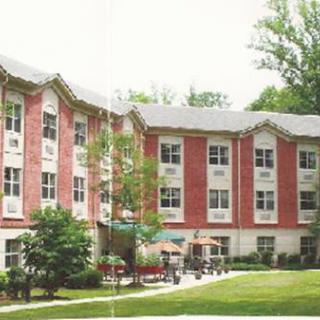

 Illuminating Insights About Alzheimer's Disease: Ten Crucial Realities
 A Thorough Discussion of Medications Potentially Linked to Dementia Risk
 Why Do Dementia Patients Sleep So Much? Understanding Oversleeping, Stages, and Care Approaches