
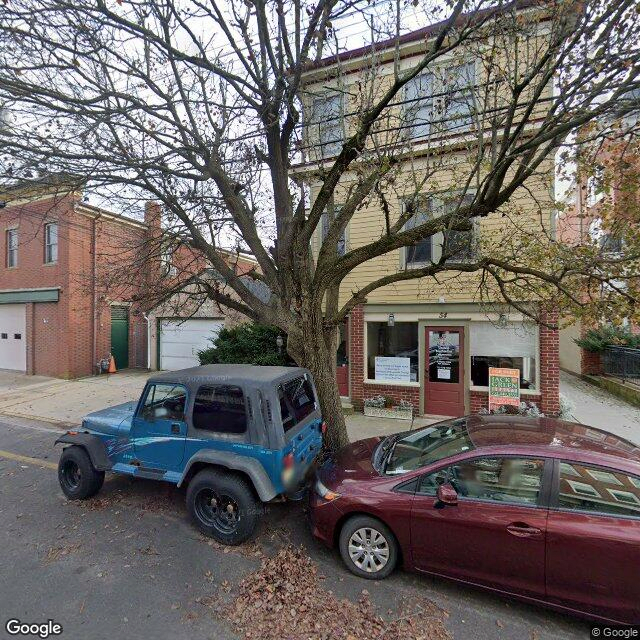
54 Olin St, Ocean Grove, NJ 07756
To contact a resident: (732) 838-1950
For more information about senior living options: (866) 208-4318
Overall Review of United Methodist Community Homeworks- Ocean Grove, NJ
Pros
 The staff are very professional and respectful.
- They are knowledgeable and truly caring toward the residents they serve, supporting them with compassion as they age in place.
- The office staff is friendly and dedicated in helping you find the best care to fit your needs.
- The aides are knowledgeable, respectful, on time and caring.
- The staff are professional and nice.
Cons
 Very unprofessional place.
Review
United Methodist Community Homeworks in Ocean Grove, NJ is best suited for seniors who value a faith-aligned, close-knit setting where professional care is the baseline and aging in place is supported. The community earns praise for staff who come across as professional, respectful, and genuinely caring toward residents. A strong thread in the feedback centers on the knowledge and compassion of both direct caregivers and aides, with an emphasis on timely help and a focus on maintaining independence as long as possible. The office team is described as friendly and dedicated, skilled at guiding families toward care options that fit specific needs. For families seeking a dignified, elder-care environment where residents encounter consistent courtesy and a clear sense of routine, this community presents a compelling match.
Yet, this is not a one-note endorsement. The rating list shows a meaningful split in experience: five five-star reviews contrast with a single one-star verdict, and the language of that lone critique, “Very unprofessional place”, is not easy to dismiss. That divergence matters. It signals a potential gap between day-to-day interactions with caregivers and the overall administration or leadership experience. Families considering alternatives should weigh that inconsistency against the evident strengths. If reliable administrative communication, consistent policy execution, and problem resolution are non-negotiable, it is prudent to widen the comparison and query how leadership handles concerns across shifts and cycles. In short, the community can deliver highly positive interactions, but vigilance is warranted to ensure a uniformly professional experience.
The strongest pro set here, the staff’s professionalism and respect, plus caring, knowledgeable aides, creates a stabilizing core for daily life. When care teams are on time, courteous, and attentive, residents experience smoother routines, fewer missed tasks, and a sense of being seen. The office staff’s willingness to help families tailor care plans adds practical value, especially for aging-in-place trajectories where needs evolve. This alignment between front-line caregivers and administrative support reduces friction for families navigating transitions. In practice, these pros translate into reliable assistance with activities of daily living, respectful communication about changes in condition, and a caregiving culture that honors residents’ dignity. For families prioritizing relational quality and dependable care delivery, the positives are meaningful and often decisive.
However, the main con implied by the reviews is the potential for inconsistency in professionalism, likely reflecting variability in staffing, supervision, or administrative oversight. The explicit negative remark cannot be dismissed, even if it stands apart from the bulk of praise. Such a signal merits a disciplined due diligence approach: observe the facility during different shifts, speak with multiple staff members from front desk to nursing to activities, and request a direct conversation with the administrator or designated ombudsperson. Ask for concrete examples of how concerns are handled, how quickly issues are resolved, and what steady quality-control measures exist. The risk is not a guaranteed failure, but a realistic possibility of uneven experiences if leadership and staffing patterns shift. The offset comes from the consistently solid caregiver interactions and the responsive office team, but only if those strengths are equally evident across all days and residents.
For families forming a decision framework, certain checks and conversations become essential. Prioritize a structured visit with a focus on how aging-in-place works in practice: can residents stay as needs escalate, what is the process for adding skilled nursing or memory-support services, and how is care coordination managed across shifts? Probe staffing ratios, turnover rates, and the load on aides during peak hours. Request tours of common spaces at various times to observe how meals, activities, and social opportunities unfold. Inquire about religious services and spiritual support, given the Methodist heritage, and assess whether the community’s ethos aligns with the resident’s values. Finally, demand transparency on billing, what is included in the base rate, and what might trigger additional charges. A well-documented care plan with clear escalation paths strengthens confidence far more than favorable anecdotes alone.
The bottom-line recommendation balances the strengths against the warning flag. United Methodist Community Homeworks Ocean Grove stands out for residents who prize a respectful, professional caregiving culture and a staff that makes aging in place feel feasible and supported. For families with clear expectations around administrative reliability, consistent leadership, and a track record of uniformly professional operations, it remains a viable option to explore deeply. Yet the presence of at least one sharply negative review underscores the necessity of due diligence. Prospective residents should pair multiple visits with candid conversations about expectations, and should compare this community against others in the Ocean Grove area that offer similar faith-based, person-centered environments. When the findings align, strong caregiver relationships, steady administrative communication, and transparent processes, the decision tilts firmly in favor. If not, it is prudent to keep alternatives in the mix and prioritize those with demonstrably consistent performance across the full spectrum of daily care.








 Understanding the Nuances of Palliative Care and Hospice: A Comprehensive Exploration
 Fecal Incontinence in Older Adults: A Comprehensive Guide
 Nurturing Well-Being Through Gardening: A Detailed Guide for Senior Enthusiasts