Seabrook offers a compelling value proposition when compared to both Monmouth County and the broader New Jersey market. For instance, while the average cost of a private room in Seabrook stands at $3,500, residents benefit from significant savings compared to the county's average of $6,528 and the state's average of $5,799. Similarly, for studio accommodations priced at $5,019, Seabrook remains competitive against Monmouth County's rate of $5,738 and New Jersey's overall average of $5,286. Notably impressive are the 1-bedroom and 2-bedroom options; however, it is important to highlight that their listing prices appear as placeholders - $99,999 - which may warrant further investigation into availability or specific conditions tied to these listings. Overall, Seabrook presents an attractive alternative for those seeking quality living arrangements without the higher price tag commonly found in surrounding areas.
Floor plans
Seabrook
Monmouth County
New Jersey
Private
$3,500
$6,528
$5,799
Studio
$5,019
$5,738
$5,286
1 Bedroom
$99,999
$9,644
$5,994
2 Bedrooms
$99,999
$13,971
$6,216
Skilled Nursing Facilities with a similar price nearby
Residents and families repeatedly describe staff as friendly and helpful.
Many reviewers say the staff is warm, attentive, and willing to help with day-to-day needs, logistics, or answering questions. Several also mention staff professionalism and support when residents need assistance. A smaller set of reviews complain about rude or unresponsive staff and issues with follow-through, so experiences are not uniformly consistent.
common
Dining gets mixed reactions
Dining is a recurring talking point, with both praise and complaints.
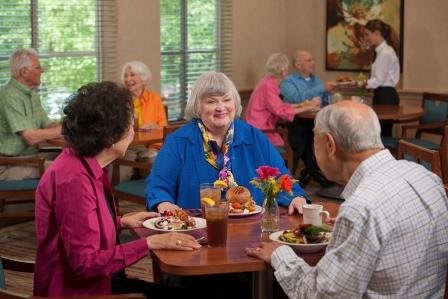
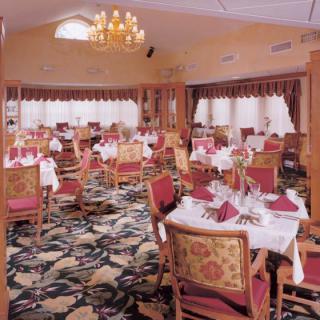
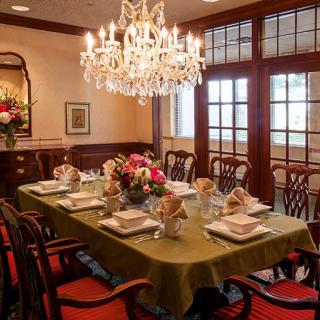
On the positive side, reviewers mention good food variety and restaurant-style dining setups, including multiple dining options. Others describe problems like meals being cold or food quality being poor. Several comments connect dining to resident experience, including dietary flexibility themes such as special diets.
common
Activities and amenities drive daily life
Residents describe a full calendar of activities and on-site conveniences.
Reviewers frequently highlight the range of activities, including classes, excursions, religious or devotional programming, and entertainment. Many also mention conveniences that make everyday life easier, such as salons and fitness options. A few reviews add context that the community is very large and that getting around can mean relying on buses or shuttles depending on where you are.
caveat
Care transitions can be challenging
Some reviews raise concerns about responsiveness and care continuity.
Several reviewers say the care team helps with needed support, coordination, and maintaining safety, including when residents transition to higher levels of care. Other reviews, especially those describing rehabilitation or continuing care, complain about delayed call-light response, short staffing, or inadequate follow-through. A few families also describe concerns around communication, which can make transitions feel harder even when residents are in the right setting for their needs.
caveat
Costs and contracts come up often
Pricing and contract terms are a major focus in resident and family feedback.
Some reviewers describe the community as expensive and point to frequent fee increases or concerns about how pricing works over time. Others raise issues related to overcharges for services or the contract and reimbursement experience, including deposit/escrow and refund-related concerns. While the reviews discuss concerns, the pricing summary also indicates very large price differences by unit type versus county and state benchmarks.
How we summarize
We summarize when many written reviews mention each theme; a review can touch several themes, and only frequently mentioned themes are displayed.
Features
Housing
96 resident community capacity
1-bedroom apartments
2-bedroom apartments
Detached homes
Studio apartments
Types of Care
Assisted Living
Continuing Care Retirement Community (CCRC)
Independent Living
Skilled Nursing Facility
Pets
Cats allowed
Dogs allowed
Amenities
Activities off-site
Activities on-site
Air-conditioning
Bath tubs
Beautician on-site
Beauty salon
Cable or satellite TV
Computer center
Devotional services off-site
Devotional services on-site
Dining room
Fitness room
Full kitchen
Fully furnished
Gaming room
Garden
Ground floor units
Guasts at mealtime
Housekeeping services
Indoor common areas
Kitchenette
Move-in coordination
Outdoor common areas
Outdoor space
Overnight guests
Private bathrooms
Resident parking
Respite or short term stays offered
Restaurant-style dining
Security gate
Small library
Swimming pool
Swimming pool / hot tub
Telephone
Wellness center
Wheelchair accessible showers
Wi-Fi/high-speed internet available
Transportation
Community operated transportation
Transportation & parking
Transportation arrangement
Transportation arrangement (non-medical)
Care Services
12-16 hour nursing
24-hour call system
24-hour supervision
Activities of daily living assistance
Assistance with bathing
Assistance with dressing
Assistance with transfers
Coordination with health care providers
Diabetes diet
Diabetic care
High acuity care
Hospice waiver
Incontinence care
Meal preparation and service
Medication management
Mental wellness program
Special dietary restrictions
Transportation arrangement (medical)
Transportation to doctors appointments
Dining
Diabetes diet
Meals provided
Special dietary restrictions
Activities
Activities off-site
Activities on-site
Community-sponsored activities
Concierge services
Devotional activities offsite
Devotional activities on-site
Fitness programs
Planned day trips
Religious services
Resident-run activities
Scheduled daily activities
Languages Spoken
English
Nearby Places of Interest
This part of Tinton Falls, New Jersey offers a convenient location with easy access to various amenities such as pharmacies, restaurants, physicians' offices, cafes, hospitals, parks, places of worship, transportation options, and a movie theater. With multiple pharmacies and medical facilities in close proximity, including Coastal Ear, Nose & Throat and Monmouth Cardiology Associates, residents have access to quality healthcare services. There are also plenty of dining options nearby, from fast-food chains like McDonald's to local favorites like Pete & Elda's Bar/Carmen's Pizzeria. Parks like Joe Palaia Park and Fletcher Lake Park offer opportunities for outdoor recreation. Transportation is easily accessible with Asbury Park Station and NJT - Long Branch Station nearby. Overall, this area provides a convenient and well-rounded environment for senior living.
Pharmacies
CVS Pharmacy (0.5 miles)
Walgreens (0.8 miles)
CVS Pharmacy (2.6 miles)
Walgreens (3.1 miles)
Walgreens (3.2 miles)
Walgreens (4.1 miles)
Rite Aid (4.1 miles)
Restaurants
McDonald's (0.8 miles)
Pete & Elda's Bar / Carmen's Pizzeria (4 miles)
McDonald's (4.1 miles)
The Buttered Biscuit (4.2 miles)
Asbury Ale House (4.3 miles)
Asbury Festhalle & Biergarten (4.3 miles)
Days Ice Cream (4.5 miles)
Physicians
Coastal Ear, Nose & Throat (1.7 miles)
University Radiology Group (3 miles)
Meridian Rehabilitation at Neptune (3 miles)
Atlantic Allergy Asthma & Immunology (3 miles)
American Heart Center (3.2 miles)
Reproductive Science Center Of NJ Pa (3.4 miles)
Monmouth Cardiology Associates (3.6 miles)
Cafes
Starbucks (2.3 miles)
Rook Coffee (3.2 miles)
Booskerdoo Coffee & Baking Co. (4.1 miles)
Rook Coffee (4.5 miles)
Rook Coffee (5.7 miles)
The Baked Bear (7.2 miles)
Green Planet Coffee Co. (7.8 miles)
Hospitals
Hackensack Meridian Health Jersey Shore University Medical Center (3 miles)
Seabrook offers a compelling value proposition when compared to both Monmouth County and the broader New Jersey market. For instance, while the average cost of a private room in Seabrook stands at $3,500, residents benefit from significant savings compared to the county's average of $6,528 and the state's average of $5,799. Similarly, for studio accommodations priced at $5,019, Seabrook remains competitive against Monmouth County's rate of $5,738 and New Jersey's overall average of $5,286. Notably impressive are the 1-bedroom and 2-bedroom options; however, it is important to highlight that their listing prices appear as placeholders - $99,999 - which may warrant further investigation into availability or specific conditions tied to these listings. Overall, Seabrook presents an attractive alternative for those seeking quality living arrangements without the higher price tag commonly found in surrounding areas.
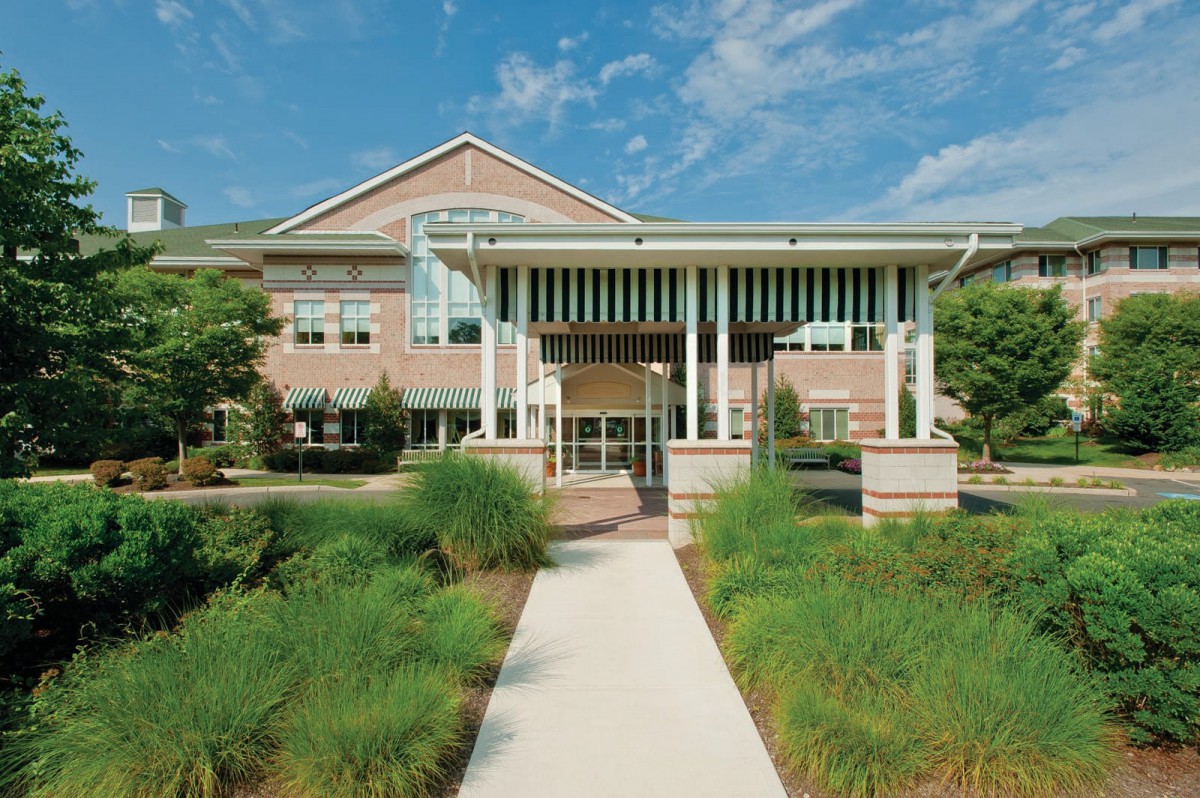
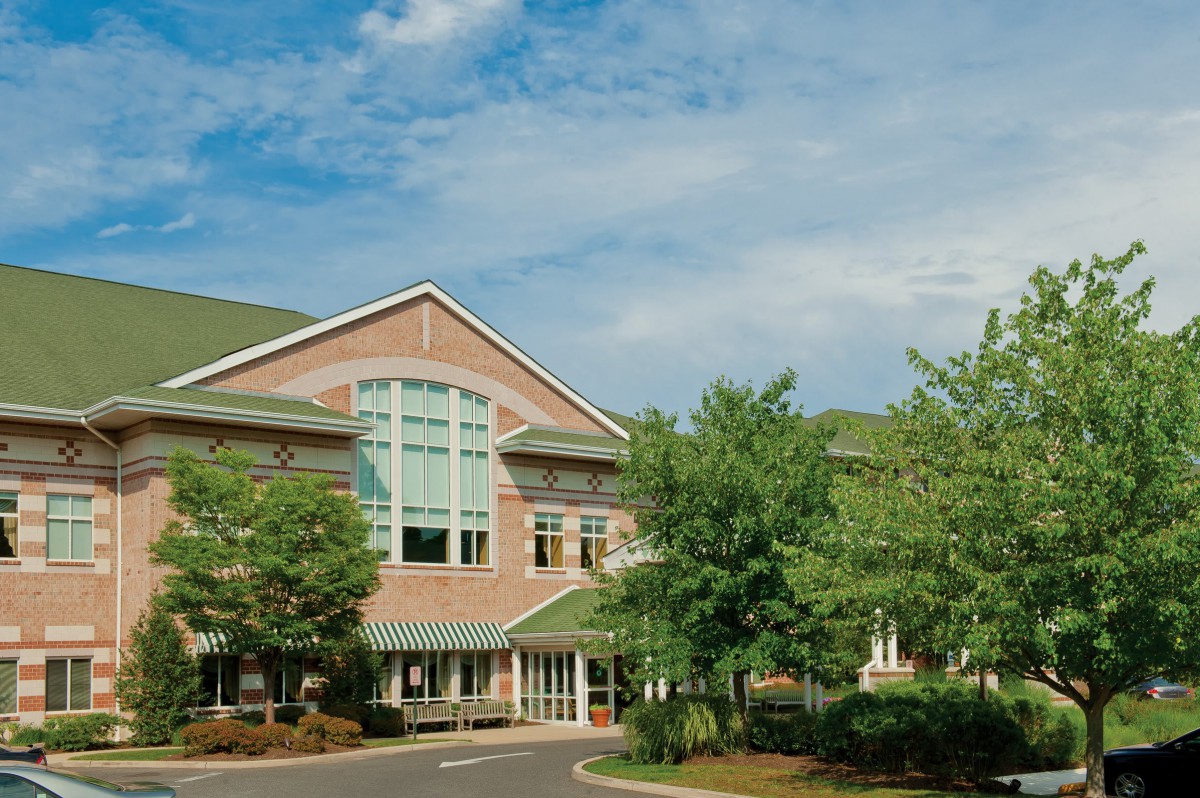
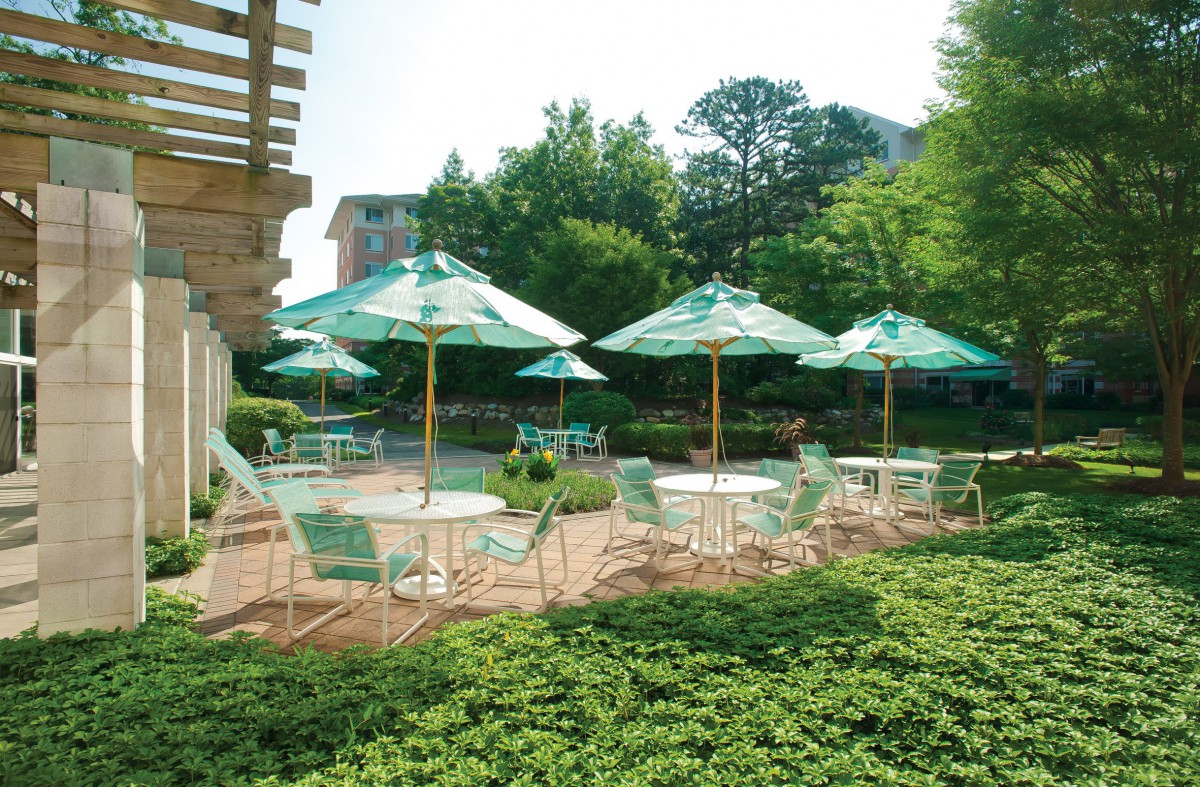
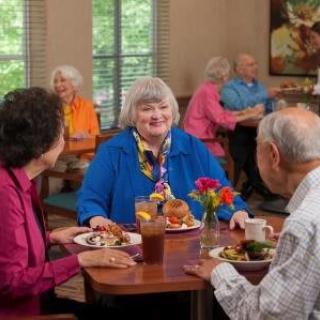
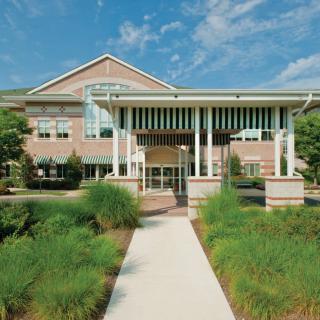
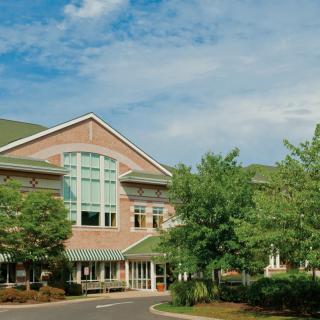
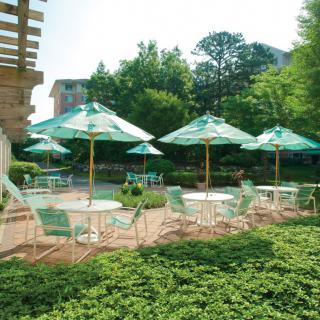
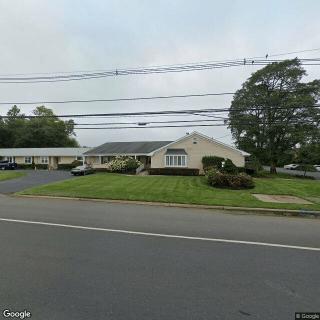
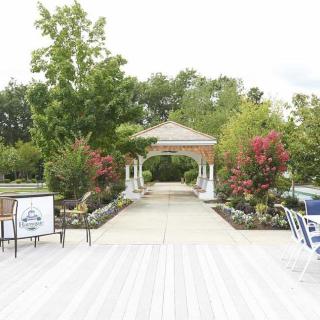
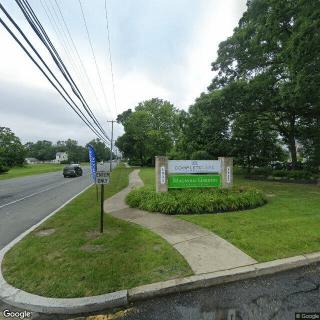
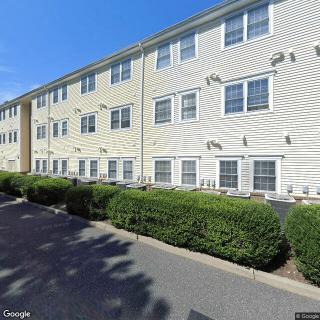
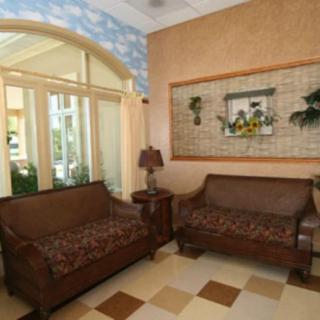
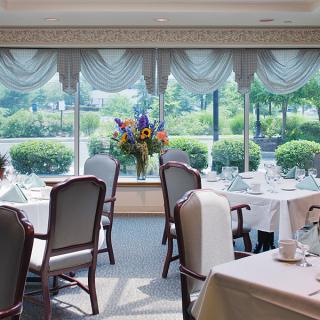
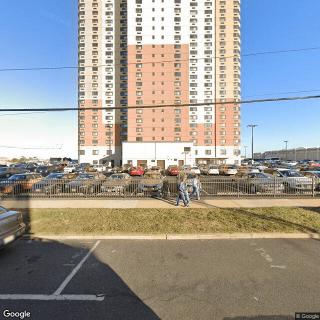
Seabrook on seniors.fyi includes 6 photos including images showing landscaping, dining, building, architecture, outdoor seating, umbrellas, swimming pool, library, and more.
Nearby Communities
Continuing Care At Seabrook
Tinton Falls, NJ
4.1 from 84 reviews
The Pines at Tinton Falls
Tinton Falls, NJ
3.1 from 18 reviews
Promised amenities and fitness center; smoke-free option; some management responsiveness.
Atria Tinton Falls
Tinton Falls, NJ
4.5 from 145 reviews
$5,095 to $9,195 / month
Welcoming, well-maintained community with kind staff and engaging activities.
Imperial Care Center - Neptune
Neptune, NJ
4.6 from 113 reviews
Attentive, caring staff with good meals and engaging activities in a welcoming, home-like setting.
Wardell Gardens At Tinton Falls
Tinton Falls, NJ
Extensive on-site amenities and around-the-clock care (dining, fitness, beauty salon, transportation, mental wellness).
Wardell Gardens
Tinton Falls, NJ
5 from 1 review
Compassionate staff and a loving, safe environment.
Jersey Shore Center
Eatontown, NJ
4.1 from 111 reviews
Caring staff and engaging activities in a clean, welcoming environment.
Asbury Tower
Asbury Park, NJ
4.5 from 26 reviews
Beautiful building in a fantastic location with extensive amenities and engaging activities for independent living.
Arbor Terrace Shrewsbury
Tinton Falls, NJ
4.7 from 203 reviews
$5,910 to $7,330 / month
Well-maintained, welcoming community with responsive staff and engaging activities.
Assisted living provides moderate support for seniors seeking independence, while memory care offers specialized support for individuals with dementia or cognitive impairments through structured routines and trained staff. Key differences include care approaches, environment security measures, staff training levels, activity types, and cost considerations.
Assisted living communities offer diverse activities beyond traditional games to enhance seniors' physical health, cognitive well-being, emotional enrichment, and social connections, including fitness classes, creative expression, and intergenerational interactions. These enriching programs foster community bonds and support residents' independence and happiness.
The article differentiates between assisted living and memory care, explaining that assisted living supports seniors with daily activities while promoting independence, whereas memory care provides specialized services for individuals with dementia, focusing on secure environments and cognitive support. It also addresses staff training, safety considerations, costs, family involvement, and transition strategies for families navigating these care options.
Get PricingAsk A QuestionSchedule A TourContact Senior Advisor
By clicking submit, you agree to our Partner's Terms of Use. You
also consent to receive calls and texts, which may be autodialed, from our Partner. Your consent is not a condition to
using our Partner's service. Please visit our Partner's Privacy Policy for information about their privacy practices.





 96 resident community capacity
 1-bedroom apartments
 Detached homes
 Assisted Living
 Continuing Care Retirement Community (CCRC)
 Independent Living
 Skilled Nursing Facility
 Cats allowed
 Dogs allowed
 Activities off-site
 Air-conditioning
 Bath tubs
 Beautician on-site
 Cable or satellite TV
 Computer center
 Devotional services off-site
 Dining room
 Fitness room
 Full kitchen
 Fully furnished
 Gaming room
 Garden
 Ground floor units
 Housekeeping services
 Indoor common areas
 Move-in coordination
 Outdoor common areas
 Overnight guests
 Private bathrooms
 Resident parking
 Respite or short term stays offered
 Restaurant-style dining
 Security gate
 Small library
 Swimming pool
 Telephone
 Wellness center
 Wheelchair accessible showers
 Wi-Fi/high-speed internet available
 Community operated transportation
 12-16 hour nursing
 24-hour call system
 Assistance with bathing
 Assistance with dressing
 Assistance with transfers
 Diabetes diet
 Diabetic care
 High acuity care
 Hospice waiver
 Incontinence care
 Medication management
 Mental wellness program
 Special dietary restrictions
 Transportation arrangement (medical)
 Concierge services
 Planned day trips
 English
 Promised amenities and fitness center; smoke-free option; some management responsiveness.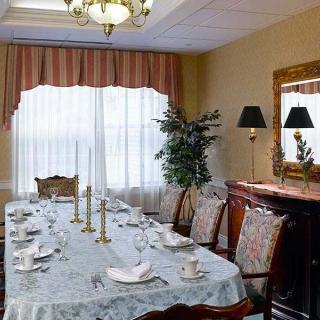
 Assisted Living and Memory Care: Understanding Their Core Differences
 Beyond the Bingo Hall: 50+ Enriching Activities for Seniors in Assisted Living
 Understanding the Distinctions: Assisted Living and Memory Care Explained