

231 High Street, Mount Holly, NJ 08060
To contact a resident: (855) 674-3627
For more information about senior living options: (866) 208-4318
Overall Review of Mobile Physicians Group
Pros
 Dr. Cavuto and Nurse Practitioner Nicole Carnival are attentive, caring, and compassionate.
- They always respond promptly and meet the needs of clients at every stage of life.
- They prioritize comfort and quality of life for hospice patients.
- Their staff communication is excellent, and they are highly recommended.
- Dr. Cavuto has a big heart and is warm and kind.
- They provide personalized care and are available after hours for emergencies.
Cons
 The doctor Carolyn Covuto is rude, dismissive and lacks empathy.
- They are money hungry and aren’t concerned about their patients.
- They don’t return calls, and you’re just stuck in medical situations which require attention.
- If they really cared, they would have an emergency number after hours.
- It’s a shame that a patient has to be taken to urgent care to get seen because they failed to address a situation prior to a holiday.
- She sends her nurse practitioner Ladonna Leath to see patients and they don’t give you an appointment for the next time you need to be seen.
- You’re not on a regular schedule; you have to get fit into their schedule like you’re not a priority.
- They lack care and concern.
- They are useless.
- They can’t be the only ones who provide these services.
- Dr. Cavuto is an AI robot with no heart.
- Go elsewhere if your loved one is sick.
- The office staff is nice, but Dr. Cavuto never returns phone calls or schedules routine visits.
- They will send refills for prescriptions without seeing the patient.
- SICKENING.
- Vile.
Review
This Mobile Physicians Group service in Mount Holly is best suited for seniors who need in-home medical visits with a strong emphasis on comfort, compassion, and end-of-life quality of life. It works best for residents of assisted living communities or families coordinating hospice-oriented care who value a clinician who will come to the residence, address symptoms promptly, and coordinate med management in a way that keeps the patient comfortable. When rehabilitation or complex chronic disease management relies on timely in-home access and a physician willing to engage with caregivers, this option is particularly advantageous. The strongest signal is personalized attention from a doctor who prioritizes the patient’s immediate comfort and dignity.
Those who should seriously consider alternatives are families whose top priorities include unwavering scheduling reliability, rapid return of phone calls, and crystal-clear after-hours protocols. If a consistent cadence of visits, predictable follow-up, and an easy, transparent line of communication with a dedicated office staff are non-negotiable, this service can feel unreliable. Several reviews flag irregular appointment patterns, missed calls, and a sense that routine needs are being “fit in” rather than preplanned. For patients who require a defined after-hours emergency process with a guaranteed contact method, other providers may offer more predictable coverage.
The core strengths lie in true clinician accessibility, genuine warmth, and a focus on comfort that often shines in hospice-related scenarios. Dr. Cavuto and the nurse practitioner are described as attentive, patient, and willing to extend care beyond the ordinary call schedule, with a strong emphasis on ensuring the patient’s well-being during active end-of-life stages. Several accounts highlight after-hours attention and a willingness to coordinate care with families and facilities, which can translate into meaningful reassurance for caregivers and residents when symptoms flare or when a care plan needs rapid adjustment. When the priority is a compassionate, hands-on medical presence that treats the person rather than the checklist, the positives are real and meaningful.
Yet the service must contend with significant consistency concerns that can overwhelm the benefits. Multiple reviews describe unreturned calls, delayed routine visits, and a perception that financial considerations shape care decisions rather than patient need. The sense of being deprioritized, having to “fit into” a schedule rather than a schedule being built around the patient, undermines trust, particularly in urgent situations where timely guidance is critical. Some families report a disconnect between the warmth of the bedside manner and the steadiness of the administrative follow-through, including communication gaps between the physician, nurse practitioners, and office staff. These gaps pose real risk if not actively mitigated.
Families evaluating this option should insist on clear, written guardrails before enrollment. Confirm who handles after-hours needs, what the after-hours contact process looks like, and the expected response time. Obtain a concrete visit cadence, and request a primary point of contact who will be the ongoing liaison for care plans and medication changes. Seek a documented plan for routine visits, emergency procedures, and coordination with any hospice teams or primary care providers. In locales where staffing variability is a factor, it pays to pilot the relationship with named expectations and to establish what constitutes an “urgent” visit and how it will be triaged.
Overall, this service is a practical and valuable choice for families prioritizing compassionate, person-centered in-home care with a hospice-friendly orientation. It succeeds when the goal is a clinician who will go the extra mile to ensure comfort and who can be accessible in meaningful ways for urgent needs. However, the upside is offset by concerns about consistency, timely communication, and perceived misalignment between empathy and operational reliability. If reliability and predictable communication are non-negotiable, alternatives should be explored or this service used as a well-planned supplement rather than the sole arrangement. Clear expectations, continuous follow-up, and a structured care plan are essential to making this option work.
 Trenton-Mercer County (19 miles away)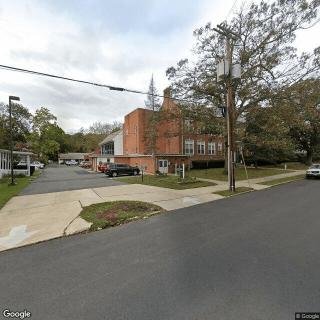




 Comprehensive Approaches for Arthritis: A Detailed Guide to Symptoms, Causes, and Care
 Comprehensive Insights and Practical Strategies to Help Older Adults Avoid Falls
 6 Crucial Ways an Elder Law Attorney Assists Families