

51 Washington St, Montclair, NJ 07042
To contact a resident: (973) 783-1400
For more information about senior living options: (866) 208-4318
Overall Review of Mother Seton Residence
Pros
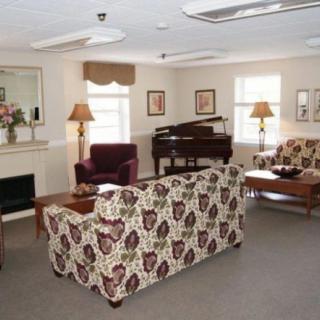
 The facility is described as homey, clean, and comfortable, not institutional.
- The staff are warm, kind, and compassionate, and residents are treated with respect and dignity.
- Families report peace of mind knowing their loved ones are in good, loving care.
- Residents receive personalized care, including home-cooked meals and regular doctor visits.
- The environment feels like a warm, comfortable home rather than a hospital setting.
- The facility is well managed with professional, caring, and dedicated staff.
- Residents form friendships and enjoy activities and holidays, bringing joy to everyday life.
- Caregivers and nurses are attentive and go the extra mile, supporting families through difficult times.
Cons
 The reviewer felt the only good thing about the place was its home-like appearance, while criticizing the irregular hours, lack of benefits (except vacation), and an old-fashioned atmosphere.
Review
Mother Seton Residence in Montclair is best suited for families seeking a small, home-like assisted living experience where care feels intimate, continuous, and personally tailored. This community shines for residents who value relationships with a steady caregiving team, where staff know daily routines, preferences, and histories. It is particularly well-matched for seniors navigating memory-adjustment challenges or advancing frailty, for whom peace of mind comes from daily kindness, individualized attention, and an environment that resembles a welcoming home rather than a clinical hub. Families craving transparent, hands-on involvement alongside caregivers will find this setting naturally reassuring, with a strong emphasis on comfort, dignity, and steady human connection.
Those weighing alternatives should consider options with larger campuses or more formalized clinical infrastructure. For residents who require intensive medical oversight, abundant rehabilitation services, or specialized memory-care programming on a grander scale, a bigger facility may offer greater breadth of services and structured activities. For families that prioritize robust on-site therapies, frequent nurse-led rounds, or highly scheduled programming throughout the day, a more expansive community could be a better fit. Additionally, if a resident or family seeks ultra-modern amenities, a broader social calendar, or a wider pool of specialized staff, a larger operator may deliver that complexity more consistently than a small, family-run house of care.
The strongest pros here are tightly aligned with the cons, producing a practical balance. The intimate, homey setting translates into remarkably personalized care: caregivers who greet residents by name, attend to daily needs with warmth, and treat every resident with respect and dignity. Residents often participate in light activities and seasonal celebrations, with meals described as home-cooked and satisfying. The small scale enables continuous staff presence, which fosters trust and reduces the sense of institutional ambiguity. Yet this same compact footprint can limit staffing flexibility and the breadth of medical or rehabilitative services available on demand. The risk is a slower ramp to higher-acuity needs, and some families may notice a less formal schedule or a vibe that feels old-fashioned compared with larger communities. When viewed through a practical lens, the warmth and attentiveness largely offset these constraints, especially for residents who thrive on daily familiarity.
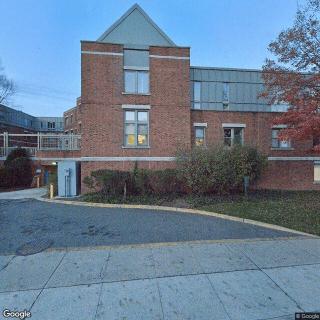
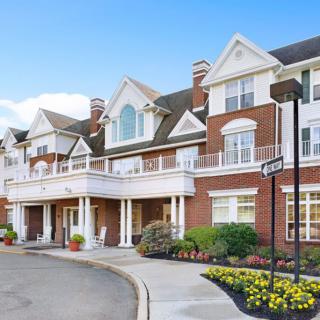
Environment matters as much as care, and the reviews consistently highlight a setting that feels like a true home. The property’s residential ambience, front porch, and quiet street location cultivate a calming, non-clinical rhythm. Staff members are repeatedly praised for their generosity, patience, and willingness to go beyond the basic duties, creating an atmosphere where families feel welcome and residents feel valued. The care team’s depth of compassion is reinforced by meaningful gestures, occasional barbecues, holiday decorations, craft projects, and the opportunity to watch birds on the porch, that collectively reinforce a sense of belonging. The strongest anecdotes center on the staff’s willingness to support families emotionally during difficult moments, including end-of-life care that was peaceful and patient, backed by leadership that remains hands-on and deeply involved.
Families consistently describe the caregiving team as the defining strength, with specific individuals cited as anchors. Names like Pat and Dolores, and the owner-manager’s hands-on presence, recur in testimonies as signs of a stable, accountable operation. This leadership translates into reliable daily rhythms, clear communication, and a willingness to adapt arrangements as needs shift. The positive experiences extend beyond care to family logistics: nurses visiting weekly, meals that feel nourishing, and a culture of treating residents as members of an extended family. The downside, when noted, points to the facility’s small size and its inherent limits in scale and amenities. Still, for those who prize continuity, emotional warmth, and a caregiving culture built on personal relationships, these factors strengthen the overall value proposition.
The decision calculus should emphasize fit over form. If the priority is a nurturing, home-like environment where caregivers become trusted family figures and end-of-life care is conducted with dignity and sensitivity, this community offers compelling advantages. Prospective families should verify current staffing ratios, the availability of 24/7 nursing oversight, and how medical needs are coordinated, especially if dementia or complex conditions are present. It is wise to tour with a checklist focused on daily routines, meal quality, activity variety, and opportunities for family participation in care planning. Ask about how transitions are managed if a resident’s medical needs intensify, and whether hospital transfers or on-site therapies can be arranged smoothly. For those who can embrace a small, intimate model, the pay-off is clear: high-touch care, genuine warmth, and a sense that the resident’s home remains the central goal. For residents who crave a broader service ecosystem, a larger, more resource-rich community may be the prudent path. In short, this option becomes the clear recommendation for families prioritizing personal attention, consistent relationships, and a peaceful, homelike day-to-day experience.
 Board and Care Home
 Newark International (8 miles away)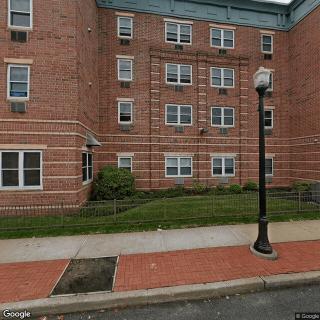


 Understanding the Full Cost of 24/7 In-Home Care: A Detailed Overview
 Exploring the World of Home Health Nurses: Qualifications, Roles, and Hiring Tips
 Navigating Medicare Coverage for In-Home Care Services