For more information about senior living options: (866) 208-4318
4.2 from 96 reviews
5 stars
55
4 stars
25
3 stars
8
2 stars
0
1 stars
8
Brighton Gardens of West Orange Costs & Pricing
Brighton Gardens of West Orange offers a range of room types at competitive pricing relative to Essex County and the broader state of New Jersey. For a semi-private room, the monthly cost is $4,500, which is higher than the county average of $3,966 but notably lower than the state average of $5,068. In terms of two-bedroom accommodations, Brighton Gardens charges $5,550, which undercuts both Essex County's and New Jersey's averages of $6,132 and $6,216 respectively. The one-bedroom option at Brighton Gardens is priced at $6,840 - higher than Essex County's average of $5,306 yet still competitive compared to the state's average of $5,994. The studio apartments are offered at $7,290, which exceeds both county ($4,607) and state ($5,286) averages significantly. Overall, while some options reflect a premium compared to local benchmarks, others deliver cost-effective solutions for residents seeking community living in this vibrant area.
Floor plans
Brighton Gardens of West Orange
Essex County
New Jersey
Semi-Private
$4,500
$3,966
$5,068
2 Bedrooms
$5,550
$6,132
$6,216
1 Bedroom
$6,840
$5,306
$5,994
Studio
$7,290
$4,607
$5,286
Memory care communities with a similar price nearby
from +$227 / mo
Merry Heart Assisted Living, LLC
4.7 from 12 reviews
$4,727 to $7,716 / month
20.6 miles away
from -$200 / mo
Arbor Terrace Morris Plains
4.8 from 121 reviews
$4,300 to $9,460 / month
11.8 miles away
from -$210 / mo
Brandywine Assisted Living at Middlebrook Crossing
Residents and families repeatedly describe staff as caring, attentive, and easy to reach.
A recurring theme is how supported families feel because staff members are described as kind, communicative, and available with updates. Several reviewers mention nurses or care team members helping residents settle in and responding when questions come up. A smaller set of reviews raises concerns about medical follow-through and communication, including cases where family members felt they had to push to get timely help.
common18 reviews mention this
Activities keep residents engaged
Many residents are kept busy with regular, varied activities.
Multiple reviews highlight busy daily programming, including outings, exercise, and live entertainment, with residents participating and families getting updates. Some reviewers also mention online access to schedules and menus, which helps them feel informed about what’s happening. A few comments suggest the variety or amount of activities could be improved, especially at certain times when it’s harder to get out.
differentiator16 reviews mention this
Restaurant-style dining with mixed feedback
Dining is a clear focus, with residents mentioning both strong favorites and disappointments.
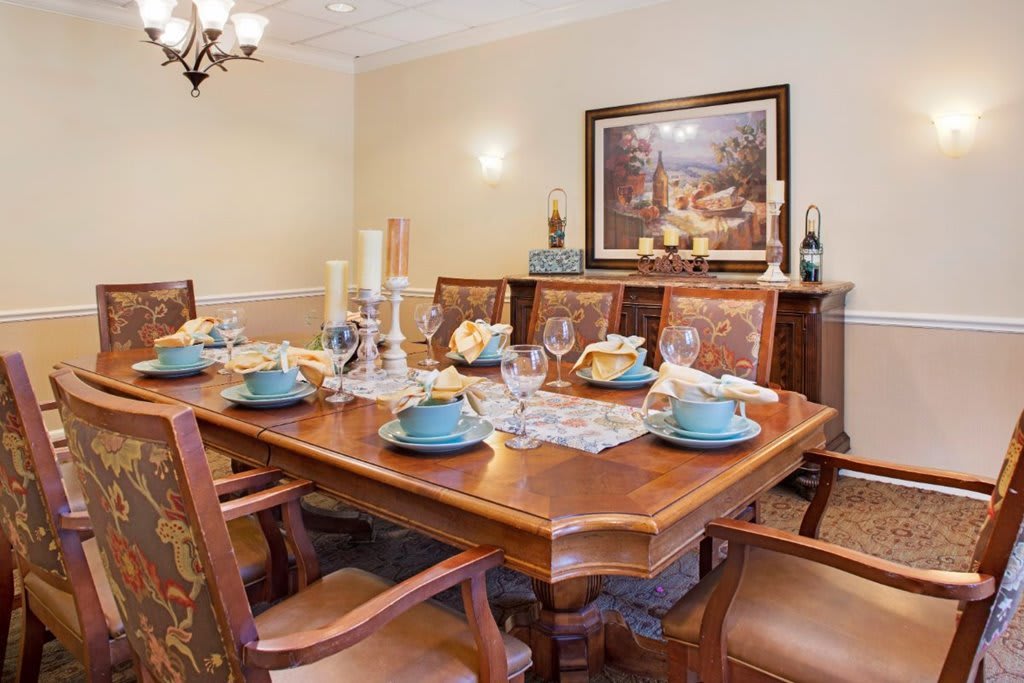
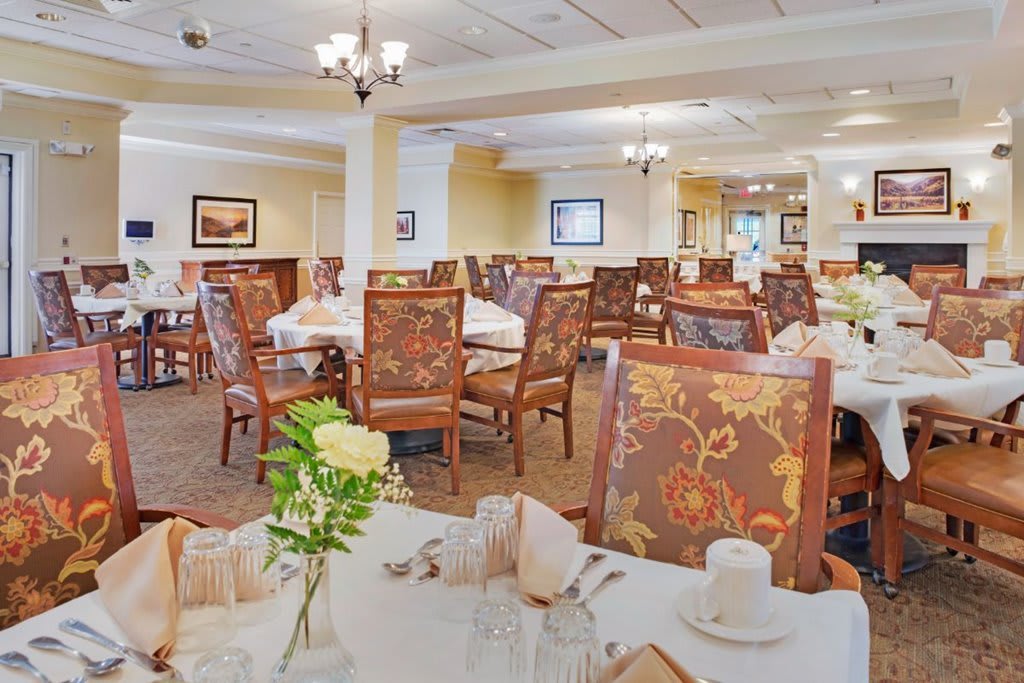
On the positive side, residents and families describe meals as delicious or satisfying, including special attention for dietary needs like gluten-free and low-sodium options. Reviews also mention a restaurant-style dining setup and a dining room that feels pleasant. Other reviewers are much less satisfied, describing meals as bland, inconsistent, or even inedible, and some call out frequent service of the same items or difficulty keeping residents engaged around meals.
caveat7 reviews mention this
Cost can add up quickly
Pricing is a frequent concern, especially when care needs increase.
Several reviews describe the community as expensive, with some comparing the cost to what they expected to receive. One reviewer specifically points to an extra monthly charge for assistance with taking a shower, which they found problematic. Despite the praise for care and amenities, a number of comments return to affordability as a key factor in their recommendation.
caveat6 reviews mention this
Medical communication varies
Medical coordination and medication-related communication are not consistently described as proactive.
Some families praise nursing support and describe staff as professional, available, and focused on wellness. Others, however, report frustration when responses about medical or prescription questions weren’t as helpful as expected, or when they felt they needed to monitor care more closely. A few reviewers also raise concerns about how quickly staff acted in urgent moments and whether families received timely updates.
How we summarize
Counts show how many written reviews mention each theme; a review can touch several themes, and only frequently mentioned themes are displayed.
Features
Housing
1-bedroom apartments
2-bedroom apartments
Studio apartments
Types of Care
Assisted Living
Memory Care
Pets
Cats allowed
Dogs allowed
Amenities
Activities off-site
Activities on-site
Air-conditioning
Beautician on-site
Cable or satellite TV
Devotional services off-site
Devotional services on-site
Dining room
Financing advice
Ground floor units
Handicap accessible
Housekeeping services
Indoor common areas
Kitchenette
Laundry
Outdoor common areas
Respite or short term stays offered
VA Benefits Consultation
Transportation
Newark International (10 miles away)
LaGuardia (20 miles away)
Transportation & parking
Care Services
Diabetic care
High acuity care
Incontinence care
Medication management
Dining
Gluten-free
Guest meals
Low / no sodium
Meals provided
No Sugar
Professional chef
Restaurant style dining
Special dining programs
Activities
Activities off-site
Art classes
Catholic services
Day trips and outings
Devotional activities offsite
Devotional activities on-site
Educational speakers / life long learning
Fitness programs
Happy hour
Jewish services
Live dance or theater performances
Live musical performances
Live well programs
Religious services
Languages Spoken
English
Nearby Places of Interest
Located in West Orange, New Jersey, this particular area offers a variety of amenities and services that cater to the needs of seniors. With multiple physicians' offices, pharmacies, and hospitals within a short distance, residents have access to quality medical care. There are also several parks nearby, providing opportunities for outdoor recreation and relaxation. Additionally, a selection of cafes and restaurants offer dining options for those looking to enjoy a meal out. For entertainment, there are theaters within a few miles of the area. Places of worship are also readily available for those seeking spiritual fulfillment. Transportation options include train stations for easy access to other parts of New Jersey. Overall, this part of West Orange provides convenience and comfort for senior living.
Physicians
Women First Health Center (0.7 miles)
Care Station Medical Group (1.8 miles)
Summit Medical Group (1.8 miles)
Summit Medical Group (2 miles)
Summit Medical Group (4.6 miles)
Retina Associates of New Jersey PA (7.2 miles)
Summit Medical Group (7.4 miles)
Restaurants
Mayfair Farms Banquet Facilities (0.8 miles)
Faubourg (1.8 miles)
Cloverleaf Tavern (2.1 miles)
Egan & Sons (2.2 miles)
Mercado Cafe & Kitchen (2.9 miles)
Taco Bell (3 miles)
McDonald's (3.3 miles)
Pharmacies
CVS Pharmacy (1 miles)
CVS Pharmacy (2.4 miles)
CVS Pharmacy (2.4 miles)
CVS Pharmacy (2.5 miles)
CVS Pharmacy (2.9 miles)
Walgreens (3.2 miles)
CVS Pharmacy (3.6 miles)
Parks
Degnan Memorial Park (1.1 miles)
Eagle Rock Reservation (1.7 miles)
South Mountain Reservation (2.1 miles)
Edgemont Memorial Park (2.3 miles)
Anderson Park (2.9 miles)
Orange Park Nj (4.3 miles)
Milo S. Borden Park (6 miles)
Cafes
Panera Bread (1.7 miles)
Paper Plane Coffee Co. (2 miles)
Starbucks (2.9 miles)
Starbucks (4.7 miles)
Panera Bread (4.9 miles)
Panera Bread (6.1 miles)
Starbucks (6.2 miles)
Transportation
NJT - Watchung Station (2.6 miles)
NJT - Brick Church Station (4 miles)
East Orange Station (4.5 miles)
NJT - Maplewood Station (6.1 miles)
NJT - Millburn Station (6.9 miles)
NJT - Short Hills Station (7.3 miles)
Newark Penn Station (7.4 miles)
Hospitals
Saint Barnabas Medical Center (4.6 miles)
St Joseph's Regional Medical Center (7.5 miles)
Theaters
Cinemark (4.9 miles)
AMC Clifton Commons 16 (6 miles)
AMC East Hanover 12 (6.7 miles)
Places of Worship
Morrow Memorial United Methodist Church (6.2 miles)
Brighton Gardens of West Orange offers a range of room types at competitive pricing relative to Essex County and the broader state of New Jersey. For a semi-private room, the monthly cost is $4,500, which is higher than the county average of $3,966 but notably lower than the state average of $5,068. In terms of two-bedroom accommodations, Brighton Gardens charges $5,550, which undercuts both Essex County's and New Jersey's averages of $6,132 and $6,216 respectively. The one-bedroom option at Brighton Gardens is priced at $6,840 - higher than Essex County's average of $5,306 yet still competitive compared to the state's average of $5,994. The studio apartments are offered at $7,290, which exceeds both county ($4,607) and state ($5,286) averages significantly. Overall, while some options reflect a premium compared to local benchmarks, others deliver cost-effective solutions for residents seeking community living in this vibrant area.
Brighton Gardens of West Orange offers comprehensive medication management to ensure that residents receive the correct dosages at appropriate times, which is crucial for those with dementia or Alzheimer's who may struggle with memory and organization. This tailored approach helps minimize the risk of medication errors, thereby enhancing overall health and well-being. Additionally, incontinence care is thoughtfully integrated into the daily routines of residents, addressing a common challenge faced by individuals with memory impairments. By providing discreet and compassionate assistance, staff can alleviate discomfort and anxiety associated with incontinence, fostering a more dignified living experience while allowing residents to focus on social engagement and cognitive activities rather than personal concerns. Together, these features create an environment that supports both physical health and emotional comfort for individuals navigating the complexities of memory loss.
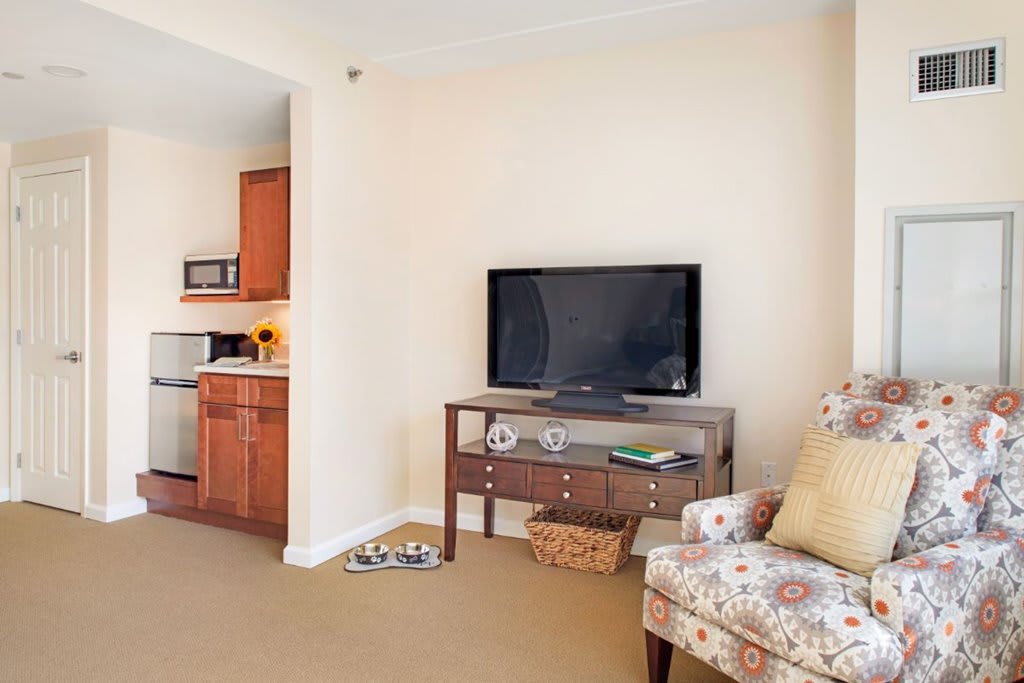
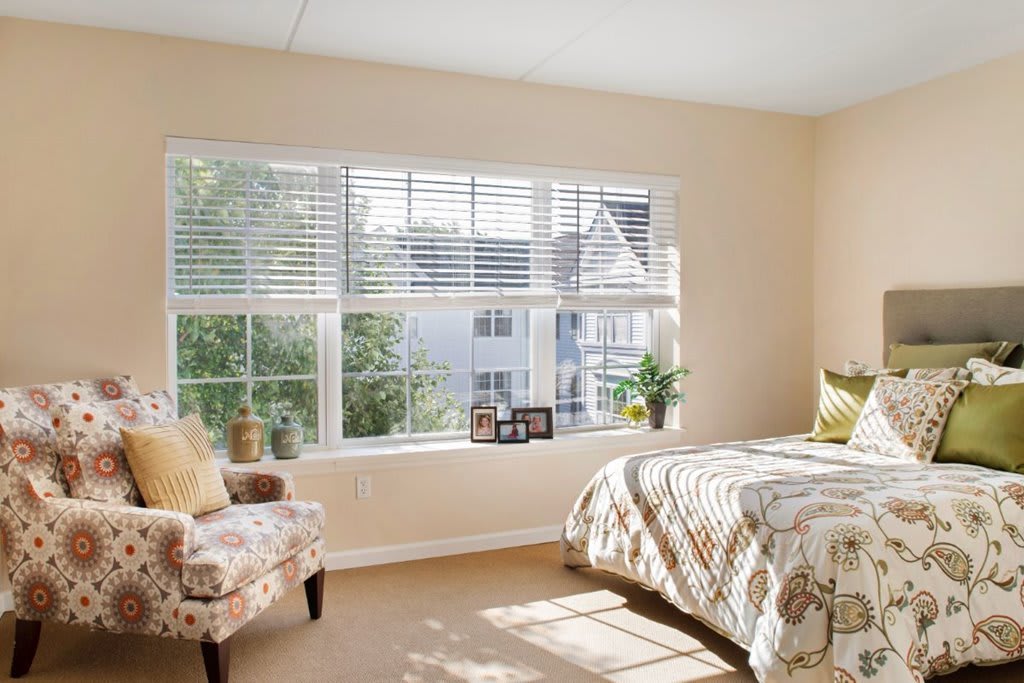
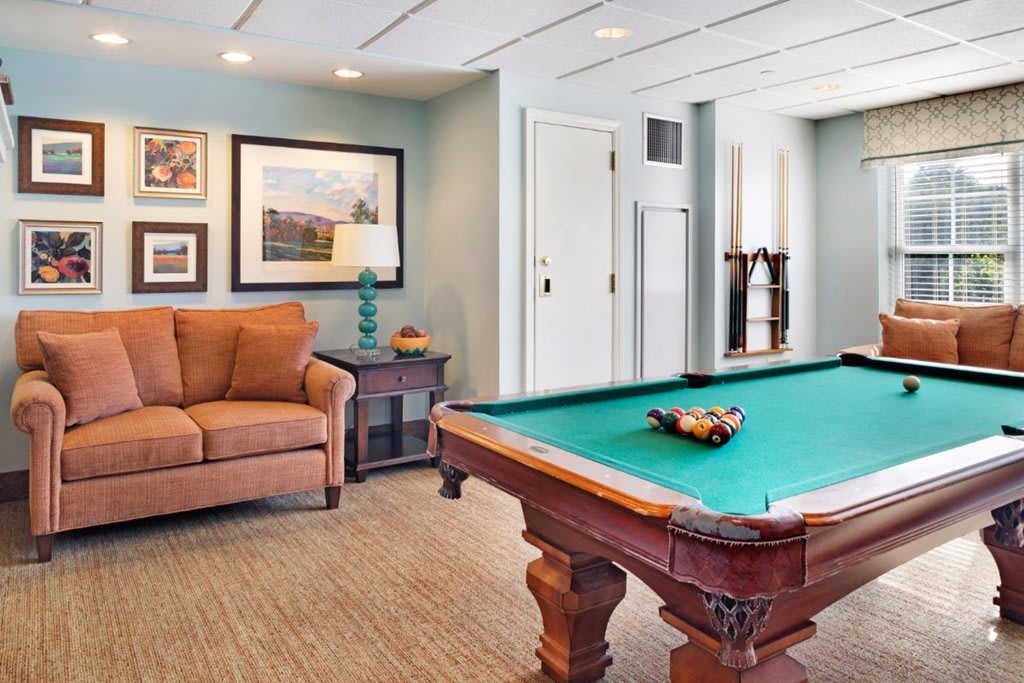
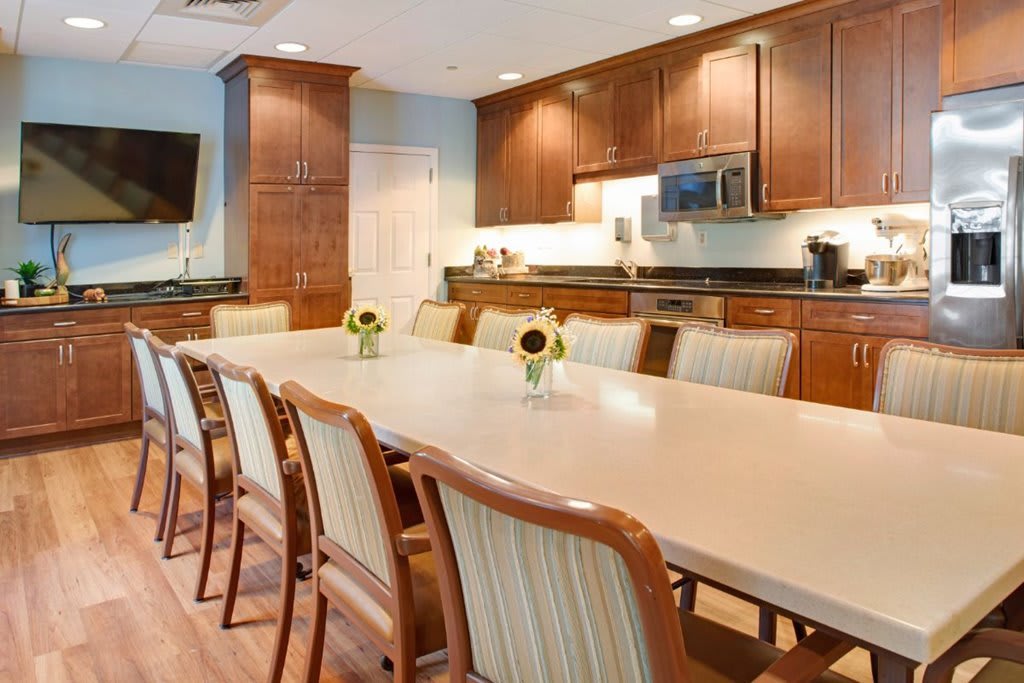
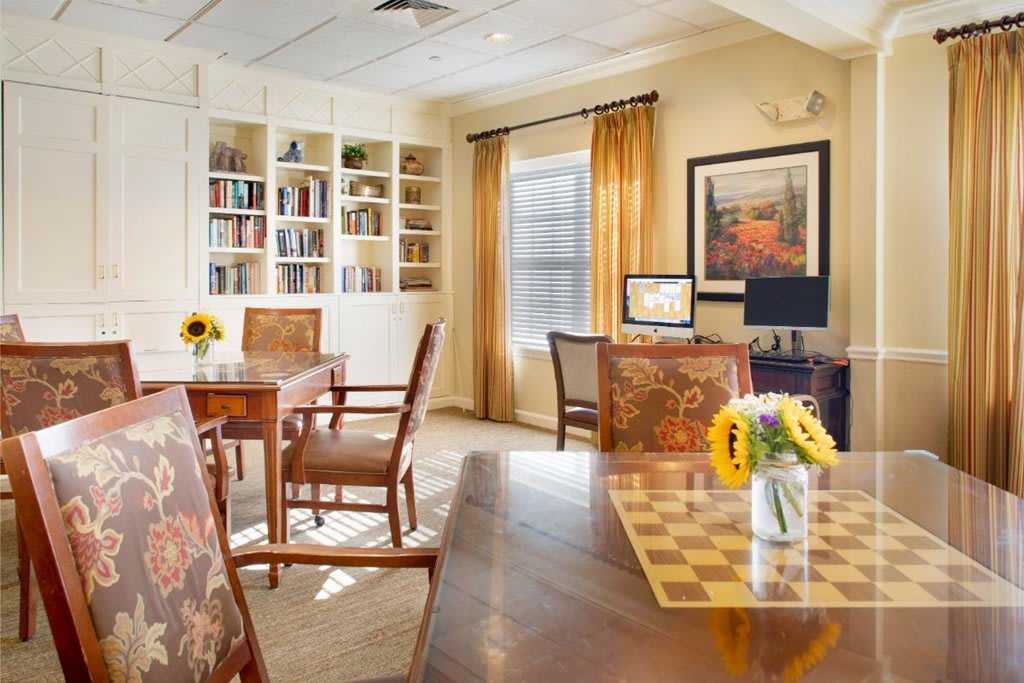
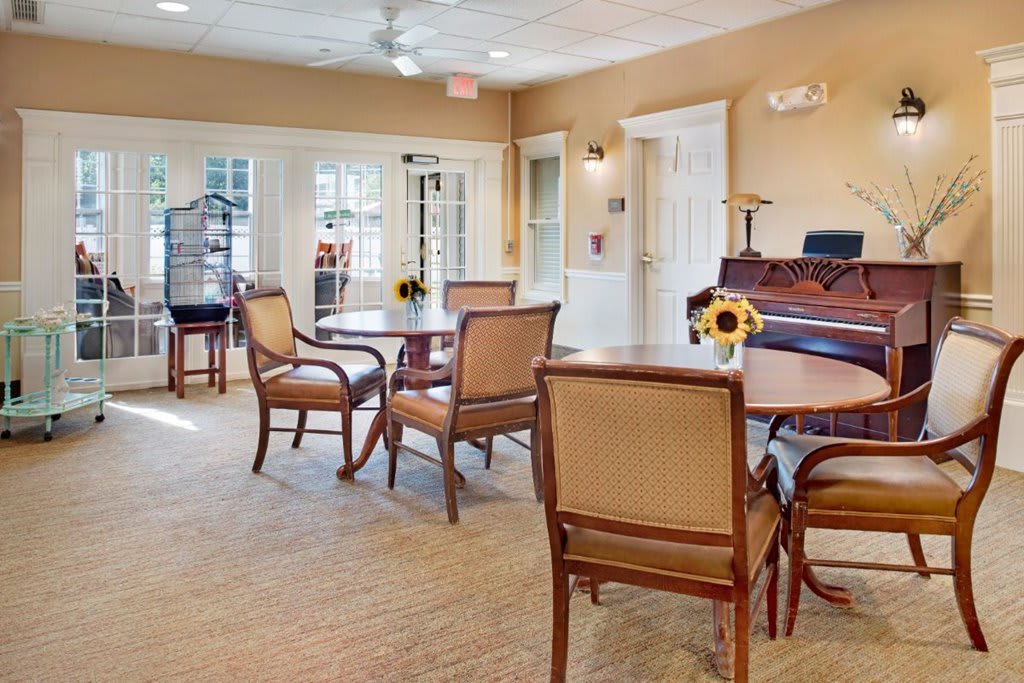
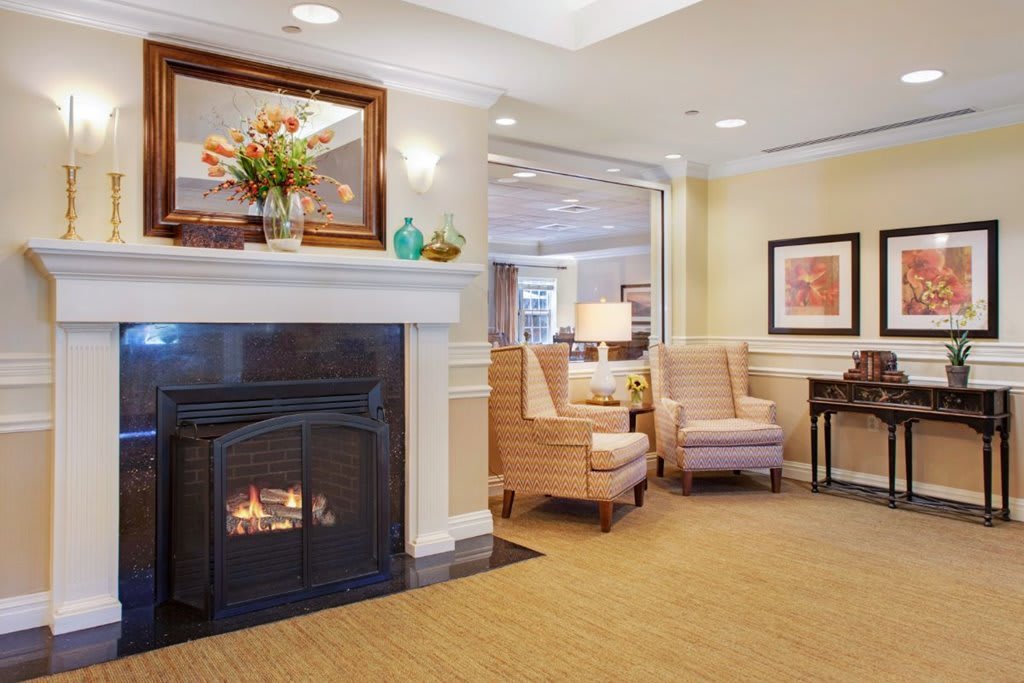
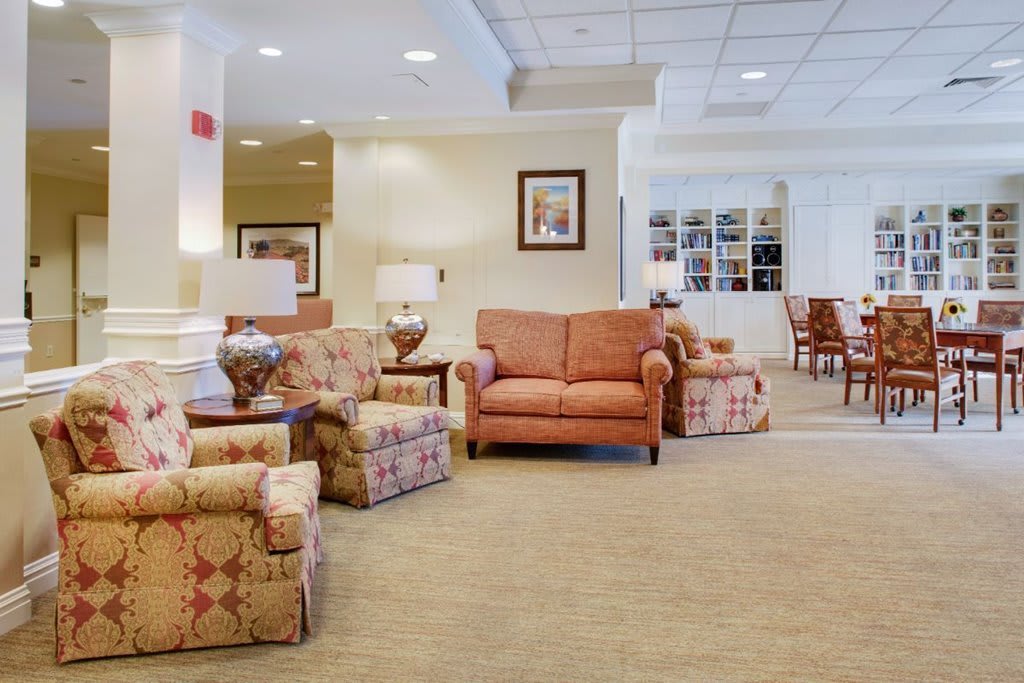
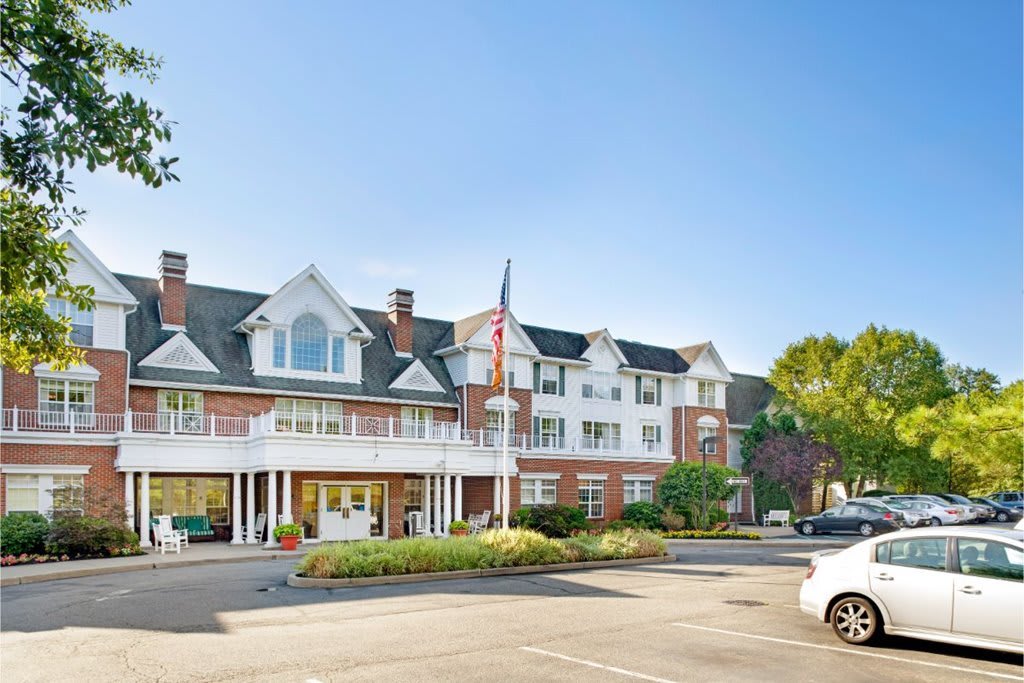
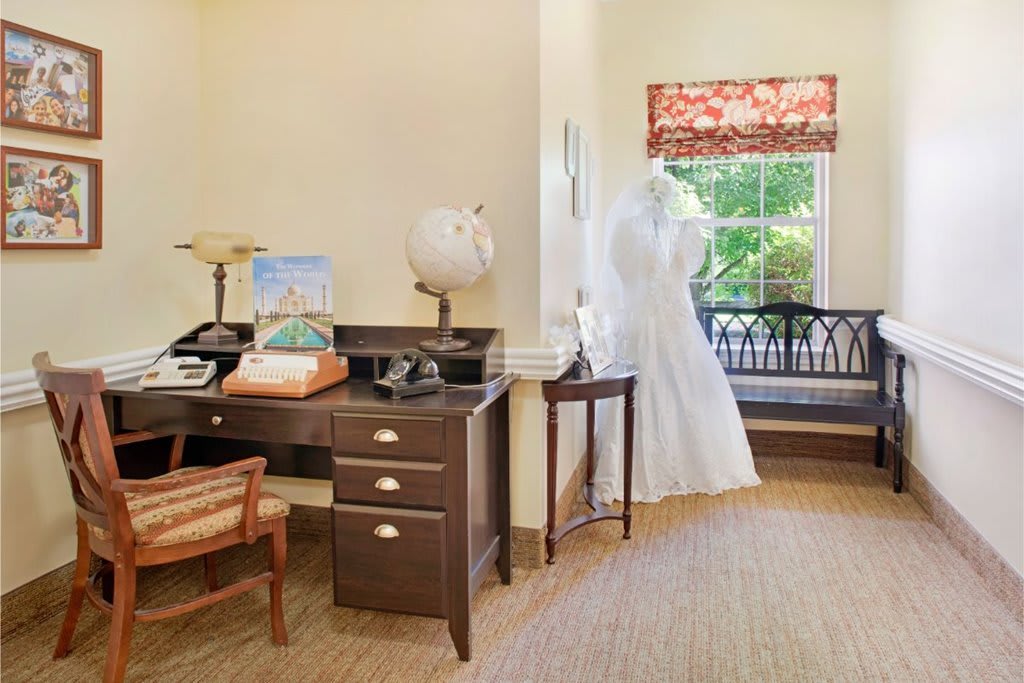
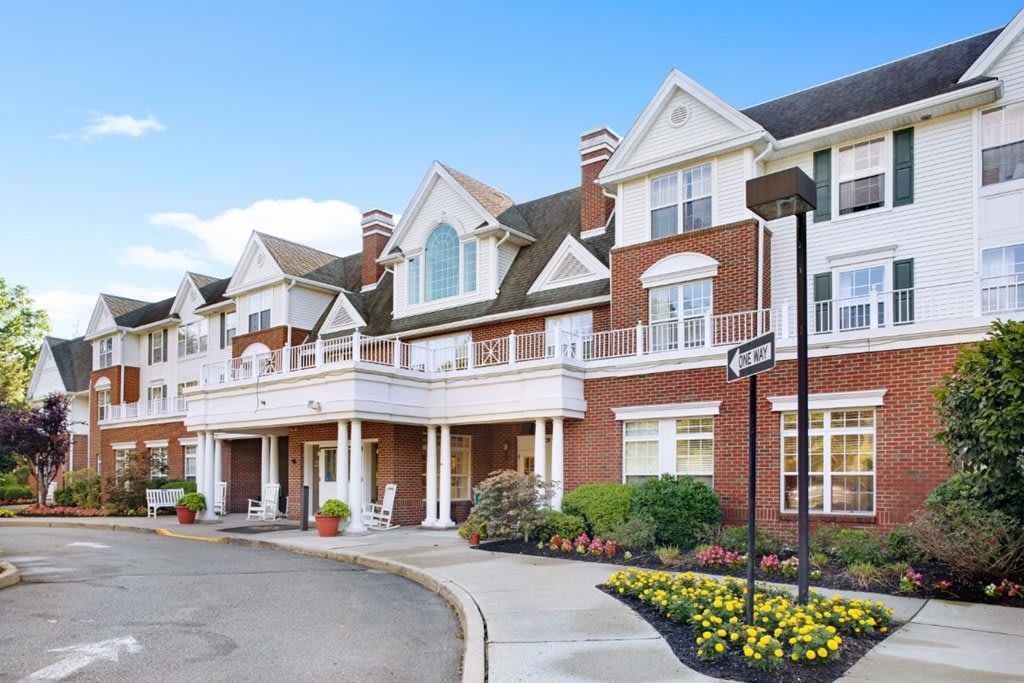
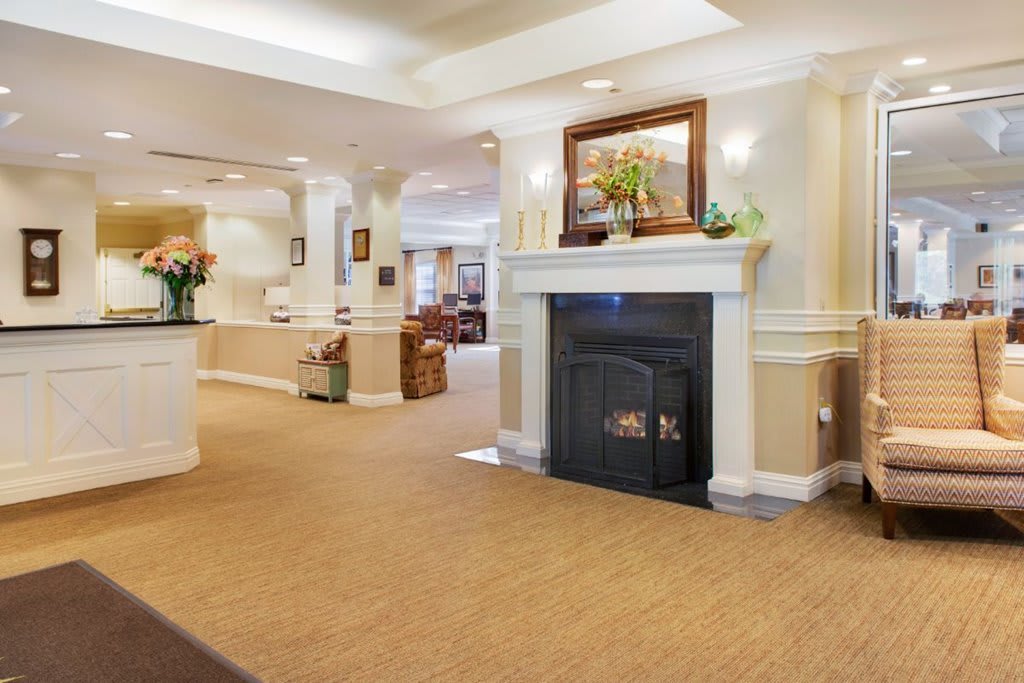
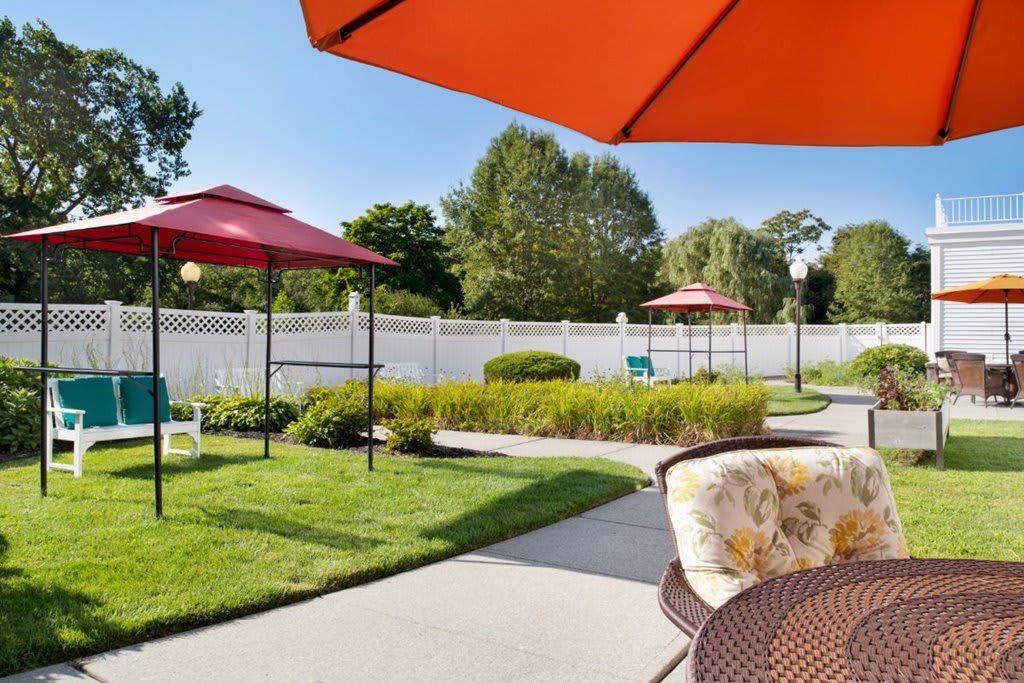
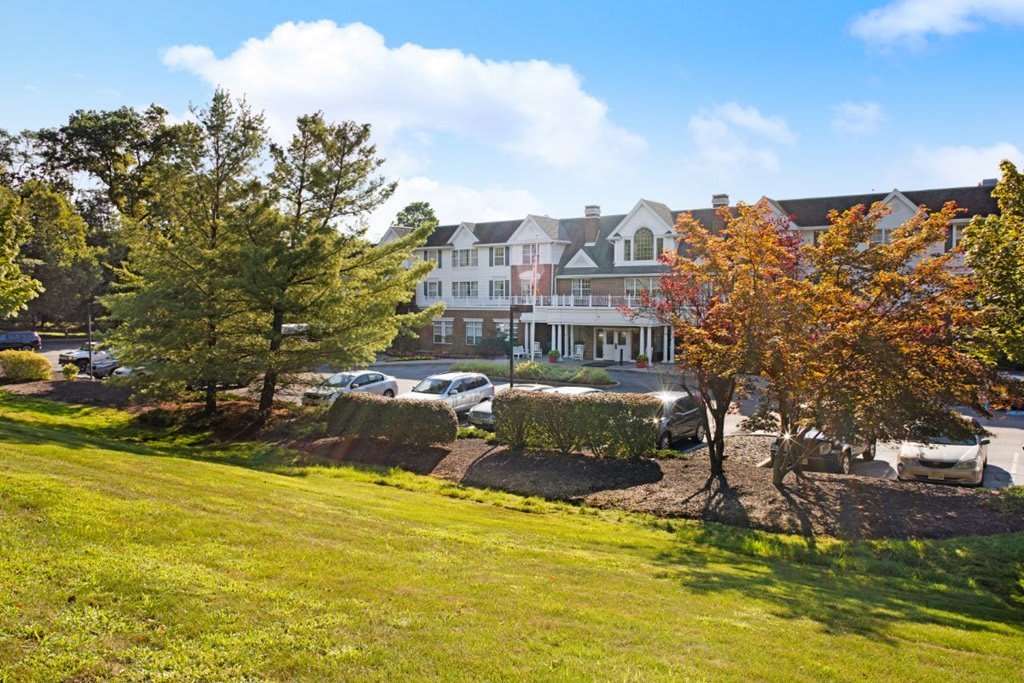
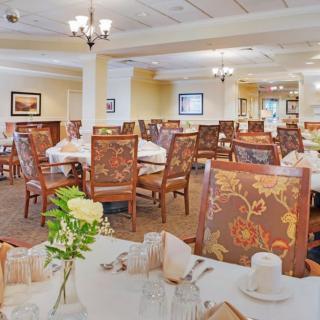
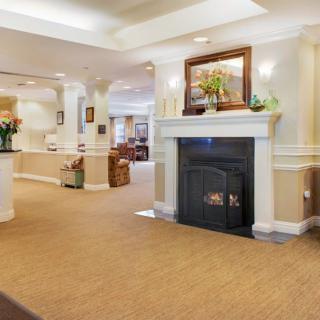
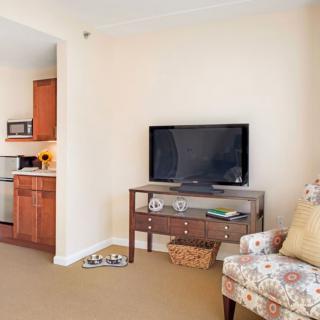
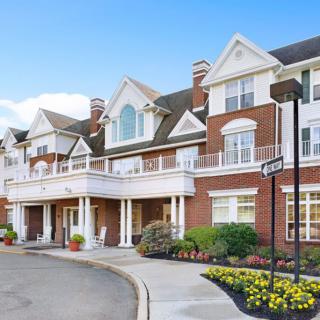
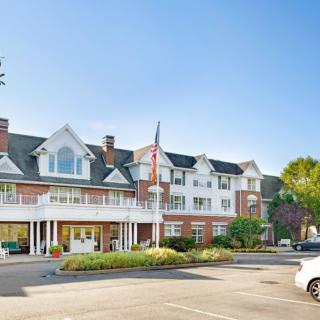
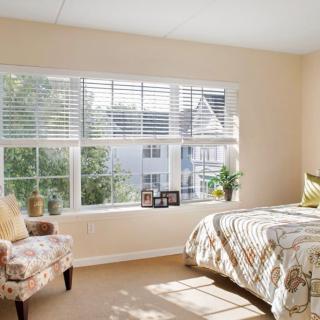
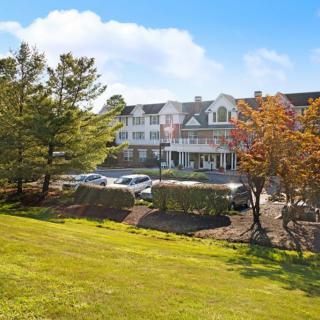
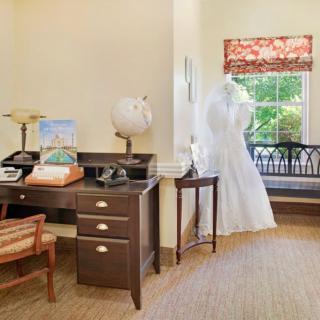
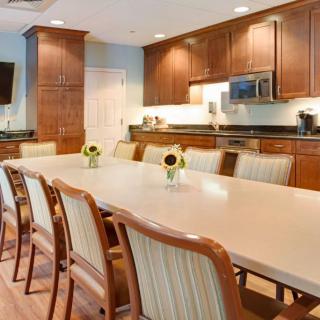
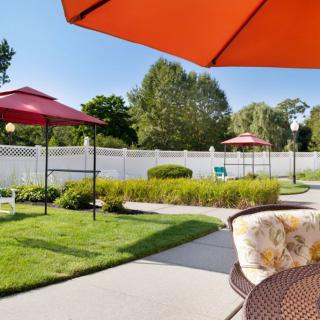
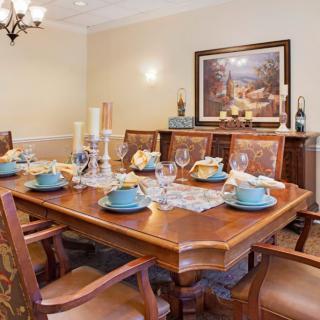
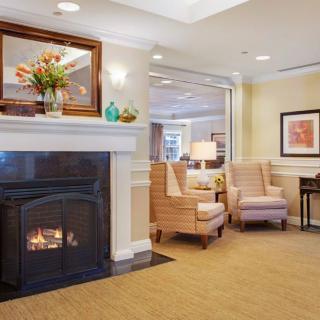
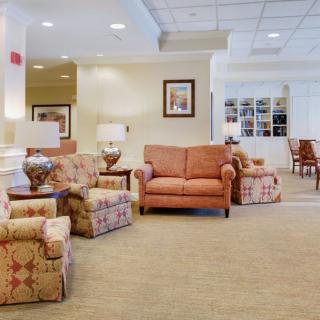
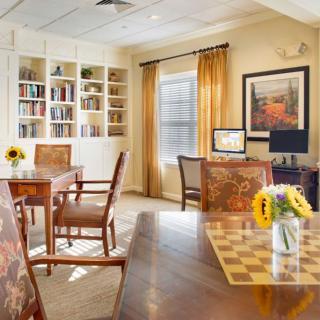
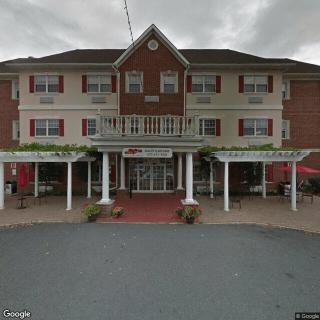
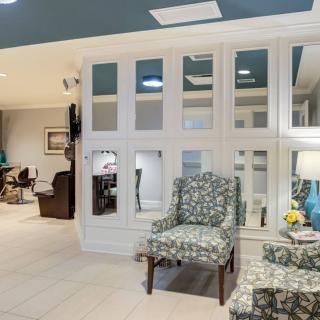
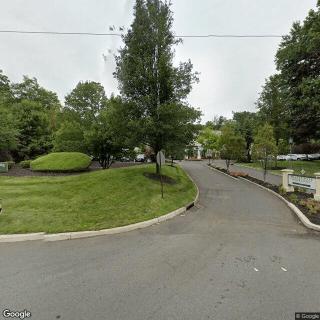
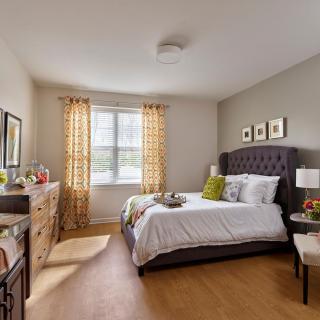
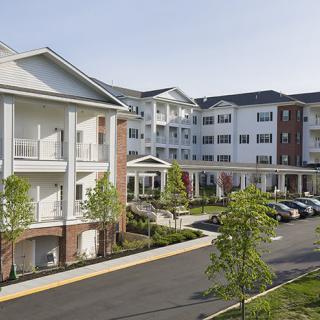
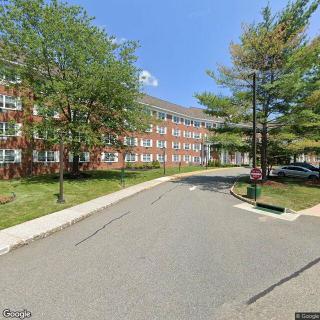
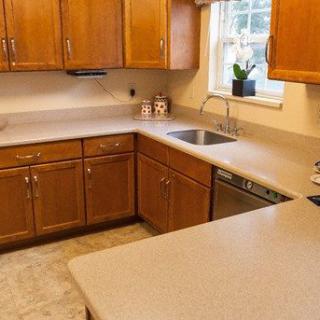
Brighton Gardens of West Orange on seniors.fyi includes 17 photos including images showing interior, decor, landscaping, dining, living room, building, windows, fireplace, and more.
Nearby Communities
Green Hill
West Orange, NJ
4.1 from 153 reviews
$3,256 to $5,421 / month
Homelike layout with intimate houses, attentive staff, and engaging activities.
The Cliffs At Eagle Rock
West Orange, NJ
4.5 from 24 reviews
$2,150 to $2,750 / month
Compassionate, dedicated staff delivering personalized care in a welcoming, activity-rich environment.
Dementia affects memory and cognitive function in older adults, presenting challenges for caregivers due to behavioral changes such as confusion and mood swings. Compassionate, person-centered care that considers individual history and preferences, along with effective communication and environmental modifications, is essential for supporting both patients and their caregivers.
Dementia leads to cognitive impairment and can cause emotional and behavioral changes, including aggression that arises from frustration, confusion, or fear. Effective coping strategies for caregivers include understanding dementia's nature, recognizing triggers, using empathetic communication, and employing non-pharmacological interventions like music and art therapy.
Dementia causes cognitive decline and challenging behaviors that caregivers must manage, necessitating an understanding of the neurological basis of these issues. Effective strategies and self-care for caregivers can enhance support for those with dementia and improve their daily lives.
Get PricingAsk A QuestionSchedule A TourContact Senior Advisor
By clicking submit, you agree to our Partner's Terms of Use. You
also consent to receive calls and texts, which may be autodialed, from our Partner. Your consent is not a condition to
using our Partner's service. Please visit our Partner's Privacy Policy for information about their privacy practices.

 1-bedroom apartments
 Assisted Living
 Memory Care
 Cats allowed
 Dogs allowed
 Activities off-site
 Air-conditioning
 Beautician on-site
 Cable or satellite TV
 Devotional services off-site
 Dining room
 Financing advice
 Ground floor units
 Handicap accessible
 Housekeeping services
 Indoor common areas
 Kitchenette
 Laundry
 Outdoor common areas
 Respite or short term stays offered
 Newark International (10 miles away)
 Transportation & parking
 Diabetic care
 High acuity care
 Incontinence care
 Medication management
 Gluten-free
 Art classes
 Catholic services
 Day trips and outings
 Educational speakers / life long learning
 Fitness programs
 Happy hour
 Jewish services
 Live dance or theater performances
 Live musical performances
 Live well programs
 English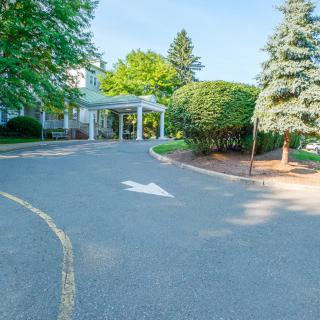
 Homelike layout with intimate houses, attentive staff, and engaging activities.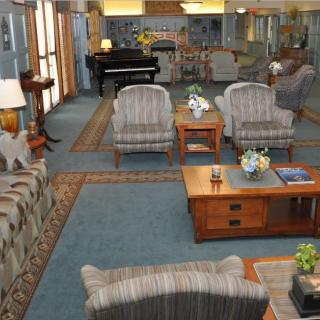



 Understanding Dementia Behaviors: Practical Insights and Strategies for Caregivers
 When Dementia Sparks Anger and Aggression: Understanding the Connection and Ways to Cope
 Dementia Behaviors: In-Depth Understanding and Effective Coping Strategies