
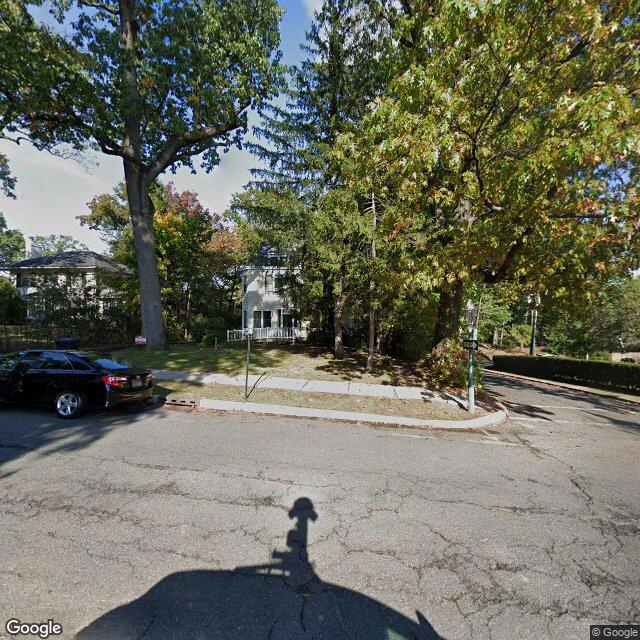
9 Woodlands Ave, Glen Ridge, NJ 07028
To contact a resident: (973) 748-5094
For more information about senior living options: (866) 208-4318
The Woodlands Costs & Pricing
In The Woodlands, the monthly costs for residential accommodations exhibit a more affordable structure compared to both Essex County and the broader New Jersey region. For a semi-private room, residents can expect to pay $1,500, significantly lower than the $3,966 average in Essex County and the $5,068 statewide benchmark. Similarly, the studio option at The Woodlands is priced at $1,800, offering a substantial saving against the $4,607 cost in Essex County and $5,286 in New Jersey overall. This pricing advantage makes The Woodlands an attractive choice for individuals seeking quality care without the financial strain often associated with similar facilities in nearby areas.
| Floor plans | The Woodlands | Essex County | New Jersey |
|---|---|---|---|
| Semi-Private | $1,500 | $3,966 | $5,068 |
| Studio | $1,800 | $4,607 | $5,286 |
Assisted Living communities with a similar price nearby
-
from -$275 / mo
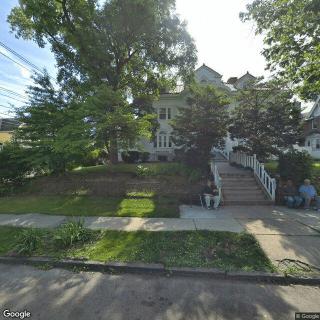
Chester Hill Adult Home
$1,225 to $1,317 / month21.1 miles away -
from -$187 / mo
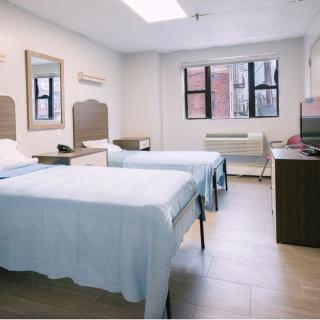
Queens Adult Care Center
$1,313 / month17.3 miles away -
from -$225 / mo
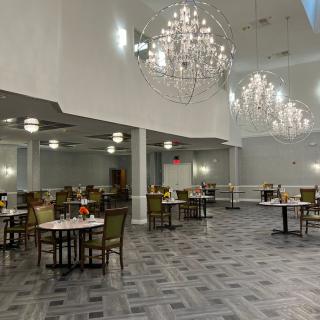
The Heritage of Clara Barton
$1,275 to $1,831 / month19.7 miles away -
from +$150 / mo
Harbor Terrace
$1,650 / month12.5 miles away -
from -$100 / mo
Green Briar Residential Health
$1,400 to $1,600 / month9.3 miles away
Overall Review of The Woodlands
Pros
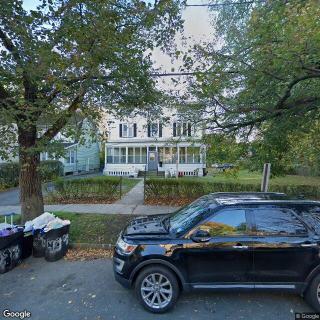
 The house is beautiful.
- The staff is informative and caring.
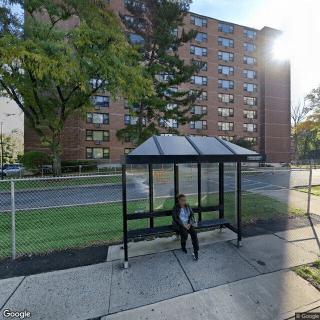
- The location in the beautiful town of Glen Ridge is within walking distance to the train station and bus stop.
- On St. Patrick's Day, residents were served fresh corned beef and cabbage, which impressed the reviewer.
- The staff cares and truly makes the residents feel at home.
Cons
 This place is not ideal for a loved one who wanders.
- The residential home is not what the family member needs.
Review
The Woodlands in Glen Ridge is best suited for seniors who prize a warm, home-like atmosphere and value easy access for family visits, especially those who do not require intensive medical oversight. The setting feels residential, a beautiful house with intimate rooms, and the staff are described as attentive and caring. Proximity to public transit, including a nearby train station and bus stop, makes regular visits practical for families navigating busy schedules. This environment supports residents who prefer predictable routines, comfortable dining, and a sense of belonging in a small, personal setting rather than a clinical, campus-style arrangement.
Those who should consider alternatives include families with loved ones who wander or require secured, memory-care level supervision. The reviews make clear that wander risk is a concern here, and the layout and safeguards may not meet the needs of individuals who require constant containment or enhanced safety protocols. For residents needing round-the-clock medical oversight, complex pain management, or highly structured memory-care programming, a larger, more specialized community is likely a better match. Similarly, families seeking broad social programming, on-site rehab services, or extensive clinical support should weigh other options that can deliver those capabilities more consistently.
The strongest pros here are meaningful and tangible: a house that feels cared-for, and staff who communicate well and demonstrate genuine concern for residents. The sense that residents are treated like family is reinforced by moments such as special meals and festive occasions, which show staff dedication to making days feel meaningful. This homelike warmth can significantly reduce isolation and anxiety for residents who thrive on familiar routines and personal attention. Those advantages, however, only partially offset the main downside: the lack of wander-proof features and limited capacity to address advanced care needs. In practical terms, warmth and courtesy do not substitute for the security and medical readiness demanded by wander-prone or memory-impacted residents.
A closer look at the care framework reveals a typical small-home dynamic. The intimate scale can translate into brighter days, with easier access to staff and personalized interactions. Yet it also signals potential gaps in medical oversight, emergency protocols, and the breadth of programming found in bigger assisted-living or memory-care communities. The two reviews yielding a modest, three-star consensus suggest consistent warmth but variability in meeting every resident’s expectations for care depth. Families must verify what level of assistance is included, who administers medications, how frequently staff are available, and whether licensed nursing coverage exists around the clock.
From a decision-making standpoint, due diligence should focus on concrete safeguards and care alignment. Confirm wander-control measures, whether doors are secured and how exits are monitored, and request a detailed, current care plan tailored to the resident’s needs. Tour during a typical day to observe interactions, pace, and engagement; sample a meal to assess nutrition and quality; meet the activity coordinator to gauge programming depth; ask about guest access, visiting hours, respite options, and any trial stays. Financial transparency matters as well: obtain a clear breakdown of costs, what is included, and how potential changes in care needs are billed. These steps establish whether the environment can sustain appropriate safety, engagement, and medical support over time.
In sum, The Woodlands offers a principled, warmly inhabited option for seniors who want a home-like environment and straightforward access to transit and family visits. Its strengths, caring staff, a beautiful house, and genuinely welcoming meals, promote daily life that feels stable and comforting. The central caveat remains: wanderers or residents with substantial memory-care needs may be better served by alternatives with more explicit security and specialized programming. For families weighing options, this community deserves serious consideration only if the resident’s needs align with a smaller, intimate setting and if careful due diligence confirms adequate safeguards, staffing, and service capabilities to match evolving care requirements.
 Assisted Living
 Activities on-site
 Devotional services off-site
 Indoor common areas
 Newark International (8 miles away)
 Ambulatory care
 Diabetic care
 Meals provided



 A Detailed Exploration of Assisted Living Medicaid Waivers Across the United States
 Comprehensive Residential Support and Assisted Living Solutions for Individuals with Disabilities
 Comprehensive Supportive Living Arrangements for Adults with Disabilities