For more information about senior living options: (866) 208-4318
4 from 45 reviews
5 stars
25
4 stars
10
3 stars
2
2 stars
0
1 stars
8
Alaris Health at The Atrium Costs & Pricing
Alaris Health at The Atrium offers competitive pricing for its various room types when compared to both Hudson County and the broader New Jersey market. For a semi-private room, residents can expect to pay $3,300 per month, significantly lower than the county average of $4,150 and the state average of $5,068. Similarly, a studio apartment costs $3,850, which is slightly above the county rate but still notably less than what many would pay across New Jersey. The one-bedroom option is priced at $4,300, aligning closely with Hudson County's $4,025 but remaining more economical than state averages. Finally, for those seeking two-bedroom accommodations at Alaris Health at The Atrium, the monthly cost is $6,600 - this is higher than both the county and state rates but can reflect additional amenities and services offered by the facility. Overall, Alaris Health provides a range of options that cater to different budgets while maintaining a strong standard of care and comfort.
Floor plans
Alaris Health at The Atrium
Hudson County
New Jersey
Semi-Private
$3,300
$4,150
$5,068
Studio
$3,850
$3,550
$5,286
1 Bedroom
$4,300
$4,025
$5,994
2 Bedrooms
$6,600
$5,675
$6,216
Memory care communities with a similar price nearby
Residents and families describe staff as attentive and responsive, even though a few comments raise serious concerns.
Many reviews emphasize caring, helpful caregivers and good day-to-day communication, including staff being interactive with residents and able to address family needs like therapy requests. Several families also describe a smooth admissions process and staff who make visits feel supported. At the same time, a small number of reviews report problems such as unprofessional front-desk communication, neglected care details, and staffing-related delays that affected response time.
caveat3 reviews mention this
Dining can be inconsistent
Dining quality is not consistently described the same way across reviews.
Some residents and families say the food varies, with reviews noting it can be hit-or-miss rather than reliably enjoyable. A few comments also describe a mismatch in diet consistency and mention that texture or meal changes were difficult during a later period of care. Other reviewers still report good experiences with restaurant-style service and meals, which makes the overall picture less uniform.
differentiator4 reviews mention this
Value and pricing stand out
Families often frame the pricing as a key reason they chose the community.
Several reviews point to affordability and good value when comparing options, including choosing Alaris based on cost. At least one family also calls it expensive, but still characterizes it as worthwhile for the level of care and rehabilitation support. The pricing shown for multiple unit types is below both the county and state benchmarks, which aligns with why some residents describe it as a better value choice.
caveat3 reviews mention this
Activities vary by program
Activity options can be limited depending on the care area and timing.
Some families say activities were limited earlier on due to COVID restrictions, even though visitation and activities later loosened. Others specifically mention a gap in activity offerings in memory care, while describing flexibility in moving within assisted living activities when needed. Reviews that highlight day-to-day engagement often describe scheduled activities like arts and crafts and recurring social events, but the amount and fit appear to depend on where a resident is placed.
caveat2 reviews mention this
Staffing levels affect response time
A staffing shortage is mentioned as a factor that impacted how quickly help arrived.
One review describes a serious staff shortage that cut into response time and the amount of time aides could spend with residents. That same comment also notes that the care team worked to coordinate hospice support, but families wished for more aide time. Other reviewers still describe high staff-to-resident ratio, so this concern appears to be period-specific rather than universal.
common5 reviews mention this
Clean facility and outdoor space
Reviews frequently describe the facility as clean and well-kept, with outdoor areas as a plus.
Many reviews describe a clean, attractive building and note features like terraces and an environment that feels more homey than institutional. Outdoor space and gathering areas are also mentioned as part of the appeal during visits. A few comments raise concerns about cleanliness details, including one that mentions an unpleasant room condition and another that says the facility was not as clean during a tour.
How we summarize
Counts show how many written reviews mention each theme; a review can touch several themes, and only frequently mentioned themes are displayed.
Features
Housing
113 resident community capacity
Types of Care
Assisted Living
Memory Care
Respite Care
Pets
Cats allowed
Dogs allowed
Amenities
Activities off-site
Activities on-site
Air-conditioning
Bath tubs
Beautician on-site
Beauty salon
Cable or satellite TV
Computer center
Devotional services on-site
Dining room
Fitness room
Fully furnished
Gaming room
Garden
Housekeeping services
Indoor common areas
Kitchenette
Move-in coordination
Outdoor common areas
Outdoor space
Private bathrooms
Respite or short term stays offered
Restaurant-style dining
Small library
Telephone
Wellness center
Wheelchair accessible showers
Wi-Fi/high-speed internet available
Transportation
Newark International (7 miles away)
LaGuardia (10 miles away)
John F Kennedy International (15 miles away)
Community operated transportation
Transportation arrangement
Transportation arrangement (non-medical)
Transportation to doctors appointments
Care Services
12-16 hour nursing
24-hour call system
24-hour supervision
Activities of daily living assistance
Ambulatory care
Assistance with bathing
Assistance with dressing
Assistance with transfers
Diabetes diet
Diabetic care
Incontinence care
Meal preparation and service
Medication management
Mental wellness program
Special dietary restrictions
Dining
Diabetes diet
Gluten-free
Guest meals
Low / no sodium
Meals provided
No Sugar
Restaurant style dining
Room service
Special dietary restrictions
Vegetarian
Activities
Art classes
Bible study group
Catholic services
Community-sponsored activities
Concierge services
Cooking classes
Day trips and outings
Devotional activities on-site
Educational speakers / life long learning
Fitness programs
Happy hour
Jewish services
Karaoke
Live well programs
Planned day trips
Resident-run activities
Scheduled daily activities
Visiting Rabbi
Visiting chaplain or priest
Nearby Places of Interest
This part of Jersey City, New Jersey, is conveniently located with easy access to various pharmacies, transportation options, parks, restaurants, cafes, theaters, hospitals, and places of worship. With Duane Reade and CVS Pharmacy nearby for medication needs, as well as multiple PATH stations and transit options for getting around the city or visiting neighboring areas, seniors can easily navigate their way around. The proximity to parks such as Van Vorst Park and the Hudson River Park offers opportunities for outdoor activities and relaxation. Additionally, a variety of dining options ranging from casual eateries to upscale restaurants ensure a diverse culinary experience. With healthcare facilities like VA Medical Center and Bellevue Hospital Center nearby, seniors can rest assured that quality medical care is readily available. Overall, this area provides a well-rounded living environment that caters to the needs and interests of seniors looking to reside in a vibrant community with convenient amenities.
Pharmacies
Duane Reade (0.7 miles)
CVS Pharmacy (1 miles)
CVS Pharmacy (1.1 miles)
CVS Pharmacy (1.3 miles)
CVS Pharmacy (1.5 miles)
Walgreens (1.6 miles)
Duane Reade (2.5 miles)
Transportation
Journal Square PATH Station (0.7 miles)
Grove Street PATH Station (0.7 miles)
Hoboken Terminal (1.2 miles)
MTA Subway - Wall St (2.4 miles)
MTA Subway - Brooklyn Bridge/City Hall/Chambers St (2.6 miles)
NJT - Frank R. Lautenberg Secaucus Junction Station (2.6 miles)
MTA - 14 St Subway Station - Union Square (2.7 miles)
Alaris Health at The Atrium offers competitive pricing for its various room types when compared to both Hudson County and the broader New Jersey market. For a semi-private room, residents can expect to pay $3,300 per month, significantly lower than the county average of $4,150 and the state average of $5,068. Similarly, a studio apartment costs $3,850, which is slightly above the county rate but still notably less than what many would pay across New Jersey. The one-bedroom option is priced at $4,300, aligning closely with Hudson County's $4,025 but remaining more economical than state averages. Finally, for those seeking two-bedroom accommodations at Alaris Health at The Atrium, the monthly cost is $6,600 - this is higher than both the county and state rates but can reflect additional amenities and services offered by the facility. Overall, Alaris Health provides a range of options that cater to different budgets while maintaining a strong standard of care and comfort.
Alaris Health at The Atrium's 24-hour supervision ensures that residents are constantly monitored, allowing for immediate assistance and enhancing their sense of security. The support provided for activities of daily living--including bathing, dressing, and transfers--fosters independence while addressing the unique challenges faced by individuals with dementia or Alzheimer's disease. Incontinence care is handled discreetly, promoting dignity and comfort. Meal preparation and service are tailored to meet nutritional needs and preferences, encouraging healthy eating habits that are crucial for cognitive function. Medication management ensures that residents receive their medications appropriately and on time, minimizing confusion and potential health risks. Lastly, a dedicated mental wellness program engages residents cognitively and emotionally, providing stimulating activities that promote social interaction and overall well-being. These combined features create an environment that prioritizes safety, comfort, and quality of life for those experiencing memory-related challenges.
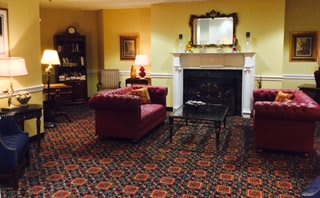
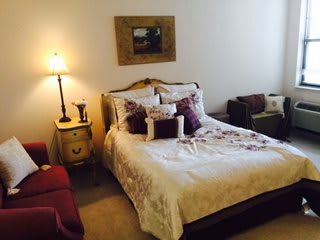
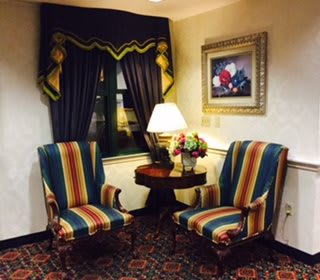
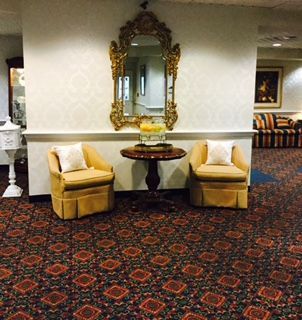
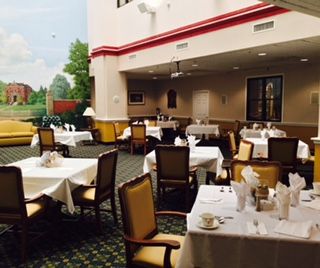
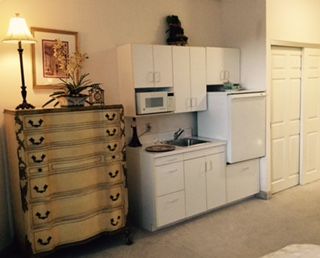
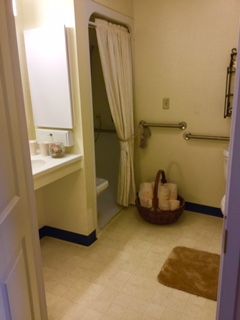
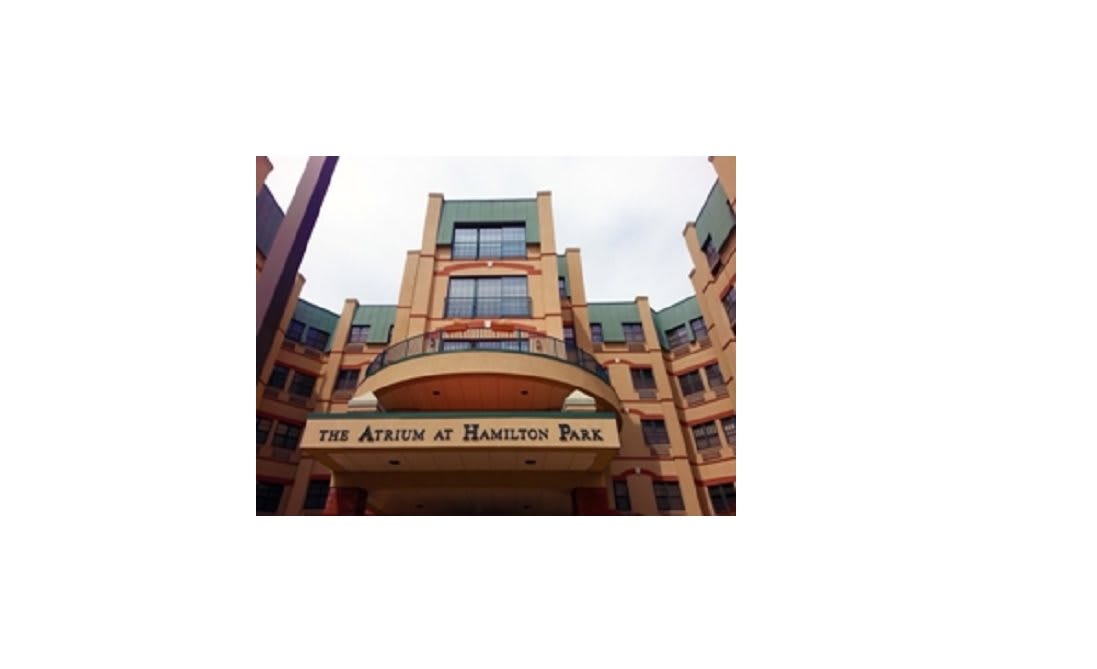
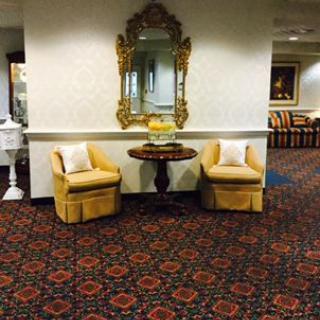
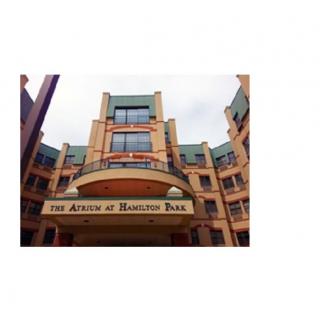
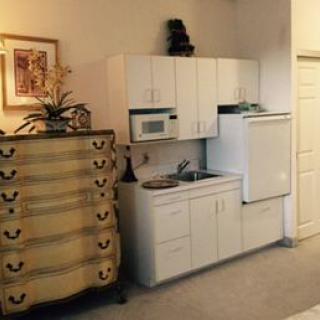
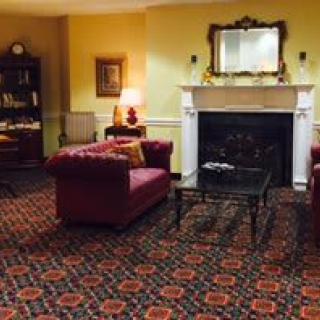
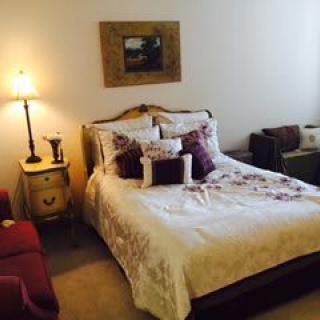
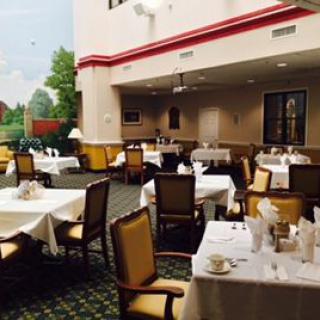
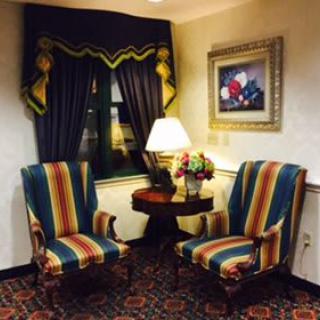
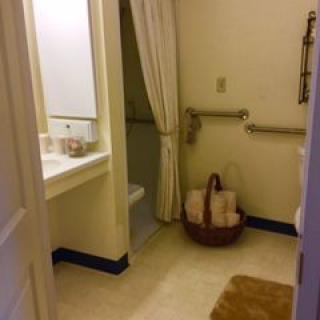
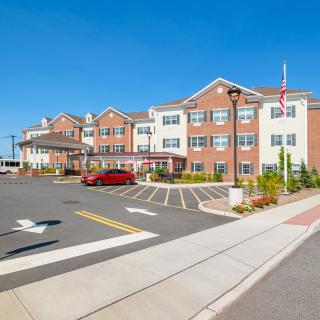
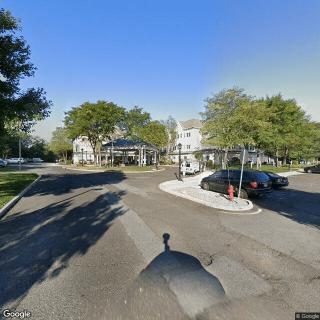
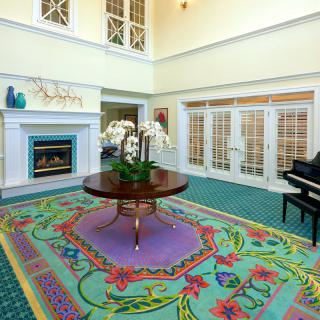
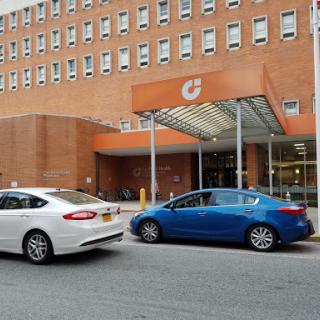
Alaris Health at The Atrium on seniors.fyi includes 20 photos including images showing interior, dining, decor, bathroom, bedroom, lobby, living room, hallway, and more.
Nearby Communities
Alaris Health At Hamilton Park
Jersey City, NJ
3.4 from 120 reviews
Attentive staff, high-quality meals, and a clean, home-like setting with engaging activities.
Peace Care St Joseph's
Jersey City, NJ
4.6 from 121 reviews
Engaging activities and organized, caring staff who treat residents like family.
Cusak Care Center at St Joseph's Home For the Blind
Jersey City, NJ
4.6 from 101 reviews
Strong community with extensive nearby amenities.
Heron Point Care - Hoboken
Hoboken, NJ
3.1 from 100 reviews
Small, memory-care-focused community with personalized care and 24/7 supervision.
Alaris Health At Harbor View
Jersey City, NJ
Extensive amenities and 24/7 care with social dining.
Angel Care
Jersey City, NJ
2.7 from 41 reviews
Convenient, well-connected location with many nearby amenities (pharmacies, hospitals, dining, parks, transit).
Hoboken University Medical Center - TCU
Hoboken, NJ
3.3 from 120 reviews
Fully furnished suites with garden space and comprehensive care services.
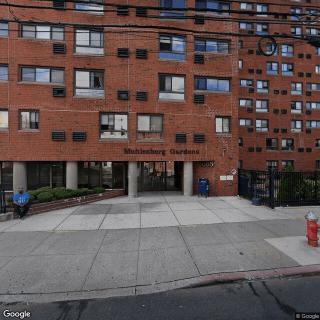
Muhlenberg Gardens
Jersey City, NJ
3.5 from 28 reviews
Longstanding community with potential for improved care and resilient residents.
Coterie Hudson Yards
New York, NY
4.5 from 87 reviews
Exclusive luxury with top-tier dining, comprehensive medical care, and premier amenities.
The article examines the link between certain medications and increased dementia risk, particularly in older adults, emphasizing that long-term or high-dose use of anticholinergics, benzodiazepines, and other drug classes can exacerbate cognitive impairment. It calls for careful medication evaluation and shared decision-making to mitigate these risks while managing treatment efficacy.
The article emphasizes the significance of establishing a power of attorney for elderly parents to enable an agent to make decisions on their behalf regarding health and finances, especially during cognitive or physical decline. It outlines various types of power of attorney, the importance of consulting legal professionals, and the responsibilities and challenges faced by agents, while also discussing alternatives and common misconceptions.
Caregiver support groups are crucial for providing emotional and practical assistance to those caring for loved ones, offering resources, coping strategies, and a sense of community through various organizations and platforms. These groups help alleviate isolation and burnout while addressing the unique challenges faced by caregivers of individuals with specific conditions.
Get PricingAsk A QuestionSchedule A TourContact Senior Advisor
By clicking submit, you agree to our Partner's Terms of Use. You
also consent to receive calls and texts, which may be autodialed, from our Partner. Your consent is not a condition to
using our Partner's service. Please visit our Partner's Privacy Policy for information about their privacy practices.









 113 resident community capacity
 Assisted Living
 Memory Care
 Respite Care
 Cats allowed
 Dogs allowed
 Activities off-site
 Air-conditioning
 Bath tubs
 Beautician on-site
 Cable or satellite TV
 Computer center
 Devotional services on-site
 Dining room
 Fitness room
 Fully furnished
 Gaming room
 Garden
 Housekeeping services
 Indoor common areas
 Kitchenette
 Move-in coordination
 Outdoor common areas
 Private bathrooms
 Restaurant-style dining
 Small library
 Telephone
 Wellness center
 Wheelchair accessible showers
 Wi-Fi/high-speed internet available
 Newark International (7 miles away)
 Community operated transportation
 12-16 hour nursing
 24-hour call system
 Ambulatory care
 Assistance with bathing
 Assistance with dressing
 Assistance with transfers
 Diabetes diet
 Diabetic care
 Incontinence care
 Medication management
 Mental wellness program
 Special dietary restrictions
 Art classes
 Bible study group
 Concierge services
 Cooking classes
 Day trips and outings
 Educational speakers / life long learning
 Happy hour
 Jewish services
 Karaoke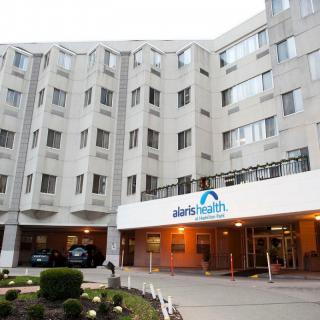
 Attentive staff, high-quality meals, and a clean, home-like setting with engaging activities.


 Medications Associated with Dementia Risk: A Comprehensive Overview
 Guiding Your Journey: Understanding Power of Attorney for Elderly Parents
 22 Remarkable Caregiver Support Groups Available Online and In-Person