For more information about senior living options: (866) 208-4318
4.5 from 27 reviews
5 stars
23
4 stars
0
3 stars
1
2 stars
0
1 stars
3
Turo Care Costs & Pricing
Turo Care offers competitive pricing for its accommodations compared to the broader market in Somerset County and throughout New Jersey. For a private room, Turo Care's monthly cost is $1,025, significantly lower than the county average of $2,606 and the state rate of $5,799. Similarly, their one-bedroom unit at $1,195 stands in stark contrast to Somerset County's average of $5,903 and New Jersey's overall cost of $5,994. Even for a two-bedroom option at $1,395, Turo Care remains economical when juxtaposed against the county's price of $6,824 and the state's figure of $6,216. These rates reflect Turo Care's commitment to providing affordable living solutions without compromising quality.
Floor plans
Turo Care
Somerset County
New Jersey
Private
$1,025
$2,606
$5,799
1 Bedroom
$1,195
$5,903
$5,994
2 Bedrooms
$1,395
$6,824
$6,216
Senior living communities with a similar price nearby
from +$155 / mo
Pickering Manor a CCRC
4.7 from 42 reviews
$1,180 to $4,100 / month
24.1 miles away
from -$100 / mo
Residence at Roosevelt Park
3.6 from 10 reviews
$925 to $1,105 / month
16.3 miles away
from -$118 / mo
Heritage Village at Lambertville
2.4 from 23 reviews
$907 to $1,208 / month
18.1 miles away
from +$175 / mo
Meadow View Care
2 from 21 reviews
$1,200 to $5,376 / month
17.1 miles away
About the same
Maple Tree Manor
4.8 from 6 reviews
$996 to $1,073 / month
20.4 miles away
Overall Review of Turo Care
common21 reviews mention this
Kind, dependable home aides
Residents and families consistently describe kind, dependable aides who take the work seriously.
Across the reviews, families highlight caregiver kindness, patience, and professionalism, often calling out how the assigned aide became a steady presence in daily life. Multiple reviewers describe aides helping with hands-on needs like mobility support and hygiene with encouragement and respect. Several also mention that substitutes were just as capable when their regular caregiver wasn’t available, which helped the care stay consistent.
common4 reviews mention this
Quick response during transitions
Families say the agency responds quickly when they need care arranged or expanded.
Reviews repeatedly mention fast action when families called for help, including getting care lined up shortly after the initial contact. A couple of reviewers describe support that started promptly around critical timing, like hospital discharge and the need to begin right away. Others note that the setup process was quick and easy, and that staff answered questions to reduce uncertainty for long-term planning.
differentiator5 reviews mention this
Live-in and around-the-clock help
Families describe receiving live-in and around-the-clock coverage as needs increased.
Several reviews describe situations where care needs escalated, and families say the agency helped increase support rather than leaving them to manage alone. Multiple reviewers specifically mention 24/7 help during major events and later stages of care, including cases involving recovery and long-term daily assistance. Others describe keeping loved ones at home with ongoing schedules that included both full-time and additional support.
common2 reviews mention this
Meal support and dietary skills
Some families specifically praise meal preparation and dietary management.
In two reviews, families mention more than basic assistance—describing meal preparation that stayed important to the loved one’s wellbeing. One reviewer highlights dietary skills tied to nutrition and supplements, while another credits a caregiver’s cooking ability with keeping meals enjoyable. These comments appear in the context of day-to-day support in the home rather than general services alone.
caveat2 reviews mention this
Pricing can feel hard to predict
Pricing may be a concern, with reviewers citing both evaluation costs and later contract changes.
One review calls out an evaluation fee and describes how service hour minimums and rate structures work. Another states that the company changed prices and availability of services, which raises concerns about predictability after signing. Families considering care may want to clarify pricing details and expectations up front, especially around service hours and any changes to the agreement.
How we summarize
Counts show how many written reviews mention each theme; a review can touch several themes, and only frequently mentioned themes are displayed.
Features
Transportation
Trenton-Mercer County (18 miles away)
Nearby Places of Interest
This part of Hillsborough, New Jersey offers a range of healthcare services conveniently located within a few miles, including physicians, pharmacies, and hospitals. There are also several options for dining out at restaurants such as Wendy's, Verve Restaurant Bar, and Village Brewing Company. Places of worship are also easily accessible for those looking to maintain their spiritual practices. Nearby parks like Duke Island Park and D & R Canal State Park provide opportunities for outdoor activities and leisurely walks. Additionally, there are theaters for entertainment and cafes like Starbucks and Panera Bread for socializing with friends or enjoying a cup of coffee. The area is served by Solberg Airport and Somerset Airport for travel needs. Overall, this part of Hillsborough provides access to essential services and amenities that can contribute to a comfortable and fulfilling senior living experience.
Physicians
Medicor Plaza (0.8 miles)
Medicor Cardiology (0.8 miles)
Your Doctors Care PA (3.2 miles)
Beim Daniel S MD (3.5 miles)
Somerset Pediatric Group (5 miles)
Atlantic Medical Group Physical Medicine and Rehabilitation (5.8 miles)
Hunterdon Family Medicine at Bridgewater (6 miles)
Pharmacies
Walgreens (0.8 miles)
CVS Pharmacy (1.1 miles)
CVS Pharmacy (3.3 miles)
Walgreens (4.5 miles)
CVS Pharmacy (4.8 miles)
Rite Aid (5 miles)
CVS Pharmacy (5.6 miles)
Restaurants
Wendy's (1.5 miles)
Verve Restaurant Bar (4.6 miles)
Village Brewing Company (4.6 miles)
McDonald's (4.8 miles)
Olive Garden (4.9 miles)
McDonald's (5.5 miles)
Chipotle Mexican Grill (5.6 miles)
Places of Worship
The Parish Community of St Joseph (2.8 miles)
Catholic Church Of St Anne (4.4 miles)
St Elizabeth Ann Seton Parish (7.3 miles)
Somerset Presbyterian Church (7.8 miles)
Sri Venkateswara Temple (8.5 miles)
Chinese Christian Church (8.8 miles)
Muslim Center of Middlesex County (9.3 miles)
Parks
Duke Island Park (3.5 miles)
D & R Canal State Park (4.8 miles)
White Oak Park (6 miles)
Waltersbrook Drive Park (6.1 miles)
Hillcrest Park (6.9 miles)
North Branch Park (6.9 miles)
Old Towne Park (7 miles)
Theaters
Reading Cinemas Manville with TITAN LUXE (4.1 miles)
AMC DINE-IN Bridgewater 7 (5.7 miles)
Regal Commerce Center & RPX (8.5 miles)
Cafes
Starbucks (5.6 miles)
Panera Bread (5.6 miles)
Starbucks (6.5 miles)
Starbucks (7.3 miles)
Starbucks (9.6 miles)
Starbucks (10 miles)
Transportation
Solberg Airport (N51) (7.1 miles)
Somerset Airport (8.5 miles)
Hospitals
Emergency Department, St Peter's University Hospital (9.6 miles)
Robert Wood Johnson University Hospital (10.2 miles)
Turo Care offers competitive pricing for its accommodations compared to the broader market in Somerset County and throughout New Jersey. For a private room, Turo Care's monthly cost is $1,025, significantly lower than the county average of $2,606 and the state rate of $5,799. Similarly, their one-bedroom unit at $1,195 stands in stark contrast to Somerset County's average of $5,903 and New Jersey's overall cost of $5,994. Even for a two-bedroom option at $1,395, Turo Care remains economical when juxtaposed against the county's price of $6,824 and the state's figure of $6,216. These rates reflect Turo Care's commitment to providing affordable living solutions without compromising quality.
Hospice care focuses on providing comfort and support for individuals nearing the end of life, with Medicare Part A covering services like nursing care and counseling for patients with a terminal illness and a life expectancy of six months or less. While most hospice services are low-cost for eligible patients, families should be aware that certain expenses, such as room and board, may not be covered.
Caregiver burnout is a common issue resulting from the intense physical, emotional, and mental demands of caregiving, leading to symptoms like fatigue and social withdrawal. To prevent burnout, caregivers should recognize early warning signs and implement self-care strategies, seek support, and prioritize their own well-being alongside that of those they care for.
Caregiver exhaustion, or burnout, stems from the relentless demands of caregiving, leading to emotional and physical depletion characterized by stress, frustration, and neglect of personal needs. Addressing this burden is essential to prevent long-term consequences, with early recognition and support being crucial for caregivers to maintain balance and implement self-care.
Get PricingAsk A QuestionSchedule A TourContact Senior Advisor
By clicking submit, you agree to our Partner's Terms of Use. You
also consent to receive calls and texts, which may be autodialed, from our Partner. Your consent is not a condition to
using our Partner's service. Please visit our Partner's Privacy Policy for information about their privacy practices.



 Trenton-Mercer County (18 miles away)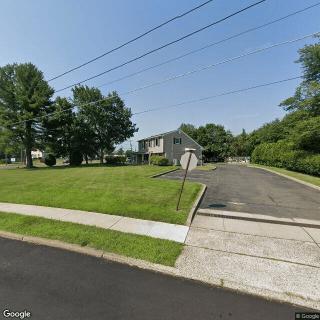
 Some caregivers provide exceptional, attentive care with punctual, responsive support.
 Comprehensive Guide to Medicare Coverage for Hospice Care
 Caring for Those Who Care: Recognizing, Understanding, and Overcoming Caregiver Burnout
 Caregiver Exhaustion: Recognizing the Signs and Restoring Your Well-Being