
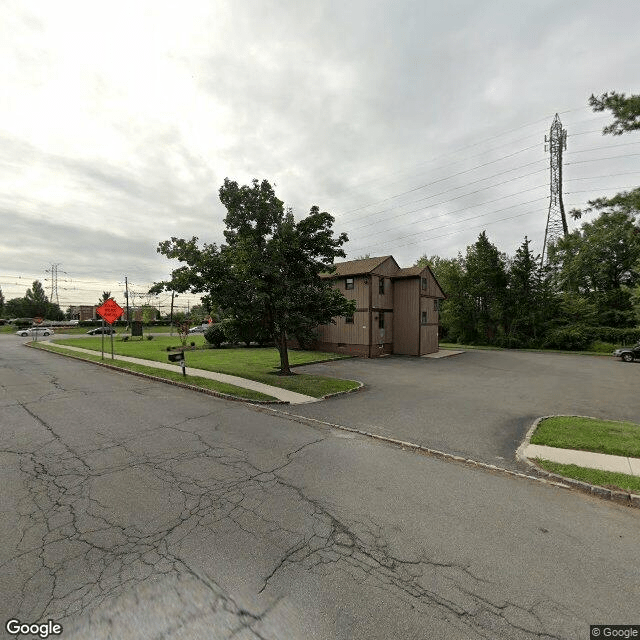
312 US Highway 206 South, Hillsborough, NJ 08844
To contact a resident: (908) 281-7961
For more information about senior living options: (866) 208-4318
Overall Review of Right at Home of Somerset and Hunterdon Counties
Pros
 They had a pleasant experience with RAH.
- They appreciated that RAH worked hard to find a perfect fit live-in caregiver for their mom with dementia during a time of caregiver scarcity.
- Carl was very personable and helpful.
- The office staff were responsive.
- Tina was all they could ask for as their mom's caregiver.
- Janet and her staff are patient, kind, thoughtful, and caring.
- They were extremely grateful for the care they received.
Cons
 The office was horrible with its responsibilities, leading to ongoing miscommunication and unresolved issues.
- They failed to complete required paperwork in a timely manner, leaving the nursing board waiting.
- Billing was not transparent, with late or backdated charges for sleep disruptions.
- The agency terminated services by blaming the family for an impossible situation.
- They billed nearly $4,000 for four months of sleep disruptions without adequate justification.
- An aide allegedly took naked photos of the grandfather and sent them to his mother.
- An aide refused to allow him his walker or wheelchair at night, resulting in repeated falls.
- Carl was condescending and manipulative over the phone and by email.
Review
This community is best suited for families that need a highly personalized live-in caregiving arrangement for a loved one with dementia or substantial daily support needs, and that prioritize a strong match between the caregiver and the client. When the fit clicks, as in cases where a caregiver like Tina is paired with a dementia patient and the local office mobilizes promptly, the experience can feel exceptionally hands-on and tailored. The strongest practical asset is the ability to place a live-in caregiver who can be trusted to stay with the client, with staff who appear responsive when operations go smoothly. In the right scenario, this model delivers intimate, day-to-day continuity that families fear losing with more impersonal, facility-based options.
That said, serious red flags emerge for anyone counting on consistent administrative reliability and transparent, timely billing. A pattern of miscommunication, delayed or contradictory paperwork, and ongoing billing discrepancies crops up in multiple reviews. Families report weeks and even months of unresolved questions, back-billed charges, and a sense that administrative bottlenecks undercut the core care effort. For someone evaluating this service, these issues are not tangential, they directly affect care continuity, budgeting, and the ability to plan safely around a loved one’s routines. Alternatives should be on the table for anyone who cannot tolerate regular administrative friction or ambiguous cost signaling.
The core positives, caregiver compatibility, a hands-on approach to placement, and a generally responsive office when it does operate smoothly, can offset some concerns, but only to a point. When a specific caregiver and supervisor relationship works, the level of trust and personalized attention can be meaningful and reassuring. Families with a dementia-focused need may find value in the ability to customize assignments and maintain a stable caregiver team over time. The risk, however, is that positive personal experiences become fragile if the backbone of the operation, the scheduling, billing, and staff training framework, cannot be consistently relied upon.
The most troubling themes are safety and integrity issues that recur in multiple accounts. Instances described as unsafe or unprofessional, from mishandled safety equipment to behavior that undermines a client’s dignity, hint at gaps in training, supervision, and accountability. Billing practices reported as late, opaque, or backdated magnify the impact of any care missteps, because families must second-guess every charge and every shift change. When such concerns surface alongside communication breakdowns, the result is not merely frustration; it is risk to the client’s wellbeing and to the family’s confidence in the care plan.
To pursue a successful engagement, families should anchor conversations in crystal-clear expectations and enforce rigorous safeguards. Insist on a detailed written care plan, a dedicated care coordinator, and a documented communication protocol with regular, proactive updates. Require transparent, itemized billing with predictable cycles and a clear policy on rescheduling or terminating services without surprise charges. Request verifiable references, ask for a recent training curriculum and ongoing competency checks, and demand a safe-guarded process for incident reporting and corrective action. Consider a short trial period to test the care dynamic and administrative responsiveness before committing long-term.
In the end, the decision hinges on priorities. If the priority is a deeply compatible caregiver relationship and the flexibility to tailor live-in support for dementia, Right at Home can be a strong match, with clear terms and vigilant oversight. If, however, consistent administrative reliability, transparent pricing, and rigorous safety oversight are non-negotiable, alternatives with a proven track record in those areas deserve serious consideration. A candid evaluation of the concrete care goals, risk tolerance, and willingness to monitor and police the administrative process will determine whether this provider is the right choice or whether another agency would better align with the family’s needs.
 Trenton-Mercer County (19 miles away)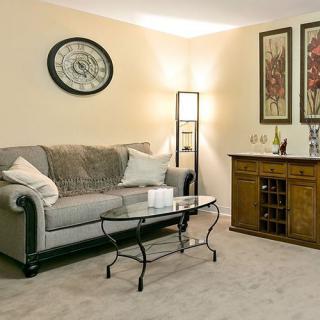


 Recognizing the Journey: Understanding and Navigating Anticipatory Grief
 Encouraging Participation in Adult Day Care: A Guide to Supporting a Hesitant Parent
 Comprehensive Exploration of Living Wills and Other Advance Directives