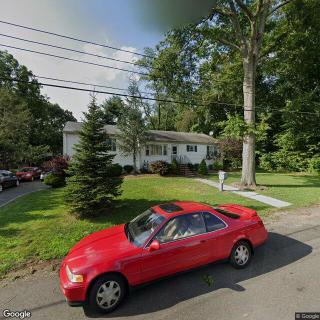
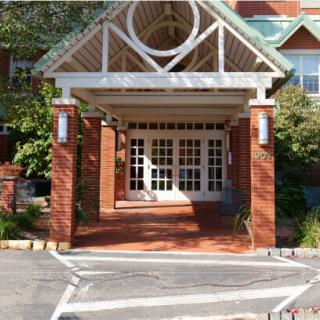
Sycamore Living At East Hanover

Information last verified:

One South Ridgedale Avenue, East Hanover, NJ 07936

For more information about senior living options: (844) 490-3973

3.6 from 72 reviews
5 stars
40
4 stars
7
3 stars
3
2 stars
3
1 stars
19

Overall Review of Sycamore Living At East Hanover

Pros

  • pro The staff are described as caring, attentive, and going above and beyond for residents.
  • pro LIVIA is portrayed as a warm, family-like environment where hospitality is at the heart of care.
  • pro Therapists, nurses, and aides are repeatedly praised for improving mobility and helping residents regain independence.
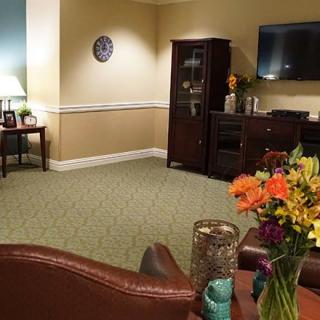
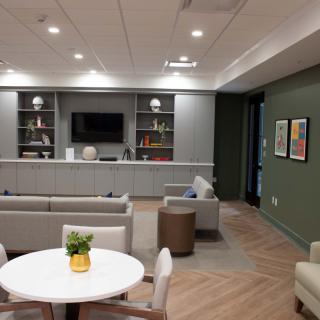
  • pro The facility is described as modern, clean, bright, and welcoming.
  • pro The meals are enjoyed and the culinary team is credited with enhancing the dining experience.
  • pro Activities and lifestyle programs are engaging, energetic, and inclusive.
  • pro Families feel safe, respected, and well cared for during their loved ones' stay.
  • pro Management is responsive and supportive, with leadership that communicates well with families.
  • pro The overall care is described as compassionate, patient-centered, and devoted to well-being.

Cons

  • pro The facility is described as severely understaffed, with aides and nurses unavailable on the floor and call bells left unanswered for hours.
  • pro Some staff are described as rude, uncaring, or indifferent, allegedly treating residents like animals.
  • pro Residents have sat in soiled diapers for hours because staff did not respond.
  • pro Management is criticized for being unresponsive and for poor coordination with families.
  • pro Food quality is frequently cited as poor, with meals served cold or "disgusting."
  • pro The building is described as cold and antiseptic, lacking warmth and attentive supervision.
  • pro There are strong negations that the facility should be shut down due to neglect and safety concerns.

Review

Sycamore Living at East Hanover is best suited for families seeking a rehab-forward option with a hotel-like environment, where a robust therapy program and a broad slate of daily activities can help a resident regain independence and rejoin daily life quickly. It serves well those who can actively engage in their recovery, communicate needs clearly, and welcome a lively social atmosphere. Residents who require constant, highly supervised care across all hours or who have significant memory-care needs may not get the steadiness they expect, making careful evaluation essential. For longer-term, high-acuity needs, a facility with more consistent 24/7 staffing across shifts may be a better fit.

Alternatives should be considered for memory care or dementia cases that demand pervasive supervision and redirection. Several reviews flag gaps in staffing consistency and responsiveness, particularly on weekends and holidays, which can be destabilizing for residents who require steady monitoring. Families unable to advocate in real time may encounter friction between expectations and day-to-day operations. Additionally, those pursuing strictly clinical, hospital-like oversight may find value elsewhere if a facility’s dementia-care capabilities and staffing cadence do not align with the resident’s care plan.

The strongest positives at Sycamore Living center on rehab outcomes and the overall quality of life for residents. The therapy teams, physical, occupational, and speech, receive frequent commendations for skill, patience, and tangible progress, often translating into real walking and functional gains. The facility’s modern, clean, and bright environment, coupled with attentive dining and a lively activities program, creates a sense of resort-like comfort that many families appreciate. Admissions and concierge staff are repeatedly praised for friendliness and responsiveness, helping families navigate transitions with less friction.

Yet the main drawbacks are persistent and tangible enough to influence decisions for risk-averse families. Understaffing emerges as the most consequential issue, with multiple accounts of aides and nurses stretched thin, delayed call responses, and inconsistent supervision. Some reviewers describe roles being performed only “as needed,” and there are stories of red flags, care delays, missed alarms, and gaps in communication with families. While these experiences do not define every stay, they are real risks that complicate care, especially for residents who cannot advocate effectively or who require more hands-on attention around the clock.

When pros and cons are weighed, the rehab-centric strengths often offset many disadvantages for short-term stays or for families who can remain engaged and present as needed. The therapy-driven culture, combined with a well-maintained, attractive setting and strong social programming, can yield meaningful recovery outcomes and a positive daily life. However, the same staffing and communication fragility that sometimes limits day-to-day responsiveness can erode confidence for ongoing long-term care. The facility’s ability to deliver consistent care across shifts, and its alignment with memory-care expectations, will be decisive for many families.

In deciding, families should plan a thorough, multi-visit due diligence. Request a detailed tour focused on therapy spaces, staffing patterns on weekends, and how call-bell and response protocols function after hours. Meet with the director of admissions and the social work team to understand memory-care offerings, redirection strategies, and how care plans are coordinated among nursing, rehab, and activities staff. Verify specific concerns, dietary preferences, infection-control standards, and room assignments, and observe dining and activity spaces at different times. For those seeking a dependable long-term home with predictable staffing, it may be prudent to explore a facility with a longer track record of steady nurse coverage and dementia-specific programming. For families prioritizing effective rehabilitation in a high-quality setting, Sycamore Living offers a compelling option, so long as the care plan hinges on active family involvement and clear expectations around staffing and responsiveness.

Features

Housing

  • 21 resident community capacity 21 resident community capacity

Types of Care

  • Assisted Living Assisted LivingAssisted living facilities provide crucial support and care for seniors who may need help with daily tasks such as medication management, bathing, and meal preparation. These communities offer a safe and comfortable environment where seniors can maintain their independence while receiving the assistance they need to thrive in their golden years.

Amenities

  • Beauty salon Beauty salonBeauty salons are important for seniors because they provide a space for them to feel pampered, socialize, and maintain their personal grooming and hygiene. Regular visits to a beauty salon can help boost seniors' self-esteem and overall well-being.
  • Cable or satellite TV Cable or satellite TVCable or satellite TV is important for seniors because it provides entertainment, news, and companionship, helping to combat loneliness and boredom. It also offers a wide range of programming options tailored to different interests and preferences.
  • Dining room Dining roomDining rooms are important for seniors as they provide a space for socialization, connection, and nutritious meals. They offer opportunities for residents to bond over shared meals, foster a sense of community, and promote healthy eating habits. Dining rooms also ensure that seniors have access to well-balanced meals tailored to their dietary needs and preferences.
  • Fully furnished Fully furnishedFully furnished senior living communities are important for seniors because they provide convenience, comfort, and a hassle-free moving experience. Seniors can easily settle into their new living space without the stress of having to buy and move furniture. This allows them to focus on enjoying their new home and community.
  • Garden GardenGardens are important for seniors as they provide a peaceful and therapeutic environment for relaxation, physical activity, and socialization. Being in nature has been shown to reduce stress, improve mood, and promote overall well-being. Gardens also offer opportunities for seniors to engage in gardening activities, which can improve mobility, flexibility, and cognitive function. Additionally, gardens create a sense of community and connection with others who share a passion for plants and outdoor spaces.
  • Housekeeping services Housekeeping servicesHousekeeping services are important for seniors because they help maintain a clean and safe living environment, promote independence, and reduce the risk of accidents or illnesses. Additionally, having assistance with household chores can alleviate physical strain and allow seniors to focus on other aspects of their well-being.
  • Kitchenette KitchenetteKitchenettes are important for seniors living in senior living communities because they provide the convenience and independence of being able to prepare simple meals and snacks in the comfort of their own living space. This can help promote a sense of autonomy and well-being for seniors, allowing them to maintain some level of control over their dietary choices and daily routines.
  • Move-in coordination Move-in coordinationMove-in coordination is important for seniors because it helps ease the transition into their new living environment. It ensures that all logistics, such as packing, organizing movers, and setting up utilities are taken care of, allowing seniors to focus on settling in and adjusting to their new home. Having a smooth move-in process can alleviate stress and anxiety, making the transition smoother and more enjoyable for seniors.
  • Outdoor space Outdoor spaceOutdoor spaces are important for seniors as they provide opportunities for physical activity, social interaction, exposure to natural light and fresh air, and a sense of connection to nature. Having access to outdoor spaces can improve overall well-being and quality of life for older adults living in senior communities.
  • Restaurant-style dining Restaurant-style diningRestaurant-style dining is important for seniors because it allows them to enjoy delicious, nutritious meals in a social and upscale setting. This enhances their dining experience, promotes healthy eating habits, and fosters socialization with fellow residents, ultimately contributing to their overall well-being and quality of life.
  • Small library Small librarySmall libraries are important for seniors as they provide access to a variety of reading materials, including books, newspapers, and magazines. This can help stimulate their minds, keep them engaged, and provide a sense of community through book clubs and other social activities. Additionally, reading has been shown to improve cognitive function and overall mental well-being in older adults.
  • Telephone TelephoneTelephones are important for seniors as they provide a lifeline for communication with loved ones, emergency services, and healthcare providers. They offer a sense of security and independence, enabling seniors to stay connected and access assistance when needed.
  • Wi-Fi/high-speed internet available Wi-Fi/high-speed internet availableWi-Fi/high-speed internet is important for seniors to stay connected with loved ones, access online resources, and participate in virtual activities to combat feelings of loneliness and isolation. It also allows them to easily manage healthcare needs, access entertainment, and engage in lifelong learning opportunities.

Transportation

  • Newark International (14 miles away) Newark International (14 miles away)

Care Services

  • 24-hour call system 24-hour call system24-hour call systems are important for seniors because they provide peace of mind and immediate assistance in case of emergencies. This technology ensures that help is always available, promoting safety and security for elderly individuals living alone or in assisted living facilities.
  • 24-hour supervision 24-hour supervision24-hour supervision is important for seniors to ensure their safety, well-being, and access to immediate assistance in case of emergencies or health issues. This constant support provides peace of mind for both seniors and their loved ones, allowing them to age in place with dignity and security.
  • Activities of daily living assistance Activities of daily living assistanceActivities of daily living assistance are important for seniors because they provide essential support with tasks such as eating, bathing, dressing, and mobility. This assistance helps seniors maintain their independence, dignity, and overall quality of life as they age.
  • Assistance with bathing Assistance with bathingAssistance with bathing is crucial for seniors as it helps maintain personal hygiene, prevents infections, and ensures their overall well-being and comfort. It also provides a sense of dignity and independence for seniors who may struggle with this task on their own.
  • Assistance with dressing Assistance with dressingAssistance with dressing is important for seniors because it helps maintain their independence, promotes personal hygiene, prevents accidents and injuries, and improves overall quality of life. This service ensures that seniors can continue to dress comfortably and confidently, despite any physical limitations they may have.
  • Assistance with transfers Assistance with transfersAssistance with transfers is crucial for seniors as it helps prevent falls and injuries, maintains their independence, and ensures they can safely navigate their living environment. It also provides peace of mind for both seniors and their loved ones.
  • Diabetes diet Diabetes dietA diabetes diet is crucial for seniors as it helps manage blood sugar levels, reduce risks of complications, and improve overall health and well-being. By following a balanced and nutritious diet tailored to their specific needs, seniors can better control their diabetes and enhance their quality of life.
  • Meal preparation and service Meal preparation and serviceMeal preparation and service are crucial for seniors as they may have limited mobility or energy to cook nutritious meals. Having access to healthy and convenient food options can ensure they are getting the proper nutrition needed to maintain their overall health and well-being.
  • Medication management Medication managementMedication management is crucial for seniors to ensure they are taking the right medications at the correct dosages and times. This helps prevent adverse drug interactions, reduces the risk of medication errors, and promotes overall health and well-being. Proactive management also allows for adjustments as needed based on changing health conditions or new prescriptions.
  • Mental wellness program Mental wellness programMental wellness programs are essential for seniors as they promote cognitive stimulation, emotional support, and social engagement. These programs help prevent isolation, depression, and cognitive decline, ultimately enhancing the overall quality of life for older adults.
  • Special dietary restrictions Special dietary restrictionsSpecial dietary restrictions are important for seniors because age-related changes in metabolism and health conditions can make it difficult for their bodies to process certain foods. By following a diet tailored to their specific needs, seniors can maintain their overall health and well-being, manage chronic conditions, and reduce the risk of complications such as malnutrition or food interactions with medications.
Dining

  • Diabetes diet Diabetes dietA diabetes diet is crucial for seniors as it helps manage blood sugar levels, reduce risks of complications, and improve overall health and well-being. By following a balanced and nutritious diet tailored to their specific needs, seniors can better control their diabetes and enhance their quality of life.
  • Special dietary restrictions Special dietary restrictionsSpecial dietary restrictions are important for seniors because age-related changes in metabolism and health conditions can make it difficult for their bodies to process certain foods. By following a diet tailored to their specific needs, seniors can maintain their overall health and well-being, manage chronic conditions, and reduce the risk of complications such as malnutrition or food interactions with medications.

Activities

  • Community-sponsored activities Community-sponsored activitiesCommunity-sponsored activities are important for seniors as they provide opportunities for social interaction, mental stimulation, and physical activity. These activities can help improve overall well-being, combat loneliness and isolation, and promote a sense of belonging and purpose among older adults.
  • Resident-run activities Resident-run activitiesResident-run activities are important for seniors as they encourage social interaction, creativity, and a sense of autonomy. These activities empower seniors to stay engaged and active in their community while fostering meaningful connections with their peers.
  • Scheduled daily activities Scheduled daily activitiesScheduled daily activities are important for seniors because they provide structure, socialization, mental stimulation, and physical activity. Engaging in regular activities can improve overall well-being and quality of life for seniors living in a community setting.

Description

Sycamore Living At East Hanover in East Hanover, NJ is an assisted living community that offers a wide range of amenities and care services to provide a comfortable and fulfilling lifestyle for its residents.

The community provides fully furnished apartments with cable or satellite TV and Wi-Fi/high-speed internet, ensuring that residents can stay connected and entertained. Each apartment also includes a kitchenette, allowing residents to prepare their own meals if desired. Additionally, Sycamore Living offers restaurant-style dining where residents can enjoy delicious and nutritious meals prepared by the on-site culinary team.

For those who enjoy reading, there is a small library available, perfect for leisurely afternoons spent diving into a good book. Outdoor space is also provided for residents to relax and enjoy the fresh air.

The community offers various care services to meet the individual needs of each resident. These include 24-hour supervision, assistance with activities of daily living such as bathing and dressing, as well as assistance with transfers. Medication management is also provided to ensure that residents take their medications correctly.

Sycamore Living understands the importance of maintaining mental wellness, which is why they offer a mental wellness program designed to promote cognitive health and emotional well-being among residents.

Dining options cater to those with special dietary restrictions, ensuring that all residents can enjoy delicious meals tailored to their specific needs.

To keep residents engaged and active, Sycamore Living offers resident-run activities as well as scheduled daily activities. These provide opportunities for socialization and participation in enjoyable pastimes.

The location of Sycamore Living At East Hanover is convenient, with nearby cafes, parks, pharmacies, physicians, restaurants, transportation options, places of worship, theaters, and hospitals. This ensures that residents have easy access to various amenities and services in the surrounding area.

Overall, Sycamore Living At East Hanover provides a supportive environment where seniors can receive personalized care, enjoy a range of amenities and services, and live a fulfilling and independent lifestyle.

Nearby Places of Interest

Theaters

  • AMC East Hanover 12 (0.7 miles)

Cafes

  • Starbucks (1 miles)
  • Panera Bread (1.3 miles)
  • Starbucks (2.8 miles)
  • Starbucks (4 miles)
  • Starbucks (4.2 miles)
  • Starbucks (4.4 miles)
  • Lokl Cafe (4.5 miles)

Restaurants

  • McDonald's (1 miles)
  • Shake Shack (2.8 miles)
  • McCool's Ice Cream Parlour (3.2 miles)
  • Ferraro's Italian Food Specialties (4.2 miles)
  • Wendy's (4.2 miles)
  • Town bar + kitchen (4.2 miles)
  • Wendy's (4.6 miles)

Pharmacies

  • Walgreens (1 miles)
  • CVS Pharmacy (1.1 miles)
  • CVS Pharmacy (2.9 miles)
  • Wegmans (3.3 miles)
  • Walgreens (3.3 miles)
  • CVS Pharmacy (4.1 miles)
  • Walgreens (4.2 miles)

Parks

  • Florham Park Recreation Department (1.3 miles)
  • Ginty Field (4.1 miles)
  • Loantaka Brook Reservation Recreation Area (4.3 miles)
  • The Morristown Green (4.6 miles)
  • Volunteers Park (5.1 miles)
  • Degnan Memorial Park (6.8 miles)
  • Memorial Park (8.2 miles)

Transportation

  • Signature Flight Support (1.5 miles)
  • NJT - Summit Station (6.3 miles)
  • NJT - Short Hills Station (6.5 miles)
  • NJT - Millburn Station (7.2 miles)
  • NJT - Maplewood Station (8 miles)

Physicians

  • Summit Medical Group (2.3 miles)
  • EHE International (3.4 miles)
  • Summit Medical Group (3.9 miles)
  • Madison Pediatrics (4.3 miles)
  • Summit Medical Group (4.4 miles)
  • New Jersey Spine Center (4.5 miles)
  • Parsippany Pediatrics (4.8 miles)

Places of Worship

  • Liquid Church (3.8 miles)
  • Church of Jesus Christ of Latter Day Saints (5.4 miles)
  • Morrow Memorial United Methodist Church (7.7 miles)

Hospitals

  • Morristown Memorial Hospital Atlantic Health (4.3 miles)
  • Saint Barnabas Medical Center (5.4 miles)
  • Greystone Park Psychiatric Hospital (6.6 miles)
  • Saint Clare's Hospital (7.5 miles)

Frequently Asked Questions

Where is Sycamore Living At East Hanover?

Nearby Communities

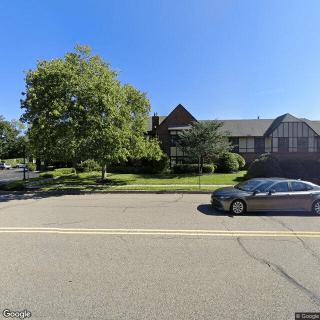
  • Brookdale Florham Park

    Brookdale Florham Park

    Florham Park, NJ

    4.3 from 78 reviews
    $5,720 to $6,955 / month

    pro Professional, caring staff in a clean, welcoming environment with engaging activities.

  • The Chelsea at Florham Park

    The Chelsea at Florham Park

    Florham Park, NJ

    4.1 from 34 reviews
     

    pro Attentive staff in a clean, well-appointed facility with ample amenities and dining options.

  • Care One At Hanover Township

    Care One At Hanover Township

    Whippany, NJ

    3.8 from 134 reviews
     

    pro Beautiful, well-equipped facility with extensive amenities and active programs.

  • Harmony Village at CareOne At Hanover Township

    Harmony Village at CareOne At Hanover Township

    Whippany, NJ

    4.6 from 19 reviews
    $6,500 to $13,000 / month

    pro Well-trained staff with Teepa Snow program and strong family communication.

  • Arden Courts Of Whippany

    Arden Courts Of Whippany

    Whippany, NJ

    4.9 from 56 reviews
    $9,090 to $9,450 / month

    pro Attentive staff in a warm, home-like memory care environment with engaging activities.
  • Katrix LLC

    Katrix LLC

    East Hanover, NJ

    4.4 from 28 reviews
     

    pro Compassionate, reliable care with responsive management and strong caregiver relationships.

  • LIVIA Health & Senior Living

    LIVIA Health & Senior Living

    East Hanover, NJ

    3.6 from 84 reviews
    $5,000 to $5,500 / month

    pro Modern, attractive facility with spacious rooms and up-to-date technology.

  • The Delaney at The Green

    The Delaney at The Green

    Florham Park, NJ

    5 from 72 reviews
    $6,400 to $11,350 / month

    pro Modern, spacious apartments with extensive amenities and a flexible rental model that supports independent living.

  • Lester Senior Housing Community Life in Whippany

    Lester Senior Housing Community Life in Whippany

    Whippany, NJ

    4 from 39 reviews
    $2,718 to $8,000 / month

    pro Friendly, caring staff with engaging activities in a clean, welcoming setting.

Related Resources

  • assisted living vs memory careAssisted Living and Memory Care: Understanding Their Core Differences

    Assisted living provides moderate support for seniors seeking independence, while memory care offers specialized support for individuals with dementia or cognitive impairments through structured routines and trained staff. Key differences include care approaches, environment security measures, staff training levels, activity types, and cost considerations.

  • assisted living activitiesBeyond the Bingo Hall: 50+ Enriching Activities for Seniors in Assisted Living

    Assisted living communities offer diverse activities beyond traditional games to enhance seniors' physical health, cognitive well-being, emotional enrichment, and social connections, including fitness classes, creative expression, and intergenerational interactions. These enriching programs foster community bonds and support residents' independence and happiness.

  • assisted living vs memory careUnderstanding the Distinctions: Assisted Living and Memory Care Explained

    The article differentiates between assisted living and memory care, explaining that assisted living supports seniors with daily activities while promoting independence, whereas memory care provides specialized services for individuals with dementia, focusing on secure environments and cognitive support. It also addresses staff training, safety considerations, costs, family involvement, and transition strategies for families navigating these care options.