
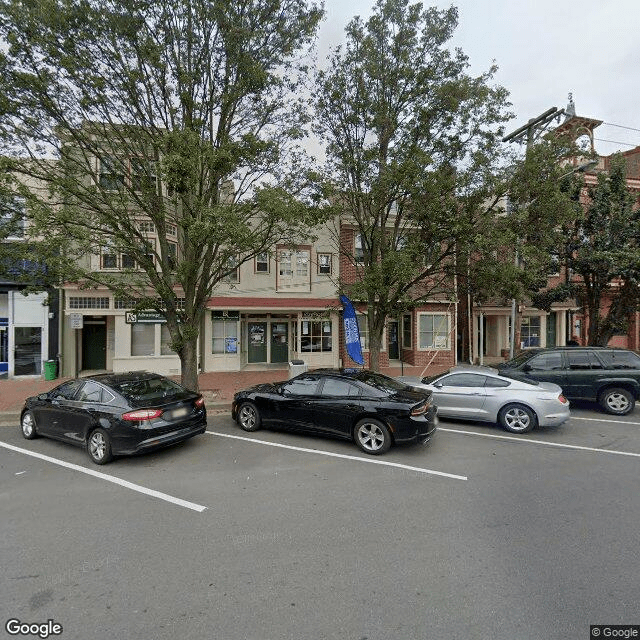
15 East Broad St, Burlington, NJ 08016
To contact a resident: (609) 672-2181
For more information about senior living options: (866) 208-4318
Overall Review of Advert Community Health Project
Pros
 Arc has caring and responsible staff who respectfully engage with adults with special needs, making it a fun place to spend time.
- Arc offers good cooking classes.
- Customers love the team.
- The agency is a great social service provider in New Jersey.
Review
Advert Community Health Project in Burlington, New Jersey is best suited for families seeking a compassionate, activity-forward day program for adults with special needs. The setting prioritizes engagement, social interaction, and dependable staff support, making it an ideal fit when the goal is consistent daytime supervision coupled with meaningful routines. Families facing ongoing caregiving demands will find reassurance in knowing a respectful team is dedicated to participants’ well-being, with a schedule that emphasizes hands-on activities and practical, enjoyable routines. This is not a hospital or luxury residence; it is a purpose-built environment where daily life is structured around social participation and personal growth.
Those needing round-the-clock supervision, medical oversight, or a traditional residential living arrangement should look elsewhere. For seniors or adults with complex medical needs requiring continuous nursing support, skilled memory care, or overnight accommodations, options that provide 24/7 staffing and clinical services will be a more appropriate match. Similarly, families seeking a private apartment-style setting with independent living features will find the model here more programmatic and service-oriented than self-contained living. In short, Advert Community Health Project excels as a daytime, service-oriented hub, but falls short as a full-time residence.
Among the strongest assets are the people. Staff are described as caring, responsible, and respectful in their dealings with adults who have special needs. The tone is warmly human, and the care feels attentive without being overbearing. The environment is described as a fun place to spend time, which matters greatly for motivation and mood. Activities like cooking classes emerge as tangible examples of how programming translates into practical skills and social connection. As a social service agency with a clear community orientation, it also provides resources and referrals that can help families navigate the broader landscape of care and support.
On the flip side, the main con is the absence of overnight care or intensive clinical services. Some participants may value greater privacy or more autonomy than a daytime program can offer, and others may require on-site nursing or therapeutic services that are not the core focus here. The package is warmth and engagement, not a medical model or luxury environment. There may also be limitations around transportation, scheduling flexibility, or funding, depending on the specific program track and eligibility. These are not flaws so much as natural constraints of a service-centric daytime program.
Yet the strengths more than offset these limitations for the right audience. The devoted staff, attentive approach, and the emphasis on meaningful activity help combat social isolation and support emotional well-being. The cooking class, supports learning new skills, fosters independence, and creates opportunities for peer interaction. The labeling as a “great social service agency� signals access to a network of supports beyond the daily activities, from case management to community referrals, giving families reassurance that help is available when challenges arise. In practice, that blend of warmth and practical resources makes a tangible difference in daily life.
In decision terms, Advert Community Health Project is a solid, well-suited option for families seeking a non-residential, supportive, and engaging environment for adults with special needs. It excels at building routines, promoting social connection, and delivering respectful, compassionate care. For those whose priorities include overnight supervision, medical oversight, or independent-living-style privacy, alternatives in traditional assisted living, memory care, or residential care should be explored. The prudent path is to arrange a visit, speak with program leaders about hours, services, and costs, and observe how staff interact with participants. With the right fit, this community offers meaningful daytime engagement and peace of mind for families.
 Day Program
 Trenton-Mercer County (14 miles away)
 Powerful Realities of Elder Abuse and the Most Effective Ways to Report It
 Ten Vital Duties of a Senior Caregiver: A Comprehensive Guide
 9 Stimulating Memory Activities for Seniors: Puzzles, Cards, and Much More