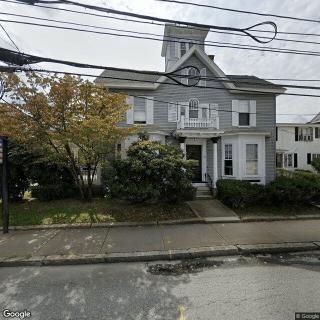
12 Amherst St, Nashua, NH 03064
To contact a resident: (603) 881-8436
For more information about senior living options: (866) 208-4318
Overall Review of Harbor Homes Inc
Pros
 The reviewer calls Harbor Homes the best all around and notes that the staff are attentive.
- The reviewer says they feel great and like themselves again after starting to go there.
- They anticipate looking stylish once they get new teeth.
Cons
 The residents smoke indoors despite the no-smoking policy, endangering others with their secondhand smoke.
- The program manager is said to enable bullying and fail to address residents’ misbehavior.
- The living environment is described as causing more stress and worsening health symptoms instead of improving them.
- Personal items, including a kitchen light, a camping cart, and medications, are reported stolen or damaged, with blame placed on the reviewer.
- Packages are stolen, and authorities were involved due to conflicts over smell from air fresheners, indicating unsafe conditions.
- The home is described as not living up to what was advertised, with poor management and horrible customer service.
Review
Harbor Homes Inc in Nashua is best suited for residents who place a premium on close, health-forward care and staff attentiveness. For someone managing diabetes or other chronic concerns, this setting can translate into real wellness gains when daily attention, medication coordination, and supportive routines are consistently provided. A resident’s account of meaningful health improvement after joining underscores a core strength: caregivers who are visibly engaged, responsive, and capable of helping with daily needs. For families seeking a practical path to better daytime functioning and reliable staff interaction, Harbor Homes can be a credible option worth serious consideration.
Yet this community carries significant caveats that demand attention before committing. The most consequential red flag concerns the environment for anyone sensitive to secondhand smoke. Reports describe residents smoking indoors with little enforcement of the stated no-smoking policy, raising legitimate fears about respiratory health and air quality. In addition, there are troubling accounts of personal belongings and packages, along with medications, being lost or stolen, and even eviction warnings issued amid resident disputes rather than clear safety concerns. When a program manager is described as enabling bullying and failing to address recurring conflicts, the reliability of day-to-day operations comes into question.
The strongest pro, genuine attentiveness and a health-centric approach, can deliver meaningful day-to-day improvements for residents who respond to close staff support. However, the main cons, uncontrolled smoking inside, security and privacy risks from resident-to-resident dynamics, and uneven management oversight, limit the overall value. The health benefits may be real for a single person, but they do not automatically translate into a stable, low-stress living environment when theft, retaliation, and eviction tensions are part of the backdrop. In practical terms, positive health outcomes depend on a safer, more consistently governed setting that current reviews suggest is not reliably in place.
For families evaluating Harbor Homes, rigorous due diligence on governance and safety is essential. Verify how smoking is actually controlled on a day-by-day basis and whether there are designated outdoor spaces with proper ventilation and enforcement. Ask for the cadence and transparency of incident tracking, confirm accountability for missing items, and probe how staff turnover might affect continuity of care. Seek fresh feedback from current residents and inspect how disputes and alleged bullying are handled in practice. Examine licensing and inspection records, and insist on clear policies protecting personal property and medications. Only with confidence in governance can the health advantages be fully trusted.
Day-to-day life at Harbor Homes will likely blend moments of attentive care with episodes of tension. Meals, medication management, mobility assistance, and routine monitoring may run smoothly when staff are engaged and policies are clear. But the environment described by several reviewers suggests recurring friction that can escalate, especially around noise, belongings, and interactions with other residents. Such dynamics create a stress layer that can undermine health gains rather than support them. Prospective residents should visit at multiple times, observe staff-resident interactions, and assess whether front-line staff can defuse conflicts without triggering further disruption. Personal safety, privacy, and predictable routines must be non-negotiable prerequisites before any move.
Bottom line: Harbor Homes represents a nuanced choice. For families prioritizing tangible health improvements and a visibly attentive care team, it can deliver meaningful gains when governance is stable and rules are consistently enforced. But for those requiring a consistently secure, low-conflict, smoke-controlled environment, exploring alternatives is wise. Consider other Nashua options with stronger policy enforcement, clearer safety protocols, and reputations for steadier governance. If possible, arrange a trial stay or sit in on multiple shifts to gauge everyday reality and solicit direct resident references. When safety, predictability, and clean adherence to rules align with care goals, Harbor Homes can be a workable fit; otherwise, the search should extend to communities where stability and protection are non-negotiable.
 Manchester (12 miles away)


 Supportive Employee Benefits That Help Caregivers Attain Better Work-Life Harmony
 Top Cars for Senior Drivers and Essential Safety Innovations
 A Closer Look at Private Pay Home Care