
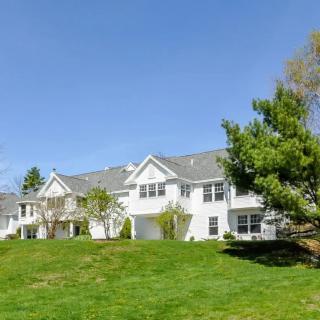
21 Upper Mile Point Drive, Meredith, NH 03253
For more information about senior living options: (866) 208-4318
Overall Review of Meredith Bay Colony Club
Pros
 The administrator was really good.
- The location is great.
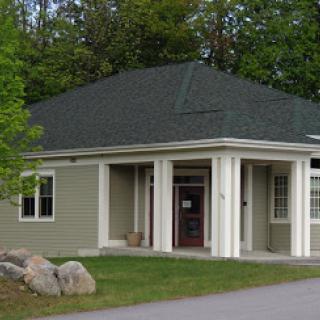
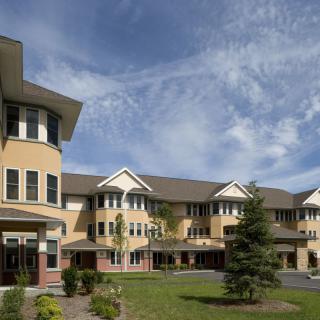
- The facility is nice.
- It feels very homey and welcoming.
- The Gardens' staff are described as angels who cared for her, providing joy and dignity.
- The activity director provides many activities for residents and opens some to the local community.
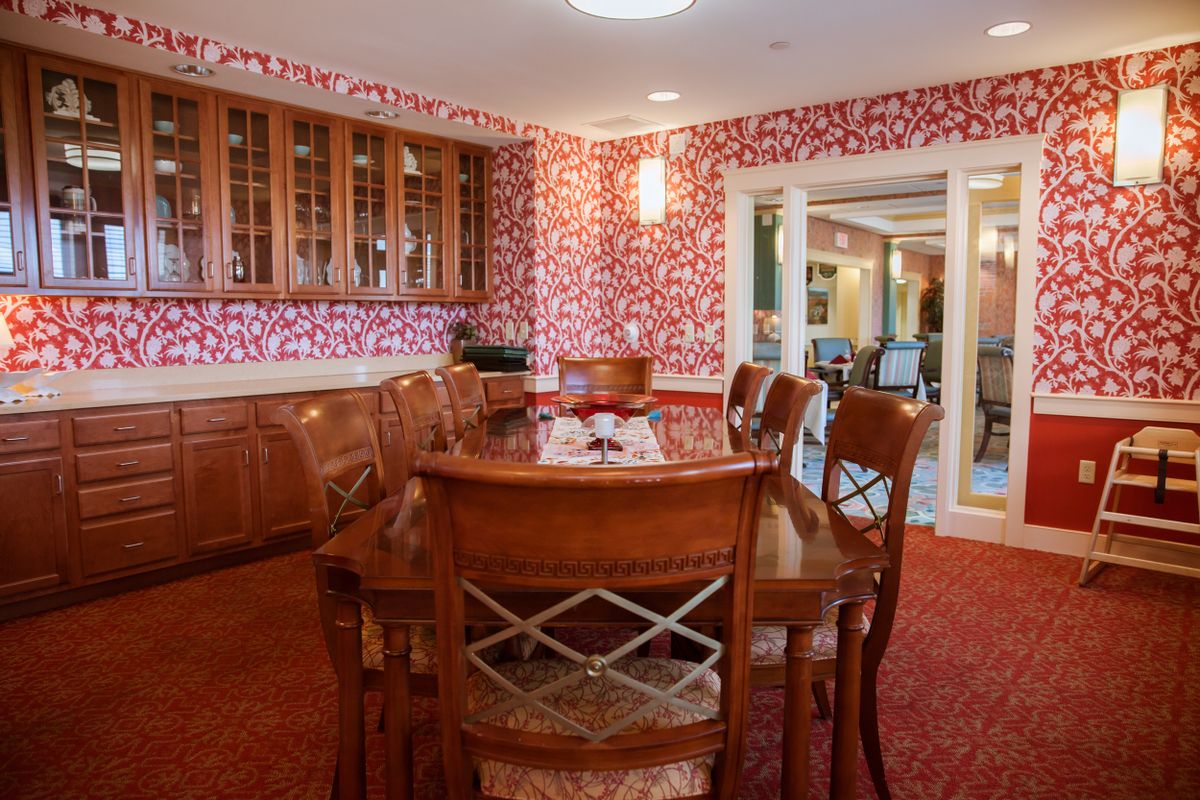
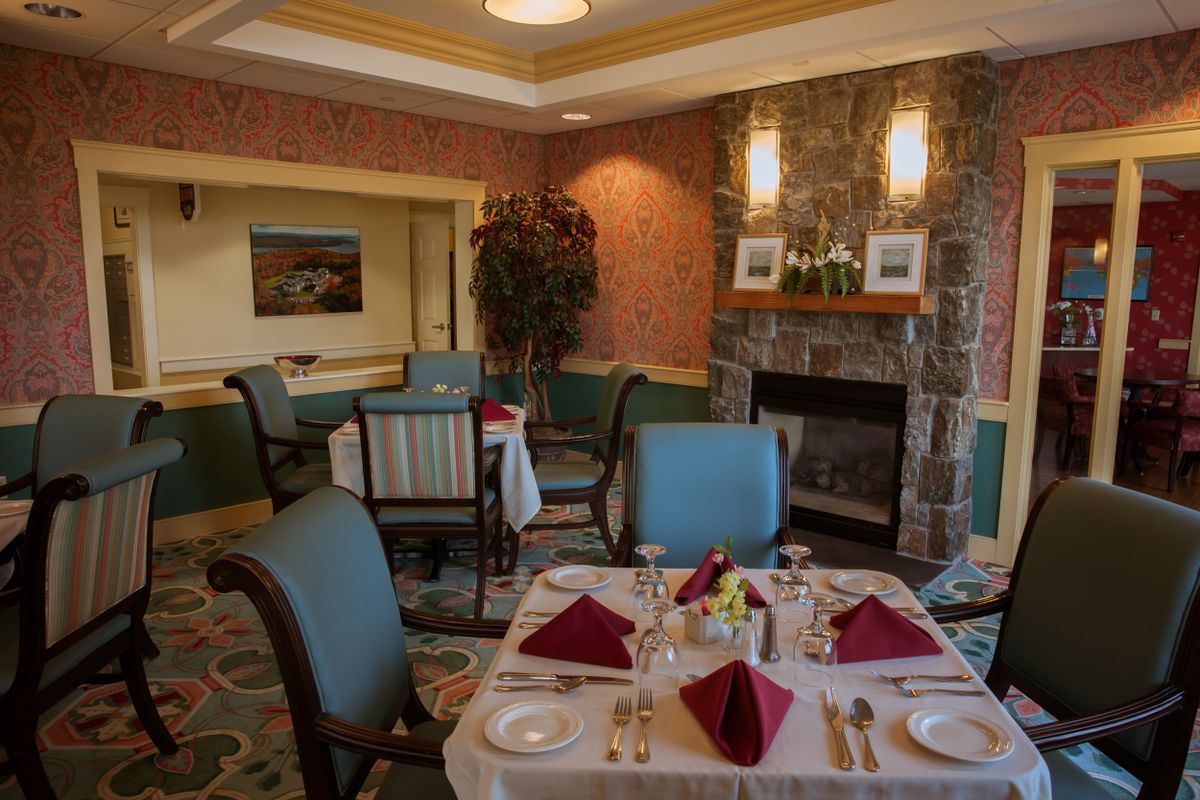
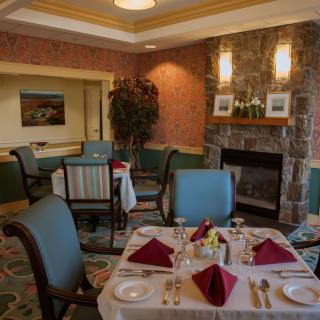
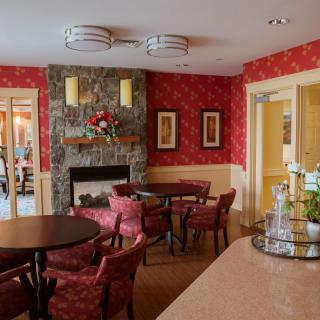
- A chef is on staff with multiple dining venues.
- The facility offers a wide range of activities within a caring community.
- Everyone is welcoming to residents and staff.
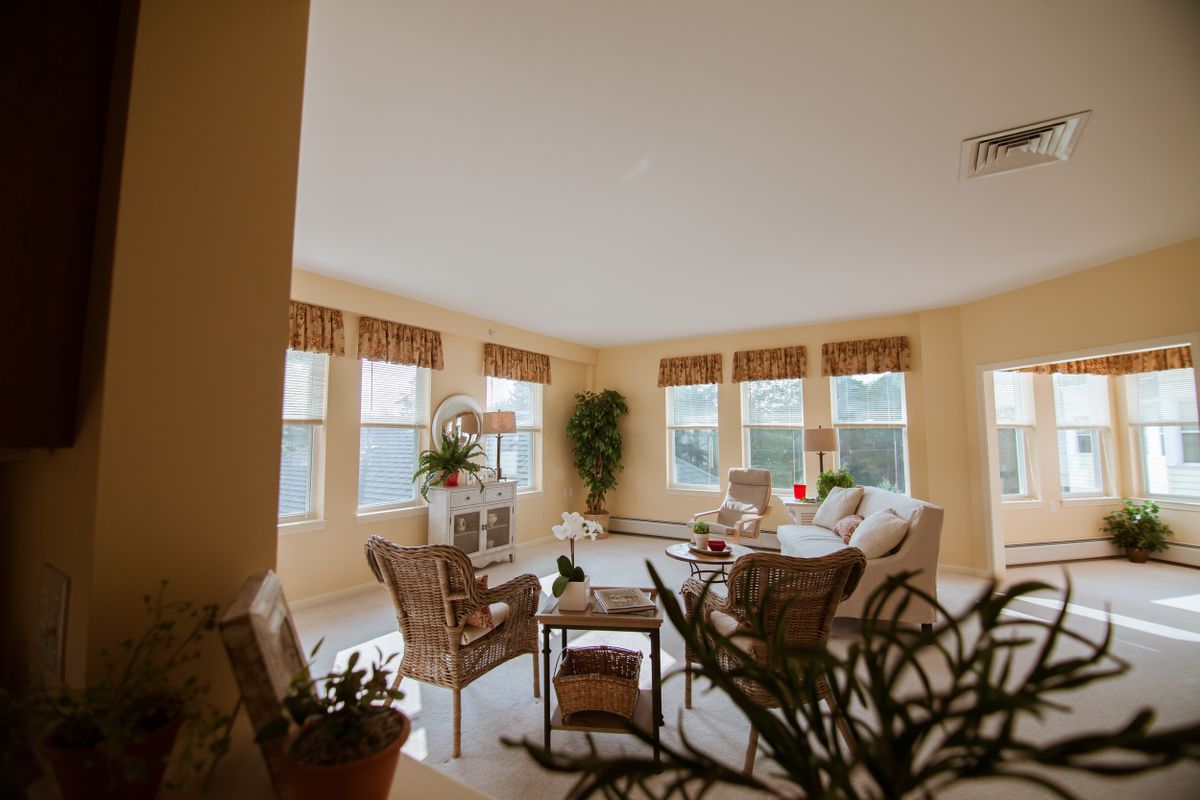
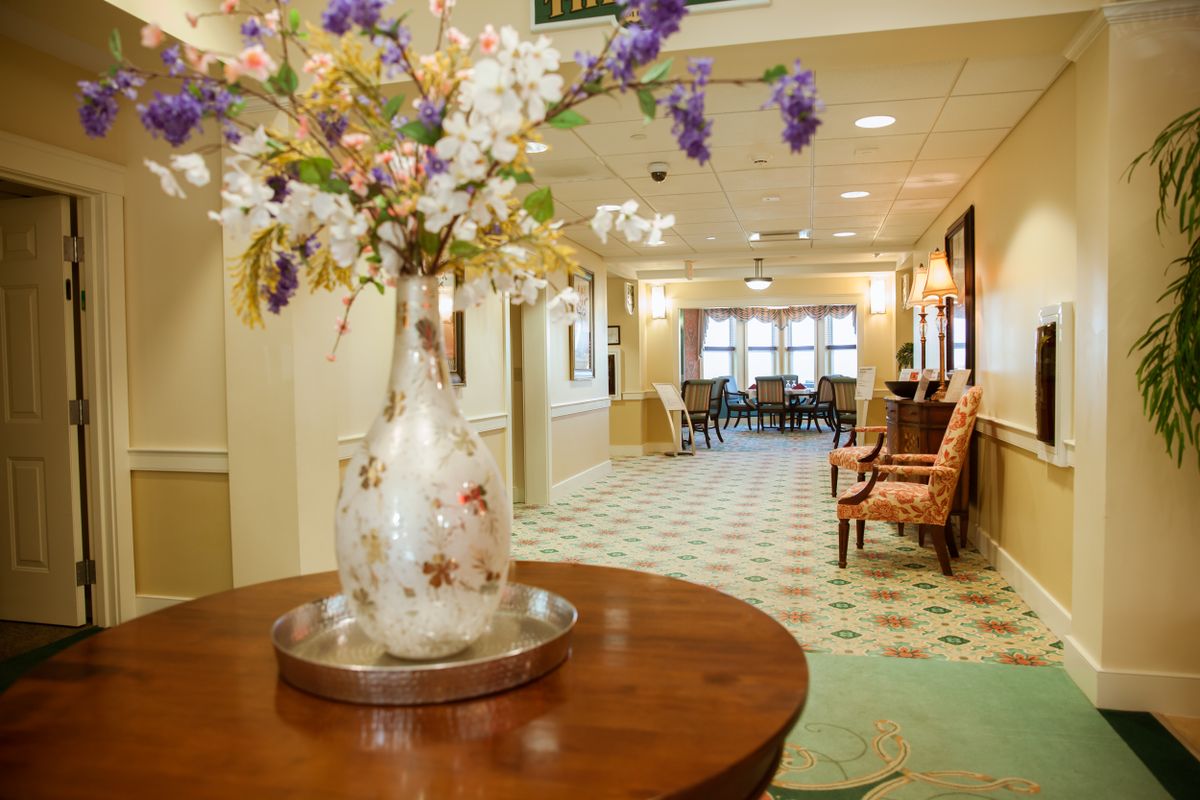
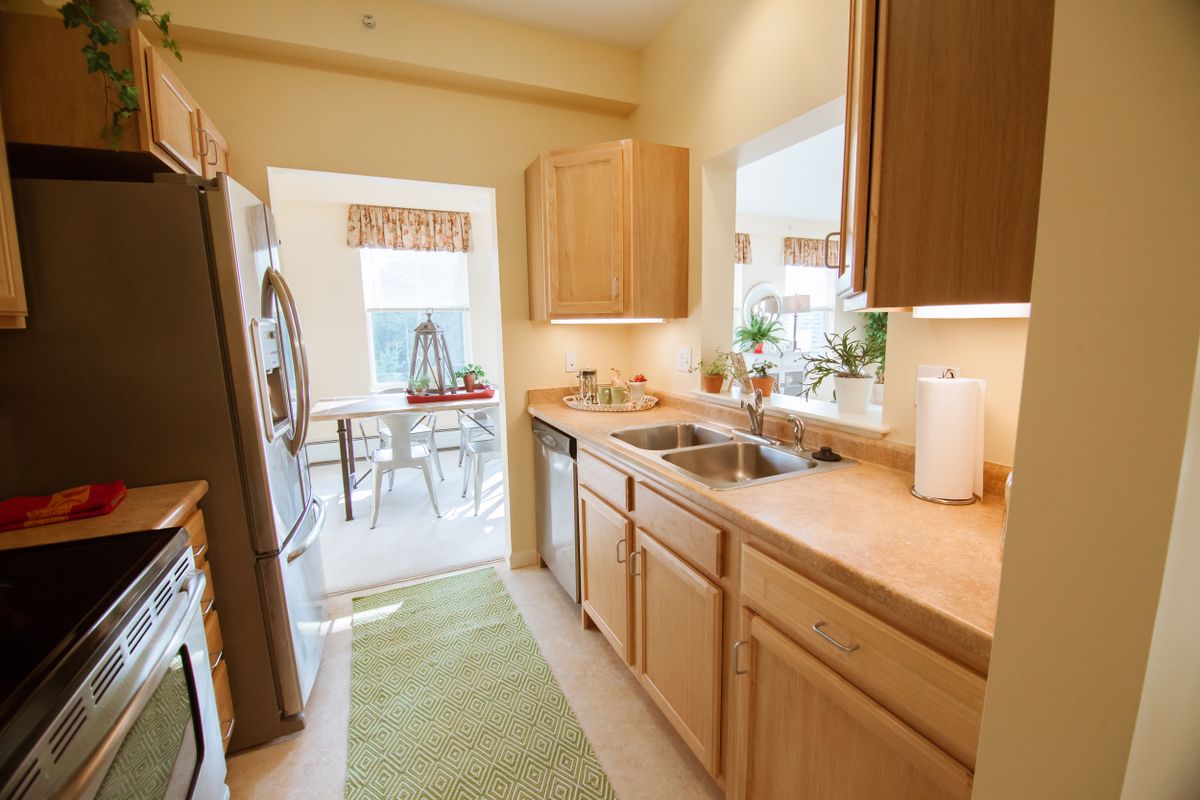
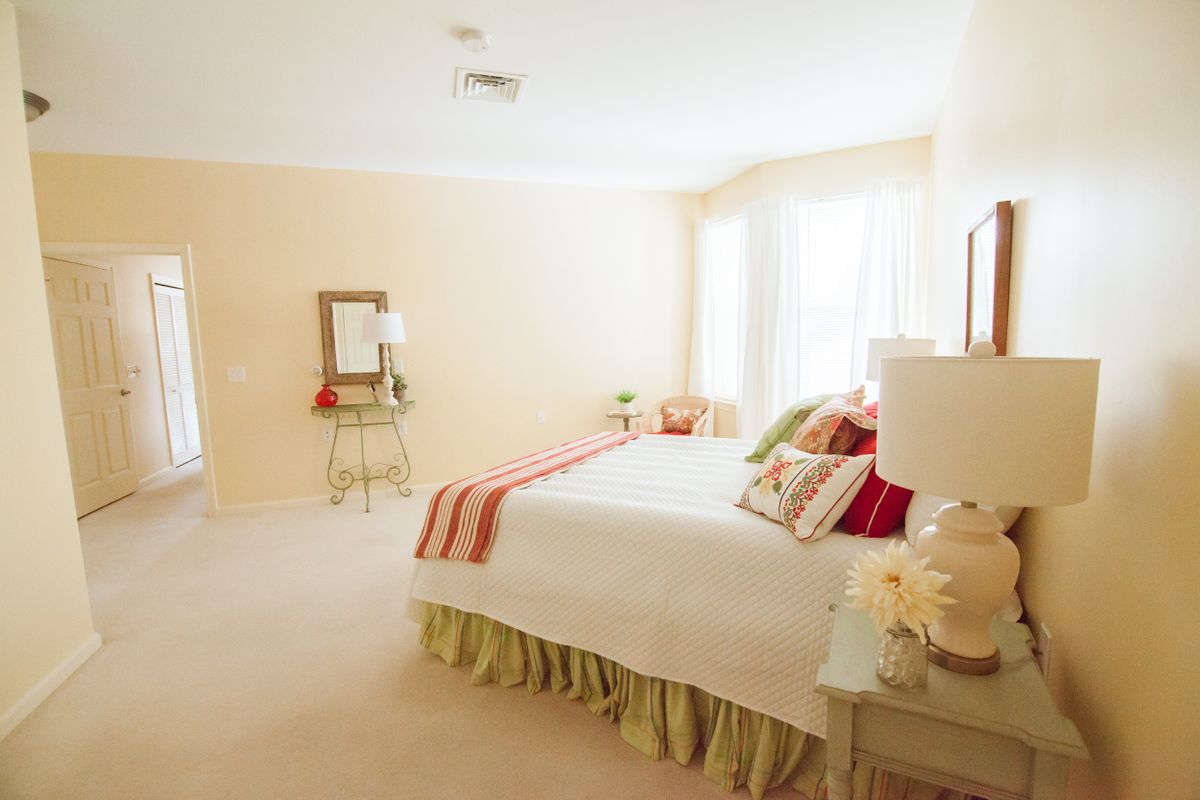
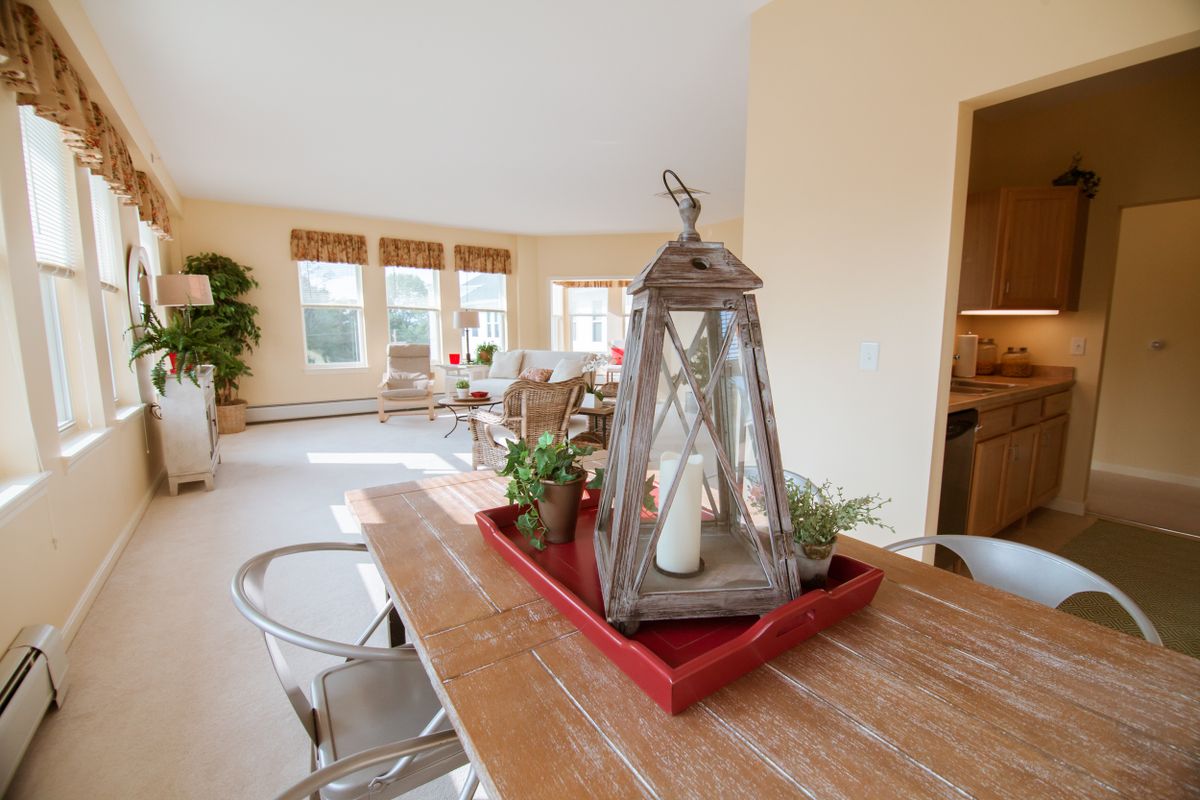
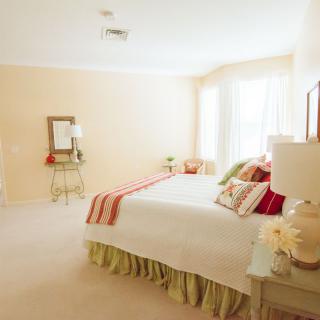
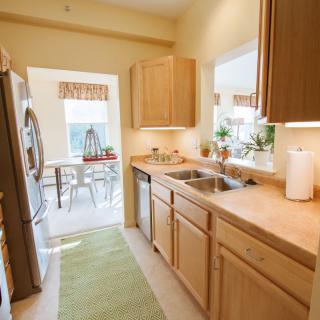
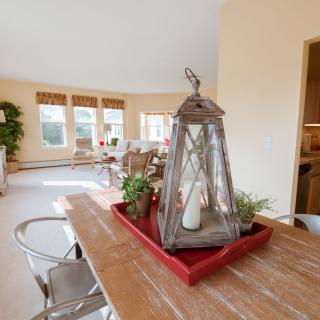
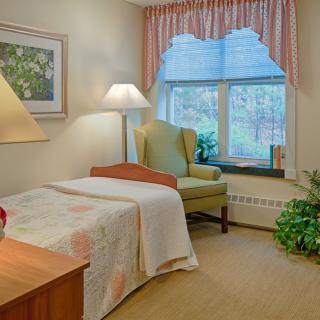
- The apartments are nice, and the facility is clean.
Cons
 They felt the memory care area was small and limiting.
- They considered the care expensive.
- They noted the facility isn’t a 4-star hotel nor a state-of-the-art hospital.
- They found there weren’t many areas for residents to hang out and not much going on.
- They observed a long waiting list with limited availability, making it slow to secure a spot.
- They were disappointed that residents weren’t taken out on drives.
Review
This community is best suited for families seeking a warm, values-driven continuing-care environment in Meredith, New Hampshire, where memory-care attention is tangible and staff operate with a high level of personal dedication. It works well for residents who want a homey, approachable campus with abundant on-site amenities, multiple dining venues, and a robust activity calendar that can be shared with family. The sense of community is repeatedly highlighted: residents and staff are welcoming, and the campus feels like a cohesive village where care teams know individuals well and treat everyday moments as meaningful. For families planning a transition that may include memory care down the line, Meredith Bay Colony Club offers a familiar, supportive setting rather than a cold, clinical milieu.
Those who should consider alternatives include families with urgent or substantial memory-care needs and limited tolerance for potential space constraints or wait times. The memory-care area, while deeply cared for, is described as smaller than some would want, with fewer shared gathering spaces for residents who need regular social triggers. Outings and external activities for memory-care residents appear more limited, which can matter for families seeking frequent outside experiences. Availability is another red flag: reviews cite a long waitlist (roughly 35 names with only about five units opening per year), and a refundable deposit policy that can muddy the timeline. If immediate placement, more expansive memory-care facilities, or a broader outside-activity program are non-negotiable, alternatives should be weighed carefully.
On the strength side, the pros substantially offset the notable cons. The administration and staff are repeatedly praised for their competence and kindness, turning the campus into a reliable, reassuring home for aging loved ones. The location is a clear asset, with easy access and lakeside appeal that enhances quality of life and visitability. The facility itself is described as beautiful, clean, and quiet, yet never cold, because the staff’s warmth keeps the environment lively. An active life is central here: an activities director curates a broad slate of offerings for independent and assisted living, with high engagement in-house that often mirrors what larger facilities promise. The dining program, three dining rooms, a chef on site, and a reserved space for family meals, adds social energy and flexibility that many families value deeply.
Memory care at Meredith Bay Colony Club receives particularly mixed but instructive signals. Families praise the staff who work with love and dedication in The Gardens, sometimes calling them “angels” who provide dignity and joy in care. Yet reviewers note the memory-care area could use more room to hang out and more frequent outings beyond the campus doors. The contrast matters: the intimate, attentive care can feel transformative, but it may not fully substitute for broader social outlets or the larger physical footprint some families expect in memory care. This tension is precisely where the decision hinges, strong, personal caregiving can compensate for spatial limits, but visibility and opportunity for memory-care residents vary by day and shift.
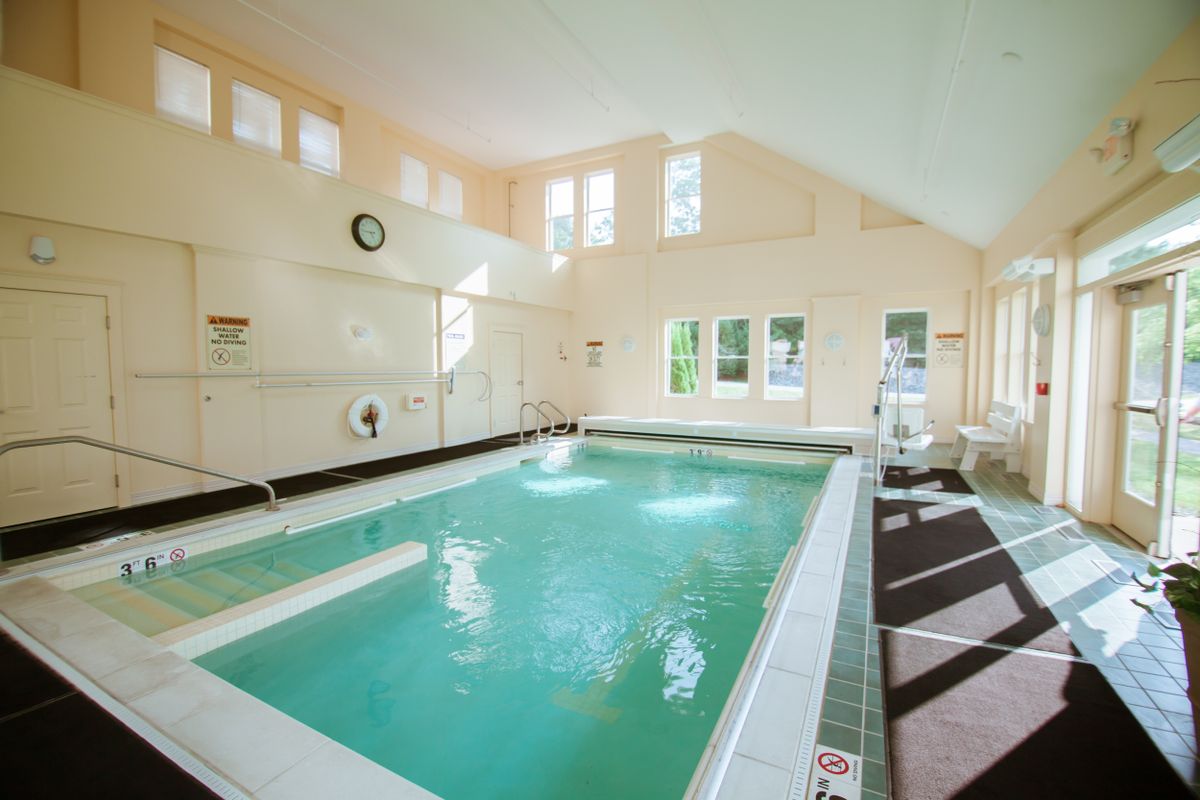
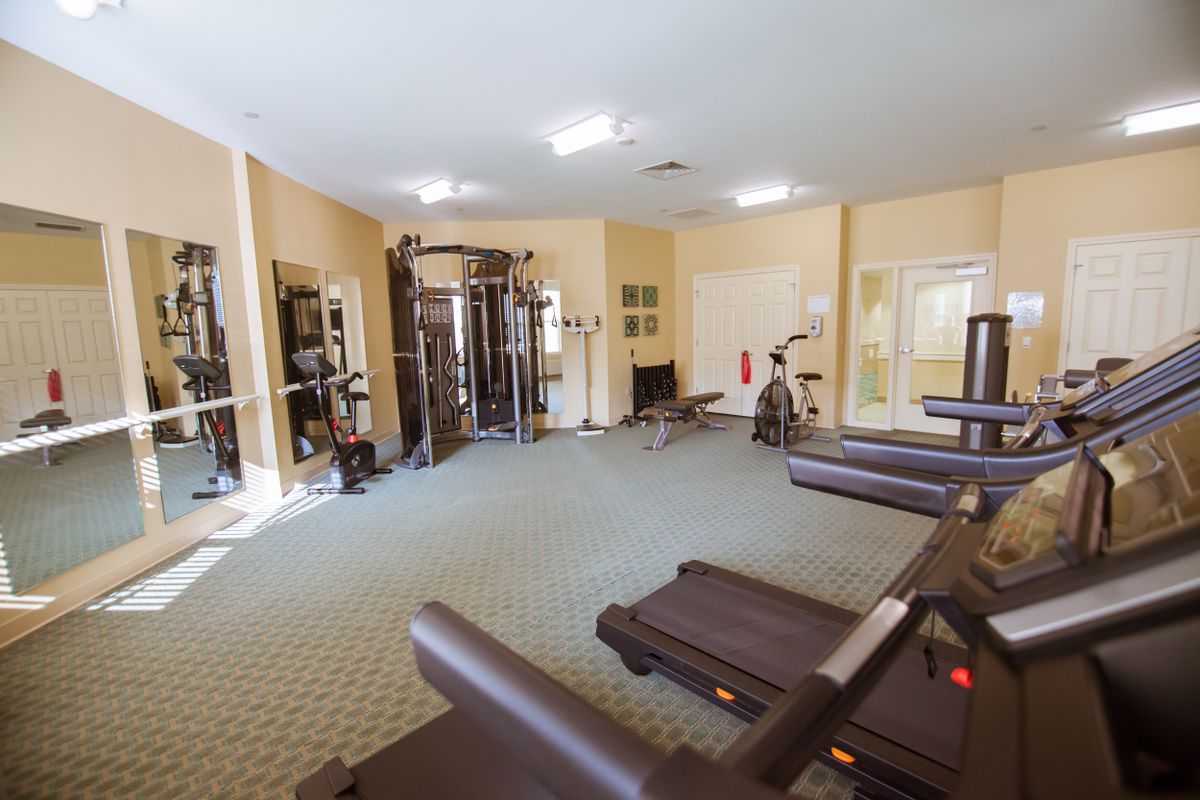
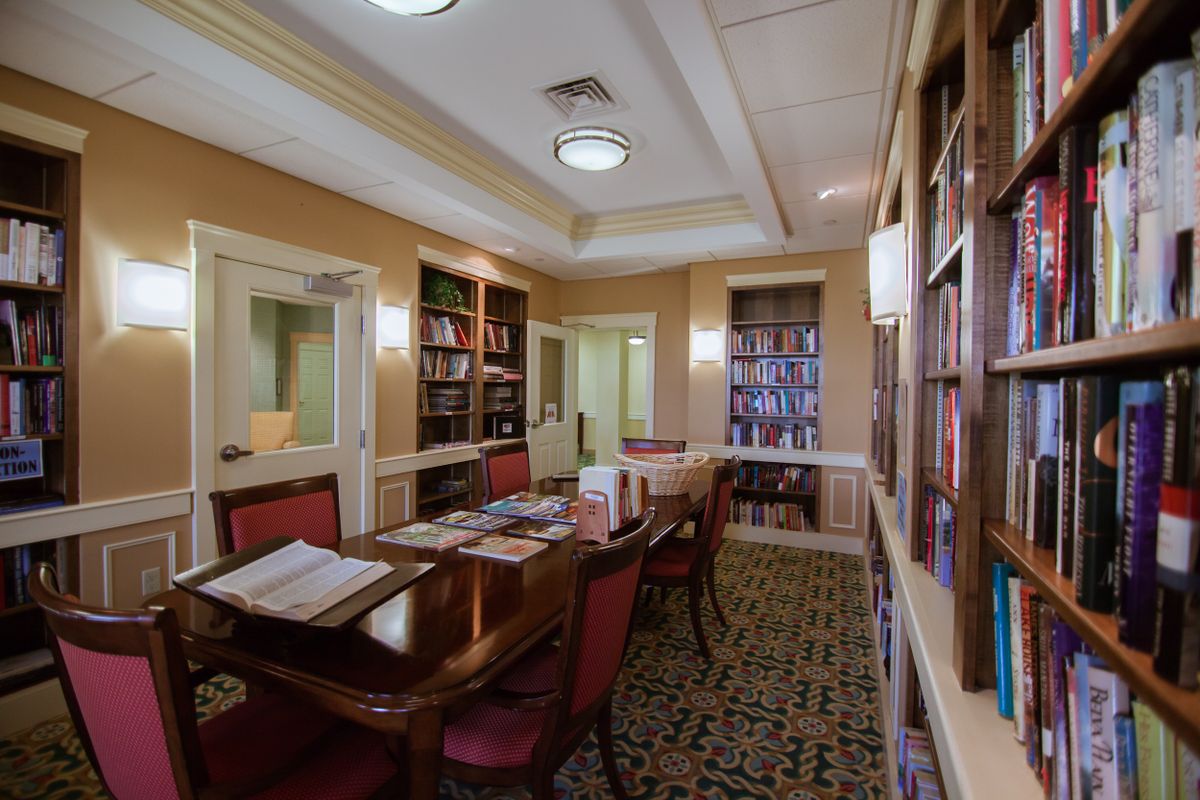
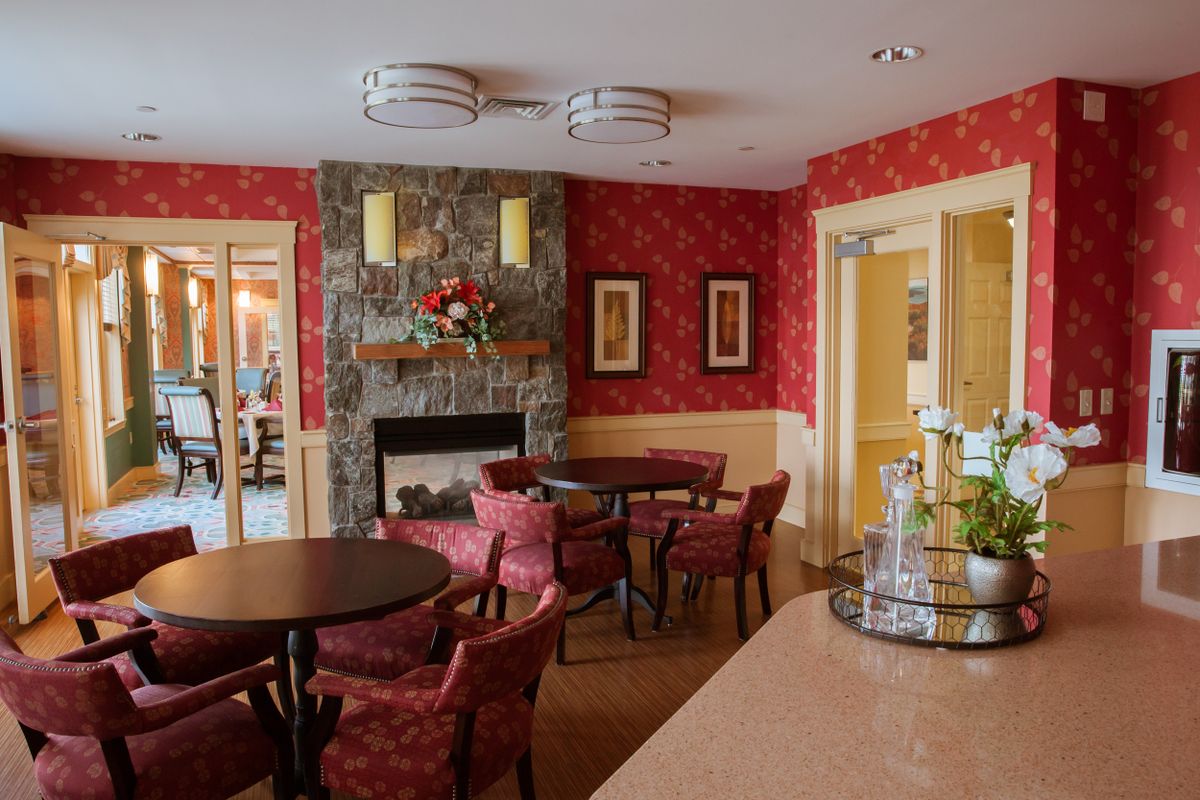
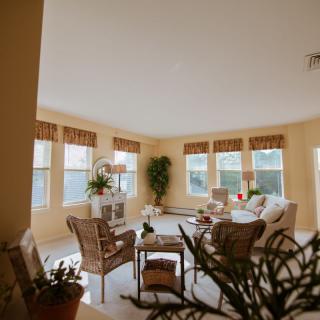
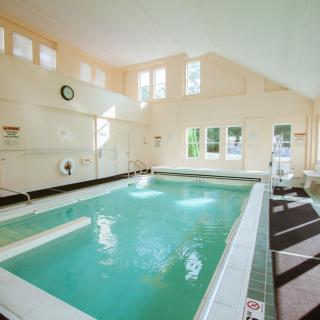
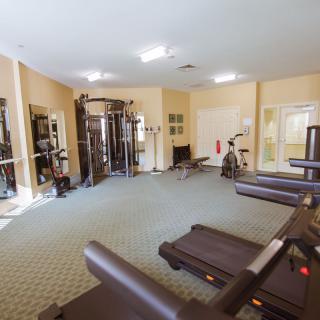
For practical decision-making, the community’s logistics deserve close scrutiny. The campus’s continuing-care option is a meaningful hedge for families uncertain about long-term needs, offering the chance to stay within the same community as care levels evolve. The deposit-and-refund model, paired with a known waiting list, can shape timing and budgeting in ways that require careful planning. Dining and social life are well-supported, with multiple venues, a paneled library, a heated pool, fitness spaces, theater, and social rooms that foster family participation and ongoing engagement. The combination of a small, intimate setting with strong activity leadership creates a predictable rhythm of daily life that many families prioritize over flashier, larger campuses.
Bottom line: Meredith Bay Colony Club is a pragmatic choice for families who value a heartfelt, neighborly atmosphere, where staff integrity and resident dignity take center stage and where a continuing-care pathway can be navigated without leaving the same campus. It is especially compelling for those who anticipate some level of memory care and want a place that treats residents as people first, with a strong menu of in-house activities and a supportive social scene. Potential buyers should assess the memory-care footprint against their loved one’s needs and hold flexibility against the long waitlist and the deposit policy. If immediate memory-care capacity, wider social outings for memory-care residents, or a larger-scale campus is essential, it is wise to compare alternatives before committing. In the right care fit, this community delivers reliability, warmth, and a tangible sense of home that families often come to rely on as years advance.
 22 resident community capacity
 1-bedroom apartments
 Assisted Living
 Board and Care Home
 Independent Living
 Memory Care
 Respite Care
 Activities on-site
 Beauty salon
 Cable or satellite TV
 Devotional services off-site
 Dining room
 Full kitchen
 Fully furnished
 Garden
 Housekeeping services
 Indoor common areas
 Move-in coordination
 Outdoor space
 Resident parking
 Swimming pool
 Telephone
 Wi-Fi/high-speed internet available
 Transportation & parking
 24-hour call system
 Ambulatory care
 Assistance with bathing
 Assistance with dressing
 Assistance with transfers
 Diabetes diet
 Diabetic care
 Hospice waiver
 Meal preparation and service
 Medication management
 Mental wellness program
 Special dietary restrictions
 Transportation arrangement (medical)
 Fitness programs
 English


 When to Transition from Assisted Living to Memory Care: Key Indicators, Steps, and Finding the Right Community
 Understanding the Distinctions: Assisted Living and Memory Care Explained
 How to Communicate with a Loved One Living with Dementia: 10 Supportive Strategies