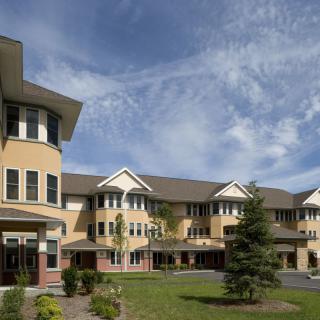
Taylor Community Costs & Pricing
Taylor Community offers notably competitive pricing for its residential accommodations compared to both Belknap County and the broader New Hampshire area. For instance, a one-bedroom unit at Taylor costs $1,195, significantly lower than the county's average of $4,095 and the state's average of $4,444. Similarly, two-bedroom units remain affordable at $1,295, in stark contrast to the county's rate of $1,298 and the state's steep $4,901. The pricing for semi-private rooms ranges from $1,700 to $5,100, which is quite reasonable when juxtaposed with Belknap County's average of $3,705 and New Hampshire's $4,881. Even private rooms at Taylor are priced at $2,800 - lower than Belknap's average of $3,442 and New Hampshire's typical cost of $5,170. Overall, Taylor Community stands out as an attractive option for those seeking quality living arrangements without straining their budgets amidst regional disparities.
| Floor plans | Taylor Community | Belknap County | New Hampshire |
|---|
| 1 Bedroom | $1,195 | $4,095 | $4,444 |
| 2 Bedrooms | $1,295 | $1,298 | $4,901 |
| Semi-Private | $1,700 to $5,100 | $3,705 | $4,881 |
| Private | $2,800 | $3,442 | $5,170 |
| Studio | $3,595 | $4,351 | $5,346 |
Memory care communities with a similar price nearby
-
from -$95 / mo

The Inn At Meredith Bay
$1,100 to $3,300 / month
7.5 miles away
Overall Review of Taylor Community
differentiator
9 reviews mention this
Continuing care and care levels
Residents describe peace of mind from continuing care and multiple care levels.
Several reviews emphasize the idea of continuing care—staying within the community as needs change, rather than restarting elsewhere. Reviews also reference residents moving through independent, assisted living, and nursing over time, and one review specifically calls out a continuing care program for people in the independent phase. There are also mentions of transitions related to dementia progressing and moving to a higher level of care when needed.
common
12 reviews mention this
Activities keep people engaged
Many residents say the activity calendar keeps them busy.
Residents repeatedly describe an active lifestyle with frequent opportunities to be involved, including trips, classes, and ongoing entertainment. Some reviews note that the community is exhausting in a good way because there is always something happening. Others also describe enjoying wellness-oriented activities such as exercise programming and groups, along with social events and day trips.
common
19 reviews mention this
Staff support stands out
Staff caring and responsiveness are frequent bright spots in reviews.
Across multiple positive reviews, residents and families describe staff as professional, supportive, and attentive to concerns. Several comments focus on how staff help residents get settled, keep people safe, and follow through on care needs day to day. A few reviews also mention management formats for hearing resident input, reinforcing that concerns can be raised and addressed.
common
3 reviews mention this
Dining feels restaurant-style
Dining is described as restaurant-like and well presented.
A few reviewers specifically talk about the dining experience, including a restaurant-style setup during their visit and positive impressions of food. One review notes that dining can be enjoyable, with food mentioned as something she sometimes talks about. Overall, dining comes through as a comfort point rather than a major complaint.
caveat
12 reviews mention this
Safety and Lifeline concerns
Some residents and families raise serious safety and security concerns.
Multiple negative reviews describe issues with monitoring and emergency response, including Lifeline and medical alert problems. Several reviews allege the Lifeline was left unplugged or malfunctioning, and at least one review links the situation to danger during an emergency. Other concerns include limited security coverage and a sense that safety issues weren’t properly addressed when raised.
common
3 reviews mention this
Memory care is available
Reviews mention a separate memory loss option within the community.
Some reviews reference memory-focused care as part of the community’s care path. One review discusses a separate memory loss section, and others describe dementia progression and moving to a higher level of care as needs increase. Together, these comments suggest memory support is a recognized part of the available services.
How we summarize
Counts show how many written reviews mention each theme; a review can touch several themes, and only frequently mentioned themes are displayed.

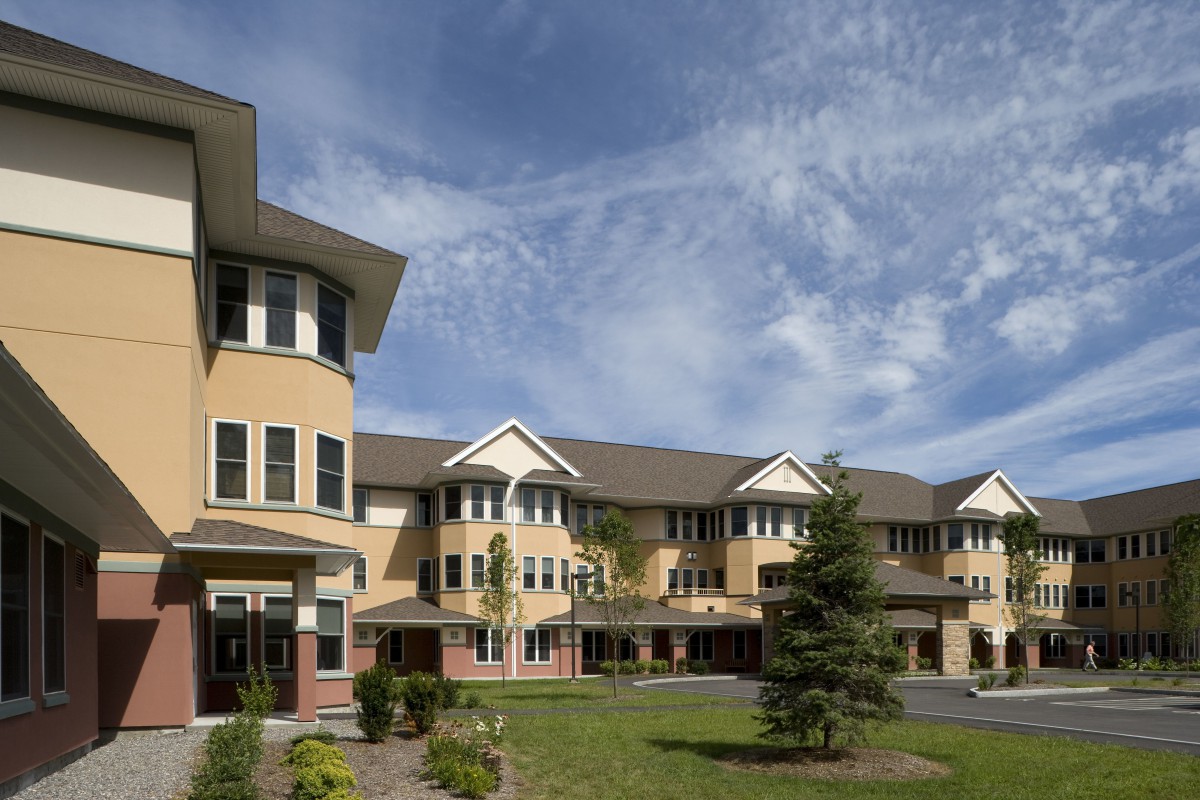
 Assisted Living
 Independent Living
 Memory Care
 Cats allowed
 Dogs allowed
 Activities off-site
 Beautician on-site
 Cable or satellite TV
 Computer center
 Devotional services off-site
 Garden
 Guasts at mealtime
 Indoor common areas
 Laundry
 Outdoor common areas
 Overnight guests
 Resident parking
 Respite or short term stays offered
 Swimming pool
 Wheelchair accessible showers
 Transportation & parking
 Ambulatory care
 Diabetic care
 Incontinence care
 Medication management
 Diabetes diet
 Low / no sodium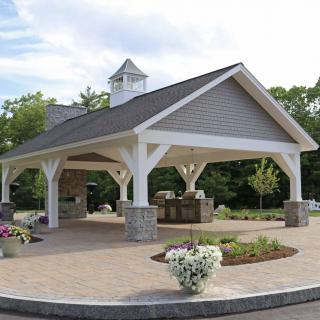
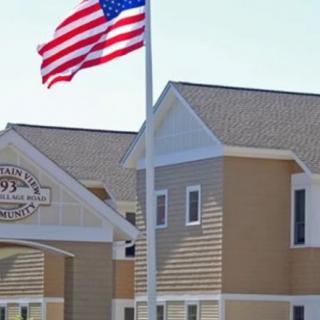
 Large campus with diverse amenities and attentive staff.
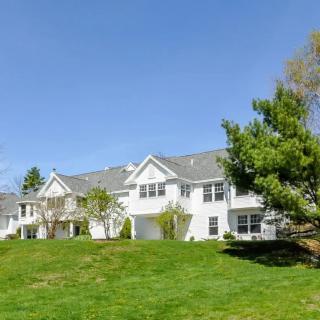
 Engaging Memory Care Activities That Enhance Quality of Life
 When to Transition from Assisted Living to Memory Care: Key Indicators, Steps, and Finding the Right Community
 Understanding the Distinctions: Assisted Living and Memory Care Explained