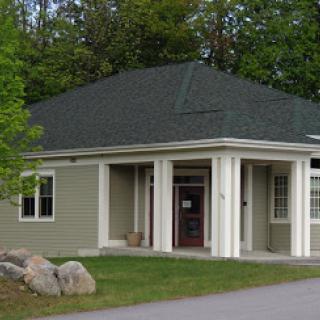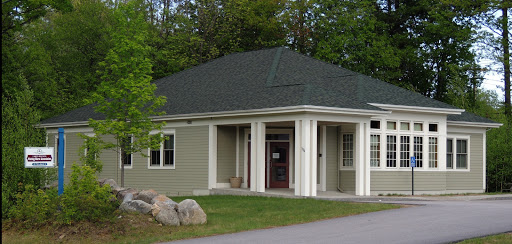
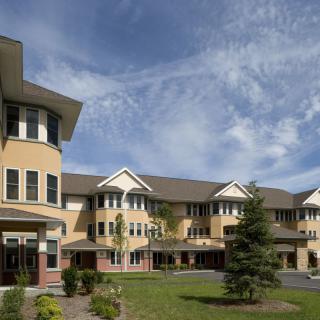
186 Waukewan Street, Meredith, NH 03253
For more information about senior living options: (866) 208-4318
Overall Review of Lakes Region Visiting Nurses Association
Pros
 The team is amazing and provides outstanding care at home.
- They deliver compassionate, professional care from nurses, PTs, and OTs.
- The care team puts families at ease and demonstrates reliability and warmth.
- The Strength and Balance classes are wonderful, challenging, and regularly updated.
- Bobbi is kind, compassionate, and a natural leader who motivates all levels.
- The programs offer effective health benefits and improve strength and balance.
- The organization has knowledgeable, sincere leaders and an exceptional clinical team.
- The in-home nursing and physical therapy staff are punctual, personable, friendly, and professional.
- The staff provide heartfelt end-of-life care and support when needed.
Review
Lakes Region Visiting Nurses Association (LRVNA) in Meredith, NH, is best suited for seniors and families who want high-quality, professional in-home skilled care delivered by a comprehensive team. This community-based model excels for post-acute recovery, complex nursing needs, ongoing therapy, and hospice support, all targeted at keeping the client safely at home. It also suits those who value regular exercise resources, strength and balance classes, chair yoga, and remote wellness guidance, that support fall prevention, arthritis management, and overall mobility without requiring a move to a facility. The combination of nursing, physical therapy, and occupational therapy in a home setting makes LRVNA a compelling choice for someone who prioritizes personalized, hospital-level expertise without changing living arrangements.
Those who may want to consider alternatives are clear: individuals who require 24/7 on-site supervision, a memory-care focused environment, or a full-amenities senior living campus with around-the-clock staffing should look elsewhere. If a resident’s needs extend beyond what home-based care can safely manage, for example, intensive long-term care, highly structured social programming within a residential setting, or specialized dementia care architecture, then a facility with dedicated memory care or assisted living may be a better fit. Geographic constraints or limited access to home-based services in certain weeks or seasons could also steer families toward facility-based options. In short, for anyone seeking a home-centered, nurse-led model with therapy, LRVNA is exceptional; for those needing constant on-site presence and social ecosystems, alternatives deserve consideration.
The core strengths of LRVNA lie in the depth and reliability of its clinical team. Nurses, physical therapists, and occupational therapists are repeatedly described as highly competent, compassionate, and patient-centered, delivering care with professionalism and steadiness. The service model emphasizes timely, in-home visits, often within days of hospital discharge or as scheduled maintenance, so families gain reassurance and continuity without hospital or clinic trips. The strength and balance programming has produced tangible results, with participants reporting improved balance, reduced pain, weight-management gains, and even elimination of some injections or medications due to enhanced function. In addition, the leadership and organizational stability come through in steady, knowledgeable guidance across all disciplines, reinforcing trust for families facing complex care needs.
These clinical and therapeutic advantages are significantly amplified by the at-home convenience and the supportive family experience. Reviews repeatedly highlight how the team brings not just skill, but reassurance to caregivers, making an anxious period more manageable. The presence of a broad spectrum of services under one umbrella, nursing, therapy, and palliative or hospice support, reduces the fragmentation that often comes with coordinating multiple agencies. Equally important are the community-based wellness offerings: instructors like Bobbi and Jenna lead engaging Strength & Balance and Yoga classes that meet participants at multiple locations, delivering genuine value at little to no additional cost. The documented ability to stabilize or improve conditions at home translates into fewer trips to clinics and greater confidence for the entire household.
Still, no model is flawless, and the main drawbacks are inherent to a home-based framework. Occasional substitutions for a regular nurse can occur, and there may be limits on 24/7 on-site availability or rapid escalation of care that a hospital or facility could provide. However, these potential gaps are consistently offset by the package as a whole: dependable visit schedules, highly capable substitutes, and a team culture that prioritizes patient comfort and safety. Families often report that substitute clinicians maintain the same high standards, easing concerns about continuity of care. The result is a robust, responsive system that keeps patients safely in their homes while maintaining access to hospital-grade expertise when needed.
For families weighing options, a practical path forward with LRVNA is clear: this is a premier choice for home-based skilled nursing, therapy, and supportive care for those who can be served at home and who value proactive, compassionate clinicians. It is less suited for those who require the social framework and constant supervision of a traditional assisted living campus. Prospective families should obtain a formal needs assessment, verify insurance coverage and benefits, and map out a care plan that aligns with short- and long-term goals. When a plan calls for expert at-home care, coordinated therapy, and a supportive caregiver network that keeps the patient in familiar surroundings, LRVNA stands out as the practical, experienced option worth selecting.
 21 resident community capacity
 Assisted Living
 Beauty salon
 Cable or satellite TV
 Dining room
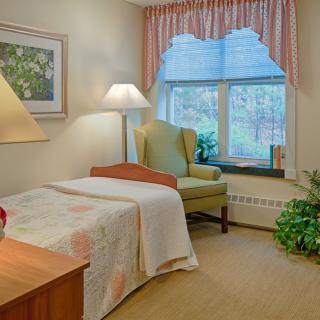
 Fully furnished
 Garden
 Housekeeping services
 Kitchenette
 Move-in coordination
 Outdoor space
 Restaurant-style dining
 Small library
 Telephone
 Wi-Fi/high-speed internet available
 24-hour call system
 Activities of daily living assistance
 Assistance with bathing
 Assistance with dressing
 Assistance with transfers
 Diabetes diet
 Medication management
 Mental wellness program
 Special dietary restrictions




 Assisted Living Expenses and Long-Term Care Insurance: A Comprehensive Exploration
 Securing Financial Support for Assisted Living: A Comprehensive Overview
 Social Security Benefits and Assisted Living: Navigating Options Across the U.S.