Partridge House offers competitive pricing on its living spaces compared to both Rockingham County and the broader state of New Hampshire. For a studio, residents can enjoy the cost-effective rate of $4,220 per month, significantly lower than the county's average of $5,403 and the state's average of $5,346. The one-bedroom apartments are priced at $5,538, which is slightly above Rockingham County's average of $5,528 but remains notably higher than New Hampshire's state average of $4,444. Overall, Partridge House provides valuable options that balance quality living with affordability in a landscape where costs can vary widely.
Floor plans
Partridge House
Rockingham County
New Hampshire
Studio
$4,220
$5,403
$5,346
1 Bedroom
$5,538
$5,528
$4,444
Memory care communities with a similar price nearby
Residents and families consistently describe staff as kind, attentive, and compassionate.
Across the reviews, families repeatedly focus on how the staff treated their loved ones with warmth and respect. Multiple reviewers mention nursing and caregiving support that made them feel confident about safety and day-to-day care. Several also call out specific team members by name and describe frequent communication and follow-through. Even in mixed experiences, reviewers often still note that the staff was nice or personable.
common10 reviews mention this
Comfort, cleanliness, and safety
Many reviews mention a clean, calm environment that helps residents feel comfortable.
Several reviewers describe the building as clean and calm, with an atmosphere that feels homey or welcoming. Others connect cleanliness and steady supervision to feeling reassured about their loved one’s well-being. A few highlight day-to-day details like residents staying clean, looking comfortable, and being cared for with patience. One reviewer with a lower rating disagrees, describing the environment as dark and run down.
differentiator5 reviews mention this
Memory care for dementia
Residents with dementia are specifically referenced with supportive care.
Some families mention extended stays that included the memory care setting, describing it as a best decision for their loved one. Reviews also describe dementia worsening and needing help that the staff provided, including help with settling in and ongoing support. One reviewer notes that their family member was in the memory care unit for months and was “very well cared for.” Another emphasizes that staff showed patience with dementia-related behaviors and helped the resident remain clean and smiling.
common4 reviews mention this
Meals and dining approach
Dining quality comes up often, including praise for the food.
Several reviewers comment on meals, saying the food was pretty good or great, and that the dining and care “fit” what their family needed. The community also offers restaurant-style dining and meal service options, including room service and support for special dietary needs like low/no-sodium and diabetes-related diets. Reviews that mention kitchen or overall food experience align with those services, with families noting satisfaction around what their loved one was served.
common5 reviews mention this
Activities keep residents engaged
Reviews commonly mention activities that help residents stay busy and social.
Families describe a structured calendar of activities, including religious, educational, and community-sponsored events, along with day trips and outings. One reviewer mentions joining activities after moving in and making friends, while another highlights how staff helped keep their loved one moving, laughing, and occupied. During tours, reviewers also point to planned activities as part of what they saw and why they felt confident. Another review frames the program as flexible, including support for respite length when needed.
caveat2 reviews mention this
Location feels busy for some
Some reviewers say the setting on a major road affected their impression.
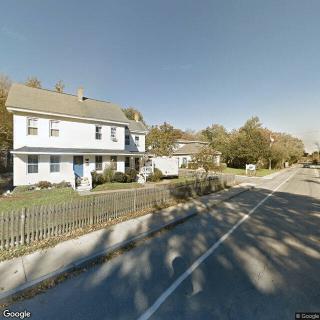
A lower-rated review describes the area as busy and mentions a funeral home directly across the street as making the overall feel more depressing. Another reviewer says the only reason they did not choose the community was that it is on a major road, even though they found the interior attractive and the staff welcoming. These comments suggest that, for at least some families, the surrounding streetscape is a deciding factor.
How we summarize
Counts show how many written reviews mention each theme; a review can touch several themes, and only frequently mentioned themes are displayed.
Features
Housing
80 resident community capacity
Types of Care
Assisted Living
Memory Care
Amenities
Activities off-site
Activities on-site
Air-conditioning
Bath tubs
Beautician on-site
Beauty salon
Cable or satellite TV
Computer center
Devotional services off-site
Devotional services on-site
Dining room
Fitness room
Fully furnished
Gaming room
Garden
Handicap accessible
Housekeeping services
Indoor common areas
Kitchenette
Move-in coordination
Outdoor common areas
Outdoor space
Private bathrooms
Respite or short term stays offered
Restaurant-style dining
Small library
Swimming pool / hot tub
Telephone
Wellness center
Wheelchair accessible showers
Wi-Fi/high-speed internet available
Transportation
Community operated transportation
Transportation arrangement
Care Services
24-hour call system
24-hour supervision
Activities of daily living assistance
Assistance with bathing
Assistance with dressing
Assistance with transfers
Diabetes diet
Diabetic care
High acuity care
Incontinence care
Meal preparation and service
Medication management
Mental wellness program
Mild cognitive impairment
Special dietary restrictions
Specialized memory care programming
Dining
Diabetes diet
Gluten-free
Guest meals
Low / no sodium
Meals provided
No Sugar
Restaurant style dining
Room service
Special dietary restrictions
Special dining programs
Vegan
Activities
Art classes
Bible study group
Catholic services
Community-sponsored activities
Concierge services
Cooking classes
Day trips and outings
Devotional activities offsite
Devotional activities on-site
Educational speakers / life long learning
Fitness programs
Other religious services
Planned day trips
Protestant services
Resident-run activities
Scheduled daily activities
Visiting chaplain or priest
Nearby Places of Interest
Located in Hampton, New Hampshire, this area offers a variety of amenities for senior living. With several cafes such as Aroma Joe's and Panera Bread nearby, residents can enjoy a leisurely cup of coffee or a meal with friends. The proximity to pharmacies like Walgreens and CVS Pharmacy ensures easy access to medications and healthcare needs. For medical emergencies, Exeter Hospital is conveniently located just 0.4 miles away. Transportation options are also readily available with C&J Bus Lines and Portsmouth International Airport at Pease within a short distance. Additionally, the area boasts several parks for outdoor recreation and relaxation, making it a desirable location for seniors looking to enjoy a comfortable and convenient lifestyle in Hampton.
Cafes
Aroma Joe's (0.2 miles)
The Juice Box (1.8 miles)
Panera Bread (4.2 miles)
Starbucks (5 miles)
Starbucks (5.6 miles)
Me & Ollie's (6.2 miles)
Starbucks (6.3 miles)
Restaurants
McDonald's (0.2 miles)
The Old Salt Restaurant at Lamie's Inn (0.6 miles)
The 401 Tavern (0.7 miles)
Smuttynose Brewing Company (1.2 miles)
Beach Plum Ice Cream Stand (2.5 miles)
Lupe's 55 Cantina (2.8 miles)
Boardwalk Cafe & Pub (3 miles)
Pharmacies
Walgreens (0.3 miles)
Rite Aid (0.8 miles)
CVS Pharmacy (0.9 miles)
Osco Pharmacy (1.1 miles)
Rite Aid (1.7 miles)
Rexall Drug (3 miles)
CVS Pharmacy (4.3 miles)
Hospitals
Exeter Hospital (0.4 miles)
Hca Health Services of New Hampshire (8.2 miles)
Portsmouth Regional Hospital (8.3 miles)
Anna Jaques Hospital Billing (8.6 miles)
Physicians
Boston Endo Surgical Tech (0.8 miles)
Dr John Maull (4.2 miles)
Exeter Endodontics (4.3 miles)
Exeter Internal Medicine (4.4 miles)
Core Gen Surgery And V (5.7 miles)
Core Cardiology (5.7 miles)
Exeter Pediatric Associates (5.7 miles)
Transportation
C&J Bus Lines (4.8 miles)
C & J Bus Lines (7.8 miles)
Pease Planesense Air Force Hangar (8 miles)
Port City Air (8.4 miles)
Portsmouth International Airport at Pease (PSM) (9 miles)
Partridge House offers competitive pricing on its living spaces compared to both Rockingham County and the broader state of New Hampshire. For a studio, residents can enjoy the cost-effective rate of $4,220 per month, significantly lower than the county's average of $5,403 and the state's average of $5,346. The one-bedroom apartments are priced at $5,538, which is slightly above Rockingham County's average of $5,528 but remains notably higher than New Hampshire's state average of $4,444. Overall, Partridge House provides valuable options that balance quality living with affordability in a landscape where costs can vary widely.
The array of features offered at Partridge House plays a crucial role in supporting residents with dementia or Alzheimer's disease, ensuring their safety and enhancing their quality of life. The 24-hour supervision provides constant monitoring, allowing staff to quickly respond to any needs or emergencies. Assistance with activities of daily living, such as bathing and dressing, promotes dignity while helping residents maintain their independence. Incontinence care and assistance with transfers ensure comfort and prevent accidents that could lead to distress. Meal preparation and service are tailored to meet the dietary needs of each individual, while medication management ensures adherence to prescribed treatments. The mental wellness program addresses cognitive challenges by encouraging engagement, fostering social interaction, and promoting emotional health. Specialized memory care programming further targets the unique needs associated with mild cognitive impairment through structured activities designed to stimulate memory retention and cognitive function, creating an environment that is both supportive and enriching for each resident.
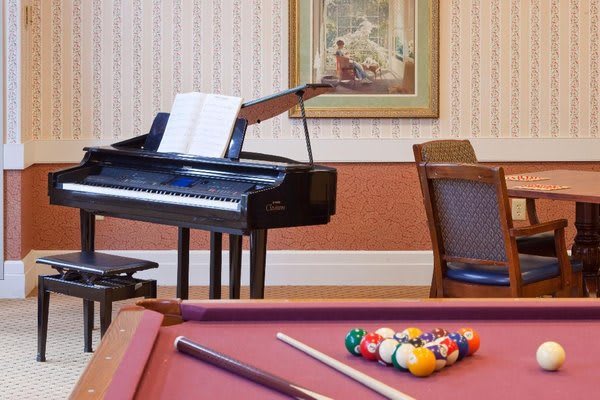
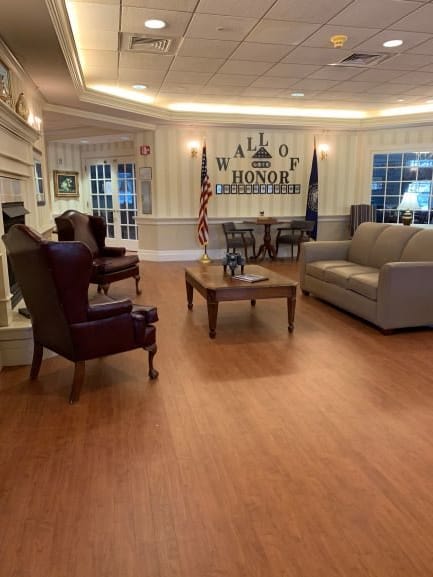
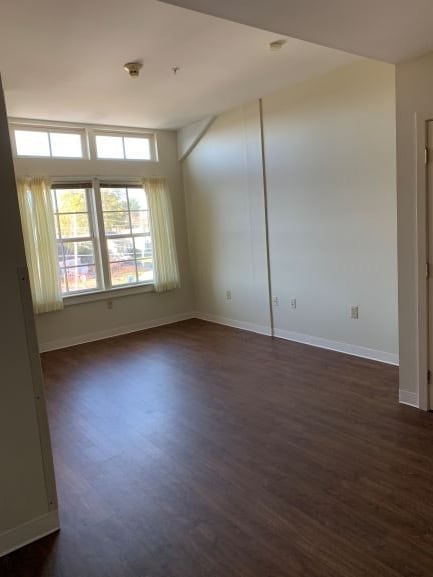
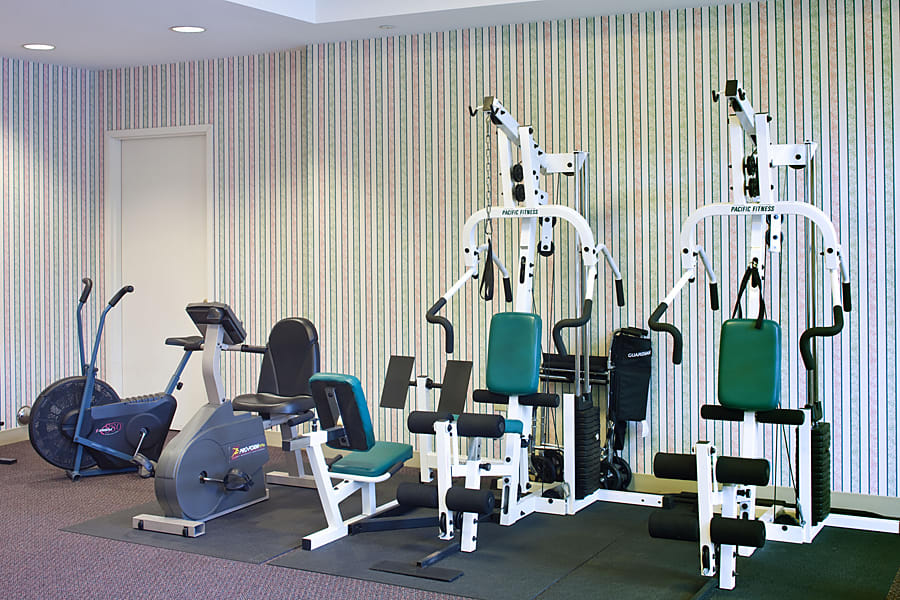
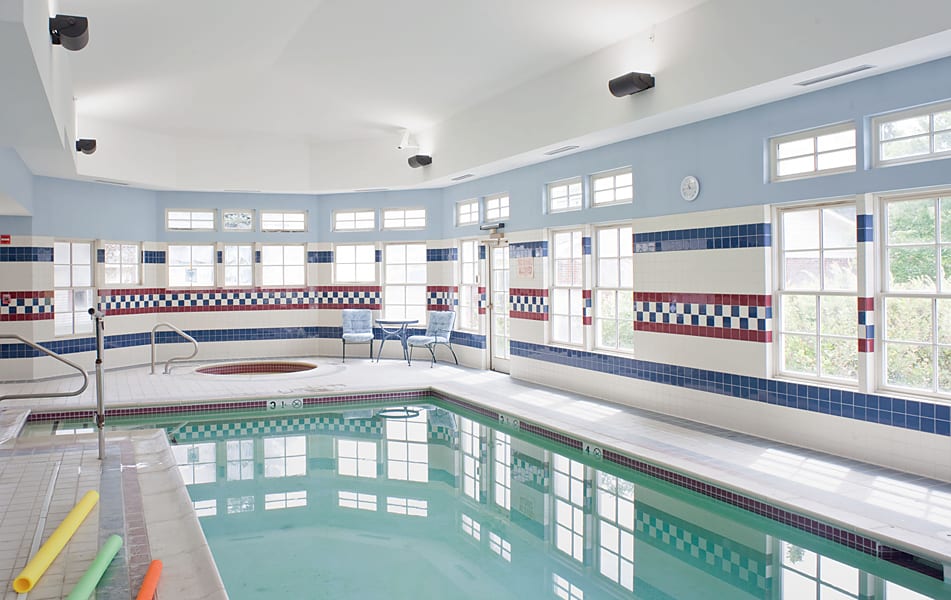
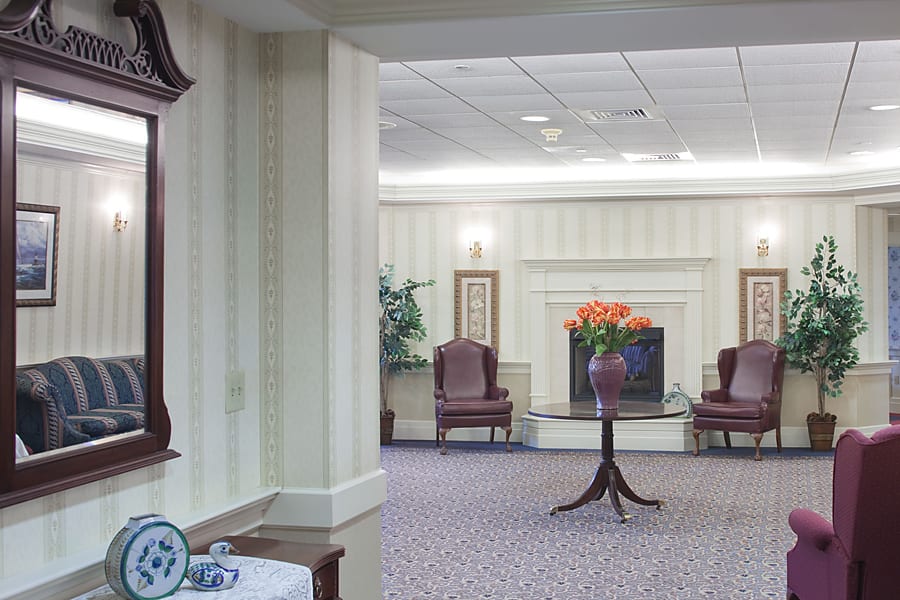
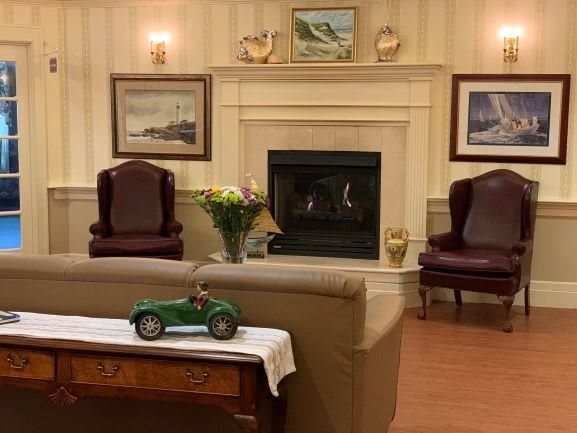
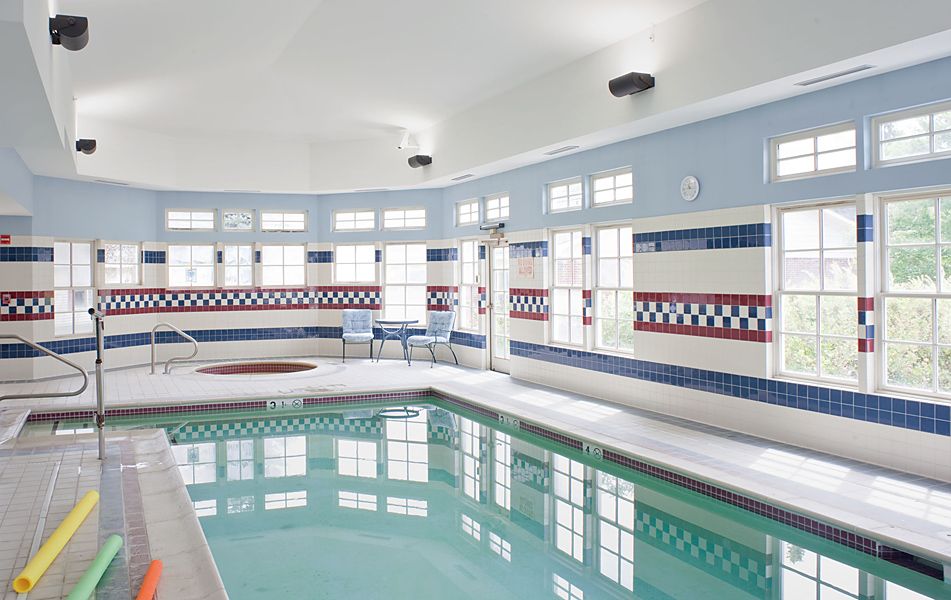
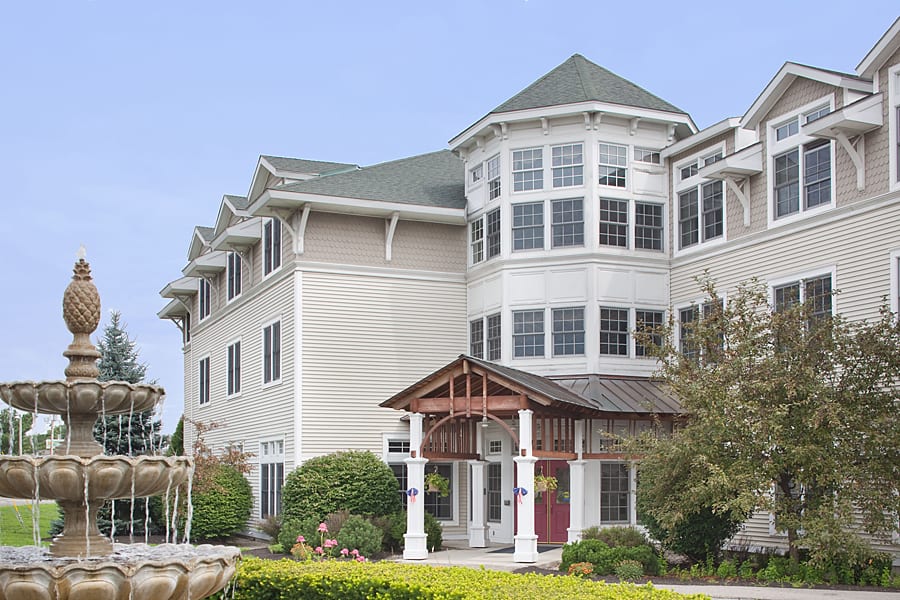
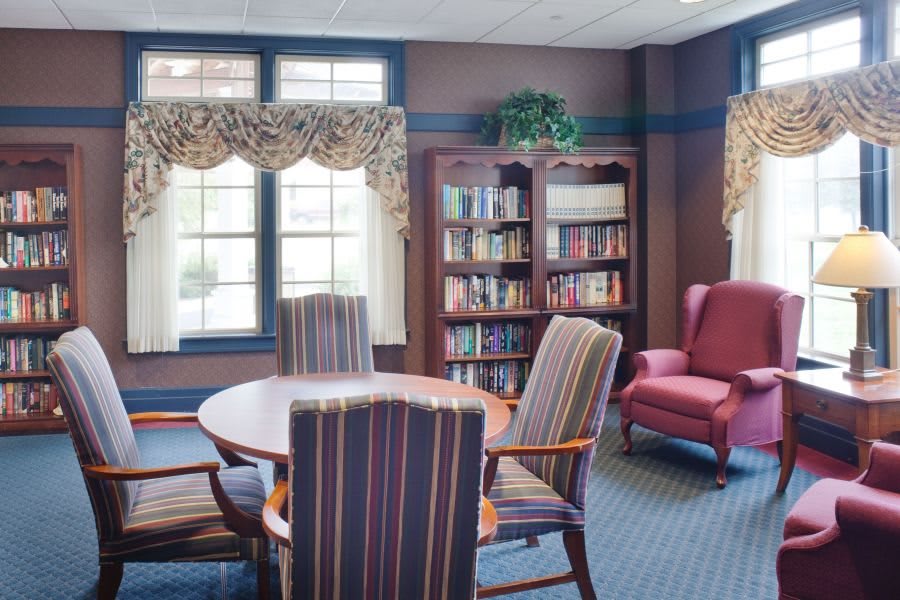
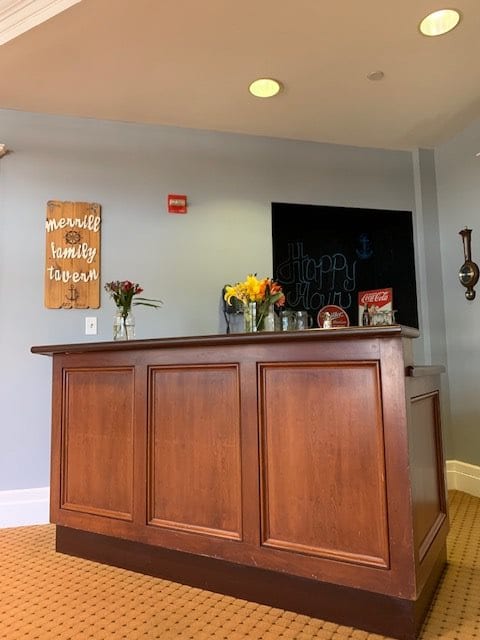
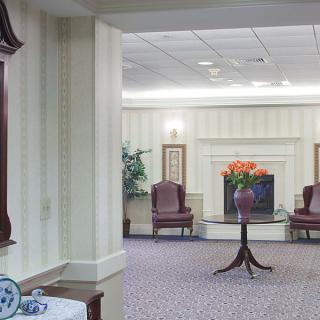
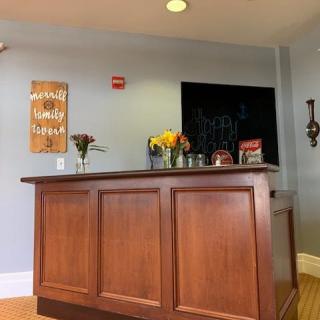
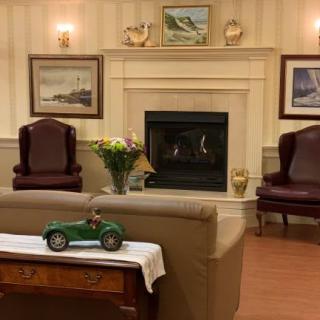
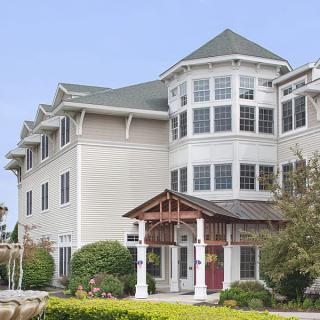
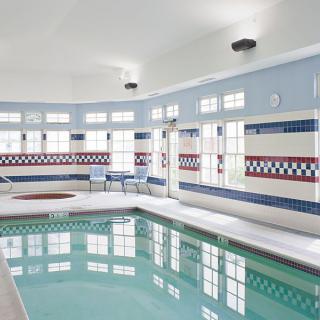
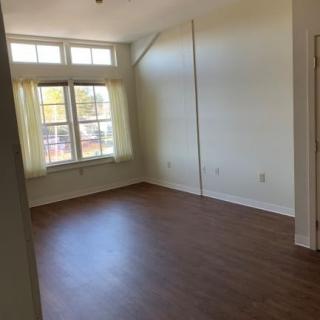
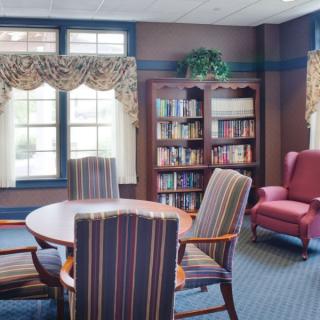
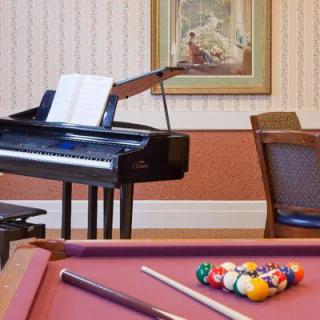
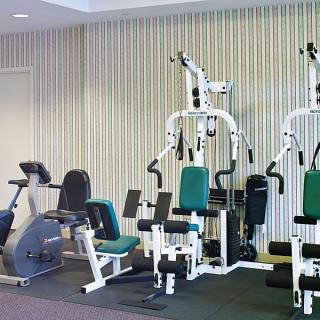
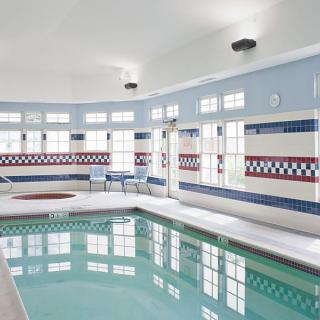
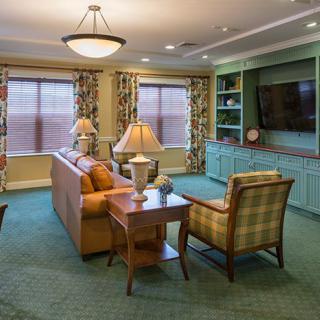
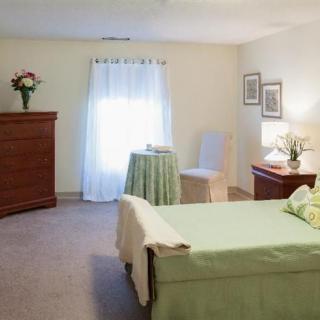
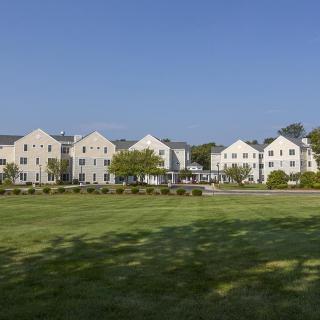
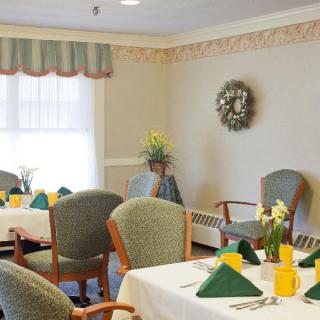
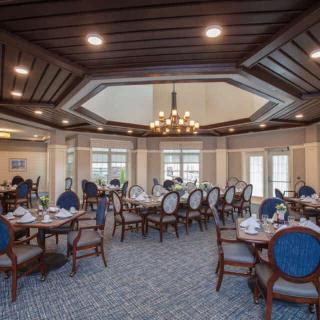
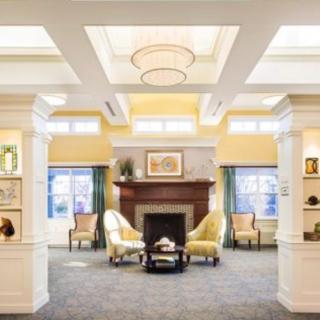
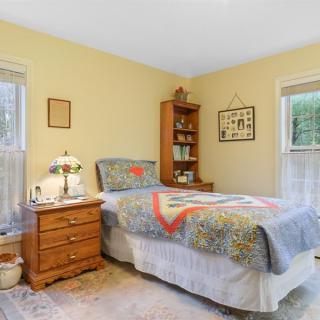
Partridge House on seniors.fyi includes 13 photos including images showing interior, windows, decor, lobby, swimming pool, natural light, library, reading room, and more.
Nearby Communities
Oceanside Skilled Nursing & Rehab
Hampton, NH
4.1 from 81 reviews
Oceanside Center
Hampton, NH
4.1 from 87 reviews
Small, personalized community with 24/7 supervision, on-site dining, and private kitchenette.
Dearborn House
Hampton, NH
4 from 12 reviews
Strong location with nearby medical services and personalized care.
Cornerstone At Hampton
Hampton, NH
5 from 23 reviews
Memory-care focused with 24/7 staff, restaurant-style dining, and well-rounded amenities.
Cornerstone at Hampton Assisted Living & Compass Memory Support
Hampton, NH
4.8 from 26 reviews
Caring, knowledgeable staff with a bright, memory-focused environment and engaging activities.
Atlantic Heights
Hampton, NH
4 from 12 reviews
Close access to healthcare, pharmacies, and a variety of dining options in a tranquil, residential setting.
Hillside Rest Home
Amesbury, MA
5 from 2 reviews
Excellent access to healthcare and nearby amenities.
Avita of Newburyport
Newburyport, MA
4.9 from 79 reviews
$5,075 to $7,940 / month
Compassionate staff, engaging activities, and a clean, bright environment.
Pines Of Newmarket
Newmarket, NH
4.6 from 116 reviews
$3,500 to $5,000 / month
Caring staff with engaging activities in a clean, welcoming environment.
Dementia encompasses a range of cognitive impairments characterized by types such as Alzheimer's and vascular dementia, and follows a seven-stage progression model known as the Global Deterioration Scale (GDS), highlighting varying symptoms and decline timelines. Early detection allows for lifestyle adjustments to potentially slow progression, while caregivers need support and resources to manage the challenges involved in caring for affected individuals.
The guide on holistic dementia care outlines the complexity of dementia and stresses the need for individualized caregiver strategies that include medical treatment, psychological support, and environmental adaptations, while emphasizing early detection, various therapeutic options, and caregiver support to enhance quality of life and maintain dignity.
Activities of Daily Living (ADLs) are fundamental tasks vital for an individual's independence, particularly in older adults over 85, and include functions like bathing and dressing; assessing ADLs alongside Instrumental Activities of Daily Living (IADLs) helps determine the level of required assistance due to age-related health challenges. Tailored support plans, involving family and community resources, are essential for maintaining dignity and autonomy in assisted living environments.
Get PricingAsk A QuestionSchedule A TourContact Senior Advisor
By clicking submit, you agree to our Partner's Terms of Use. You
also consent to receive calls and texts, which may be autodialed, from our Partner. Your consent is not a condition to
using our Partner's service. Please visit our Partner's Privacy Policy for information about their privacy practices.





 80 resident community capacity
 Assisted Living
 Memory Care
 Activities off-site
 Air-conditioning
 Bath tubs
 Beautician on-site
 Cable or satellite TV
 Computer center
 Devotional services off-site
 Dining room
 Fitness room
 Fully furnished
 Gaming room
 Garden
 Handicap accessible
 Housekeeping services
 Indoor common areas
 Kitchenette
 Move-in coordination
 Outdoor common areas
 Private bathrooms
 Respite or short term stays offered
 Restaurant-style dining
 Small library
 Swimming pool / hot tub
 Telephone
 Wellness center
 Wheelchair accessible showers
 Wi-Fi/high-speed internet available
 Community operated transportation
 24-hour call system
 Assistance with bathing
 Assistance with dressing
 Assistance with transfers
 Diabetes diet
 Diabetic care
 High acuity care
 Incontinence care
 Medication management
 Mental wellness program
 Special dietary restrictions
 Art classes
 Bible study group
 Concierge services
 Cooking classes
 Day trips and outings
 Educational speakers / life long learning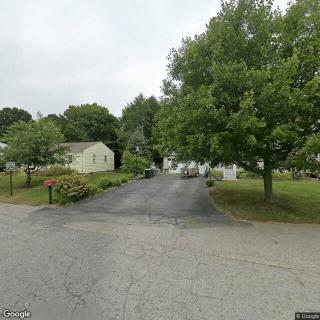
 Small, personalized community with 24/7 supervision, on-site dining, and private kitchenette.

 Understanding Dementia Through Its Seven Stages: A Comprehensive Look at Progression and Expectations
 A Holistic Dementia Care Guide: Effective Strategies for Memory Support
 Comprehensive Insights into Activities of Daily Living (ADLs) and Their Assessment