



5 Winter Street, Claremont, NH 03743
For more information about senior living options: (866) 208-4318
Overall Review of Silver Maples Residential Care
Pros
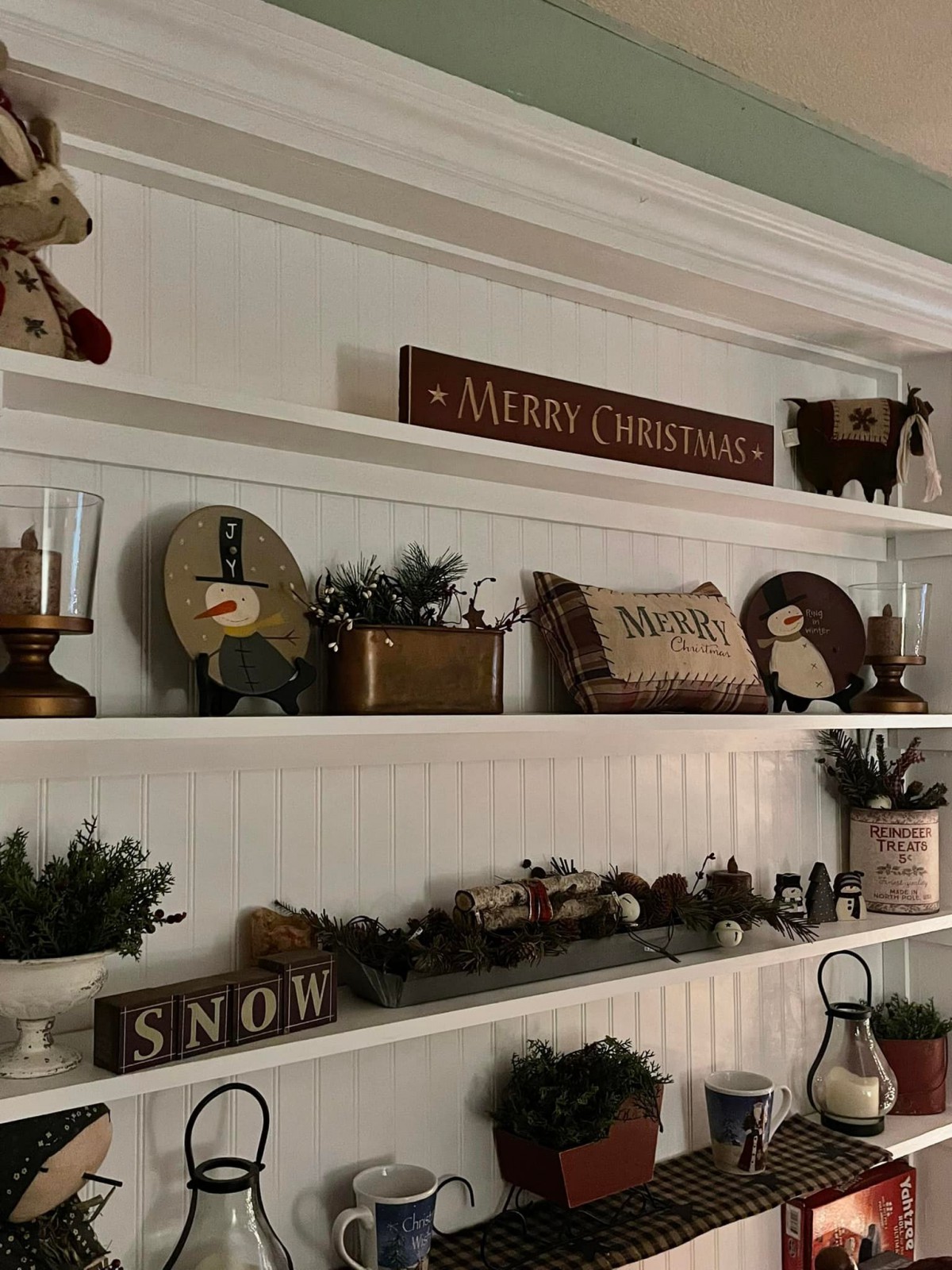
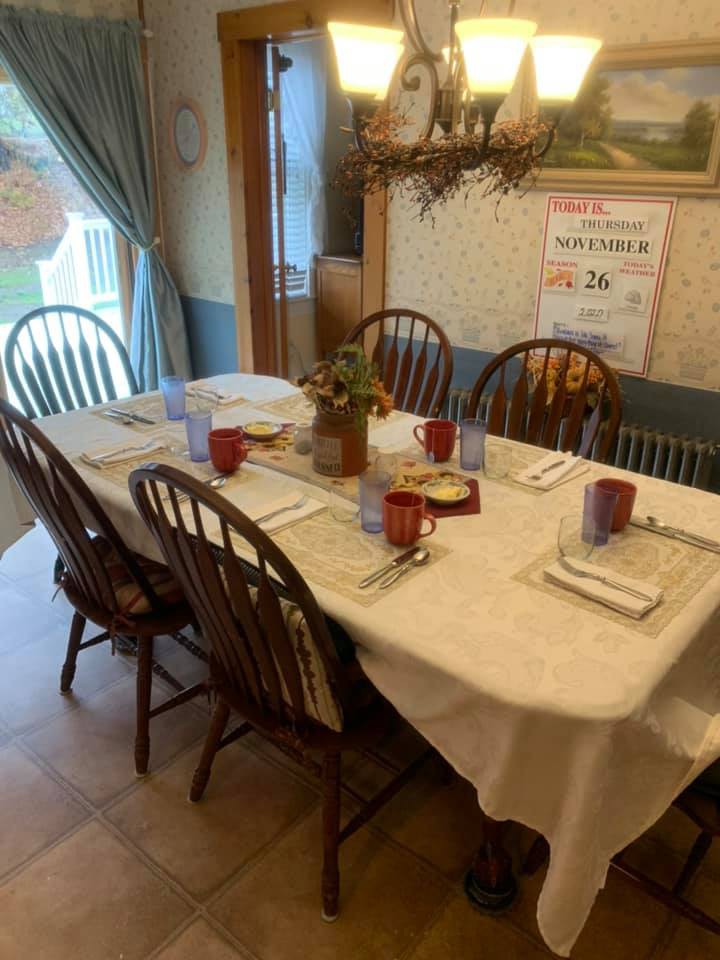
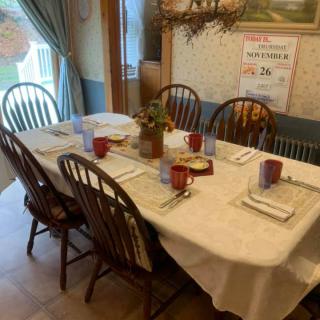
 The facility feels very comfortable.
- The staff and residents are very nice.
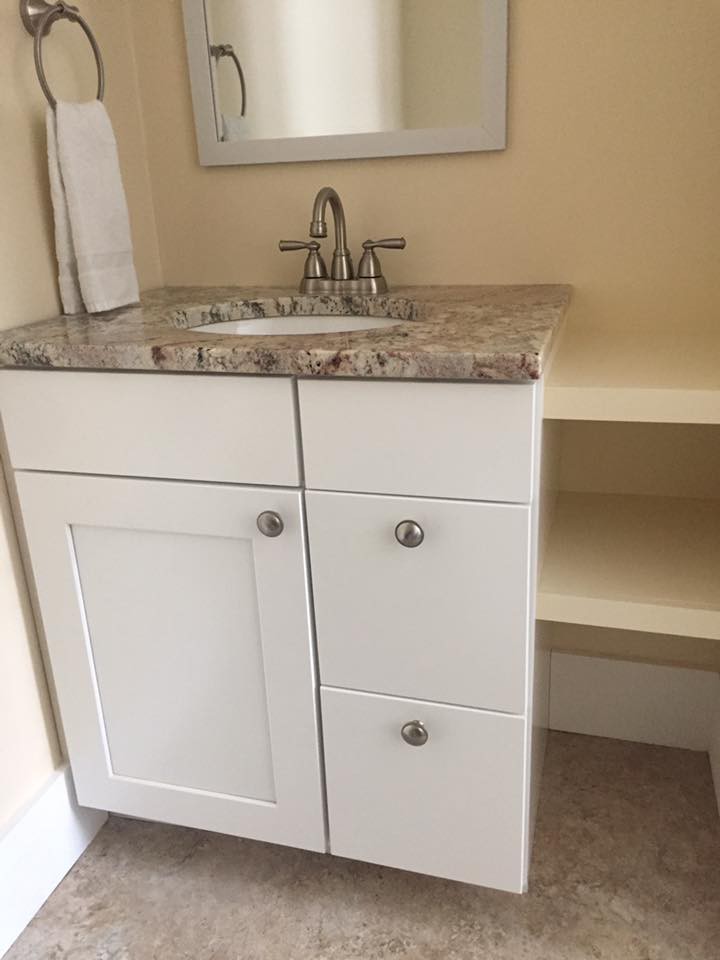
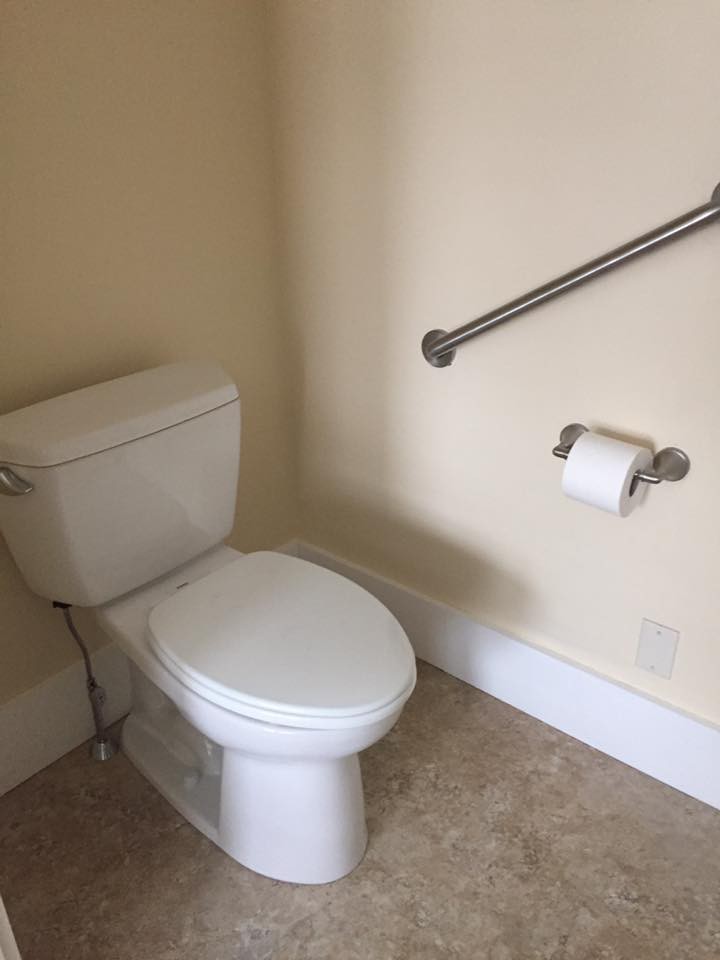
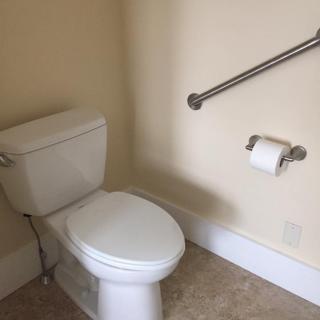
- The facility is very clean.
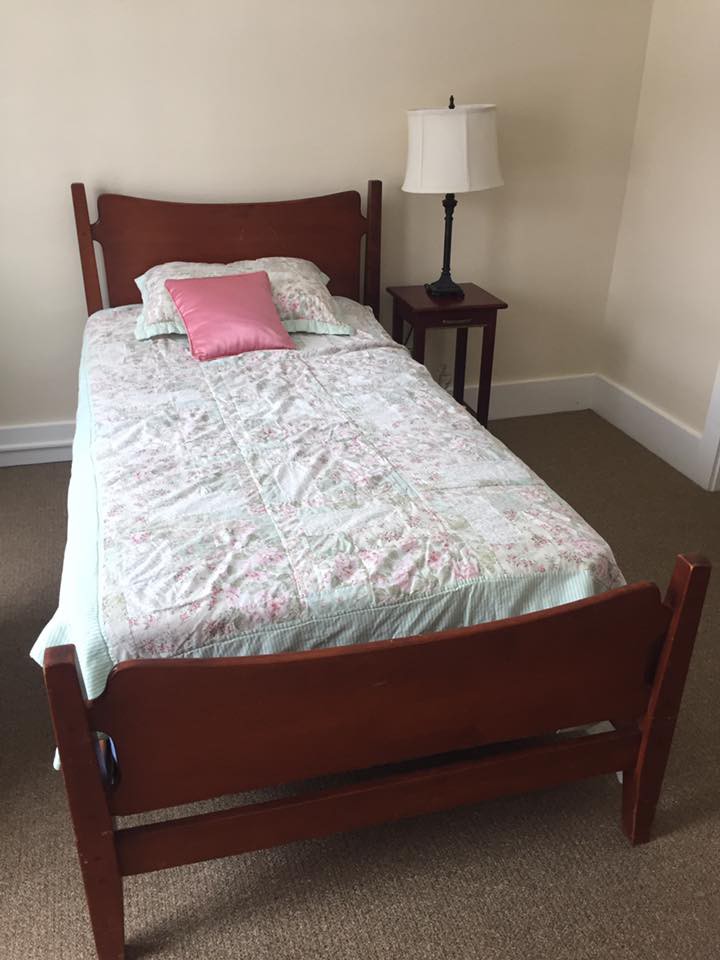
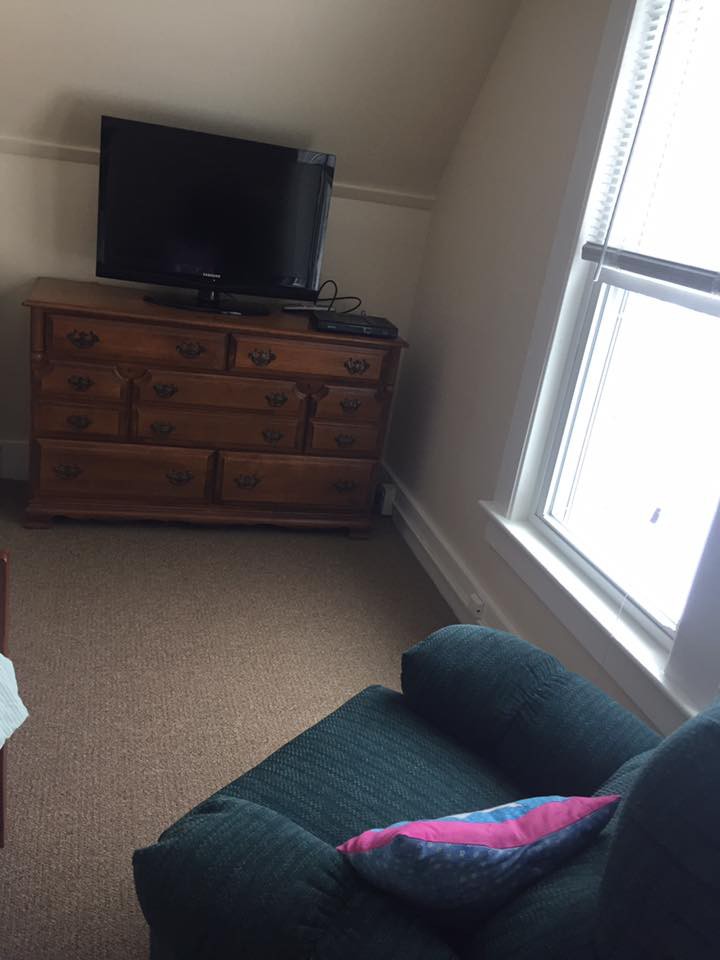
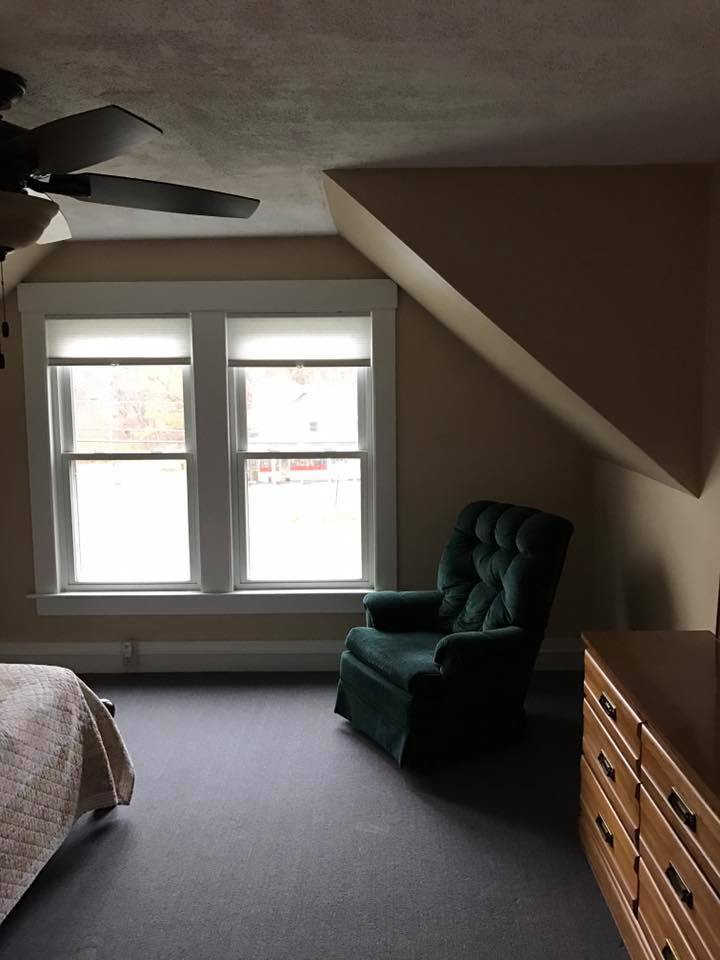
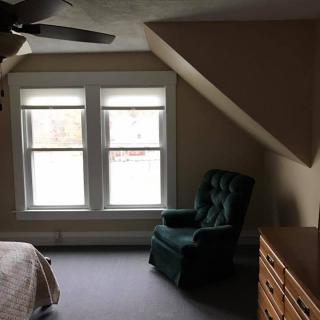
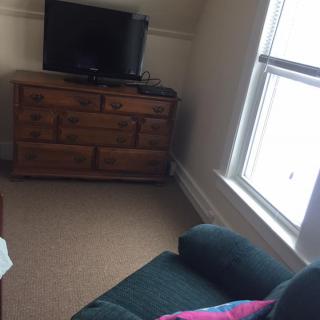
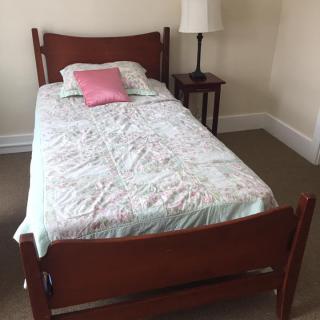
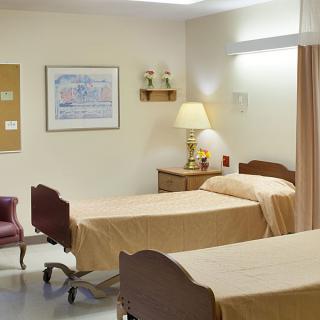
- The room is very nice.
Cons
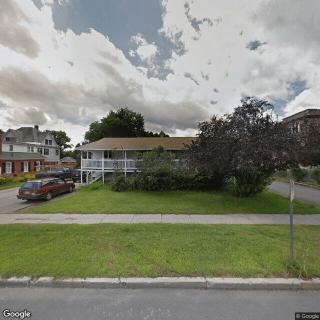
 The reviewer’s only issue was having to go up and down stairs outside to enter the home.
Review
Silver Maples Residential Care in Claremont is best suited for seniors who want a warm, well-kept home with friendly staff and a sociable resident community, and who can manage a modest access challenge at the entry. The setting exudes comfort: interiors feel welcoming, rooms are well appointed, and the overall cleanliness reinforces a sense of daily order and safety. This is the kind of place where residents are likely to encounter pleasant conversations, regular friendly interactions with caregivers, and a layout that supports independent living within a structured assisted-living model. The caveat is a stepped entry that may tax those with limited mobility or heavy weather, making the initial approach the critical hurdle rather than the day-to-day life once inside.
Consider alternatives for anyone whose mobility is consistently hampered or who requires barrier-free entry without stairs. A ground-level entry or ramp, easier access for wheelchairs, or a more comprehensive continuum of care could be decisive factors. Similarly, if the need is for a facility with stronger on-site medical oversight or memory-care programming, other communities designed with those safeguards may offer more aligned support. In short, the strength of Silver Maples lies in its warmth and upkeep, but the entry approach limits suitability for the most mobility-dependent residents.
On the balance, the strongest positives are tangible and meaningful. A very comfortable feeling pervades the community, driven by courteous, welcoming staff and a resident body that appears pleasant and engaged. Cleanliness is consistently evident, from shared spaces to private rooms, which contributes to ease of daily routines and a sense of pride in the environment. The room observed was described as nice, suggesting comfortable, well-maintained accommodations that can accommodate personal touches. When these factors combine, daily life tends to feel predictable, safe, and friendly, which can reduce stress for families who value stability and dignity in senior living.
The primary drawback centers on access. Outdoor stairs to reach the entry introduce a real friction point for those with mobility challenges, chronic pain, or balance concerns, particularly during adverse weather. This is not merely an inconvenience; it has potential implications for safety and timely arrival for appointments or caregiver visits. While staff assistance at entry can mitigate some of this risk, the fundamental barrier remains a physical design issue that can influence routine and mood. Prospective residents and families should assess whether this entry challenge is workable with daily schedules and whether backup plans are available for days when assistance is needed.
For decision-making, approach the tour with a focused checklist. Verify the level of accessibility at the main entrance and explore whether there are alternative entry points or internal routes that reduce outdoor stairs. Observe staff interactions with residents, note response times, and listen for the cadence of community activities, as these reflect the social fabric that makes the environment feel like home. Inspect the room options for size, privacy, and visual appeal, and ask about maintenance response, housekeeping standards, and the ease of care coordination. Compare this with other options that emphasize single-level entry, broader care offerings, or different resident-to-staff ratios to ensure a well-rounded choice.
When weighed against the clear strengths, warmth, cleanliness, and comfortable, well-kept rooms, Silver Maples Residential Care emerges as a solid, practical choice for families prioritizing a friendly environment and straightforward daily living. The decisive caveat is entry accessibility: if a barrier-free welcome is non-negotiable, alternatives should be pursued. For those who can work around or within the stairs-involved entry, the community offers a reliable, engaging home where residents appear to thrive and care staff are perceived as genuinely kind. In the end, the decision hinges on the importance placed on seamless entry versus the value of a tightly run, personable setting.
 22 resident community capacity
 Assisted Living
 Board and Care Home
 Beauty salon
 Cable or satellite TV
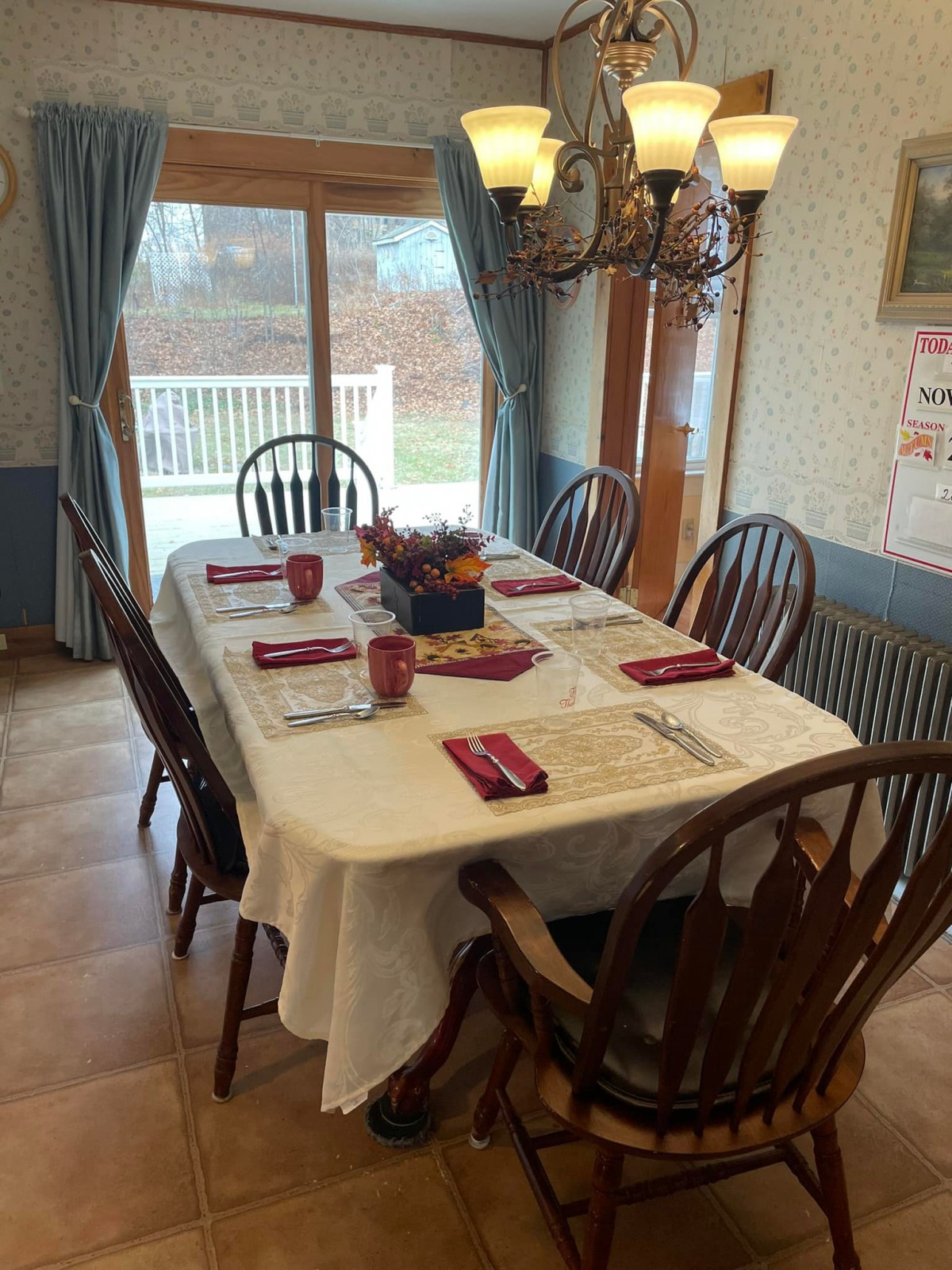
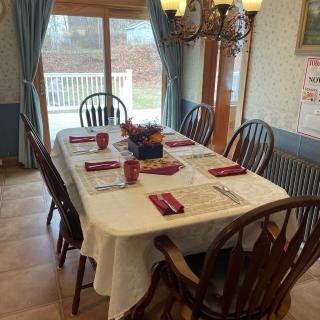
 Dining room
 Fully furnished
 Garden
 Housekeeping services
 Kitchenette
 Move-in coordination
 Outdoor space
 Telephone
 Wi-Fi/high-speed internet available
 24-hour call system
 Activities of daily living assistance
 Assistance with bathing
 Assistance with dressing
 Assistance with transfers
 Diabetes diet
 Meal preparation and service
 Medication management
 Mental wellness program
 Special dietary restrictions
 Transportation arrangement (medical)
 Transportation to doctors appointments



 Social Security Benefits and Assisted Living: Navigating Options Across the U.S.
 An Extensive Exploration of the VA Aid and Attendance Benefit
 Senior Transition Services: Understanding Their Role, Cost, and Importance