Megan Jarvis Hughes is an assisted living community in Claremont, NH.
Information last verified:
36 Russel Jarvis Hmstd Road, Claremont, NH 03743
For more information about senior living options: (866) 208-4318
4.3 from 120 reviews
5 stars
82
4 stars
17
3 stars
9
2 stars
4
1 stars
8
Overall Review of Megan Jarvis Hughes
differentiator12 reviews mention this
Dining and food quality stand out
Residents’ and families’ dining experiences center on consistently good food.
Multiple reviewers describe the food as excellent or delicious, with several calling out specific items and bread or complimentary cheese-and-crackers touches. A few notes temper expectations with occasional dishes arriving overcooked or missing components, but most reviews still land on strong overall satisfaction. This lines up with the community offering restaurant-style dining and meal preparation and service.
common10 reviews mention this
Staff feels friendly, but timing varies
Reviewers frequently describe staff as friendly and attentive, even when service timing slips.
Many reviews highlight servers and managers who are welcoming, personable, and helpful with recommendations. At the same time, several reviewers report slow service—sometimes long waits for acknowledgment, drinks, or meals. Residents and families can expect a warm approach, but they may want to plan for variability in how quickly things arrive.
common8 reviews mention this
Atmosphere is a big draw
The setting and ambience are a recurring positive in reviews.
Reviewers repeatedly mention the atmosphere—warm, welcoming spaces and an impressive visual setting tied to the outdoors. Some describe outdoor seating by water and the overall character of the building, which matches what the community is set up to support with outdoor space and gardens. Even when service is slower, several reviews say the atmosphere helps make the experience worthwhile.
caveat4 reviews mention this
Cost can feel high
Some reviewers think the experience is expensive for what they received.
A few reviewers explicitly call out pricing as expensive, including comments that the cost didn’t match the service or food experience on that visit. Others suggest value is better when everything runs smoothly, but the recurring theme is that cost is a concern for some. If you’re cost-sensitive, it’s worth weighing those mixed experiences alongside the overall praise.
How we summarize
Counts show how many written reviews mention each theme; a review can touch several themes, and only frequently mentioned themes are displayed.
Features
Housing
21 resident community capacity
Types of Care
Assisted Living
Amenities
Beauty salon
Cable or satellite TV
Dining room
Fully furnished
Garden
Housekeeping services
Kitchenette
Move-in coordination
Outdoor space
Restaurant-style dining
Small library
Telephone
Wi-Fi/high-speed internet available
Care Services
24-hour call system
24-hour supervision
Activities of daily living assistance
Assistance with bathing
Assistance with dressing
Assistance with transfers
Diabetes diet
Meal preparation and service
Medication management
Mental wellness program
Special dietary restrictions
Dining
Diabetes diet
Special dietary restrictions
Activities
Community-sponsored activities
Resident-run activities
Scheduled daily activities
Nearby Places of Interest
Places of Worship
Riverstone Church (0.8 miles)
Church of Jesus Christ of Latter Day Saints (1.7 miles)
General Conference Of Seventh-Day Adventists (2.3 miles)
Holy Resurrection Orthodox Church (2.5 miles)
Roman Catholic Bishop Mnchstr (2.6 miles)
First Church Of The Nazarene (2.7 miles)
Temple Meyer David (3 miles)
Restaurants
Ascutney 4 Corners Caf (1.7 miles)
Time-Out Americana Grill (2.6 miles)
The Common Man Inn Claremont (2.8 miles)
Revolution Cantina (2.8 miles)
Imperial Buffet (3.3 miles)
Yummy Yummy (6.6 miles)
Cuppity Kakes (7.4 miles)
Parks
Ascutney State Park (1.7 miles)
Block Ave Park (2.1 miles)
Pleasant St Park (2.9 miles)
Broad Street Park (2.9 miles)
Monadnock Park (3.2 miles)
Mt. Ascutney State Park (3.7 miles)
Mount Ascutney (6.6 miles)
Transportation
Flying Aces Taxi Service (2.4 miles)
New Aces Transportation (3.5 miles)
Enterprise Rent-A-Car (7.5 miles)
Hospitals
Dartmouth Hitchcock Med Center (2.5 miles)
Valley Regional Hospital (2.5 miles)
Mt Ascutney Hospital and Health Center (7.1 miles)
Mt Ascutney Hospital (7.1 miles)
Springfield Hospital (7.9 miles)
Marasa Richard A MD Springfield Hospital (7.9 miles)
Valley Regional Hospital (11.1 miles)
Physicians
Connecticut Valley Orthopedics & Sports Medicine (2.5 miles)
The guide highlights the importance of assisted living facilities for aging veterans needing daily support, discusses unique challenges they face, and outlines available financial assistance from the VA, including the Aid and Attendance program. It emphasizes understanding eligibility criteria and navigating the VA system to access necessary benefits effectively.
The article compares assisted living and skilled nursing facilities, detailing their differing levels of assistance, medical support, cost structures, and day-to-day experiences. It emphasizes that assisted living is for those needing help with daily activities while maintaining independence, whereas skilled nursing facilities provide intensive medical care with 24-hour staff supervision.
The transition from assisted living to skilled nursing care is often prompted by complex medical needs that assisted living cannot meet, with key indicators including frequent health declines, increased falls, severe memory issues, and caregiver burnout. Families should recognize these signs early to discuss options with healthcare providers and prepare for the emotional and logistical aspects of moving to a facility that offers comprehensive medical support.
Get PricingAsk A QuestionSchedule A TourContact Senior Advisor
By clicking submit, you agree to our Partner's Terms of Use. You
also consent to receive calls and texts, which may be autodialed, from our Partner. Your consent is not a condition to
using our Partner's service. Please visit our Partner's Privacy Policy for information about their privacy practices.

 21 resident community capacity
 Assisted Living
 Beauty salon
 Cable or satellite TV
 Dining room
 Fully furnished
 Garden
 Housekeeping services
 Kitchenette
 Move-in coordination
 Outdoor space
 Restaurant-style dining
 Small library
 Telephone
 Wi-Fi/high-speed internet available
 24-hour call system
 Activities of daily living assistance
 Assistance with bathing
 Assistance with dressing
 Assistance with transfers
 Diabetes diet
 Medication management
 Mental wellness program
 Special dietary restrictions
 24/7 supervision with ADL support and diabetes?friendly dining in a fully furnished setting.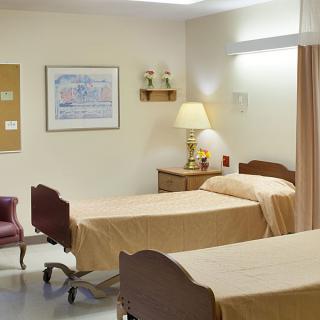


 Assisted Living Support for Veterans: A Complete and Detailed Overview
 Exploring the Contrasts Between Assisted Living and Skilled Nursing
 8 Key Indicators That Suggest It May Be Time to Transition from Assisted Living to Skilled Nursing Care