
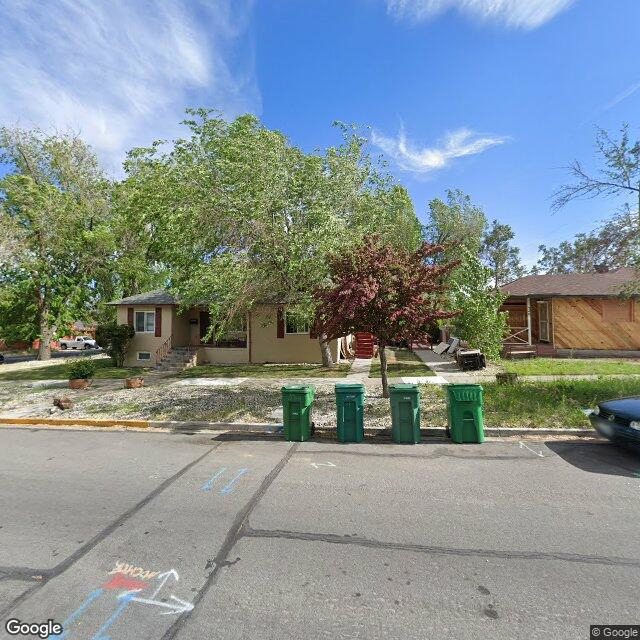
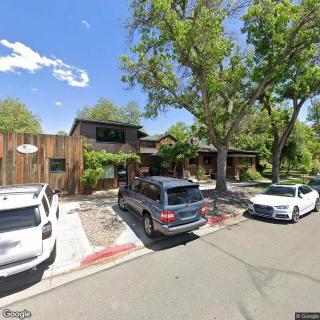
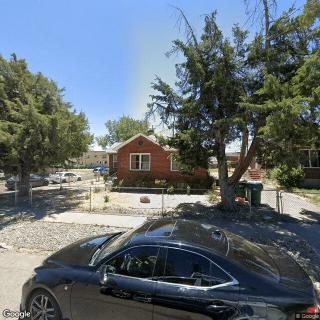
300 LaRue Ave (property), Reno, NV 89509
To contact a resident: (775) 323-4696
For more information about senior living options: (866) 208-4318
Overall Review of Mar-Von Senior Care, LLC
Pros
 It was cool at first, with clean and nice staff.
- There are some great places run by Asian residents in the United States.
- The reviewer is very active, alert, and enjoys cooking and eating.
- The reviewer is a first-degree black belt in two martial arts and has training in Ju-Jitsu.
- The reviewer shows determination to stay active, gradually returning to jogging after walking.
Cons
 The reviewer would give it a zero rating.
- The place holds back on information.
- The staff is very unprofessional and sketchy.
- The facility has a D rating and little to no Nevada state license.
- They charge between $1,200 and $3,500 per month for elder care.
- Reno is full of these types of homes.
- The staff are untrained.
- Residents are not allowed to go for a walk; mobility is restricted.
- The reviewer did not receive hot meals despite the kitchen being nearby.
- The facility is described as a place of pain by REMSA.
Review
Mar-Von Senior Care in Reno is best suited for highly independent seniors whose families are prepared to take on a vigilant oversight role. The available experiences suggest this community does not reliably deliver the level of safety, transparency, or proactive communication expected in a reputable assisted-living option. For seniors needing regular supervision, medical monitoring, or steady, responsive staff, this facility is not the right match.
Those weighing alternatives should prioritize facilities with proven licensing clarity, transparent operations, and consistent communication. If a resident requires dependable oversight, frequent updates, or assurance that staff actions are well documented, it is prudent to pursue options with verifiable licensing status, accessible administrative dialogue, and clear policies on resident safety, rather than accepting a setting where information can feel withheld and phone lines can seem unreliable.
From a narrow perspective of potential positives, the facility has been described as clean at the outset and staffed by individuals who initially presented as attentive. Price competition is emphasized by some reviewers, with references to relatively low monthly costs in the affordable range. However, these surface-level positives are overshadowed by far more significant concerns about governance, accountability, and care quality that recur in the feedback.
The most alarming concerns center on safety and operational integrity. One account depicts a troubling incident where a family could not confirm a loved one’s status, culminating in a missing-person scenario and a perception that information was being withheld. Reports of a disconnected phone line, unprofessional behavior, and a perceived lack of responsiveness compound fears about whether residents’ basic needs, communication, emergency contact, and timely updates, are being met. Licensing status and staff training are another major thread, with allele-like hints of a low or questionable license, and serious questions raised about staff preparedness and supervision. The narrative also touches discomforting elements such as restricted movement within the facility and inconsistent meal service, all of which weigh heavily against the core expectations of safe, respectful, person-centered care.
In weighing the few may-qualifying positives against the breadth of cons, the pros do not meaningfully offset the primary drawbacks. Cleanliness and initial courteous behavior may hint at a capable first impression, but they pale beside the risk signals: a lack of dependable communication, questions about licensure and regulatory compliance, and allegations of untrained staff and restricted resident freedoms. The bottom line is that safety, transparency, and consistent quality-of-care standards appear to be the weak links here, and those gaps cannot be dismissed as minor irritants when vulnerable seniors are involved.
For families determined to investigate further, a disciplined, fact-finding approach is essential. Verify the facility’s current licensing with the Nevada State Licensing authority and double-check any cited “D rating” or regulatory notes through official channels. Request direct, documented evidence of staff credentials, supervision plans, and a transparent protocol for routine updates to families. Schedule in-depth tours that include conversations with resident families, observe meal service and activity programming, and insist on a written, binding agreement outlining emergency procedures, access to records, and a clear process for addressing complaints. If these assurances cannot be obtained, or if the facility cannot demonstrate reliable, consistent communication and safe, respectful care, alternative communities with stronger track records and explicit, enforceable governance should be prioritized.
 Assisted Living
 Memory Care
 Activities on-site
 Devotional services off-site
 Indoor common areas
 Reno Tahoe International (3 miles away)
 Ambulatory care
 Diabetic care
 Meals provided



 Are Dementia and Alzheimer's Disease Lethal? A Comprehensive Exploration
 Exploring the Power of Reminiscence Therapy for Individuals With Dementia
 An In-Depth Look at Reminiscence Therapy in Dementia Care