
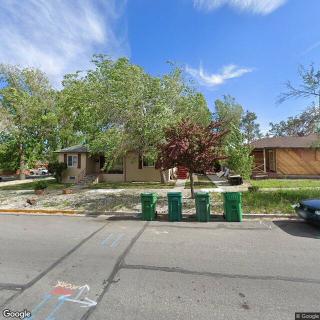
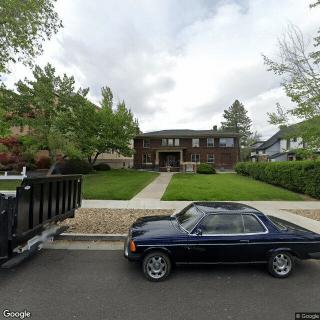
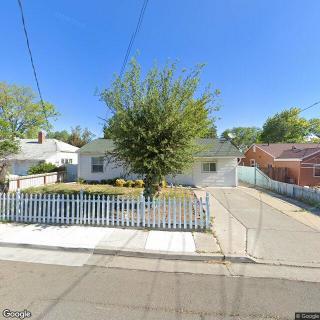
480 West Pueblo Street, Reno, NV 89509
For more information about senior living options: (866) 208-4318
Overall Review of Silver Lining Group Residential Care
Pros
 The owner, staff, and the care provided were excellent.
- The family member was respected and well cared for in spite of his challenging behavior.
- The owner and staff are loved by the family for all they did.
Cons
 The family member was very challenging and a strain to care for.
- His behavior was poor.
Review
Silver Lining Group Residential Care in Reno is best suited for families seeking an intimate, home-like setting for a loved one with dementia or complex behavioral needs, where the care team operates with a hands-on, owner-led approach. The community shines when residents require steady, respectful attention and families value clear communication, consistent routines, and a visible, compassionate caregiver presence. It is particularly compelling for cases where end-of-life transitions may be part of the journey, and where maintaining dignity and a calm environment takes priority over a wide array of amenities.
Families should consider alternatives if the need centers on high-acuity medical oversight or a desire for a larger, more structured memory-care program. If 24/7 on-site medical monitoring, extensive on-staff nursing, or a broad spectrum of on-site activities and specialized dementia therapies are non-negotiable, a bigger assisted living campus or a dedicated memory-care unit may be more appropriate. Also, if continuity of care hinges on a roster of rotating staff rather than a smaller, consistently present team, or if space and impersonal routines become a concern, exploring other options that offer greater scale and formal programming would be prudent.
The strongest positives, exceptional owner involvement, attentive staff, and a culture of genuine respect, directly counterbalance the typical drawbacks of a small residential setting. The specific care described in the experience shows a steadfast commitment to residents who can be challenging, with behaviors managed without eroding the resident’s dignity. In practice, that translates to reliable responsiveness, continuity in daily life, and meaningful relationships with both residents and their families. The result is a caregiving environment where families feel supported, rather than isolated, even when the resident’s condition is demanding. When trust and personal accountability matter most, these qualities materially elevate quality of life for residents and the peace of mind for loved ones.
That said, the potential gaps are worth weighing. A small group residence may have limited on-site medical resources and fewer opportunities for highly specialized programming that some dementia stages require. Prospective families should verify staffing patterns, including whether licensed clinicians are present around the clock or if medical care is primarily coordinated off-site. It’s wise to inquire about how care plans are created and updated, pain and symptom management protocols, end-of-life comfort measures, and how emergencies are handled after hours. Understanding the exact level of medical support, activity options, and social engagement available can reveal whether the pros truly align with the resident’s needs.
Practical next steps are essential for an informed decision. Schedule a visiting hour focused on observing interactions between staff and residents, and ask to meet the ownership or leadership team to discuss care philosophy and responsiveness. Request a current care plan outline, a transparent view of staff-to-resident ratios, and any licensing or regulatory records relevant to the Nevada context. If possible, obtain references from families with peers who have lived there longer, and explore whether respite stays or trial periods are offered to assess fit without long-term commitment. Compare transportation, proximity to medical providers, and overall cost with other Reno options to ensure that the chosen setting balances compassion with necessary clinical coverage.
In conclusion, Silver Lining Group Residential Care offers a compelling option for dementia care in a small, personally guided setting where staff dedication and respectful treatment can profoundly improve daily life and family experience. It is a strong fit for families prioritizing intimate attention and meaningful relationships over large-scale amenities. For those requiring more intensive medical services or broader programming, seeking alternatives is a sensible step. The decision should hinge on matching the resident’s acuity with the facility’s capabilities, and on securing a plan that preserves dignity, safety, and ongoing family involvement.
 4 resident community capacity
 Skilled Nursing Facility
 Cable or satellite TV
 Dining room
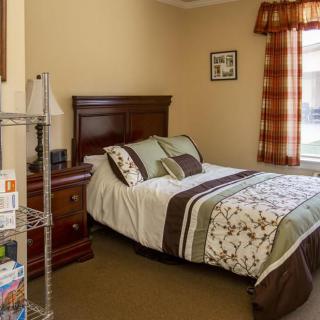
 Fully furnished
 Garden
 Housekeeping services
 Move-in coordination
 Outdoor space
 Telephone
 Wi-Fi/high-speed internet available
 Reno Tahoe International (2 miles away)
 24-hour supervision
 Activities of daily living assistance
 Assistance with bathing
 Assistance with dressing
 Assistance with transfers
 Diabetes diet
 Meal preparation and service
 Medication management
 Special dietary restrictions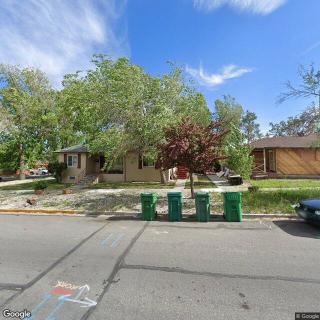
 Comprehensive Guide to Blood Pressure Charts for Older Adults: Understanding Normal and High Readings by Age
 Financing Long-Term Nursing Home Care Through Social Security: A Thorough Exploration
 Essential Knowledge on Pneumonia in Older Adults