
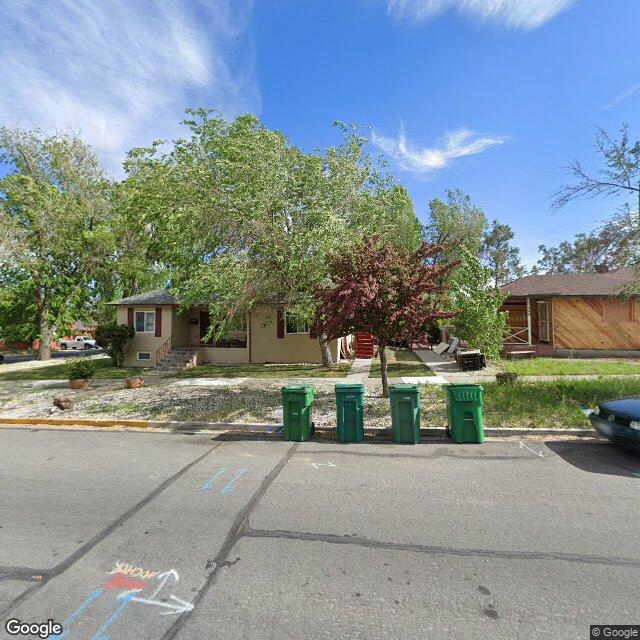
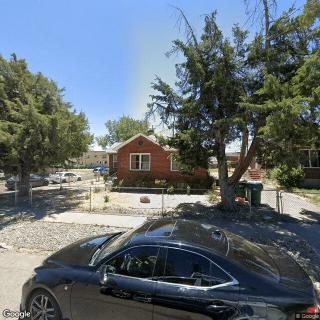
300 La Rue Avenue, Reno, NV 89509
For more information about senior living options: (866) 208-4318
Overall Review of Mar-Von Senior Care
Pros
 The reviewer notes that the staff were clean and nice at first.
- The reviewer says the place felt cool at first.
- The reviewer acknowledges that there are great places run by Asian residents in the United States.
- The reviewer mentions that help would be provided for her work.
- The reviewer describes themselves as very active and alert, with a love for cooking and eating.
Cons
 The place holds back on information.
 - They are very unprofessional and sketchy.
- The facility is run by untrained staff.
- The home is known as Filipino houses of pain.
- The facility has a D rating and little to no Nevada state license.
- Reno is full of these types of homes.
- They do not let residents go for walks.
- They do not provide hot meals despite the kitchen being nearby.
Review
This community is best suited for highly independent seniors who can advocate for themselves and for families that can serve as persistent, hands-on monitors. Residents needing reliable daily supervision, clear communication about their status, or consistent medical or personal care should look elsewhere. The red flags raised by multiple reviewers suggest that any person with health needs or limited family involvement will face significant risk and uncertainty here.
Pros that may catch the eye include a clean, orderly appearance and staff who can come across as amiable in some interactions. The setting presents as manageable and approachable at first glance, with a kitchen and common areas that imply a comfortable daily routine. For a resident who values independence and minimal required oversight, these surface-level positives could feel appealing, especially in a market where small, calm environments are scarce.
Yet the key strengths do not withstand the weight of the major concerns. Information control and communication gaps rise to the top of the list, with reports that important updates about a resident’s status were not clearly shared and that direct lines of contact could be suddenly unavailable. A troubling missing-person-type incident raises questions about accountability, follow-through, and the facility’s ability to safeguard residents. These patterns of limited transparency and inconsistent contact are not mere annoyances; they signal a foundational weakness in safeguarding residents’ welfare.
Further concerns cluster around staffing quality and behavior. Descriptions of untrained staff, inconsistent oversight, and troubling, personal commentary about staff and operations point to a fragile governance framework. Instances of restricted resident movement, uneven meal service, and a sense that resident needs may be shaped more by capacity constraints than by a formal care plan all compound the risk. Financial details appear opaque as well, with broad price ranges cited and little clarity about what services are included, which fuels doubt about value and accountability in daily operations.
In weighing the positives against the negatives, the scales tilt decisively toward caution. Cleanliness and a calm environment do little to offset the potential for unsafe conditions, poor communication, and inadequate supervision. The risk to residents, especially those who cannot vocalize concerns or whose families cannot provide constant on-site oversight, outweighs any appearance of order or courtesy. This is not a setting where safety protocols can be assumed; instead, it requires vigilant, ongoing scrutiny that many families will be unwilling to sustain.
The practical path for families is to treat this community as a last-resort option and to compare it against facilities with verifiable licensing, transparent staffing practices, and consistent, proactive communication. Alternatives should offer clear care plans, regular caregiver availability, predictable meal and activity schedules, and unequivocal accountability channels. If the choice remains to pursue Mar-Von, demand stringent guarantees: a signed, detailed care plan with measurable milestones; direct, daily family updates; guaranteed access to medical and nursing oversight; and a formal agreement that includes a defined trial period and exit terms if safety or communication standards are not met. Regulatory diligence and independent verification of licensure and safety records should accompany any decision, these are non-negotiable in a setting where concerns about safety, transparency, and staff competence have been raised.
 18 resident community capacity
 Assisted Living
 Skilled Nursing Facility
 Cable or satellite TV
 Dining room
 Fully furnished
 Garden
 Housekeeping services
 Move-in coordination
 Outdoor space
 Telephone
 Wi-Fi/high-speed internet available
 Reno Tahoe International (3 miles away)
 24-hour supervision
 Activities of daily living assistance
 Assistance with bathing
 Assistance with dressing
 Assistance with transfers
 Diabetes diet
 Meal preparation and service
 Medication management
 Special dietary restrictions
 Transportation arrangement (medical)
 Transportation to doctors appointments




 Medicare Coverage for Assisted Living: An In-Depth Exploration
 Choosing the Right Senior Care: A Detailed Exploration of Assisted Living and Nursing Homes
 Understanding the True Cost of Assisted Living in 2025: A Comprehensive Guide