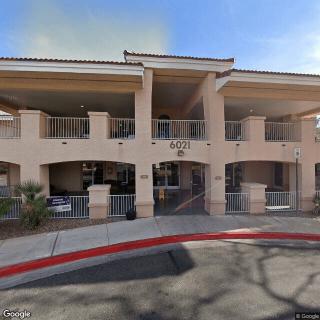
Lake Mead Care Home

4325 West Lake Mead Boulevard, Las Vegas, NV 89108

For more information about senior living options: (844) 490-3973

2.3 from 3 reviews
5 stars
1
4 stars
0
3 stars
0
2 stars
0
1 stars
2

Assisted Living

Lake Mead Care Home Costs & Pricing

At Lake Mead Care Home, the monthly costs for accommodations are competitive within the broader context of Clark County and Nevada. The facility offers a two-bedroom option priced at $3,554, which is slightly above the county average of $3,433 but below the state average of $3,949. However, when it comes to semi-private rooms, Lake Mead Care Home's rate of $6,500 significantly exceeds both Clark County's average of $3,934 and Nevada's overall average of $3,907. This pricing suggests that while Lake Mead may offer unique amenities or services that justify its higher semi-private rates, potential residents should weigh these factors against other local options to determine the best fit for their needs and budget.

Floor plansLake Mead Care HomeClark CountyNevada
2 Bedrooms$3,554$3,433$3,949
Semi-Private$6,500$3,934$3,907

What level of care are you interested in?

Assisted Living

Memory Care

Independent Living

Skilled Nursing Facility

Continuing Care Retirement Community (CCRC)CCRC

Other


Request a tour at Lake Mead Care Home

    Overall Review of Lake Mead Care Home

    Pros

    • pro The people who work there are professional, caring, and loving.
    • pro It is praised as awesome assisted living for the elderly.
    • pro The reviewer thanks them for their services.

    Cons

    • pro The reviewer accuses the facility of neglect and elder abuse, claiming the patient was not fed or cared for.
    • pro They state the patient was kept there for four days before hospice removed him for elder abuse.
    • pro The family alleges the patient was left alone in a room to rot.
    • pro They claim they were charged $400 for care that was not received.
    • pro They say the facility shows disregard for human life and that those responsible should be jailed.

    Review

    The set of reviews paints a starkly split picture of the place, beginning with a short, practical note that often accompanies any passersby inquiry: a caller asked if the facility was hiring, only to be told that no new openings were available and that they weren't looking for anyone else at the moment. Beneath that simple business exchange lies a much more troubling charge: a caregiver environment that some people say can drift into neglect and even abuse, depending on who you talk to. The contrast between a routine job inquiry and a much heavier set of accusations becomes the throughline of the first account, hinting at a wider spectrum of experiences among families and loved ones.

    One reviewer recounts a harrowing sequence that begins after a family member was brought to the facility from the hospital. The account alleges severe mistreatment: four days spent there before hospice was involved to remove him due to elderly abuse. The reviewer claims the person was never fed or cared for and remained bedridden, painting a picture of neglect that extended to an almost incomprehensible moment when a granddaughter delivered a sandwich that remained in the same place the next day. The emotional weight of this story is amplified by the fear the patient now harbors about being without a friend or family member nearby, suggesting a felt abandonment that goes beyond one isolated incident and into the routine of daily life within the facility.

    Further details deepen the sense of grievance. The reviewer asserts that the patient was left alone in a room to "rot," and that the facility turned around and charged $400 for care that, in the reviewer's view, was never provided. The language used is striking and accusatory: "THESE PEOPLE SHOULD BE IN JAIL." The intensity of the critique is tempered only by the reviewer's own admission that they rated the experience with a 1-star score - acknowledging that the situation felt unacceptable and unworthy of even negative feedback, given the belief that the care was not delivered and the costs were still demanded.

    In pointed contrast to this account, another review offers a very different impression of the same or similar setting. It describes an experience with "Awesome Assisted Living For The Elderly," praising the staff as "Professional, Caring, and Loving," and closing with an expression of gratitude: "Thank You For Your Services." This second narrative emphasizes warmth, competence, and positive engagement, suggesting that there are moments when residents receive attentive, respectful, and compassionate care. The tone is celebratory and confident, underscoring a belief that the facility can be a place of safety and genuine support for elders.

    The juxtaposition between these two perspectives is striking and hard to reconcile. One side presents a scene of neglect, mistreatment, and questionable billing practices that would provoke fear and anger among families. The other side presents a story of excellence in care, professionalism, and heartfelt service. Taken together, the reviews create a complex image of a place that can seem to mean very different things to different people, possibly depending on who is involved, when, and under what circumstances. It's a reminder that elder care experiences can be highly variable and deeply personal, with outcomes that range from deeply troubling to deeply reassuring.

    Ultimately, readers are left with a sense of caution and discernment. The negative account urges families to be vigilant, to ask hard questions about the care being provided, and to scrutinize charges closely when a loved one is involved. The positive account offers a counterpoint, highlighting that compassionate, professional care does exist and can make a meaningful difference in a resident's life. For anyone considering this facility or any similar one, the takeaway is to conduct thorough checks, seek multiple sources of information, and observe care environments directly when possible. Making informed decisions about elder care requires weighing stories like these, alongside other firsthand experiences and independent assessments.

    Features

    Housing

    • 6 resident community capacity 6 resident community capacity

    Types of Care

    • Assisted Living Assisted LivingAssisted living facilities provide crucial support and care for seniors who may need help with daily tasks such as medication management, bathing, and meal preparation. These communities offer a safe and comfortable environment where seniors can maintain their independence while receiving the assistance they need to thrive in their golden years.

    Amenities

    • Cable or satellite TV Cable or satellite TVCable or satellite TV is important for seniors because it provides entertainment, news, and companionship, helping to combat loneliness and boredom. It also offers a wide range of programming options tailored to different interests and preferences.
    • Dining room Dining roomDining rooms are important for seniors as they provide a space for socialization, connection, and nutritious meals. They offer opportunities for residents to bond over shared meals, foster a sense of community, and promote healthy eating habits. Dining rooms also ensure that seniors have access to well-balanced meals tailored to their dietary needs and preferences.
    • Fully furnished Fully furnishedFully furnished senior living communities are important for seniors because they provide convenience, comfort, and a hassle-free moving experience. Seniors can easily settle into their new living space without the stress of having to buy and move furniture. This allows them to focus on enjoying their new home and community.
    • Garden GardenGardens are important for seniors as they provide a peaceful and therapeutic environment for relaxation, physical activity, and socialization. Being in nature has been shown to reduce stress, improve mood, and promote overall well-being. Gardens also offer opportunities for seniors to engage in gardening activities, which can improve mobility, flexibility, and cognitive function. Additionally, gardens create a sense of community and connection with others who share a passion for plants and outdoor spaces.
    • Housekeeping services Housekeeping servicesHousekeeping services are important for seniors because they help maintain a clean and safe living environment, promote independence, and reduce the risk of accidents or illnesses. Additionally, having assistance with household chores can alleviate physical strain and allow seniors to focus on other aspects of their well-being.
    • Move-in coordination Move-in coordinationMove-in coordination is important for seniors because it helps ease the transition into their new living environment. It ensures that all logistics, such as packing, organizing movers, and setting up utilities are taken care of, allowing seniors to focus on settling in and adjusting to their new home. Having a smooth move-in process can alleviate stress and anxiety, making the transition smoother and more enjoyable for seniors.
    • Outdoor space Outdoor spaceOutdoor spaces are important for seniors as they provide opportunities for physical activity, social interaction, exposure to natural light and fresh air, and a sense of connection to nature. Having access to outdoor spaces can improve overall well-being and quality of life for older adults living in senior communities.
    • Telephone TelephoneTelephones are important for seniors as they provide a lifeline for communication with loved ones, emergency services, and healthcare providers. They offer a sense of security and independence, enabling seniors to stay connected and access assistance when needed.
    • Wi-Fi/high-speed internet available Wi-Fi/high-speed internet availableWi-Fi/high-speed internet is important for seniors to stay connected with loved ones, access online resources, and participate in virtual activities to combat feelings of loneliness and isolation. It also allows them to easily manage healthcare needs, access entertainment, and engage in lifelong learning opportunities.

    Transportation

    • McCarran International (9 miles away) McCarran International (9 miles away)

    Care Services

    • 24-hour supervision 24-hour supervision24-hour supervision is important for seniors to ensure their safety, well-being, and access to immediate assistance in case of emergencies or health issues. This constant support provides peace of mind for both seniors and their loved ones, allowing them to age in place with dignity and security.
    • Activities of daily living assistance Activities of daily living assistanceActivities of daily living assistance are important for seniors because they provide essential support with tasks such as eating, bathing, dressing, and mobility. This assistance helps seniors maintain their independence, dignity, and overall quality of life as they age.
    • Assistance with bathing Assistance with bathingAssistance with bathing is crucial for seniors as it helps maintain personal hygiene, prevents infections, and ensures their overall well-being and comfort. It also provides a sense of dignity and independence for seniors who may struggle with this task on their own.
    • Assistance with dressing Assistance with dressingAssistance with dressing is important for seniors because it helps maintain their independence, promotes personal hygiene, prevents accidents and injuries, and improves overall quality of life. This service ensures that seniors can continue to dress comfortably and confidently, despite any physical limitations they may have.
    • Assistance with transfers Assistance with transfersAssistance with transfers is crucial for seniors as it helps prevent falls and injuries, maintains their independence, and ensures they can safely navigate their living environment. It also provides peace of mind for both seniors and their loved ones.
    • Coordination with health care providers Coordination with health care providersCoordination with health care providers is crucial for seniors to ensure proper medical care, medication management, and overall well-being. This collaboration helps prevent overlapping treatments, track progress more effectively, and provide comprehensive support tailored to individual needs.
    • Diabetes diet Diabetes dietA diabetes diet is crucial for seniors as it helps manage blood sugar levels, reduce risks of complications, and improve overall health and well-being. By following a balanced and nutritious diet tailored to their specific needs, seniors can better control their diabetes and enhance their quality of life.
    • Meal preparation and service Meal preparation and serviceMeal preparation and service are crucial for seniors as they may have limited mobility or energy to cook nutritious meals. Having access to healthy and convenient food options can ensure they are getting the proper nutrition needed to maintain their overall health and well-being.
    • Medication management Medication managementMedication management is crucial for seniors to ensure they are taking the right medications at the correct dosages and times. This helps prevent adverse drug interactions, reduces the risk of medication errors, and promotes overall health and well-being. Proactive management also allows for adjustments as needed based on changing health conditions or new prescriptions.
    • Special dietary restrictions Special dietary restrictionsSpecial dietary restrictions are important for seniors because age-related changes in metabolism and health conditions can make it difficult for their bodies to process certain foods. By following a diet tailored to their specific needs, seniors can maintain their overall health and well-being, manage chronic conditions, and reduce the risk of complications such as malnutrition or food interactions with medications.
    • Transportation arrangement (medical) Transportation arrangement (medical)Transportation arrangements for medical purposes are essential for seniors as they may have difficulty driving themselves to appointments or accessing public transportation. Having reliable and safe transportation options ensures that seniors can receive timely medical care and maintain their health and well-being.
    • Transportation to doctors appointments Transportation to doctors appointmentsTransportation to doctors' appointments is crucial for seniors as it ensures they have access to necessary medical care and support for their health needs. Without reliable transportation, seniors may struggle to attend important appointments, leading to potential delays in treatment and health complications. Providing transportation services helps seniors maintain their overall well-being and quality of life.

    Dining

    • Diabetes diet Diabetes dietA diabetes diet is crucial for seniors as it helps manage blood sugar levels, reduce risks of complications, and improve overall health and well-being. By following a balanced and nutritious diet tailored to their specific needs, seniors can better control their diabetes and enhance their quality of life.
    • Special dietary restrictions Special dietary restrictionsSpecial dietary restrictions are important for seniors because age-related changes in metabolism and health conditions can make it difficult for their bodies to process certain foods. By following a diet tailored to their specific needs, seniors can maintain their overall health and well-being, manage chronic conditions, and reduce the risk of complications such as malnutrition or food interactions with medications.

    Activities

    • Community-sponsored activities Community-sponsored activitiesCommunity-sponsored activities are important for seniors as they provide opportunities for social interaction, mental stimulation, and physical activity. These activities can help improve overall well-being, combat loneliness and isolation, and promote a sense of belonging and purpose among older adults.
    • Scheduled daily activities Scheduled daily activitiesScheduled daily activities are important for seniors because they provide structure, socialization, mental stimulation, and physical activity. Engaging in regular activities can improve overall well-being and quality of life for seniors living in a community setting.

    Description

    Lake Mead Care Home is an assisted living community located in Las Vegas, NV. Our beautiful facility offers a range of amenities to ensure that our residents feel comfortable and at home.

    Our dining room provides a welcoming space for residents to enjoy delicious and nutritious meals prepared by our dedicated staff. The entire facility is fully furnished, offering a cozy and inviting atmosphere for all residents.

    For those who appreciate the outdoors, we have a lovely garden where residents can relax and take in the fresh air. Housekeeping services are provided to ensure that our residents' living spaces are always clean and tidy.

    We understand that moving can be a stressful experience, which is why we offer move-in coordination services to assist our residents with every step of the process.

    For those who enjoy spending time outside, we provide outdoor spaces for recreational activities or simply enjoying the sunshine. Residents also have access to a telephone and Wi-Fi/high-speed internet so they can stay connected with loved ones or explore their interests online.

    In terms of care services, we offer assistance with daily activities such as bathing, dressing, and transfers. Our staff works closely with health care providers to ensure that our residents receive the necessary care they need. We also provide diabetes diet management, medication management, and special dietary restrictions to accommodate individual needs.

    Transportation arrangements are made for medical appointments or other essential trips, providing convenience for our residents. Nearby cafes, pharmacies, physicians, restaurants, transportation options, and hospitals offer additional convenience and accessibility within close proximity.

    At Lake Mead Care Home, we believe in creating an engaging environment for our residents. Scheduled daily activities are offered to keep residents active and socially connected.

    Overall, Lake Mead Care Home is an assisted living community that prioritizes the well-being and comfort of its residents. With a range of amenities and care services available, we strive to create a warm and supportive environment where individuals can thrive and enjoy their golden years.

    Nearby Places of Interest

    Pharmacies

    • Walgreens (1.4 miles)
    • CVS Pharmacy (1.8 miles)
    • Smith's Food & Drug (2.6 miles)
    • CVS Pharmacy (2.7 miles)
    • Walmart Pharmacy (2.9 miles)
    • Albertsons Pharmacy (3 miles)
    • Smith's Food & Drug (3 miles)

    Restaurants

    • Wendy's (1.7 miles)
    • Chick-Fil-A (2.4 miles)
    • Fremont Street Experience (3.7 miles)
    • The Phoenix Bar & Lounge (3.7 miles)
    • The Marketplace (4.6 miles)
    • McDonald's (4.8 miles)
    • Peppermill Inn (4.9 miles)

    Physicians

    • Nevada Spine Clinic (2.7 miles)
    • MountainView Hospital (3 miles)
    • Southwest Medical Rancho Urgent Care (3 miles)
    • Center For Sight (3.1 miles)
    • Las Vegas Radiology (3.2 miles)
    • Longford Medical Building (3.4 miles)
    • Nevada Orthopedic & Spine Center (3.4 miles)

    Hospitals

    • Mountain View Hospital-Labor and Delivery (3 miles)
    • Cheyenne Care Center (5.3 miles)

    Cafes

    • Dutch Bros Coffee (3.8 miles)
    • Starbucks (4.7 miles)
    • Starbucks (5.4 miles)
    • The LINQ Hotel & Casino (5.8 miles)

    Transportation

    • Las Vegas Monorail - Sahara Station (4.6 miles)
    • Las Vegas Monorail - Harrah's/Quad Station (5.8 miles)
    • ARIA Express Bellagio Station (6.2 miles)

    Places of Worship

    • Iglesia Ni Cristo (5.5 miles)

    Frequently Asked Questions

    How much does it cost to live at Lake Mead Care Home in Las Vegas, NV?
    Where is Lake Mead Care Home?

    Nearby Communities

    Assisted Living in Nearby Cities

    Related Resources

    • assisted living vs skilled nursingExploring the Contrasts Between Assisted Living and Skilled Nursing

      The article compares assisted living and skilled nursing facilities, detailing their differing levels of assistance, medical support, cost structures, and day-to-day experiences. It emphasizes that assisted living is for those needing help with daily activities while maintaining independence, whereas skilled nursing facilities provide intensive medical care with 24-hour staff supervision.

    • when to move from assisted living to nursing home8 Key Indicators That Suggest It May Be Time to Transition from Assisted Living to Skilled Nursing Care

      The transition from assisted living to skilled nursing care is often prompted by complex medical needs that assisted living cannot meet, with key indicators including frequent health declines, increased falls, severe memory issues, and caregiver burnout. Families should recognize these signs early to discuss options with healthcare providers and prepare for the emotional and logistical aspects of moving to a facility that offers comprehensive medical support.

    • active senior livingVibrant Senior Living: A Comprehensive Guide for Active Older Adults

      Vibrant Senior Living emphasizes active senior living communities that promote independence and engagement through diverse amenities and activities, fostering wellness and social interaction among older adults. These communities range from independent to assisted living, with a focus on personal growth, family involvement, financial planning, and leveraging technology to enhance residents' experiences.


    Get Pricing Ask A Question Schedule A Tour Contact Senior Advisor