
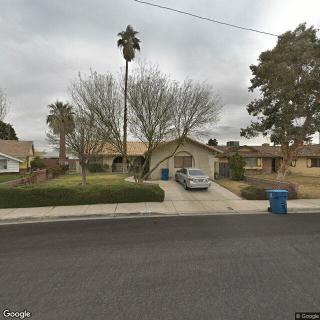
3817 Fairway Circle, Las Vegas, NV 89108
For more information about senior living options: (866) 208-4318
Overall Review of Fairway Residential Care Home
Pros
 Sonia and her family take very good care of residents.
- Magnolia provides a safe and clean environment.
- The Magnolia staff work hard to look after their clients.
- Sonia's warm and welcoming manner, and her experience, put families at ease.
- Residents enjoy excellent care, healthy meals, and meaningful interaction with Sonia, Marco, and their team.
- Sonia and Marco go far above and beyond expectations.
- Magnolia is a blessing to families and a beacon of light and hope.
- The home is beautiful and immaculate, with meals crafted with love.
- Marco provides genuine care and takes great care of residents.
Cons
 The group home was distressingly terrible by comparison.
Review
This community is best suited for families seeking a warm, intimate home-like setting where seniors receive attentive, hands-on daily care. It excels for residents who want dependable medication reminders, home-cooked meals, steady supervision, and meaningful social interaction within a small, peaceful environment. The care team is consistently described as compassionate, patient, and deeply invested in each resident’s well-being, yielding a sense of safety and belonging that many families prize when selecting long-term care. For seniors who thrive on routine, regular companionship, and a house-based atmosphere over a clinical or institutional feel, this option stands out as a practical, grounded choice.
At the same time, those with more demanding medical needs or a requirement for large-scale clinical programs should consider alternatives. A big-memory-care wing with robust clinical teams, on-site physicians, advanced wound care, or extensive rehabilitation services may be better suited to residents whose conditions require constant, hands-on medical escalation and highly structured protocols. Families who anticipate frequent, urgent transitions to hospital-level services or who rely on a broad network of specialists within the facility may find that a smaller, residential setting, while deeply personal, cannot replicate the resources of a larger community.
The core strengths, the unwavering dedication of the staff, the home-like ambiance, and the consistently high-quality meals, strongly offset the absence of a large clinical footprint. The team’s ability to stay on top of medications, coordinate with families, and maintain a clean, orderly living space creates a foundation of trust and peace of mind. Residents often form connections, enjoy regular meals prepared with care, and experience a level of daily reassurance that reduces family stress. In practice, this translates into tangible benefits: safer days, more predictable routines, and a sense that a loved one is not merely cared for but cherished.
What sets this option apart is the emotional and relational dimension of care. Families repeatedly highlight compassionate, even transformative, interactions, staff who treat residents with genuine kindness, who engage in meaningful conversation, and who attend to end-of-life moments with sensitivity and clarity. The environment supports social engagement and regular interaction with caregivers who know each resident’s preferences, histories, and needs. For residents who benefit from consistent companionship and a stable, nurturing routine, the resulting quality of life can be a decisive factor in choosing this path over more impersonal arrangements.
Prospective residents should still verify practical details beyond the heart of the care. Questions about the level of medical oversight, what emergency protocols exist, and how quickly clinical needs can be escalated are essential. It is also wise to inquire about activity calendars, mobility supports, and how family input is incorporated into care plans. While the atmosphere and daily life are highly favorable, ensuring that medical and rehabilitative services align with current needs will help prevent gaps that could require transitions sooner than anticipated.
In sum, this Las Vegas home stands out as a top-tier option for families prioritizing trust, love-infused daily care, and a serene, family-centric setting. It is less suited for those whose loved one requires intensive, hospital-grade medical resources or extensive, therapist-driven programming on a daily basis. For families seeking a place where staff feel like extended family, where meals are crafted with care, and where a resident’s dignity and companionship are central to every day, this option earns its strong endorsement. The recommended next steps are straightforward: meet the care team, observe daily interactions, confirm medication management processes, review meal plans, and discuss contingency plans for medical emergencies to ensure alignment with individual care goals.
 12 resident community capacity
 Assisted Living
 Cable or satellite TV
 Dining room
 Fully furnished
 Garden
 Housekeeping services
 Move-in coordination
 Outdoor space
 Telephone
 Wi-Fi/high-speed internet available
 McCarran International (8 miles away)
 24-hour supervision
 Activities of daily living assistance
 Assistance with bathing
 Assistance with dressing
 Assistance with transfers
 Diabetes diet
 Meal preparation and service
 Medication management
 Special dietary restrictions
 Transportation arrangement (medical)
 Transportation to doctors appointments

 Securing Financial Support for Assisted Living: A Comprehensive Overview
 Social Security Benefits and Assisted Living: Navigating Options Across the U.S.
 An Extensive Exploration of the VA Aid and Attendance Benefit