
4460 Marlena Circle, Las Vegas, NV 89129
For more information about senior living options: (866) 208-4318
Overall Review of Johnny Angel's Care Home
Pros
 The staff treated her like family, showing compassion and attentiveness.
- The caregivers are very compassionate, attentive, and empathetic.
- The facility provides homemade meals and is very clean.
- Arlene and Rowena are highly regarded, and the family would give them 10 stars if possible.
- The family will forever appreciate the love and kindness shown during mom's final days.
- They would highly recommend the care home.
Cons
 Patient visitors are not welcome.
- They tried calling, but there was no answer.
- There was no doorbell, and the walk up to the house was gated off, preventing anyone from knocking.
Review
Johnny Angel's Care Home in Las Vegas is best suited for families seeking a small, home-like setting where the emotional climate matters as much as daily routines. The strongest selling point is the staff’s ability to treat residents as family, delivering genuine warmth and steady, attentive care. Homemade meals and a clean, orderly living environment create a sense of comfort that is rare in larger facilities. Notable among the staff are Arlene and Rowena, whose personal dedication becomes the defining feature for families navigating difficult days. In moments when a loved one approaches the end of life, that sense of personal connection can convert anxiety into a felt sense of security.
However, this is not a facility for those who require open access and constant, easy contact with staff. One strong caveat from families is limited visitation; the home reportedly gates the entrance and discourages drop-ins, which can leave families feeling shut out during times when reassurance is most needed. Phone responsiveness also emerged as a problem in at least one account, with attempts to reach the home going unanswered. For families who prioritize transparent, predictable communication and a frictionless path to updates, alternatives with structured visiting hours and on-call management are worth considering.
Yet the core strengths, compassionate caregiving, home-cooked meals, and cleanliness, do not vanish in light of those caveats. The staff’s empathy and willingness to treat each resident with individual dignity offset some practical frictions, particularly for loved ones who value a relationship-driven care model. When a resident requires sensitive end-of-life support, having caregivers who go beyond routine tasks to provide moral and emotional support matters as much as medical care, and in this setting, it is palpable.
Nevertheless, the main cons do not disappear by virtue of warm anecdotes. The restricted access and uncertain communication logistics create persistent anxiety for families trying to stay connected to a loved one’s daily experience. The gatekeeping approach, while perhaps fostering privacy and safety, complicates visits and oversight. In a decision-making process, this translates into higher planning overhead for families; it also raises questions about how quickly care concerns can be escalated and how reliably updates are communicated.
From a practical decision perspective, the recommended course is to arrange a firsthand visit and press for clarity on policies before committing. Meet the standout caregivers, Arlene and Rowena, and ask for a direct contact method to reach a supervisor after hours. Probe visitation rules, including whether exceptions can be made for emergencies, and confirm a concrete process for updates on daily care, meals, medications, and any changes in health. Inquire about staff-to-resident ratios, routine schedules, and dietary options to ensure alignment with preferences. By treating the tour as a probationary period, families can assess whether the emotional warmth truly translates into reliable, consistent care.
Overall, Johnny Angel's Care Home offers a compelling option for families prioritizing a familial, heartfelt caregiving ethos in a small, clean setting. The standout compassion and homestyle meals provide a meaningful buffer against the isolation often felt in care contexts. The caveat is clear: visitation and communication logistics require vigilance and proactive handling; without that, the positives can feel offset by uncertainty. If open access to staff, timely updates, and straightforward family involvement are must-haves, consider complementary facilities with more transparent policies. If, instead, a loved one thrives in a close-knit, caregiver-led home where staff become trusted allies, this community deserves serious consideration.
 10 resident community capacity
 Assisted Living
 Cable or satellite TV
 Dining room
 Fully furnished
 Garden
 Housekeeping services
 Move-in coordination
 Outdoor space
 Telephone
 Wi-Fi/high-speed internet available
 McCarran International (8 miles away)
 24-hour supervision
 Activities of daily living assistance
 Assistance with bathing
 Assistance with dressing
 Assistance with transfers
 Diabetes diet
 Meal preparation and service
 Medication management
 Special dietary restrictions
 Transportation arrangement (medical)
 Transportation to doctors appointments



 How and When Medicaid May Cover Assisted Living Costs
 A Detailed Exploration of Assisted Living Medicaid Waivers Across the United States
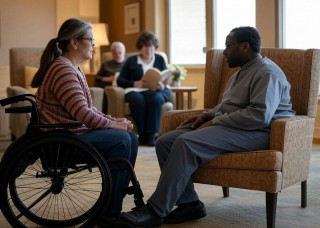 Comprehensive Residential Support and Assisted Living Solutions for Individuals with Disabilities