Evergreen Living

7481 Rome Boulevard, Las Vegas, NV 89131

For more information about senior living options: (844) 490-3973

4.1 from 100 reviews
5 stars
72
4 stars
4
3 stars
2
2 stars
2
1 stars
20

Assisted Living

Evergreen Living Costs & Pricing

Evergreen Living offers competitive pricing for its living spaces compared to both Clark County and the broader state of Nevada. For instance, a studio at Evergreen Living is priced at $2,435 per month, significantly lower than the county average of $3,407 and the state average of $3,567. Similarly, the one-bedroom apartments are available for $3,001, which remains attractive when set against Clark County's rate of $3,346 and Nevada's average of $3,619. However, the two-bedroom option at Evergreen Living is priced at $4,395, which does exceed the county average of $3,433 and state average of $3,949. Overall, Evergreen Living positions itself as a cost-effective choice for individuals and couples seeking quality accommodations while providing an appealing advantage over regional competitors in several categories.

Floor plansEvergreen LivingClark CountyNevada
Studio$2,435$3,407$3,567
1 Bedroom$3,001$3,346$3,619
2 Bedrooms$4,395$3,433$3,949

What level of care are you interested in?

Assisted Living

Memory Care

Independent Living

Skilled Nursing Facility

Continuing Care Retirement Community (CCRC)CCRC

Other


Request a tour at Evergreen Living

    Overall Review of Evergreen Living

    Pros

    • pro The staff were friendly and compassionate.
    • pro The front desk team was knowledgeable, compassionate, and described as angels.
    • pro The nursing and therapy staff provided quality clinical care.
    • pro Case workers and the head nurse were responsive and prioritized patient care.
    • pro Physical and occupational therapists were amazing.
    • pro CNAs were attentive and helpful.
    • pro The staff made patients feel like family.
    • pro They encouraged patients to regain independence and stay engaged in their care.
    • pro Nurses and aides were attentive and stayed with patients until their needs were met.

    Cons

    • pro They were unable to reach anyone by phone; calls went to voicemail and no one would speak to them.
    • pro Nurses were often not attentive, sometimes taking up to 20 minutes to respond, or not coming at all.
    • pro There were uncaring and abusive nurses in the facility.
    • pro The reviewer described the grandmother's decline as being worsened by neglect and rough handling of her broken arm.
    • pro Staff were inattentive, disrespectful, and provided false information.
    • pro They were told they would be monitored and helped with scheduling, yet weeks later there were still no appointments, no improvements, and no sense of urgency.
    • pro A nurse mocked the idea of hospitalization, saying they would be waiting a long time.
    • pro Case management was deeply troubling, with delayed or denied communication, misrepresentations about family training, and dismissive behavior.

    Review

    Trellis Centennial emerges in these accounts as a place of stark contrasts. For some families, it has become a source of comfort and gratitude, a place where compassionate staff and capable therapists seem to align with a patient's needs. For others, it has been a deeply troubling experience marked by neglect, miscommunication, and a sense that critical decisions - especially around discharge and escalation to higher levels of care - were mishandled or delayed. Taken together, the reviews paint a picture of a facility whose day-to-day warmth and professionalism in many shifts sits alongside troubling gaps in case management, communication, and timely attention in other moments.

    At the most severe end of the spectrum, one family describes an experience so troubling it shadows the entire stay. They recount watching their grandmother, who had cancer and a broken arm, be treated with roughness and insensitivity by nursing staff. Calls to nurses could be met with long waits - sometimes 20 minutes, sometimes not at all - leaving the family to doubt whether her comfort and safety were being prioritized. The writers allege that staff were not only inattentive but occasionally uncaring or even abusive, with one nurse reportedly mocking the idea of taking the patient to hospital when her condition deteriorated. The narrative grows darker with accusations that Trellis may have contributed to their grandmother's decline, and that she and the family were repeatedly misinformed or given false information about her care. The family even suggests employing a camera to monitor care, underscoring a profound lack of trust. They describe spending more than a month in the facility under neglectful conditions, including dismissive attitudes toward cancer as a serious diagnosis and a failure to arrange essential appointments or escalate care when needed.

    A related thread in these stories centers on communication failures and access. In several instances, calls to the facility were met with being hung up on or told that a particular staff member was unavailable, despite repeated attempts. The sense that important medical realities - such as cancer and the arm injury - were not being acknowledged or appropriately treated by the nursing staff adds to the impression of a disconnect between what families know and what staff project. The combination of slow or unreliable communication and a broader pattern of inconsistent attention to urgent needs leaves families feeling vulnerable and unheard, even when the patient's condition warrants timely intervention.

    Not every voice about Trellis Centennial is negative, however. A number of reviews highlight a different reality: front-desk personnel who are described as "super friendly," "amazing," and "knowledgeable," and a general sense that the facility contains caring, well-intentioned workers. In these accounts, the front office becomes a bright point, with staff who are approachable, compassionate, and responsive to families' questions. The contrast between these warm administrative interactions and the negative experiences around medical management and discharge planning is striking and underscores how perceptions can vary dramatically depending on who is involved and what part of the care journey is being described.

    The most detailed negative critique of internal processes centers on case management. One review recounts a lengthy hospitalization (73 days for a relative) during which the family, holding durable medical power of attorney, experienced persistent delays or denials of communication regarding care planning, discharge, and therapy updates. They describe repeated requests for family-care team meetings and training as being ignored or deflected. A pivotal moment came when, late on a Friday, they were told their father would be discharged imminently without proper discharge coordination - no hospital bed arranged for a two-story home, no oxygen service, and no home-health or DME planning. The impression was that discharge planning was mishandled, perhaps as retaliation for demanding better communication. The case manager was accused of making the discharge decision without proper clinical oversight, and of false statements about family training having already occurred when it had not. Quotes attributed to the case manager - "do not contact me unless it is about discharge" and "that's not my job" - paint a picture of a staff member disengaged from essential oversight. Despite these concerns, the same review also acknowledges the dedication of the nursing and therapy staff and hopes the leadership will reexamine discharge and coordination protocols to prevent similar issues in the future.

    Amid these criticisms, several reviewers highlight that the clinicians delivering direct medical care - nurses, therapists, and aides - sometimes provided excellent, compassionate service. One person notes that their mom's recent stay involved consistently exceptional care, with particular praise for staff members who were described as responsive and devoted to putting their mom's care first, even from a distance. Another commenter, reflecting on a parent's rehabilitation stay, emphasizes gratitude for the therapists (PT and OT) who listened to patient goals and worked with them at a patient-centered pace, ensuring support was always available and never leaving a patient without adequate attention. The sentiment that "they really try to help the patients recover" appears repeatedly in these supportive testimonials, reinforcing the idea that skilled clinicians can and do deliver meaningful, positive outcomes.

    In a final wave of appreciation, several reviews celebrate a broad, enthusiastic chorus of staff across departments. One family affectionately describes an entire community at Trellis, listing names with sincere gratitude: caseworkers Kristi, Annabelle, Laura, and head nurse Lanny, who were described as responsive and genuinely caring. Other posts offer heartfelt gratitude to the entire Trellis team who worked with their loved ones, praising the facility's rehab staff and the everyday acts of attentive care. The language grows personal and familial, with phrases like "ALOFA (much love) Trellis family" and multiple nods to specific nurses and CNAs - Anika, Emily, Natalya, Symphony, Josh, Kortney, Doms, Kai, and many others - whose dedication, attentiveness, and teamwork left a lasting positive impression. In these accounts, Trellis Centennial is presented not as a monolithic institution but as a place where the quality of care can be everything from excellent and transformative to deeply lacking, depending on who is involved in the patient's day-to-day life.

    Taken together, these reviews reveal a facility with a wide spectrum of experiences. For some families, Trellis Centennial provides a beacon of care, compassion, and competent rehabilitation, where patients feel seen and empowered by a team of supportive professionals. For others, the same facility reveals serious deficiencies in case management, discharge planning, and communication, with devastating implications for patient well-being and family trust. The recurring threads - long waits for nursing attention, inconsistent acknowledgment of serious diagnoses, the complex dynamics of discharge planning, and the enduring kindness and competence of many nurses, therapists, and front-desk staff - collectively illustrate a complex, sometimes contradictory portrait of Trellis Centennial.

    Features

    Housing

    • 10 resident community capacity 10 resident community capacity

    Types of Care

    • Assisted Living Assisted LivingAssisted living facilities provide crucial support and care for seniors who may need help with daily tasks such as medication management, bathing, and meal preparation. These communities offer a safe and comfortable environment where seniors can maintain their independence while receiving the assistance they need to thrive in their golden years.

    Amenities

    • Cable or satellite TV Cable or satellite TVCable or satellite TV is important for seniors because it provides entertainment, news, and companionship, helping to combat loneliness and boredom. It also offers a wide range of programming options tailored to different interests and preferences.
    • Dining room Dining roomDining rooms are important for seniors as they provide a space for socialization, connection, and nutritious meals. They offer opportunities for residents to bond over shared meals, foster a sense of community, and promote healthy eating habits. Dining rooms also ensure that seniors have access to well-balanced meals tailored to their dietary needs and preferences.
    • Fully furnished Fully furnishedFully furnished senior living communities are important for seniors because they provide convenience, comfort, and a hassle-free moving experience. Seniors can easily settle into their new living space without the stress of having to buy and move furniture. This allows them to focus on enjoying their new home and community.
    • Garden GardenGardens are important for seniors as they provide a peaceful and therapeutic environment for relaxation, physical activity, and socialization. Being in nature has been shown to reduce stress, improve mood, and promote overall well-being. Gardens also offer opportunities for seniors to engage in gardening activities, which can improve mobility, flexibility, and cognitive function. Additionally, gardens create a sense of community and connection with others who share a passion for plants and outdoor spaces.
    • Housekeeping services Housekeeping servicesHousekeeping services are important for seniors because they help maintain a clean and safe living environment, promote independence, and reduce the risk of accidents or illnesses. Additionally, having assistance with household chores can alleviate physical strain and allow seniors to focus on other aspects of their well-being.
    • Move-in coordination Move-in coordinationMove-in coordination is important for seniors because it helps ease the transition into their new living environment. It ensures that all logistics, such as packing, organizing movers, and setting up utilities are taken care of, allowing seniors to focus on settling in and adjusting to their new home. Having a smooth move-in process can alleviate stress and anxiety, making the transition smoother and more enjoyable for seniors.
    • Outdoor space Outdoor spaceOutdoor spaces are important for seniors as they provide opportunities for physical activity, social interaction, exposure to natural light and fresh air, and a sense of connection to nature. Having access to outdoor spaces can improve overall well-being and quality of life for older adults living in senior communities.
    • Telephone TelephoneTelephones are important for seniors as they provide a lifeline for communication with loved ones, emergency services, and healthcare providers. They offer a sense of security and independence, enabling seniors to stay connected and access assistance when needed.
    • Wi-Fi/high-speed internet available Wi-Fi/high-speed internet availableWi-Fi/high-speed internet is important for seniors to stay connected with loved ones, access online resources, and participate in virtual activities to combat feelings of loneliness and isolation. It also allows them to easily manage healthcare needs, access entertainment, and engage in lifelong learning opportunities.

    Transportation

    • McCarran International (15 miles away) McCarran International (15 miles away)

    Care Services

    • 24-hour supervision 24-hour supervision24-hour supervision is important for seniors to ensure their safety, well-being, and access to immediate assistance in case of emergencies or health issues. This constant support provides peace of mind for both seniors and their loved ones, allowing them to age in place with dignity and security.
    • Activities of daily living assistance Activities of daily living assistanceActivities of daily living assistance are important for seniors because they provide essential support with tasks such as eating, bathing, dressing, and mobility. This assistance helps seniors maintain their independence, dignity, and overall quality of life as they age.
    • Assistance with bathing Assistance with bathingAssistance with bathing is crucial for seniors as it helps maintain personal hygiene, prevents infections, and ensures their overall well-being and comfort. It also provides a sense of dignity and independence for seniors who may struggle with this task on their own.
    • Assistance with dressing Assistance with dressingAssistance with dressing is important for seniors because it helps maintain their independence, promotes personal hygiene, prevents accidents and injuries, and improves overall quality of life. This service ensures that seniors can continue to dress comfortably and confidently, despite any physical limitations they may have.
    • Assistance with transfers Assistance with transfersAssistance with transfers is crucial for seniors as it helps prevent falls and injuries, maintains their independence, and ensures they can safely navigate their living environment. It also provides peace of mind for both seniors and their loved ones.
    • Coordination with health care providers Coordination with health care providersCoordination with health care providers is crucial for seniors to ensure proper medical care, medication management, and overall well-being. This collaboration helps prevent overlapping treatments, track progress more effectively, and provide comprehensive support tailored to individual needs.
    • Diabetes diet Diabetes dietA diabetes diet is crucial for seniors as it helps manage blood sugar levels, reduce risks of complications, and improve overall health and well-being. By following a balanced and nutritious diet tailored to their specific needs, seniors can better control their diabetes and enhance their quality of life.
    • Meal preparation and service Meal preparation and serviceMeal preparation and service are crucial for seniors as they may have limited mobility or energy to cook nutritious meals. Having access to healthy and convenient food options can ensure they are getting the proper nutrition needed to maintain their overall health and well-being.
    • Medication management Medication managementMedication management is crucial for seniors to ensure they are taking the right medications at the correct dosages and times. This helps prevent adverse drug interactions, reduces the risk of medication errors, and promotes overall health and well-being. Proactive management also allows for adjustments as needed based on changing health conditions or new prescriptions.
    • Special dietary restrictions Special dietary restrictionsSpecial dietary restrictions are important for seniors because age-related changes in metabolism and health conditions can make it difficult for their bodies to process certain foods. By following a diet tailored to their specific needs, seniors can maintain their overall health and well-being, manage chronic conditions, and reduce the risk of complications such as malnutrition or food interactions with medications.
    • Transportation arrangement (medical) Transportation arrangement (medical)Transportation arrangements for medical purposes are essential for seniors as they may have difficulty driving themselves to appointments or accessing public transportation. Having reliable and safe transportation options ensures that seniors can receive timely medical care and maintain their health and well-being.
    • Transportation to doctors appointments Transportation to doctors appointmentsTransportation to doctors' appointments is crucial for seniors as it ensures they have access to necessary medical care and support for their health needs. Without reliable transportation, seniors may struggle to attend important appointments, leading to potential delays in treatment and health complications. Providing transportation services helps seniors maintain their overall well-being and quality of life.

    Dining

    • Diabetes diet Diabetes dietA diabetes diet is crucial for seniors as it helps manage blood sugar levels, reduce risks of complications, and improve overall health and well-being. By following a balanced and nutritious diet tailored to their specific needs, seniors can better control their diabetes and enhance their quality of life.
    • Special dietary restrictions Special dietary restrictionsSpecial dietary restrictions are important for seniors because age-related changes in metabolism and health conditions can make it difficult for their bodies to process certain foods. By following a diet tailored to their specific needs, seniors can maintain their overall health and well-being, manage chronic conditions, and reduce the risk of complications such as malnutrition or food interactions with medications.

    Activities

    • Community-sponsored activities Community-sponsored activitiesCommunity-sponsored activities are important for seniors as they provide opportunities for social interaction, mental stimulation, and physical activity. These activities can help improve overall well-being, combat loneliness and isolation, and promote a sense of belonging and purpose among older adults.
    • Scheduled daily activities Scheduled daily activitiesScheduled daily activities are important for seniors because they provide structure, socialization, mental stimulation, and physical activity. Engaging in regular activities can improve overall well-being and quality of life for seniors living in a community setting.

    Description

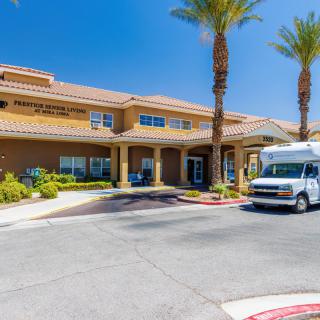
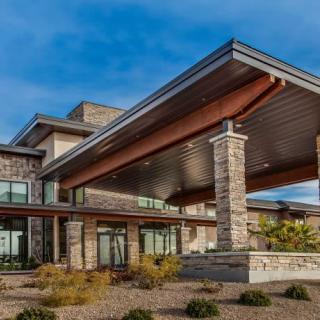
    Evergreen Living is an assisted living community located in the vibrant city of Las Vegas, NV. Our community offers a range of amenities and care services to ensure that residents enjoy a comfortable and fulfilling lifestyle.

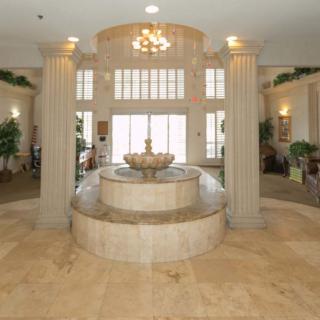
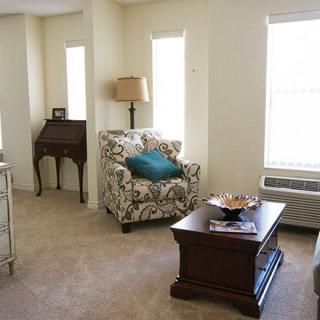
    Upon entering Evergreen Living, residents will find a spacious dining room where they can enjoy delicious meals prepared by our experienced culinary team. The community is fully furnished, providing a cozy and home-like atmosphere for our residents.

    For those who appreciate spending time outdoors, Evergreen Living features beautiful gardens and outdoor spaces where residents can relax, socialize, or engage in activities. Inside the community, there is a Wi-Fi/high-speed internet connection available, allowing residents to stay connected with loved ones or browse the web at their convenience.

    Our care services are designed to support residents with their daily activities. Our compassionate staff is available to provide assistance with bathing, dressing, transfers, and other activities of daily living as needed. We also coordinate with health care providers to ensure that residents receive comprehensive medical care when necessary. For individuals with diabetes or specific dietary restrictions, we offer specialized meal options to accommodate their needs.

    Transportation services are provided for medical appointments and doctor's visits, ensuring that residents have convenient access to essential healthcare services. Additionally, medication management is offered to help residents maintain proper medication schedules and routines.

    At Evergreen Living, we understand the importance of maintaining an active lifestyle. Therefore, we offer a variety of scheduled daily activities for our residents to participate in. These activities are designed to promote socialization, engagement, and overall well-being.

    Located nearby our community are 12 pharmacies and 4 physicians' offices, providing easy access to necessary medications and healthcare professionals. In case of emergencies or specialized treatments, there are also 2 hospitals conveniently located nearby.

    At Evergreen Living in Las Vegas, NV, we strive to create a warm and supportive environment where residents can thrive. With our exceptional amenities and dedicated care services team, we are committed to providing the highest quality of assisted living for our residents.

    Nearby Places of Interest

    Pharmacies

    • Walgreens (1.2 miles)
    • Walgreens (1.4 miles)
    • Smith's (1.7 miles)
    • Walgreens (1.7 miles)
    • Walgreens (2.8 miles)
    • Smith's Food & Drug (3.2 miles)
    • Albertsons Pharmacy (3.9 miles)

    Hospitals

    • PAM Rehabilitation Hostpital of Centennial Hills (1.3 miles)
    • Mountain View Hospital-Labor and Delivery (4.5 miles)
    • VA Southern Nevada Healthcare System (9.1 miles)
    • Cheyenne Care Center (9.4 miles)

    Physicians

    • Desert Orthopedic Cent (1.4 miles)
    • Center For Sight (3.5 miles)
    • MountainView Hospital (4.5 miles)
    • Tottori Allergy (4.7 miles)
    • Nevada Spine Clinic (5.3 miles)
    • Las Vegas Radiology (5.3 miles)
    • Nevada Orthopedic & Spine Center (7 miles)

    Cafes

    • Starbucks (5.7 miles)
    • Dutch Bros Coffee (10.3 miles)
    • Starbucks (11.2 miles)
    • Starbucks (11.9 miles)
    • The LINQ Hotel & Casino (12.2 miles)

    Restaurants

    • Chick-Fil-A (5.9 miles)
    • Rampart Casino (7.5 miles)
    • Addison's Lounge (7.5 miles)
    • Wendy's (8.2 miles)
    • Chick-Fil-A (8.6 miles)
    • McDonald's (9 miles)
    • Taco Bell (9.1 miles)

    Theaters

    • Regal Red Rock 4DX & IMAX (9.7 miles)

    Transportation

    • Las Vegas Monorail - Sahara Station (11.1 miles)
    • Las Vegas Monorail - Harrah's/Quad Station (12.2 miles)

    Places of Worship

    • Iglesia Ni Cristo (11.3 miles)

    Frequently Asked Questions

    How much does it cost to live at Evergreen Living in Las Vegas, NV?
    Where is Evergreen Living?

    Nearby Communities

    Assisted Living in Nearby Cities

    Related Resources

    • assisted living insuranceAssisted Living Expenses and Long-Term Care Insurance: A Comprehensive Exploration

      The article discusses assisted living expenses, the importance of long-term care insurance in covering these costs, and various financing options, highlighting the need for careful policy review and early planning to address potential needs. It also clarifies common misconceptions about Medicare and private health insurance limitations regarding long-term care coverage.

    • how to pay for assisted livingSecuring Financial Support for Assisted Living: A Comprehensive Overview

      Assisted living facilities offer crucial support for older adults needing help with daily activities but come with varying and significant costs, which can be financed through personal savings, government assistance programs, long-term care insurance, and home equity options. Professional guidance from experts can aid families in navigating these financial complexities to establish a sustainable budgeting approach for assisted living services.

    • assisted living for seniors on social securitySocial Security Benefits and Assisted Living: Navigating Options Across the U.S.

      Assisted living costs often exceed Social Security benefits, necessitating a combination of funding sources like state aid and Medicaid. Understanding the interaction between Social Security programs and available financial support is essential for affording such care.


    Get Pricing Ask A Question Schedule A Tour Contact Senior Advisor