Better Living Care Home in Las Vegas, NV

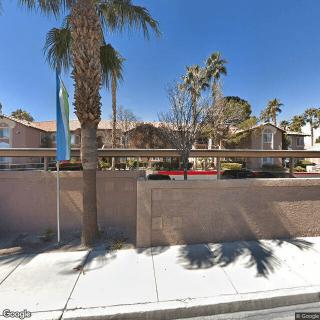
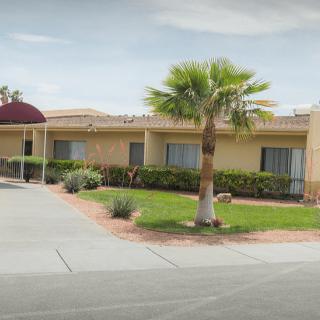
706 Lacy Lane, Las Vegas, NV 89107

For more information about senior living options: (844) 490-3973

5 from 8 reviews
5 stars
8
4 stars
0
3 stars
0
2 stars
0
1 stars
0

Assisted Living

Overall Review of Better Living Care Home

Pros

  • pro The company is a life saver.
  • pro Deja was fantastic in sitting with the father for 4 to 8 hours a day.
  • pro Deja ensured he was clean and guided him through his meals.
  • pro Deja was very sweet and showed kindness and patience toward the father.
  • pro Melanie provided understanding and arranged for Deja to assist.
  • pro The service is great and the staff are awesome.
  • pro The facility is a hidden gem offering first-rate services.
  • pro The management and staff are commendable for their excellent work.
  • pro The agency is amazing; the owners are compassionate and genuine.
  • pro They respond quickly and provide excellent care.
  • pro Kent and Melanie were incredibly responsive and provided kind, attentive, and compassionate caregivers.

Review

Better Living Care Home in Las Vegas is best suited for families that want extremely hands-on, in-home dementia support delivered with warmth and immediacy. The reviews point to a team that excels at keeping a memory-impaired loved one safe, clean, and nourished through sustained, one-on-one attention. When a patient cannot be left alone, and the goal is to avoid hospital readmissions or chaotic transitions, the caregivers' willingness to stay with the client for long stretches - four to eight hours at a time - becomes the defining value. The care ethos is practical: steady supervision, help with meals, assistance with hygiene, and a calm, patient approach that reduces agitation and confusion. In short, this community shines where fidelity, compassion, and reliable presence matter most.

This option may not be the right fit for every family. Those seeking a traditional, 24/7-on-site memory-care facility with formal clinical oversight, or a setting that offers built-in, round-the-clock medical staff and a highly structured daily program, should consider alternatives. Families on tighter budgets or those needing more predictable, programmatic dementia care within a licensed facility may find other models more transparent about staffing ratios, medical protocols, and continuing care options. The in-home care model described here prioritizes relational care and rapid responsiveness, which is superb for many, but it can fall short for situations that demand a fixed facility footprint and clinically integrated services.

The strongest pros operate in tandem to offset potential gaps. The owners and leadership come across as genuinely compassionate and responsive, and that tone cascades through the entire staff. Caregivers are repeatedly praised for kindness, attentiveness, and patience, with Deja singled out for sitting with a family member for hours daily, ensuring cleanliness and guided meals. That level of consistency, paired with quick, easy access to the owners Kent and Melanie, translates into trust - crucial when working with dementia patients who thrive on routine and predictability. The practical benefits - prolonged caregiver presence, help with basic activities, and reliable communication - often translate into better nutrition, steadier routines, and fewer episodes of distress, all of which are meaningful outcomes for families navigating the post-hospital or post-acute phase.

These strengths, however, come with considerations for families planning long-range care. The reviews do not present a fully documented picture of formal licensing, clinical credentials, or standardized care plans that you would expect in a larger, facility-based memory care program. That absence does not negate the exceptional personal warmth and reliability shown, but it does suggest a potential risk if the loved one's needs evolve beyond daily living support into more complex medical management. Additionally, while caregiver continuity is clearly a strong point in these anecdotes, any home-care arrangement runs the risk of caregiver turnover or schedule shifts, which can disrupt routines for someone with dementia. Prospective families should probe for back-up caregivers, written care plans, and explicit escalation protocols to ensure seamless coverage.

What to do next is straightforward. Request a candid conversation with the leadership about licensure, insurance, and the scope of medical oversight provided, if any. Ask for a proposed care plan that outlines day-to-day routines, meal preparation, bathing and grooming schedules, and how emergencies are handled. Inquire about caregiver matching and continuity - whether the same caregiver can be scheduled consistently, and what backup options exist if a primary caregiver is suddenly unavailable. Demand performance benchmarks, references, and a clear process for modifying the plan as needs shift. If a more facility-based environment is ultimately desired, be prepared to compare options that emphasize a structured memory-care program, clinical staffing, and predictable housing with on-site medical support.

The bottom line is clear: for families seeking intimate, compassionate, highly responsive in-home dementia care with dedicated leadership and a caregiving team willing to invest long hours in a loved one, Better Living Care Home presents a compelling, practically minded choice. The blend of patient-focused care, evident caregiver attentiveness, and proactive management delivers meaningful value, especially for those transitioning from hospital or rehab back into daily life. Where this model fits best is in the place of trust, routine, and dignity - the kind of care that lets families keep loved ones at home with a reassuring hand on the wheel. For families needing a residential memory-care setting or more formal clinical oversight, alternatives exist - yet the favorable, people-first track record here makes this option worth serious consideration.

Features

Housing

  • 10 resident community capacity 10 resident community capacity

Types of Care

  • Assisted Living Assisted LivingAssisted living facilities provide crucial support and care for seniors who may need help with daily tasks such as medication management, bathing, and meal preparation. These communities offer a safe and comfortable environment where seniors can maintain their independence while receiving the assistance they need to thrive in their golden years.

Amenities

  • Cable or satellite TV Cable or satellite TVCable or satellite TV is important for seniors because it provides entertainment, news, and companionship, helping to combat loneliness and boredom. It also offers a wide range of programming options tailored to different interests and preferences.
  • Dining room Dining roomDining rooms are important for seniors as they provide a space for socialization, connection, and nutritious meals. They offer opportunities for residents to bond over shared meals, foster a sense of community, and promote healthy eating habits. Dining rooms also ensure that seniors have access to well-balanced meals tailored to their dietary needs and preferences.
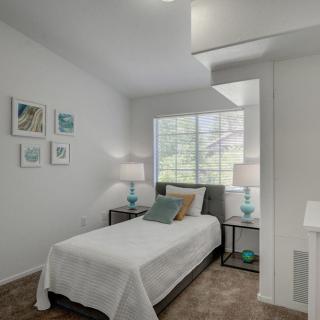
  • Fully furnished Fully furnishedFully furnished senior living communities are important for seniors because they provide convenience, comfort, and a hassle-free moving experience. Seniors can easily settle into their new living space without the stress of having to buy and move furniture. This allows them to focus on enjoying their new home and community.
  • Garden GardenGardens are important for seniors as they provide a peaceful and therapeutic environment for relaxation, physical activity, and socialization. Being in nature has been shown to reduce stress, improve mood, and promote overall well-being. Gardens also offer opportunities for seniors to engage in gardening activities, which can improve mobility, flexibility, and cognitive function. Additionally, gardens create a sense of community and connection with others who share a passion for plants and outdoor spaces.
  • Housekeeping services Housekeeping servicesHousekeeping services are important for seniors because they help maintain a clean and safe living environment, promote independence, and reduce the risk of accidents or illnesses. Additionally, having assistance with household chores can alleviate physical strain and allow seniors to focus on other aspects of their well-being.
  • Move-in coordination Move-in coordinationMove-in coordination is important for seniors because it helps ease the transition into their new living environment. It ensures that all logistics, such as packing, organizing movers, and setting up utilities are taken care of, allowing seniors to focus on settling in and adjusting to their new home. Having a smooth move-in process can alleviate stress and anxiety, making the transition smoother and more enjoyable for seniors.
  • Outdoor space Outdoor spaceOutdoor spaces are important for seniors as they provide opportunities for physical activity, social interaction, exposure to natural light and fresh air, and a sense of connection to nature. Having access to outdoor spaces can improve overall well-being and quality of life for older adults living in senior communities.
  • Telephone TelephoneTelephones are important for seniors as they provide a lifeline for communication with loved ones, emergency services, and healthcare providers. They offer a sense of security and independence, enabling seniors to stay connected and access assistance when needed.
  • Wi-Fi/high-speed internet available Wi-Fi/high-speed internet availableWi-Fi/high-speed internet is important for seniors to stay connected with loved ones, access online resources, and participate in virtual activities to combat feelings of loneliness and isolation. It also allows them to easily manage healthcare needs, access entertainment, and engage in lifelong learning opportunities.

Transportation

  • McCarran International (6 miles away) McCarran International (6 miles away)

Care Services

  • 24-hour supervision 24-hour supervision24-hour supervision is important for seniors to ensure their safety, well-being, and access to immediate assistance in case of emergencies or health issues. This constant support provides peace of mind for both seniors and their loved ones, allowing them to age in place with dignity and security.
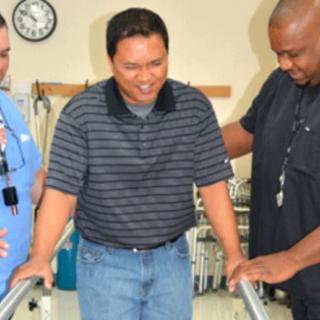
  • Activities of daily living assistance Activities of daily living assistanceActivities of daily living assistance are important for seniors because they provide essential support with tasks such as eating, bathing, dressing, and mobility. This assistance helps seniors maintain their independence, dignity, and overall quality of life as they age.
  • Assistance with bathing Assistance with bathingAssistance with bathing is crucial for seniors as it helps maintain personal hygiene, prevents infections, and ensures their overall well-being and comfort. It also provides a sense of dignity and independence for seniors who may struggle with this task on their own.
  • Assistance with dressing Assistance with dressingAssistance with dressing is important for seniors because it helps maintain their independence, promotes personal hygiene, prevents accidents and injuries, and improves overall quality of life. This service ensures that seniors can continue to dress comfortably and confidently, despite any physical limitations they may have.
  • Assistance with transfers Assistance with transfersAssistance with transfers is crucial for seniors as it helps prevent falls and injuries, maintains their independence, and ensures they can safely navigate their living environment. It also provides peace of mind for both seniors and their loved ones.
  • Coordination with health care providers Coordination with health care providersCoordination with health care providers is crucial for seniors to ensure proper medical care, medication management, and overall well-being. This collaboration helps prevent overlapping treatments, track progress more effectively, and provide comprehensive support tailored to individual needs.
  • Diabetes diet Diabetes dietA diabetes diet is crucial for seniors as it helps manage blood sugar levels, reduce risks of complications, and improve overall health and well-being. By following a balanced and nutritious diet tailored to their specific needs, seniors can better control their diabetes and enhance their quality of life.
  • Meal preparation and service Meal preparation and serviceMeal preparation and service are crucial for seniors as they may have limited mobility or energy to cook nutritious meals. Having access to healthy and convenient food options can ensure they are getting the proper nutrition needed to maintain their overall health and well-being.
  • Medication management Medication managementMedication management is crucial for seniors to ensure they are taking the right medications at the correct dosages and times. This helps prevent adverse drug interactions, reduces the risk of medication errors, and promotes overall health and well-being. Proactive management also allows for adjustments as needed based on changing health conditions or new prescriptions.
  • Special dietary restrictions Special dietary restrictionsSpecial dietary restrictions are important for seniors because age-related changes in metabolism and health conditions can make it difficult for their bodies to process certain foods. By following a diet tailored to their specific needs, seniors can maintain their overall health and well-being, manage chronic conditions, and reduce the risk of complications such as malnutrition or food interactions with medications.
  • Transportation arrangement (medical) Transportation arrangement (medical)Transportation arrangements for medical purposes are essential for seniors as they may have difficulty driving themselves to appointments or accessing public transportation. Having reliable and safe transportation options ensures that seniors can receive timely medical care and maintain their health and well-being.
  • Transportation to doctors appointments Transportation to doctors appointmentsTransportation to doctors' appointments is crucial for seniors as it ensures they have access to necessary medical care and support for their health needs. Without reliable transportation, seniors may struggle to attend important appointments, leading to potential delays in treatment and health complications. Providing transportation services helps seniors maintain their overall well-being and quality of life.

Dining

  • Diabetes diet Diabetes dietA diabetes diet is crucial for seniors as it helps manage blood sugar levels, reduce risks of complications, and improve overall health and well-being. By following a balanced and nutritious diet tailored to their specific needs, seniors can better control their diabetes and enhance their quality of life.
  • Special dietary restrictions Special dietary restrictionsSpecial dietary restrictions are important for seniors because age-related changes in metabolism and health conditions can make it difficult for their bodies to process certain foods. By following a diet tailored to their specific needs, seniors can maintain their overall health and well-being, manage chronic conditions, and reduce the risk of complications such as malnutrition or food interactions with medications.

Activities

  • Community-sponsored activities Community-sponsored activitiesCommunity-sponsored activities are important for seniors as they provide opportunities for social interaction, mental stimulation, and physical activity. These activities can help improve overall well-being, combat loneliness and isolation, and promote a sense of belonging and purpose among older adults.
  • Scheduled daily activities Scheduled daily activitiesScheduled daily activities are important for seniors because they provide structure, socialization, mental stimulation, and physical activity. Engaging in regular activities can improve overall well-being and quality of life for seniors living in a community setting.

Description

Better Living Care Home is an assisted living community located in Las Vegas, NV. Our facility offers a range of amenities to ensure our residents' comfort and convenience. Our dining room provides a pleasant space for residents to enjoy their meals, which are prepared and served by our staff. The care home is fully furnished, providing all the necessary furniture and equipment for residents' needs.

Our community also features a beautiful garden and outdoor space where residents can relax and enjoy the fresh air. Housekeeping services are provided to ensure that each resident's living space remains clean and tidy. Wi-Fi/high-speed internet and telephone services are available to keep residents connected with their loved ones.

The care services at Better Living Care Home include assistance with activities of daily living such as bathing, dressing, and transfers. Our dedicated staff works closely with health care providers to ensure our residents receive coordinated care. We offer special dietary options for diabetic individuals as well as those with other dietary restrictions.

Transportation arrangements are available for medical purposes, allowing residents to attend doctors' appointments conveniently. In addition to the amenities and care services provided, we also offer scheduled daily activities to keep our residents engaged and entertained.

Better Living Care Home is conveniently located near various amenities in the surrounding area. There are six cafes, 34 pharmacies, nine physicians' offices, 43 restaurants, three transportation options, one place of worship nearby, as well as a hospital within close proximity.

At Better Living Care Home, we strive to create a comfortable and supportive environment for our residents. With our range of amenities and personalized care services, we aim to enhance the quality of life for those who call our community home.

Nearby Places of Interest

Physicians

  • Southwest Medical Rancho Urgent Care (0.8 miles)
  • Sunrise Hospital and Medical Center (3.6 miles)
  • Longford Medical Building (3.9 miles)
  • Nevada Orthopedic & Spine Center (4 miles)
  • Digestive Disease Specialists (4.3 miles)
  • Nevada Spine Clinic (4.4 miles)
  • Las Vegas Radiology (4.8 miles)

Pharmacies

  • Walmart Pharmacy (0.9 miles)
  • CVS Pharmacy (1 miles)
  • CVS Pharmacy (1.1 miles)
  • CVS Pharmacy (1.2 miles)
  • Walgreens (2.2 miles)
  • Walgreens (2.3 miles)
  • Walgreens (2.5 miles)

Restaurants

  • Wendy's (1.3 miles)
  • The Phoenix Bar & Lounge (1.5 miles)
  • The Marketplace (2.2 miles)
  • McDonald's (2.4 miles)
  • Fremont Street Experience (2.5 miles)
  • Peppermill Inn (2.5 miles)
  • Tacos El Gordo (2.6 miles)

Cafes

  • Dutch Bros Coffee (1.4 miles)
  • Starbucks (2.3 miles)
  • Starbucks (2.9 miles)
  • The LINQ Hotel & Casino (3.3 miles)
  • Primrose (4.1 miles)
  • Hello Kitty Cafe (4.2 miles)

Transportation

  • Las Vegas Monorail - Sahara Station (2.4 miles)
  • Las Vegas Monorail - Harrah's/Quad Station (3.3 miles)
  • ARIA Express Bellagio Station (3.7 miles)

Places of Worship

  • Iglesia Ni Cristo (4.5 miles)

Hospitals

  • Mountain View Hospital-Labor and Delivery (5 miles)

Frequently Asked Questions

Where is Better Living Care Home?

Nearby Communities

  • Hastings House

    Hastings House

    Las Vegas, NV


    pro Small, personalized assisted living with furnished apartments and comprehensive care.

  • Mother's Best Retirement Home

    Mother's Best Retirement Home

    Las Vegas, NV

    5 from 8 reviews
     

    pro Strong access to nearby healthcare, pharmacies, dining, and transportation.

  • Country Club at Valley View

    Country Club at Valley View

    Las Vegas, NV

    4.9 from 100 reviews
    $599 to $799 / month

    pro Affordable independent living with on-site amenities (beautician, pool) and rich nearby services (dining, pharmacies, physicians).

  • Oakey Assisted Living

    Oakey Assisted Living

    Las Vegas, NV

    4.4 from 99 reviews
    $2,200 to $2,395 / month

    pro Friendly, attentive staff with engaging activities and transparent pricing.

  • Destinations at Valley View

    Destinations at Valley View

    Las Vegas, NV

    2.5 from 4 reviews
    $630 to $784 / month

    pro Affordable pricing compared with local averages.

  • The Meadows Home

    The Meadows Home

    Las Vegas, NV

    3 from 2 reviews
     

    pro Fully furnished units with meals, housekeeping, and daily activities.

  • Horizon Health And Rehabilitation Center

    Horizon Health And Rehabilitation Center

    Las Vegas, NV

    2.9 from 25 reviews
     

    pro Caring CNAs and nurses on some units; recently remodeled rooms.

  • Lake Tonopah Apartments

    Lake Tonopah Apartments

    Las Vegas, NV

    4.5 from 104 reviews
    $510 to $520 / month

    pro Caring staff and well-kept grounds that foster community.

  • Torrey Pines Post Acute And Rehabilitation

    Torrey Pines Post Acute And Rehabilitation

    Las Vegas, NV

    2.8 from 41 reviews
     

    pro Compassionate staff with strong rehabilitation focus.

Assisted Living in Nearby Cities

Related Resources

  • va benefits for assisted livingAssisted Living Support for Veterans: A Complete and Detailed Overview

    The guide highlights the importance of assisted living facilities for aging veterans needing daily support, discusses unique challenges they face, and outlines available financial assistance from the VA, including the Aid and Attendance program. It emphasizes understanding eligibility criteria and navigating the VA system to access necessary benefits effectively.

  • assisted living vs skilled nursingExploring the Contrasts Between Assisted Living and Skilled Nursing

    The article compares assisted living and skilled nursing facilities, detailing their differing levels of assistance, medical support, cost structures, and day-to-day experiences. It emphasizes that assisted living is for those needing help with daily activities while maintaining independence, whereas skilled nursing facilities provide intensive medical care with 24-hour staff supervision.

  • when to move from assisted living to nursing home8 Key Indicators That Suggest It May Be Time to Transition from Assisted Living to Skilled Nursing Care

    The transition from assisted living to skilled nursing care is often prompted by complex medical needs that assisted living cannot meet, with key indicators including frequent health declines, increased falls, severe memory issues, and caregiver burnout. Families should recognize these signs early to discuss options with healthcare providers and prepare for the emotional and logistical aspects of moving to a facility that offers comprehensive medical support.