

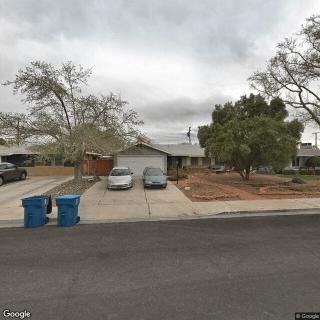
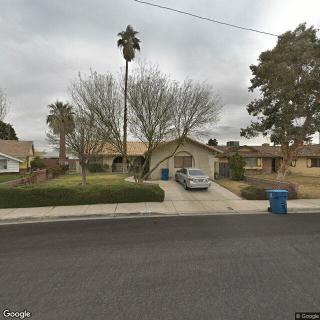
316 Lacy Ln, Las Vegas, NV 89107
To contact a resident: (702) 870-9513
For more information about senior living options: (866) 208-4318
Overall Review of Mother's Best Retirement Home
Pros
 Families describe Mothers Touch as providing attentive, compassionate care with clear, ongoing communication.
- The staff are caring, attentive, and treat residents like family.
- The home is clean, well maintained, and offers a warm, home-like atmosphere.
- The owners are hands-on, dedicated, and run the facility with warmth and genuine care.
- Lynn, the office manager and lead caregiver, is regarded as the heart of the place, delivering outstanding knowledge and care.
- Residents often thrive under the care, with families expressing gratitude and recommending Mothers Touch.
- The care stands out for its personalized attention versus larger facilities.
Cons
 The nighttime staff at the large corporate senior living facility was neglectful, which ultimately led to the grandmother's injury.
- The review communicates a fear that families have about moving a loved one into a facility, and that fear unfortunately became a reality.
Review
This community in Las Vegas is best suited for families seeking a small, home-like senior environment where every resident is known by name and cared for with steady, hands-on attention. It’s ideal for elders who prefer private living space, daily warmth from a consistent care team, and a family atmosphere over a large, impersonal campus. The model shown in the reviews centers on intimate, attentive daily care, clear lines of communication with families, and a sense that staff operate as an extended family. For families prioritizing meaningful relationships, predictable routines, and end-of-life or long-term support delivered with genuine warmth, this setting stands out.
Those evaluating alternatives should be aware of potential trade-offs. If a plan calls for high-acuity medical services, complex memory-care programming, or a wide schedule of on-site activities and amenities typical of larger communities, this smaller, home-style option may feel limited. Residents who require robust 24/7 on-site skilled nursing or more structured, facility-wide programs could find a larger campus more in line with those needs. Additionally, families watching for price flexibility or guaranteed breadth of services should confirm what is included and what would require upsell in this model.
The strongest advantages here are the personal, high-touch care and the family-centric culture. Caregivers are repeatedly described as exceptionally kind, attentive, and willing to go the extra mile to treat residents with respect and dignity. The environment is consistently clean and comfortable, with home-like furnishings that make visits feel warm rather than clinical. Residents receive individualized attention, with staff who know their preferences, routines, and history. The owners’ direct involvement and the leadership of a long-tenured office manager who runs the operation as if it were her own home emerge as pivotal strengths, translating into reliable, compassionate day-to-day care.
Conversely, the main downsides stem from the inherent limits of a smaller operation. There is less emphasis on the high-energy, activity-packed calendar that some families want, and there may be fewer on-site services than a larger, corporate facility. If a resident’s needs shift toward more intensive medical management or specialized memory-care programming, the capacity to pivot quickly could be less pronounced than at bigger campuses. Price transparency is not provided in the reviews, and prospective residents should verify what is included, what costs extra, and how financial support options may fit.
Yet the pros largely offset these concerns through a proven, repeatable approach to care. The close-knit staff model fosters a safety net of continuity; residents aren’t handed off to rotating teams, and families can rely on consistent communication and updates. When care is focused on comfort, dignity, and meaningful daily interactions, the risk of feeling isolated or forgotten diminishes. The “extended family” vibe, reinforced by leadership that is both visible and involved, creates a trusted environment where end-of-life or long-term care can be navigated with clarity and compassion.
In the end, this community earns its recommendation for families prioritizing warmth, personal connection, and a deeply humane approach to senior living. It’s a strong fit for elders who want to feel valued, safe, and personally known, with staff who remember their stories and preferences. For those who need extensive medical capabilities, a broader activity program, or clearly defined, higher-cost care packages, it’s prudent to explore alternatives. Visit with questions about staff ratios, levels of care offered, private-room availability and costs, meal customization, and how transitions to higher levels of care would be managed, then decide whether a family-first, home-style model aligns with the resident’s goals and the family’s expectations.
 Independent Living
 McCarran International (6 miles away)

 Weight Training for Seniors: Building Strength and Vitality
 Understanding the Sandwich Generation: Stress and Responsibilities for Multigenerational Caregivers
 8 Essential Assistive Devices for Older Adults