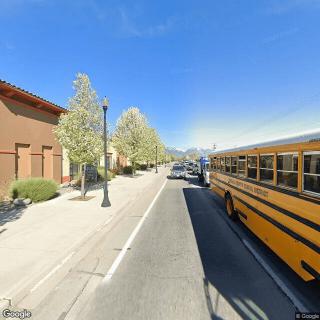
Skyline Estates

Save
Skyline Estates

Skyline Estates

2907 North Mountain Street, Carson City, NV 89703

For more information about senior living options: (844) 490-3973

3 from 24 reviews
5 stars
12
4 stars
0
3 stars
0
2 stars
0
1 stars
12

Assisted Living Independent Living Memory Care

Overall Review of Skyline Estates

Pros

  • pro The residence and staff were very friendly and helpful.
  • pro Frances, the wellness director, gave the tour, answered all questions, and made the process smooth.
  • pro Frances helped make the paperwork and transaction easy.
  • pro The facilities were great and provided everything a person needed to live comfortably.
  • pro The staff were beyond words and always available to assist.
  • pro Kenise, the wellness director, has a warm heart and freely shares it with residents.
  • pro Tonya, Kenise's assistant, was just as wonderful.
  • pro Dwight, the Skyline director, is an outstanding staff member with evident compassion for residents and their families.
  • pro Skyline Estates is recommended for families looking for a good home for their loved ones.

Cons

  • pro They warn others to run away from Skyline Estates and not leave loved ones there.
  • pro They describe Skyline Estates as incompetent, unprofessional, and disorganized, with horrid communication and a lack of ethics that put residents at risk.
  • pro They report there is not enough staff, with only one staff member on the night shift.
  • pro They allege care staff are cooking and cleaning dishes instead of attending to residents.
  • pro They recount neglect, including a resident not being bathed, a room smelling of urine, and overflowing dirty diapers.
  • pro They note a caretaker was seen watching videos on his cell phone during a shift.
  • pro They state a resident arrived unsupervised and fell, resulting in a broken ankle that may prevent walking again.
  • pro They claim leadership changes and that the administrator lacked compassion and offered scripted responses.

Review

The collection of experiences surrounding Skyline Estates paints a jagged portrait of elder care - one that includes heartbreak and tragedy, hopeful moments of compassionate care, and stubborn warnings from families who feel left in the dark. At the heart of several accounts is a sense that safety, dignity, and clear communication can be hit-or-miss, depending as much on who is on duty as on the elegance of the facility itself. One early and painful episode centers on a grandmother whose cherished gold necklace with an angel pendant - made from her late husband's wedding ring - was stolen during a period of vulnerability. A police report was filed, but the response was minimal, and the family felt the investigation didn't secure her belongings or bring accountability. The manager's attempt to shift blame to a neighbor named Gene, and the absence of follow-up calls, left the family reeling and angry, with the sense that security and communication were not being prioritized. That episode, shared in the wake of a painful loss, colored the perception of Skyline Estates for some families from the outset.

Against this backdrop of security concerns, other families describe a markedly different, more hopeful entry into Skyline. When one reviewer toured the community with her mother and husband, the experience was warm and reassuring. Frances, the wellness director, stood out as friendly, responsive, and thorough - answering questions with patience and clarity. The reviewer, Barb Gardner, felt that the tour and subsequent paperwork were handled smoothly, and she explicitly thanked Frances for making the process easy. In this thread of praise, Skyline Estates appears capable of providing a positive first impression: attentive staff, accessible information, and a welcoming atmosphere that can ease the stress of arranging care for a loved one.

Yet, the same facility becomes a cautionary tale in another long post that reads like a searing critique from a retired clinical social worker with decades of experience. The author urges readers to "RUN, RUN AWAY!" and warns that Skyline Estates embodies incompetence, disorganization, and dangerous lapses in care that put residents at risk. The narrative is relentless: within the first twelve hours of arrival, a resident was not properly supervised and fell, resulting in a catastrophic ankle injury. The orthopedic surgeon's grim prognosis - likely never to walk again - becomes a symbol of what the reviewer sees as systemic failures rather than unfortunate accidents. The critique emphasizes a staff shortage that leaves caregivers overwhelmed and unable to monitor residents adequately, leading to neglected hygiene, overflowing diaper pails, and rooms that reek of urine. The reviewer also recounts caregivers who distracted themselves with cell phone videos on breaks, a pervasive sense of indifference from the leadership (noting that the "more competent" previous administration is now gone), and a persistent fear that what should be basic supervision and cleanliness were not being met.

Other details in the same account underscore a broader pattern of neglect that feels both personal and systemic. The reviewer mentions insufficient staffing on night shifts, a backlog that prevented timely med administration, and a reliance on care staff to perform tasks outside their remit - like cooking - while essential duties to monitor and comfort residents fell by the wayside. There are vivid depictions of unclean conditions, with baskets of dirty linens and odorous rooms; a sense that any real accountability was elusive, even as the family attempted to document conditions with photos for health inspectors. The post suggests that accusations of neglect were serious enough to consider reporting to the state health department, and it even includes warnings about other residents who may not be appropriate for certain wings of the facility. The writer also recounts a troubling incident of being trespassed after quitting a shift, asserting the culture inside Skyline included contested ethics and ambiguous management responses. The tone is one of alarm and insistence that prospective families thoroughly investigate daily operations, staff interactions, and safety protocols before making any decision that could affect a loved one.

In a different thread of the same overall conversation, one reviewer describes a notably positive, ongoing relationship with Skyline Estates. This person recounts a family journey in which a beloved father moved into Skyline in February 2019 and quickly found social connections, friendship, and a sense of belonging. The family's daily visits turned into friendships with residents and staff alike, and they consistently found the facilities to be well-equipped to meet daily living needs. The staff are praised in particularly glowing terms: Kenise, the wellness director, is described as warm-hearted and available to answer questions; her assistant Tonya is praised for her similar warmth and support. Dwight, the Skyline director, is singled out for his compassionate leadership, visible in interactions with residents and their families. For this reviewer, Skyline isn't merely a place to live; it's a community where residents can thrive, make friends, and feel genuinely cared for by people who treat them with respect and kindness.

Weaving these accounts together presents a nuanced picture of Skyline Estates: it can be a place of genuine devotion and capable care, bolstered by staff who go above and beyond to build trust with residents and families. It can also be a place where security lapses, staffing challenges, and perceived leadership gaps leave families feeling powerless, anxious, and uncertain about the quality of day-to-day care. The most consistent thread across the narratives is the variability of experience - often depending on who is on shift, which wing a resident is in, and how proactive families are in advocating for their loved ones. The stories also reveal a broader truth about elder care: the difference between a place that feels like a home and one that feels like a risk is frequently the clarity of communication, the reliability of supervision, and the consistency of staffing.

For anyone considering Skyline Estates, these accounts underscore the importance of due diligence and ongoing engagement. Prospective families should seek out multiple perspectives, not only from formal tours but also from current residents and their families, and they should insist on transparent reporting about safety incidents, staffing levels, hygiene practices, and daily routines. Visiting at different times, asking to speak with front-line caregivers as well as management, and reviewing state health department records can help paint a fuller picture of how Skyline operates in practice. While some residents enjoy a stable, compassionate environment with leaders who truly engage with families, others warn that without vigilant oversight and strong, consistent staffing, the gap between promise and reality can be wide. The overarching takeaway is clear: in elder care, ongoing observation, open communication, and a relentless focus on safety and dignity are not optional extras - they are essential to ensuring a loved one's well-being.

Features

Housing

  • 60 resident community capacity 60 resident community capacity

Types of Care

  • Assisted Living Assisted LivingAssisted living facilities provide crucial support and care for seniors who may need help with daily tasks such as medication management, bathing, and meal preparation. These communities offer a safe and comfortable environment where seniors can maintain their independence while receiving the assistance they need to thrive in their golden years.
  • Independent Living Independent LivingIndependent living communities are important for seniors because they offer a safe and supportive environment where older adults can live independently while still having access to amenities and services that enhance their quality of life. These communities provide social opportunities, recreational activities, and assistance with daily tasks, promoting overall well-being and allowing seniors to maintain their independence for as long as possible.
  • Memory Care Memory CareMemory care is crucial for seniors as it provides specialized support and services for individuals with dementia or Alzheimer's disease. These programs offer a safe and secure environment where residents receive personalized care, cognitive stimulation, and help with daily activities. Memory care helps seniors maintain their independence, quality of life, and dignity while also providing peace of mind for their families.

Amenities

  • Activities on-site Activities on-siteActivities on-site are important for seniors because they provide opportunities for socialization, mental stimulation, physical activity, and overall well-being. Engaging in activities can help seniors stay active, maintain their independence, and improve their quality of life.
  • Air-conditioning Air-conditioningAir conditioning is important for seniors as they are more vulnerable to heat-related illnesses and may have underlying health conditions that make it difficult for them to regulate their body temperature. It helps to keep them comfortable, safe, and healthy in hot weather.
  • Beauty salon Beauty salonBeauty salons are important for seniors because they provide a space for them to feel pampered, socialize, and maintain their personal grooming and hygiene. Regular visits to a beauty salon can help boost seniors' self-esteem and overall well-being.
  • Cable or satellite TV Cable or satellite TVCable or satellite TV is important for seniors because it provides entertainment, news, and companionship, helping to combat loneliness and boredom. It also offers a wide range of programming options tailored to different interests and preferences.
  • Computer center Computer centerA computer center is essential for seniors as it provides access to technology, communication tools, and resources that can enhance their daily lives. It allows them to stay connected with loved ones, engage in online activities, and learn new skills, ultimately promoting socialization and mental stimulation.
  • Devotional services off-site Devotional services off-siteDevotional services off-site are important for seniors as they provide spiritual nourishment, social engagement, and a sense of community outside of the senior living facility. This can enhance overall well-being and help combat feelings of isolation and loneliness often experienced by older adults.
  • Dining room Dining roomDining rooms are important for seniors as they provide a space for socialization, connection, and nutritious meals. They offer opportunities for residents to bond over shared meals, foster a sense of community, and promote healthy eating habits. Dining rooms also ensure that seniors have access to well-balanced meals tailored to their dietary needs and preferences.
  • Fitness room Fitness roomHaving a fitness room in a senior living community is essential for seniors to stay active, maintain their physical health, and improve their overall well-being. Regular exercise can help prevent falls, reduce the risk of chronic diseases, and promote mental sharpness. It also provides social opportunities for residents to connect with others and enjoy a sense of community.
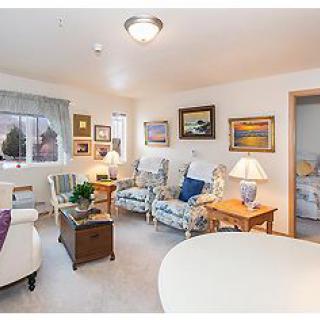
  • Fully furnished Fully furnishedFully furnished senior living communities are important for seniors because they provide convenience, comfort, and a hassle-free moving experience. Seniors can easily settle into their new living space without the stress of having to buy and move furniture. This allows them to focus on enjoying their new home and community.
  • Gaming room Gaming roomGaming rooms are important for seniors as they provide a fun and engaging environment for socializing, cognitive stimulation, and physical activity. Games can improve memory, problem-solving skills, and overall mental well-being while fostering friendships and reducing feelings of isolation.
  • Garden GardenGardens are important for seniors as they provide a peaceful and therapeutic environment for relaxation, physical activity, and socialization. Being in nature has been shown to reduce stress, improve mood, and promote overall well-being. Gardens also offer opportunities for seniors to engage in gardening activities, which can improve mobility, flexibility, and cognitive function. Additionally, gardens create a sense of community and connection with others who share a passion for plants and outdoor spaces.
  • Housekeeping services Housekeeping servicesHousekeeping services are important for seniors because they help maintain a clean and safe living environment, promote independence, and reduce the risk of accidents or illnesses. Additionally, having assistance with household chores can alleviate physical strain and allow seniors to focus on other aspects of their well-being.
  • Indoor common areas Indoor common areasIndoor common areas are crucial for seniors as they provide a space for socialization, recreation, and community engagement, promoting overall well-being and reducing feelings of isolation and loneliness.
  • Kitchenette KitchenetteKitchenettes are important for seniors living in senior living communities because they provide the convenience and independence of being able to prepare simple meals and snacks in the comfort of their own living space. This can help promote a sense of autonomy and well-being for seniors, allowing them to maintain some level of control over their dietary choices and daily routines.
  • Move-in coordination Move-in coordinationMove-in coordination is important for seniors because it helps ease the transition into their new living environment. It ensures that all logistics, such as packing, organizing movers, and setting up utilities are taken care of, allowing seniors to focus on settling in and adjusting to their new home. Having a smooth move-in process can alleviate stress and anxiety, making the transition smoother and more enjoyable for seniors.
  • Outdoor space Outdoor spaceOutdoor spaces are important for seniors as they provide opportunities for physical activity, social interaction, exposure to natural light and fresh air, and a sense of connection to nature. Having access to outdoor spaces can improve overall well-being and quality of life for older adults living in senior communities.
  • Private bathrooms Private bathroomsPrivate bathrooms are important for seniors in senior living communities because they provide independence, dignity, and comfort. Having a private bathroom allows seniors to maintain their personal hygiene routines without the need for assistance, promoting a sense of autonomy and privacy. Additionally, private bathrooms help prevent the spread of infections and provide a safe and clean environment for seniors to navigate safely.
  • Restaurant-style dining Restaurant-style diningRestaurant-style dining is important for seniors because it allows them to enjoy delicious, nutritious meals in a social and upscale setting. This enhances their dining experience, promotes healthy eating habits, and fosters socialization with fellow residents, ultimately contributing to their overall well-being and quality of life.
  • Small library Small librarySmall libraries are important for seniors as they provide access to a variety of reading materials, including books, newspapers, and magazines. This can help stimulate their minds, keep them engaged, and provide a sense of community through book clubs and other social activities. Additionally, reading has been shown to improve cognitive function and overall mental well-being in older adults.
  • Telephone TelephoneTelephones are important for seniors as they provide a lifeline for communication with loved ones, emergency services, and healthcare providers. They offer a sense of security and independence, enabling seniors to stay connected and access assistance when needed.
  • Wellness center Wellness centerWellness centers are important for seniors because they offer a variety of programs and services that promote physical, mental, and emotional well-being. These centers provide opportunities for exercise, socialization, education, and relaxation, helping seniors maintain their overall health and quality of life.
  • Wi-Fi/high-speed internet available Wi-Fi/high-speed internet availableWi-Fi/high-speed internet is important for seniors to stay connected with loved ones, access online resources, and participate in virtual activities to combat feelings of loneliness and isolation. It also allows them to easily manage healthcare needs, access entertainment, and engage in lifelong learning opportunities.

Transportation

  • Reno Tahoe International (22 miles away) Reno Tahoe International (22 miles away)
  • Community operated transportation Community operated transportationCommunity operated transportation is crucial for seniors as it provides them with the means to access essential services, social activities, and medical appointments. It allows seniors to maintain their independence and quality of life by ensuring they can participate in activities outside of their homes. Additionally, community-operated transportation services offer a safe and reliable way for seniors to travel without having to rely on family or friends for assistance.
  • Transportation arrangement Transportation arrangementTransportation arrangements are crucial for seniors as they may face challenges with driving, mobility, or access to public transportation. Having reliable transportation services ensures that seniors can easily attend appointments, social activities, and maintain their independence and quality of life.

Care Services

  • 24-hour call system 24-hour call system24-hour call systems are important for seniors because they provide peace of mind and immediate assistance in case of emergencies. This technology ensures that help is always available, promoting safety and security for elderly individuals living alone or in assisted living facilities.
  • 24-hour supervision 24-hour supervision24-hour supervision is important for seniors to ensure their safety, well-being, and access to immediate assistance in case of emergencies or health issues. This constant support provides peace of mind for both seniors and their loved ones, allowing them to age in place with dignity and security.
  • Activities of daily living assistance Activities of daily living assistanceActivities of daily living assistance are important for seniors because they provide essential support with tasks such as eating, bathing, dressing, and mobility. This assistance helps seniors maintain their independence, dignity, and overall quality of life as they age.
  • Ambulatory care Ambulatory care"Ambulatory care services provide essential medical support and treatment to seniors without requiring hospitalization, allowing them to maintain their independence and quality of life while managing chronic conditions or receiving routine medical care."
  • Assistance with bathing Assistance with bathingAssistance with bathing is crucial for seniors as it helps maintain personal hygiene, prevents infections, and ensures their overall well-being and comfort. It also provides a sense of dignity and independence for seniors who may struggle with this task on their own.
  • Assistance with dressing Assistance with dressingAssistance with dressing is important for seniors because it helps maintain their independence, promotes personal hygiene, prevents accidents and injuries, and improves overall quality of life. This service ensures that seniors can continue to dress comfortably and confidently, despite any physical limitations they may have.
  • Assistance with transfers Assistance with transfersAssistance with transfers is crucial for seniors as it helps prevent falls and injuries, maintains their independence, and ensures they can safely navigate their living environment. It also provides peace of mind for both seniors and their loved ones.
  • Diabetes diet Diabetes dietA diabetes diet is crucial for seniors as it helps manage blood sugar levels, reduce risks of complications, and improve overall health and well-being. By following a balanced and nutritious diet tailored to their specific needs, seniors can better control their diabetes and enhance their quality of life.
  • Diabetic care Diabetic careDiabetic care is crucial for seniors as they are more susceptible to developing diabetes due to aging and other health conditions. Proper management of diabetes can help prevent complications such as heart disease, vision loss, and nerve damage, improving the overall quality of life for seniors in senior living communities.
  • Meal preparation and service Meal preparation and serviceMeal preparation and service are crucial for seniors as they may have limited mobility or energy to cook nutritious meals. Having access to healthy and convenient food options can ensure they are getting the proper nutrition needed to maintain their overall health and well-being.
  • Medication management Medication managementMedication management is crucial for seniors to ensure they are taking the right medications at the correct dosages and times. This helps prevent adverse drug interactions, reduces the risk of medication errors, and promotes overall health and well-being. Proactive management also allows for adjustments as needed based on changing health conditions or new prescriptions.
  • Mental wellness program Mental wellness programMental wellness programs are essential for seniors as they promote cognitive stimulation, emotional support, and social engagement. These programs help prevent isolation, depression, and cognitive decline, ultimately enhancing the overall quality of life for older adults.
  • Mild cognitive impairment Mild cognitive impairment"Mild cognitive impairment" is important for seniors because it is an early stage of cognitive decline that can potentially progress to more severe conditions such as dementia. Recognizing and addressing mild cognitive impairment can help seniors receive appropriate care and support to maintain their quality of life and independence for as long as possible.
  • Special dietary restrictions Special dietary restrictionsSpecial dietary restrictions are important for seniors because age-related changes in metabolism and health conditions can make it difficult for their bodies to process certain foods. By following a diet tailored to their specific needs, seniors can maintain their overall health and well-being, manage chronic conditions, and reduce the risk of complications such as malnutrition or food interactions with medications.
  • Specialized memory care programming Specialized memory care programmingSpecialized memory care programming is crucial for seniors with cognitive impairments such as dementia or Alzheimer's disease. These programs provide a safe and supportive environment tailored to the unique needs of individuals with memory loss, helping them maintain their independence, dignity, and quality of life.

Dining

  • Diabetes diet Diabetes dietA diabetes diet is crucial for seniors as it helps manage blood sugar levels, reduce risks of complications, and improve overall health and well-being. By following a balanced and nutritious diet tailored to their specific needs, seniors can better control their diabetes and enhance their quality of life.
  • Meals provided Meals provided"Meals provided" are crucial for seniors in assisted living communities as it ensures they have access to nutritious, balanced meals without the stress of meal planning and preparation. This can help promote overall health and well-being for seniors who may have limited mobility or cognitive abilities.
  • Special dietary restrictions Special dietary restrictionsSpecial dietary restrictions are important for seniors because age-related changes in metabolism and health conditions can make it difficult for their bodies to process certain foods. By following a diet tailored to their specific needs, seniors can maintain their overall health and well-being, manage chronic conditions, and reduce the risk of complications such as malnutrition or food interactions with medications.

Activities

  • Activities on-site Activities on-siteActivities on-site are important for seniors because they provide opportunities for socialization, mental stimulation, physical activity, and overall well-being. Engaging in activities can help seniors stay active, maintain their independence, and improve their quality of life.
  • Community-sponsored activities Community-sponsored activitiesCommunity-sponsored activities are important for seniors as they provide opportunities for social interaction, mental stimulation, and physical activity. These activities can help improve overall well-being, combat loneliness and isolation, and promote a sense of belonging and purpose among older adults.
  • Concierge services Concierge servicesConcierge services are essential for seniors as they provide assistance with daily tasks and errands, enhance their quality of life by offering convenience and personalized care, and promote a sense of safety and security.
  • Devotional activities offsite Devotional activities offsiteDevotional activities offsite are important for seniors because they provide social engagement, spiritual growth, and a sense of community outside of their living environment. This can improve overall well-being, mental health, and combat feelings of isolation or loneliness.
  • Fitness programs Fitness programsFitness programs are crucial for seniors as they help improve strength, flexibility, balance, and overall well-being. Staying active can reduce the risk of chronic diseases, improve mental health, and enhance quality of life in older adults.
  • Planned day trips Planned day tripsPlanned day trips are important for seniors because they offer opportunities for socialization, mental stimulation, and physical activity. They provide a change of scenery and help seniors stay engaged and connected to their community, promoting overall well-being and quality of life.
  • Resident-run activities Resident-run activitiesResident-run activities are important for seniors as they encourage social interaction, creativity, and a sense of autonomy. These activities empower seniors to stay engaged and active in their community while fostering meaningful connections with their peers.
  • Scheduled daily activities Scheduled daily activitiesScheduled daily activities are important for seniors because they provide structure, socialization, mental stimulation, and physical activity. Engaging in regular activities can improve overall well-being and quality of life for seniors living in a community setting.

Description

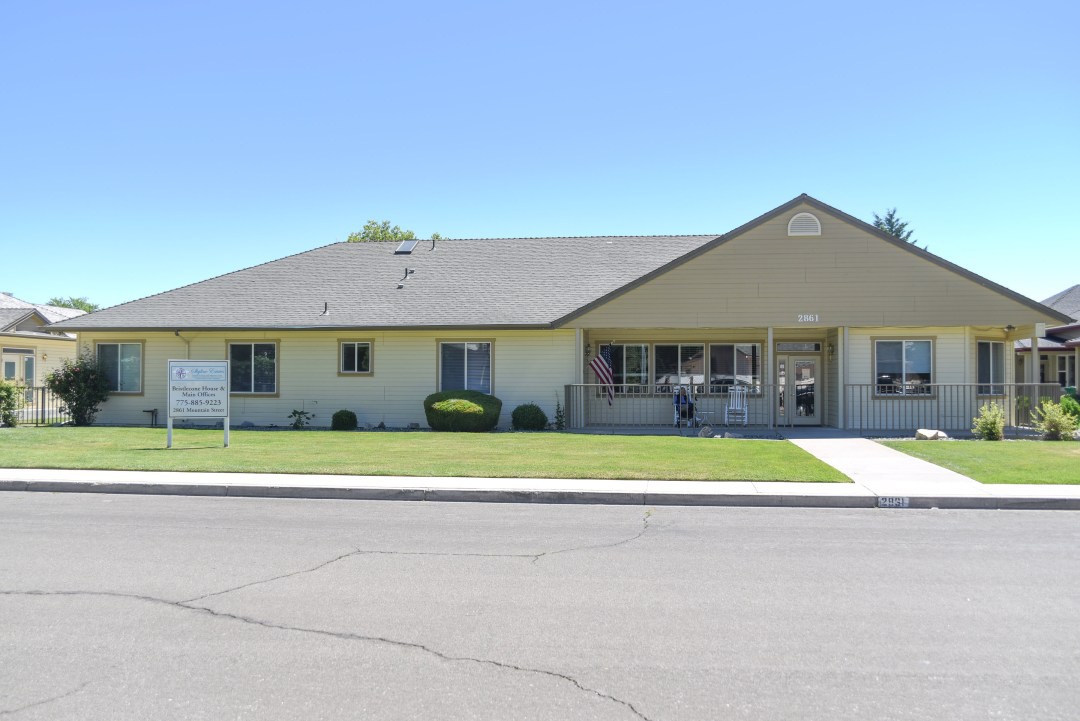
Skyline Estates in Carson City, NV is an assisted living community that offers a range of care services to meet the individual needs of its residents. With both Independent Living and Memory Care options, it provides a comfortable and supportive environment for seniors.

The community boasts numerous amenities to enhance the quality of life for its residents. These include air-conditioned living spaces, a beauty salon for pampering, cable or satellite TV for entertainment, community-operated transportation for convenient outings, and a computer center. Devotional services off-site ensure spiritual enrichment while the dining room offers restaurant-style dining experiences. Fitness enthusiasts will enjoy the fitness room and outdoor space, while those seeking mental stimulation can take advantage of the gaming room and small library. Housekeeping services are provided to maintain cleanliness and wellness services at the wellness center promote overall health. Additionally, Wi-Fi/high-speed internet access is available throughout the community.

Care services provided at Skyline Estates include 24-hour supervision for peace of mind, assistance with activities of daily living such as bathing and dressing, support with transfers if needed, and specialized memory care programming for individuals with cognitive impairments. The dedicated staff assists with medication management and follows diabetes diets and diabetic care protocols as required. Meal preparation and service are provided to ensure nutritious meals that cater to special dietary restrictions.

Residents can enjoy a variety of activities organized by the community, including community-sponsored activities and resident-run activities that encourage social interaction among peers. Concierge services are available to assist with any needs or inquiries. Fitness programs promote physical well-being while planned day trips offer opportunities for adventure outside the community. Additionally, devotional activities off-site provide opportunities for spiritual growth. Scheduled daily activities keep residents engaged in stimulating experiences.

The location of Skyline Estates is also advantageous, with several cafes, parks, pharmacies, physicians' offices nearby ensuring easy access to necessary amenities outside the community perimeter. There are also numerous restaurants catering to different culinary preferences as well as hospitals for convenient healthcare services.

Skyline Estates offers a comprehensive and vibrant assisted living community where residents can enjoy an active and fulfilling lifestyle while receiving the necessary care and support they need.

Nearby Places of Interest

Located in Carson City, Nevada, this area boasts a variety of healthcare options, including Sierra Nevada Ear, Nose & Throat and Children's Heart Center for any medical needs. With pharmacies like CVS and Walgreens nearby, access to prescription medications is convenient. For leisure activities, several parks such as John Mankins Park and Washoe Lake State Park offer opportunities for outdoor recreation. Residents can also enjoy dining at local eateries like La Posada Real and Sassafras Eclectic Food Joint, or grab a coffee at Starbucks or Dutch Bros Coffee. With hospitals like Carson-Tahoe Hospital and Sierra Surgery Hospital in close proximity, residents can feel assured of quality medical care nearby. The community in this area is welcoming and offers all the amenities needed for a comfortable senior living experience.

Physicians

  • Sierra Nevada Ear, Nose & Throat (0.1 miles)
  • Children's Heart Center (0.1 miles)
  • Professional Billing Systems (0.1 miles)
  • Great Basin Imaging (0.1 miles)
  • Susan L. Knowles, MD (0.1 miles)
  • Dr Paul Douglas Manoukian, MD, MPH (0.1 miles)
  • Sierra Nevada Hearing Aid Center (0.1 miles)

Parks

  • John Mankins Park (0.3 miles)
  • Mills Park (1.5 miles)
  • Sonoma Park (3.2 miles)
  • Washoe Lake State Park (5.8 miles)
  • Sunridge Park (6.5 miles)

Restaurants

  • Burger King (0.3 miles)
  • McDonald's (0.5 miles)
  • La Posada Real (0.9 miles)
  • Taco Bell (1 miles)
  • Tito's Restaurants Fine Mexican Food (1.1 miles)
  • Sassafras Eclectic Food Joint (1.2 miles)
  • Garden Cafe at the Carson Nugget (1.4 miles)

Pharmacies

  • Save Mart Supermarkets (0.4 miles)
  • CVS Pharmacy (0.5 miles)
  • Medcare Pharmacy (0.7 miles)
  • Mike's Pharmacy (1.1 miles)
  • Smith's Food & Drug (1.2 miles)
  • Smith's (1.3 miles)
  • Walgreens (1.5 miles)

Hospitals

  • Carson-Tahoe Hospital (1 miles)
  • Sierra Surgery Hospital (1.3 miles)
  • Renown Regional Medical Center (1.3 miles)
  • Lake Tahoe Nevada State Park (1.7 miles)
  • Carson Convalescent Center (2.1 miles)
  • Mountain View Care Center of C (3.6 miles)
  • Evergreen At Mountain View (3.6 miles)

Cafes

  • LA Bakery (1 miles)
  • Starbucks (1.4 miles)
  • Comma Coffee (1.6 miles)
  • Dutch Bros Coffee (1.7 miles)
  • Dutch Bros (2.1 miles)
  • Dutch Bros Coffee (4.2 miles)

Frequently Asked Questions

Where is Skyline Estates?
Does Skyline Estates provide care for residents with dementia or Alzheimer's disease?

Nearby Communities

Assisted Living in Nearby Cities

Related Resources

  • assisted living vs skilled nursingExploring the Contrasts Between Assisted Living and Skilled Nursing

    The article compares assisted living and skilled nursing facilities, detailing their differing levels of assistance, medical support, cost structures, and day-to-day experiences. It emphasizes that assisted living is for those needing help with daily activities while maintaining independence, whereas skilled nursing facilities provide intensive medical care with 24-hour staff supervision.

  • active senior livingVibrant Senior Living: A Comprehensive Guide for Active Older Adults

    Vibrant Senior Living emphasizes active senior living communities that promote independence and engagement through diverse amenities and activities, fostering wellness and social interaction among older adults. These communities range from independent to assisted living, with a focus on personal growth, family involvement, financial planning, and leveraging technology to enhance residents' experiences.

  • assisted living vs memory careAssisted Living and Memory Care: Understanding Their Core Differences
    Assisted living provides moderate support for seniors seeking independence, while memory care offers specialized support for individuals with dementia or cognitive impairments through structured routines and trained staff. Key differences include care approaches, environment security measures, staff training levels, activity types, and cost considerations.