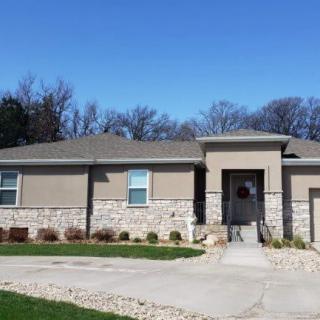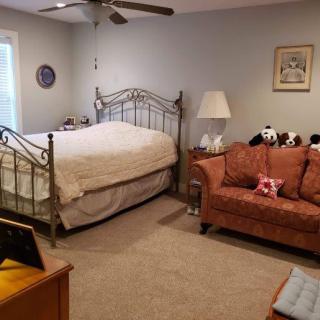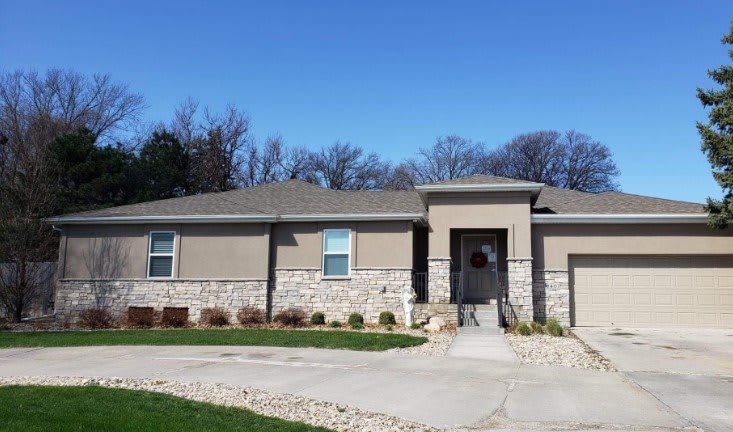
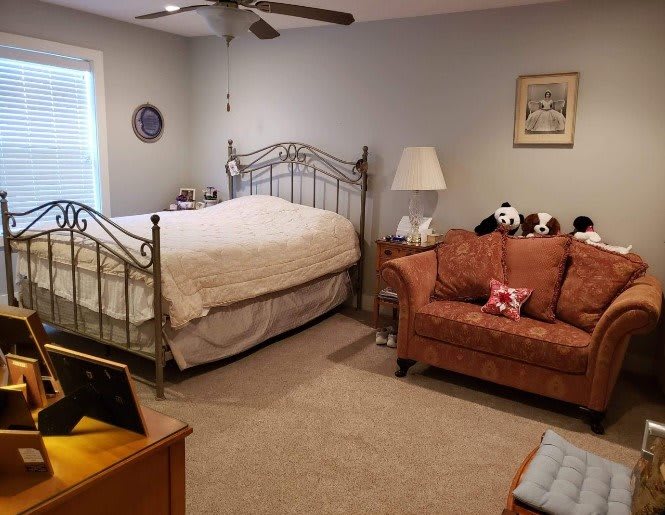
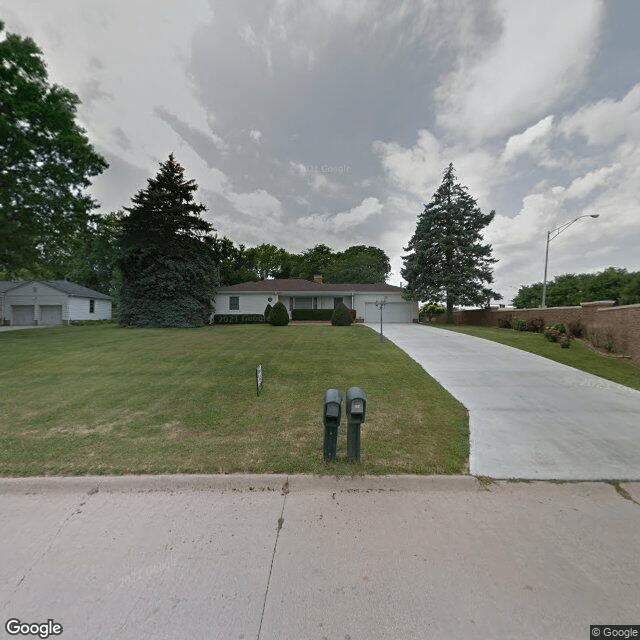
340 N 93rd St, Omaha, NE 68114
To contact a resident: (402) 672-9580
For more information about senior living options: (866) 208-4318
An Angel's Touch, Inc. Costs & Pricing
An Angel's Touch, Inc. offers competitive pricing for its assisted living services in comparison to both Douglas County and the broader state of Nebraska. For semi-private accommodations, An Angel's Touch is priced at $5,500 per month, which is notably higher than the county's average of $4,520 and the state's average of $4,123. Similarly, the cost for private rooms stands at $6,000 monthly, exceeding both Douglas County's rate of $4,184 and Nebraska's average at $4,615. While these figures indicate that An Angel's Touch may be positioned at a premium level within the market, they reflect a commitment to quality care that likely justifies the higher costs associated with their services.
| Floor plans | An Angel's Touch, Inc. | Douglas County | Nebraska |
|---|---|---|---|
| Semi-Private | $5,500 | $4,520 | $4,123 |
| Private | $6,000 | $4,184 | $4,615 |
Senior living communities with a similar price nearby
-
from -$996 / mo
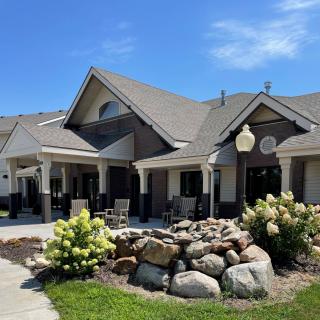
Valley Lakes
$4,504 to $4,854 / month9.5 miles away -
from -$1000 / mo

Eastridge Home
$4,500 / month6.1 miles away -
from -$800 / mo
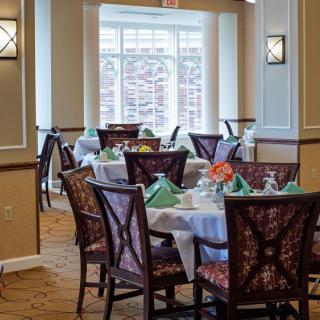
Lakeside Village
$4,700 / month5.0 miles away -
from -$279 / mo
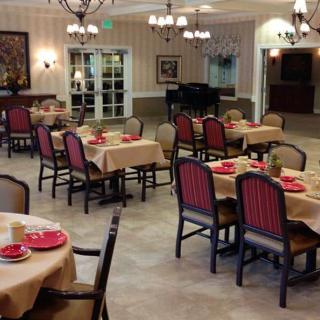
Prairie Meadows Alzheimers Special Care Center
$5,221 to $5,789 / month2.3 miles away -
from -$200 / mo
Hansen House
$5,300 to $6,400 / month15.0 miles away
Overall Review of An Angel's Touch, Inc.
Pros
 They are very pleased with their experience at An Angel's Touch.
- They chose An Angel's Touch for its smaller resident population, which offers more individualized care and a homier atmosphere.
- It feels like a home with a warmer vibe than a traditional facility.
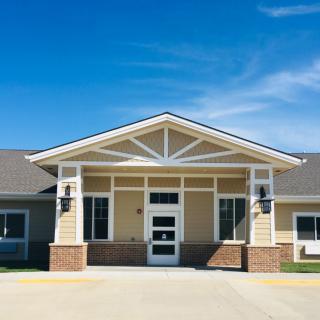
- It has a very nice yard, allowing residents to sit outside on the patio.
- The staff members are great at communication, sending pictures and updates by email.
- They would recommend An Angel's Touch to others seeking care.
Review
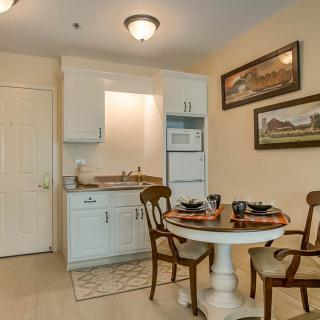
An Angel's Touch in Omaha, NE is best suited for families seeking a truly intimate, home-like living arrangement where individualized attention takes center stage. This small, domestic setting eschews the feel of a large campus in favor of a close-knit atmosphere. Residents live in a real home environment, not a traditional institutional building, which translates into calmer routines, easier familiarity with caregivers, and a sense that daily life unfolds with more predictability. For seniors who prize personal connections with staff and a quieter pace, this community offers a compelling match.
Those who may want to consider alternatives are families seeking robust on-site programming, a wide array of amenities, or expansive clinical services. The strength here is in intimate care, not in scale. If memory-care specialization, highly structured activity calendars, or advanced medical coordination are paramount, a larger facility with dedicated departments and more extensive staff resources could be a better fit. For residents who thrive on a bustling community calendar or who want a campus with numerous social outlets, a different setting may deliver more of what they’re looking for.
The core advantages, small resident population, highly individualized care, and a homier, non-clinical vibe, strongly offset the potential tradeoffs of a smaller operation. Families benefit from closer staff attention, quicker responsiveness, and routines that can bend to a resident’s preferences rather than a rigid schedule. The home atmosphere reduces the sense of being “in a facility,” which often translates into more meaningful day-to-day interactions. Importantly, the staff’s communication with families is a standout: regular updates with photos and emails keep relatives in the loop and reinforce trust.
These pros directly counter the natural concerns that accompany a smaller setting. With fewer residents, caregivers can tailor activities and monitoring to exact needs, and updates provide reassurance to families who cannot be onsite daily. The tradeoff, fewer on-site resources and potentially fewer formal programs, hands back to the family the ability to gauge day-to-day quality of life through direct conversations with caregivers and through the visible warmth of daily routines. The yard and patio area further offset any sense of confinement, offering outdoor legitimacy to a genuinely homey lifestyle that many families find comforting.
In practical decision-making terms, prospective residents should verify what the community can sustain in terms of care plans, daily schedule flexibility, and family communication rhythms. A direct conversation about staffing levels, call bell response times, and the cadence of updates will illuminate whether the reality aligns with the favorable impression from the review. Observing how staff interact with residents during a visit, whether conversations feel genuine, whether residents seem comfortable, and whether personal preferences are respected, provides the clearest signal of fit. A thoughtful inquiry into safety features for outdoor areas and ease of accessibility will also matter.
Overall, the strongest case for An Angel's Touch is for families prioritizing warmth, personalized attention, and a home-like daily experience over institutional scale. The singular strengths, small, intimate surroundings; a genuinely homelike atmosphere; and proactive family communication, deliver tangible value for seniors who thrive on close relationships with caregivers. For those who require extensive clinical resources, larger activity ecosystems, or broad service menus, it remains prudent to explore alternatives. A visit focused on staff rapport, resident comfort, and the credibility of daily routines will reveal whether this Omaha option truly aligns with long-term goals and peace of mind.
 Board and Care Home
 Activities off-site
 Air-conditioning
 Bath tubs
 Beautician on-site
 Cable or satellite TV
 Devotional services off-site
 Handicap accessible
 Indoor common areas
 Outdoor common areas
 Private
 Private bathrooms
 Respite or short term stays offered
 Wheelchair accessible showers
 Wi-Fi/high-speed internet available
 Eppley Airfield (14 miles away)
 Ambulatory care
 Diabetic care
 High acuity care
 Incontinence care
 Medication management
 Anytime dining
 Day trips and outings
 Gardening club
 Karaoke
 Live dance or theater performances
 Live musical performances
 Live well programs
 Visiting chaplain or priest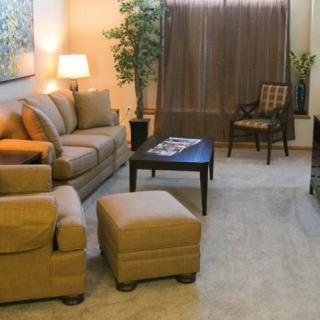
 Ten Vital Duties of a Senior Caregiver: A Comprehensive Guide
 9 Stimulating Memory Activities for Seniors: Puzzles, Cards, and Much More
 Managing Nursing Home Expenses After Medicare Coverage Ends