Parsons House on Eagle Run offers competitive pricing for its accommodations when compared to average costs in Douglas County and across Nebraska. For a studio, residents pay $3,095 monthly, which is notably lower than the county average of $3,611 and the state average of $3,728. The one-bedroom option is priced at $4,200, which exceeds the county's average of $2,803 but remains higher than the statewide average of $3,167. Meanwhile, the two-bedroom units are available for $5,200 a month - again exceeding Douglas County's average of $3,202 and Nebraska's average of $3,627. Overall, Parsons House presents an appealing choice for those seeking quality housing with tailored services in a supportive community environment while offering unique value in specific room types.
Floor plans
Parsons House on Eagle Run
Douglas County
Nebraska
Studio
$3,095
$3,611
$3,728
1 Bedroom
$4,200
$2,803
$3,167
2 Bedrooms
$5,200
$3,202
$3,627
Memory care communities with a similar price nearby
Residents and families consistently describe staff as caring, attentive, and respectful.
A large share of reviewers describe the staff as compassionate and responsive, with many citing help with daily needs and respectful treatment. Several mention that communication is a strong point, including keeping families updated on care and needs. Others also highlight that nursing and caregivers show up in day-to-day interactions rather than feeling distant.
differentiator18 reviews mention this
Dining and special diets stand out
Dining is repeatedly described as restaurant-style and satisfying, including options for special diets.
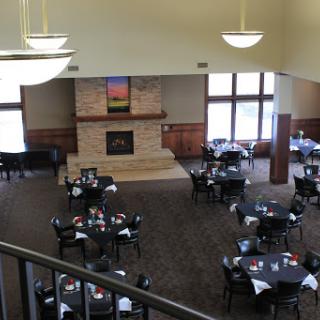
Food comes up often, with reviewers calling it consistently good and, in some cases, highlighting variety and portion satisfaction. Multiple comments also tie the dining experience to care—describing how dietary needs are handled and how meals are served. This matches what the community offers, including restaurant-style dining, room service, and special dining programs.
common13 reviews mention this
Activities keep residents engaged
Many reviewers say there are enough activities and programming to keep residents involved.
Several families describe a steady flow of activities—from scheduled group events to lighter daily programming—saying it helps residents stay occupied and engaged. Some also mention that staff work to include residents based on preferences, including in memory care settings. A smaller set of reviewers express the opposite experience, describing limited engagement or fewer activities than expected, especially for weekends.
caveat2 reviews mention this
Safety and compassion concerns exist
A few reviewers raise serious concerns about resident safety and staff conduct.
While most feedback is positive, a couple of reviewers report troubling experiences involving resident falls, delays in getting help, and allegations of theft. These reviews also describe a lack of compassion and cite negative interactions with leadership. They are an important counterpoint to the more common messages about care and attention.
How we summarize
Counts show how many written reviews mention each theme; a review can touch several themes, and only frequently mentioned themes are displayed.
Features
Types of Care
Assisted Living
Memory Care
Pets
Dogs allowed
Amenities
Activities on-site
Air-conditioning
Bath tubs
Beautician on-site
Cable or satellite TV
Devotional services on-site
Fireplaces
Ground floor units
Handicap accessible
Indoor common areas
Kitchenette
Outdoor common areas
Wheelchair accessible showers
Wi-Fi/high-speed internet available
Transportation
Eppley Airfield (13 miles away)
Care Services
Ambulatory care
Diabetic care
Incontinence care
Medication management
Dining
Guest meals
International cuisine
Meals provided
No Sugar
Professional chef
Restaurant style dining
Room service
Special dining programs
Activities
Art classes
Catholic services
Cooking classes
Day trips and outings
Devotional activities on-site
Educational speakers / life long learning
Karaoke
Live well programs
Other religious services
Protestant services
Visiting chaplain or priest
Wine tasting
Nearby Places of Interest
This area of Omaha, Nebraska offers a convenient and diverse range of amenities for senior living. With multiple places of worship nearby such as St Vincent De Paul Catholic Church and Westside Church, residents can easily maintain their spiritual practices. Access to pharmacies like CVS Pharmacy and Walgreens ensures that healthcare needs are met conveniently. The neighborhood also boasts various dining options including R Taco, Omaha Tap House, and Vincenzo's Ristorante, catering to different culinary preferences. Parks like Torrey Pines Park and Zorinsky Lake Park provide opportunities for outdoor recreation and relaxation. Additionally, proximity to healthcare facilities such as Methodist Healthwest and Boys Town National Research Hospital offers peace of mind for residents seeking quality medical care. Overall, this neighborhood in Omaha provides a well-rounded environment for seniors looking for a comfortable and vibrant community to call home.
Places of Worship
St Vincent De Paul Catholic Church (0.1 miles)
Westside Church (1.8 miles)
Pharmacies
CVS Pharmacy (0.4 miles)
Walgreens (1 miles)
Walgreens (1.1 miles)
CHI Health Clinic Dermatology (161st and W Maple) (1.5 miles)
Parsons House on Eagle Run offers competitive pricing for its accommodations when compared to average costs in Douglas County and across Nebraska. For a studio, residents pay $3,095 monthly, which is notably lower than the county average of $3,611 and the state average of $3,728. The one-bedroom option is priced at $4,200, which exceeds the county's average of $2,803 but remains higher than the statewide average of $3,167. Meanwhile, the two-bedroom units are available for $5,200 a month - again exceeding Douglas County's average of $3,202 and Nebraska's average of $3,627. Overall, Parsons House presents an appealing choice for those seeking quality housing with tailored services in a supportive community environment while offering unique value in specific room types.
Parsons House on Eagle Run's medication management is critical in ensuring that residents with dementia or Alzheimer's disease receive their prescribed medications consistently and correctly, minimizing the risk of confusion or missed doses that can exacerbate cognitive decline. This personalized approach to medication administration helps maintain optimal health and enhances overall well-being. Additionally, incontinence care is essential for fostering dignity and comfort among residents who may struggle with this sensitive issue due to their condition. By providing discreet and respectful support, staff can address personal hygiene needs promptly, allowing residents to focus on social engagement and activities rather than distressing concerns related to incontinence. Together, these features create a supportive environment that prioritizes both the medical and emotional needs of individuals facing memory challenges.
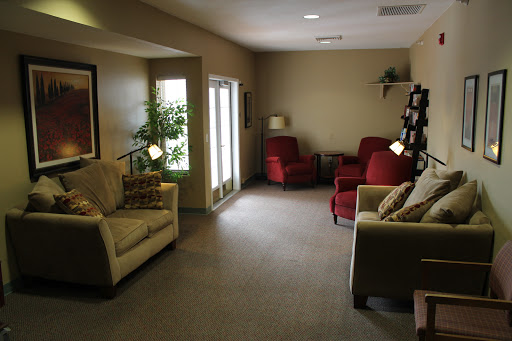
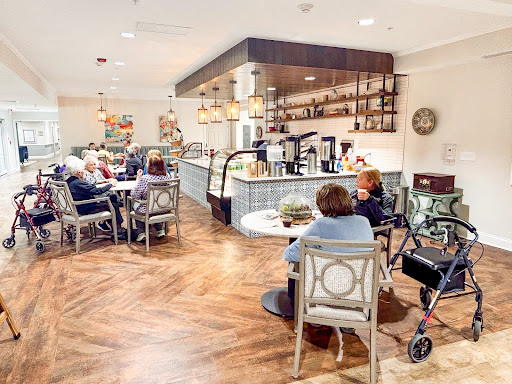
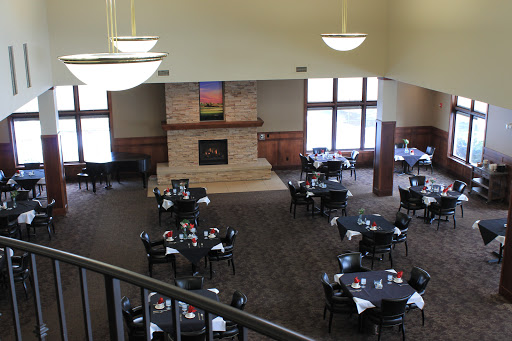
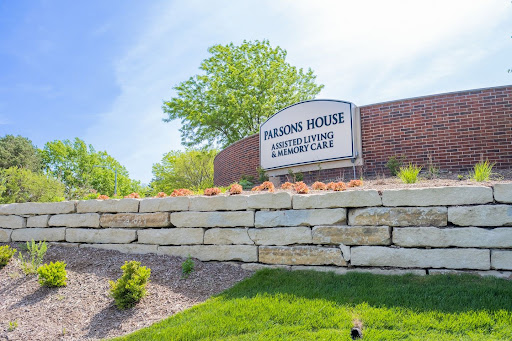
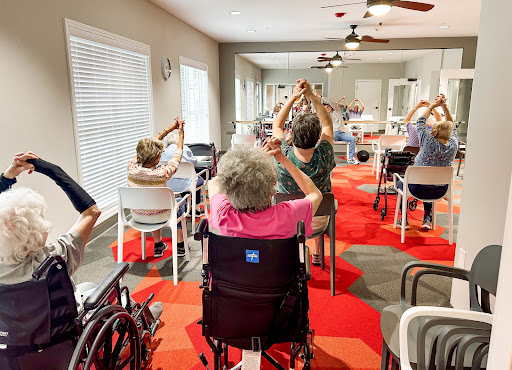
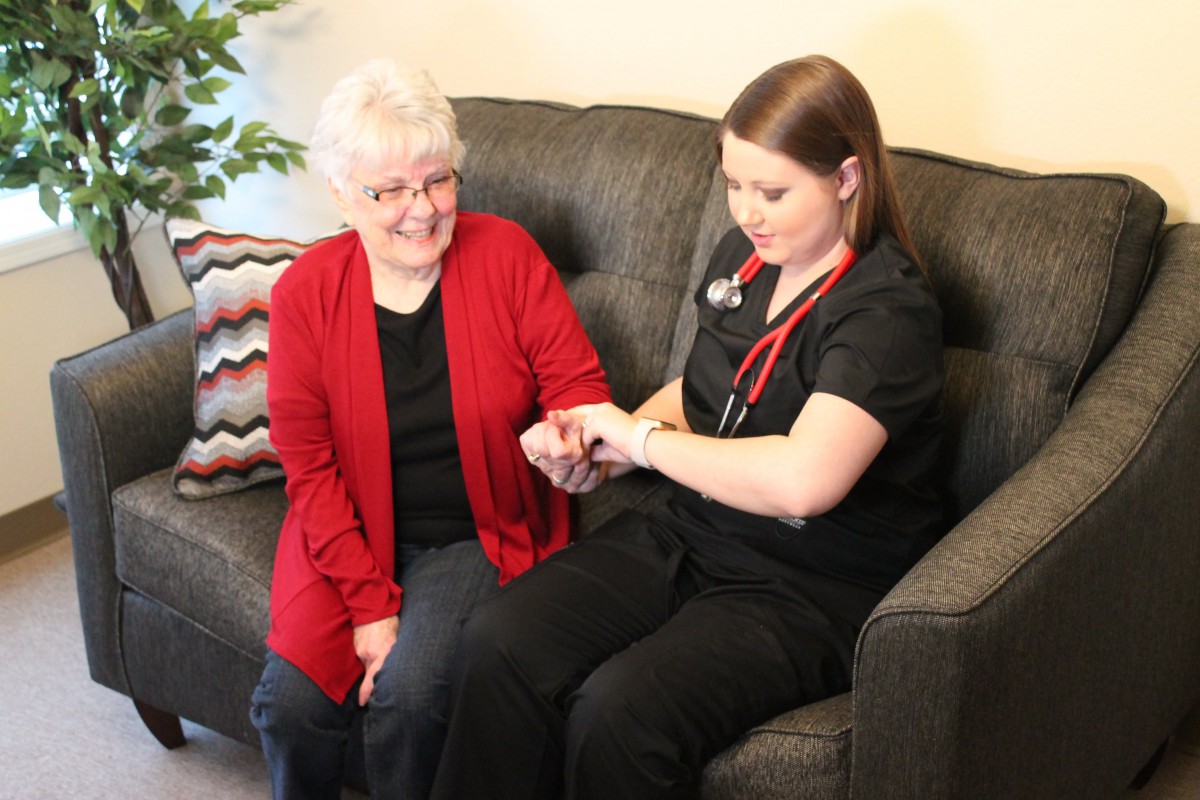
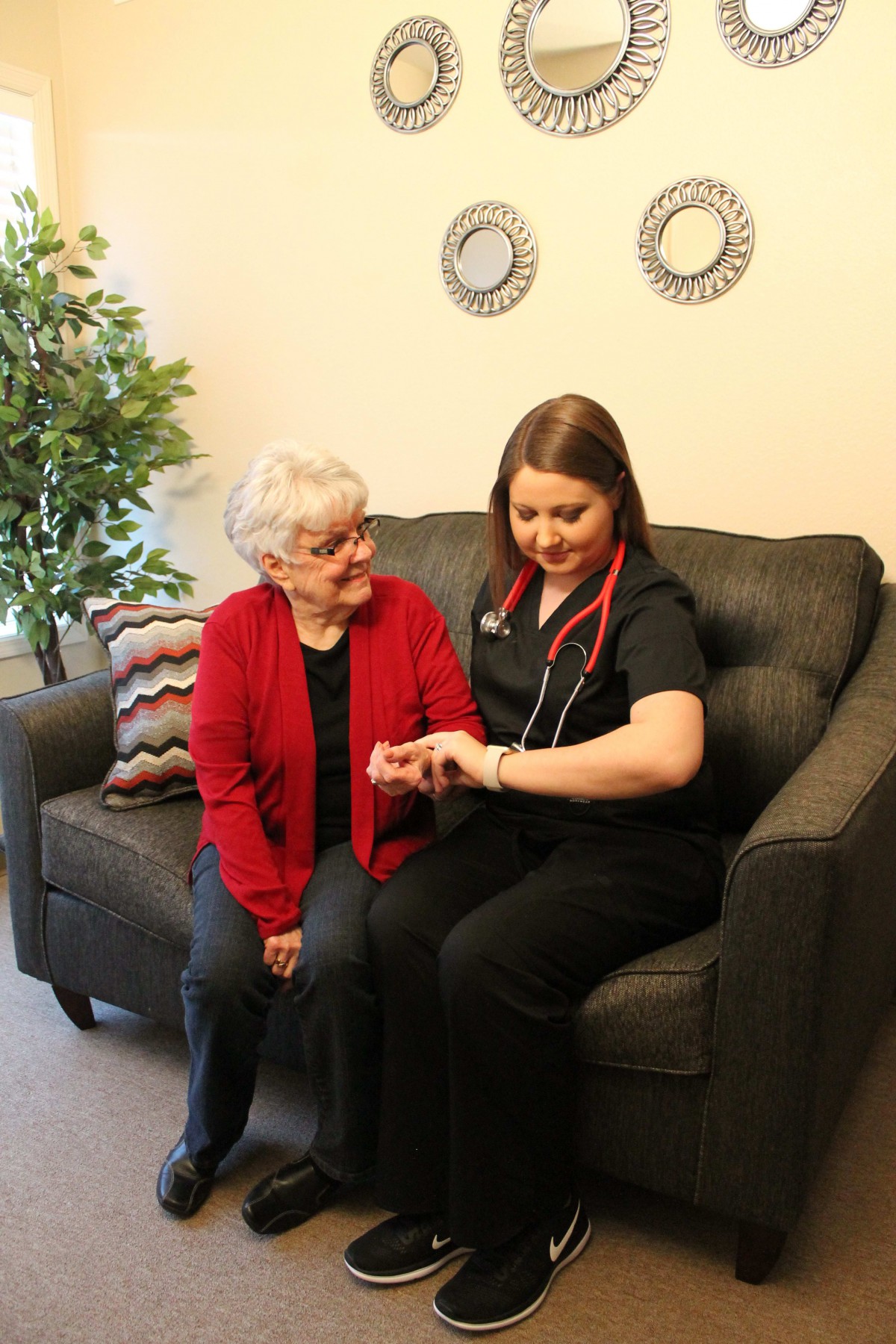
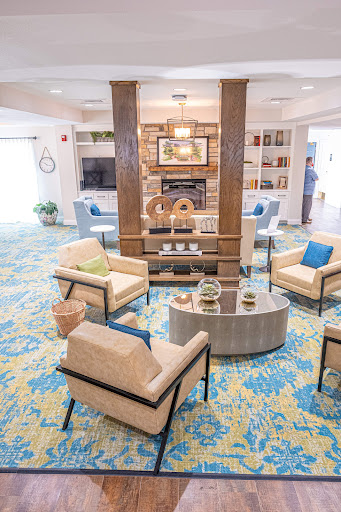
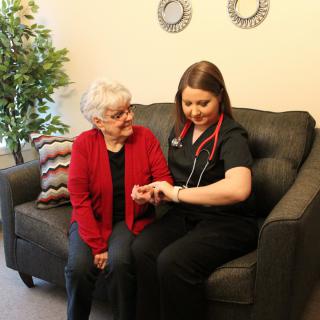
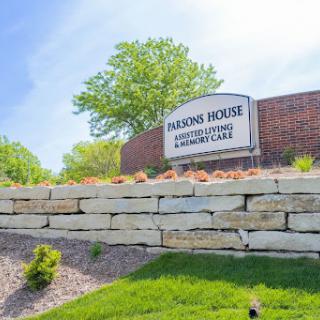
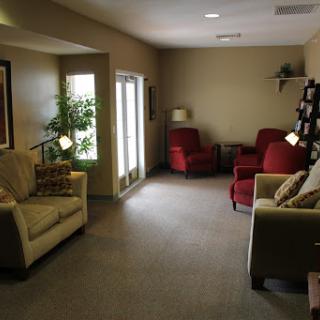
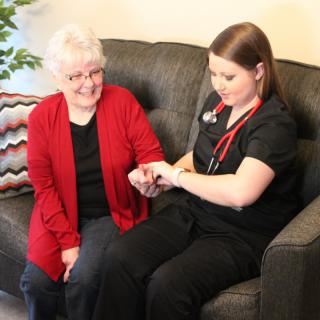
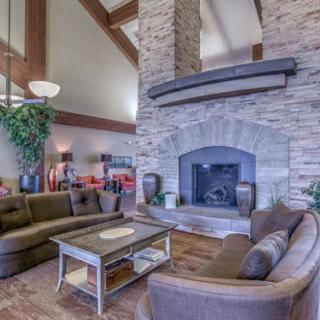
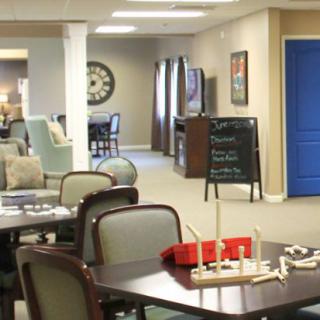
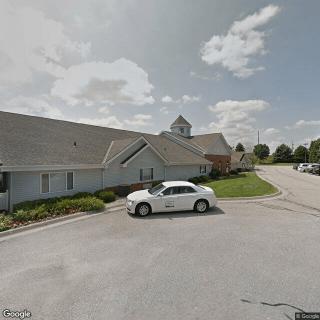
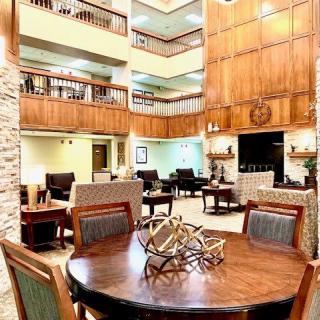
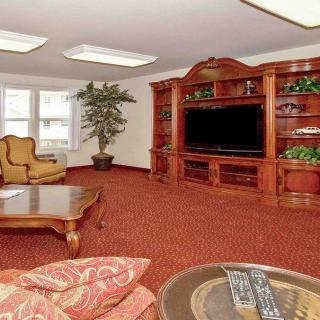
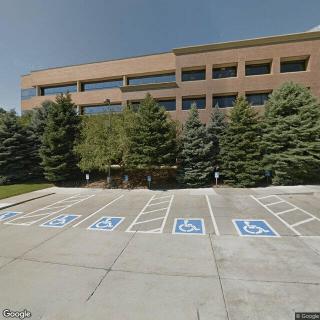
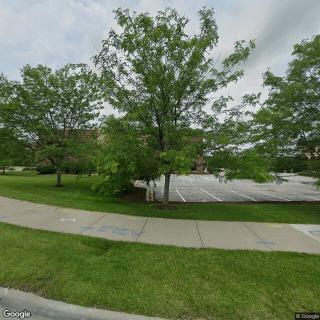
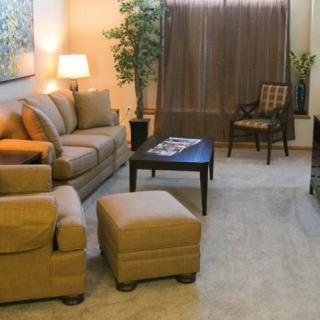
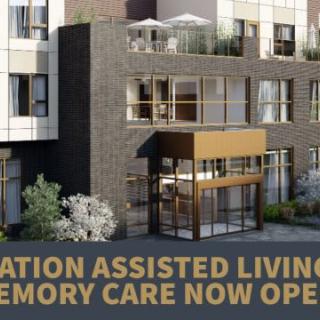
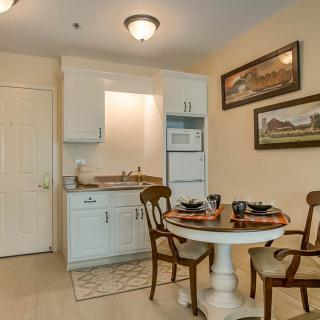
Parsons House on Eagle Run on seniors.fyi includes 13 photos including images showing interior, dining, decor, living room, building, landscaping, outdoor, healthcare, and more.
Nearby Communities
Betty's House, Inc.
Omaha, NE
3.4 from 120 reviews
$3,450 / month
Affordable private-room option with strong access to parks, dining, and healthcare.
Sunridge Village
Omaha, NE
4.5 from 24 reviews
$2,437 to $2,865 / month
Friendly staff with good dining and clean, well-equipped amenities.
Holiday Rolling Hills Ranch
Omaha, NE
4.3 from 136 reviews
$3,409 to $4,489 / month
Warm, friendly staff; clean, well-maintained facility; active social calendar and convenient location.
Prairie Meadows Alzheimers Special Care Center
Omaha, NE
4.5 from 111 reviews
$5,221 to $5,789 / month
Homelike atmosphere with dedicated staff, engaging activities, and strong family communication.
Care With Loving Kindness
Omaha, NE
3 from 4 reviews
Prime location with easy access to dining, parks, healthcare, worship, and cultural venues.
Home Instead, Inc.
Omaha, NE
Nearby access to cafes, parks, pharmacies, physicians, restaurants, theaters, and hospitals.
Maple Ridge Retirement Community
Omaha, NE
4.7 from 61 reviews
$2,948 to $4,330 / month
Friendly staff and a strong community.
Ovation Heartwood Preserve
Omaha, NE
3.6 from 31 reviews
$3,600 to $4,527 / month
Immaculate cleanliness, friendly staff, solid dining and activity options, with convenient transport.
Remington Heights Retirement
Omaha, NE
4.6 from 87 reviews
$2,375 to $3,425 / month
Friendly, attentive staff; well-maintained community with excellent amenities and dining.
Dementia encompasses a range of cognitive impairments characterized by types such as Alzheimer's and vascular dementia, and follows a seven-stage progression model known as the Global Deterioration Scale (GDS), highlighting varying symptoms and decline timelines. Early detection allows for lifestyle adjustments to potentially slow progression, while caregivers need support and resources to manage the challenges involved in caring for affected individuals.
The guide on holistic dementia care outlines the complexity of dementia and stresses the need for individualized caregiver strategies that include medical treatment, psychological support, and environmental adaptations, while emphasizing early detection, various therapeutic options, and caregiver support to enhance quality of life and maintain dignity.
Activities of Daily Living (ADLs) are fundamental tasks vital for an individual's independence, particularly in older adults over 85, and include functions like bathing and dressing; assessing ADLs alongside Instrumental Activities of Daily Living (IADLs) helps determine the level of required assistance due to age-related health challenges. Tailored support plans, involving family and community resources, are essential for maintaining dignity and autonomy in assisted living environments.
Get PricingAsk A QuestionSchedule A TourContact Senior Advisor
By clicking submit, you agree to our Partner's Terms of Use. You
also consent to receive calls and texts, which may be autodialed, from our Partner. Your consent is not a condition to
using our Partner's service. Please visit our Partner's Privacy Policy for information about their privacy practices.












 Assisted Living
 Memory Care
 Dogs allowed
 Activities on-site
 Air-conditioning
 Bath tubs
 Beautician on-site
 Cable or satellite TV
 Devotional services on-site
 Fireplaces
 Ground floor units
 Handicap accessible
 Indoor common areas
 Kitchenette
 Outdoor common areas
 Wheelchair accessible showers
 Wi-Fi/high-speed internet available
 Eppley Airfield (13 miles away)
 Ambulatory care
 Diabetic care
 Incontinence care
 Medication management
 Guest meals
 Art classes
 Catholic services
 Cooking classes
 Day trips and outings
 Educational speakers / life long learning
 Karaoke
 Live well programs
 Wine tasting
 Affordable private-room option with strong access to parks, dining, and healthcare.

 Understanding Dementia Through Its Seven Stages: A Comprehensive Look at Progression and Expectations
 A Holistic Dementia Care Guide: Effective Strategies for Memory Support
 Comprehensive Insights into Activities of Daily Living (ADLs) and Their Assessment