For more information about senior living options: (866) 208-4318
3.4 from 120 reviews
5 stars
52
4 stars
17
3 stars
13
2 stars
4
1 stars
34
Betty's House, Inc. Costs & Pricing
At Betty's House, Inc., the monthly cost for a private room is competitively priced at $3,450, making it a more affordable option compared to both Douglas County, where the average cost reaches $4,184, and the broader state of Nebraska with an average of $4,615. This pricing strategy not only reflects our commitment to providing quality care at accessible rates but also positions us as a value leader in the local landscape. Our aim is to ensure that residents receive exceptional care in a comfortable environment while remaining mindful of their financial considerations.
Floor plans
Betty's House, Inc.
Douglas County
Nebraska
Private
$3,450
$4,184
$4,615
Senior living communities with a similar price nearby
About the same
Oxbow Living Center
4.8 from 11 reviews
$3,415 / month
21.2 miles away
from -$580 / mo
Elk Ridge Village
4.8 from 155 reviews
$2,870 to $4,100 / month
5.2 miles away
from +$285 / mo
Aksarben Village Senior Living Community
4.8 from 126 reviews
$3,735 to $4,915 / month
6.2 miles away
from -$502 / mo
Maple Ridge Retirement Community
4.7 from 61 reviews
$2,948 to $4,330 / month
2.7 miles away
from -$600 / mo
Autumn Pointe
4.7 from 23 reviews
$2,850 to $3,790 / month
12.6 miles away
Overall Review of Betty's House, Inc.
caveat3 reviews mention this
Value feels inconsistent
Some reviewers say the prices feel like a deal, while others complain about getting too little for the cost.
A few reviews frame the place as a cheaper option when you want something without spending much. Others say portions are small for the price, or that they have felt overcharged when items or quality didnā€™t meet expectations. Overall, reviews suggest value depends heavily on what you receive in your order.
caveat11 reviews mention this
Service delays are a recurring issue
Many reviews describe long waits for orders, especially through the drive-through.
Several reviews mention drive-through lines that move slowly or take much longer than expected. Others describe delays even when only a few cars are ahead, along with long waits at the ordering point or after placing the order. A few comments also tie the slow timing to missing support or tools, rather than just a one-time busy period.
common12 reviews mention this
Staff friendliness shows up often
Reviewers frequently describe the staff as friendly, helpful, and courteous.
Across multiple reviews, people praise staff for being kind, helpful, and attentive at the counter and window. Some note positive interactions with specific staff members, including managers or employees who assist with what to order. Even with complaints about delays or order accuracy, the tone toward staff is often more positive than the tone toward the overall experience.
caveat4 reviews mention this
Cleanliness is mixed in reviews
Reviews include both strong cleanliness compliments and detailed complaints about dirty areas.
Some reviewers say the location is neat and clean, including restrooms, and mention that the dining area looks well kept. Other reviews go further with specific complaints about cleanliness issues like dirty bathrooms, scattered debris, and missing supplies. That mix suggests cleanliness varies from visit to visit based on what reviewers experienced that day.
How we summarize
Counts show how many written reviews mention each theme; a review can touch several themes, and only frequently mentioned themes are displayed.
Features
Types of Care
Board and Care Home
Amenities
Private
Transportation
Eppley Airfield (12 miles away)
Nearby Places of Interest
This area of Omaha, Nebraska offers convenient access to a variety of amenities and services that may be of interest to seniors. With multiple pharmacies within close proximity, including Walgreens and CVS Pharmacy, obtaining medications and healthcare supplies is easily accessible. Additionally, there are several reputable physicians' offices nearby, such as Popp Cosmetic Surgery PC and Midwest Eye Care PC, ensuring quality medical care within the community. The area also features dining options ranging from fast food chains like McDonald's to upscale restaurants like The Cheesecake Factory and Kobe Steakhouse of Japan. For leisure activities, residents can enjoy movies at Majestic Cinema Of Omaha or Village Pointe Cinema, as well as visit nearby parks like Torrey Pines Park and Hefflinger Park for outdoor relaxation. In terms of healthcare facilities, hospitals such as Methodist Healthwest and Boys Town National Research Hospital are located within a few miles for comprehensive medical care. Overall, this area provides convenient access to essential services and recreational opportunities for seniors looking to settle in a vibrant neighborhood in Omaha.
Pharmacies
Walgreens (0.2 miles)
CVS Pharmacy (0.8 miles)
Walgreens (1.8 miles)
CHI Health Clinic Dermatology (161st and W Maple) (2.2 miles)
At Betty's House, Inc., the monthly cost for a private room is competitively priced at $3,450, making it a more affordable option compared to both Douglas County, where the average cost reaches $4,184, and the broader state of Nebraska with an average of $4,615. This pricing strategy not only reflects our commitment to providing quality care at accessible rates but also positions us as a value leader in the local landscape. Our aim is to ensure that residents receive exceptional care in a comfortable environment while remaining mindful of their financial considerations.
Nursing home care costs in the U.S. vary significantly based on location, level of care, and amenities, with private room prices ranging from approximately $6,700 to over $30,000 monthly. Families need to explore various payment options and conduct thorough research to manage these expenses effectively.
Nonmedical home care provides assistance with daily activities and companionship for individuals wishing to maintain independence and quality of life at home, without medical intervention. Its growing popularity is driven by an aging population, the need for supportive environments for recovery, and the emotional benefits of caregiver companionship, while costs vary based on service frequency and location.
Maintaining cognitive fitness through engaging in various brain games, both traditional and digital, is crucial for seniors as it enhances memory retention, problem-solving abilities, and emotional well-being while helping to protect against age-related decline. A holistic approach that includes diverse activities, physical exercise, a balanced diet, and social interaction further supports mental health and cognitive function.
Get PricingAsk A QuestionSchedule A TourContact Senior Advisor
By clicking submit, you agree to our Partner's Terms of Use. You
also consent to receive calls and texts, which may be autodialed, from our Partner. Your consent is not a condition to
using our Partner's service. Please visit our Partner's Privacy Policy for information about their privacy practices.

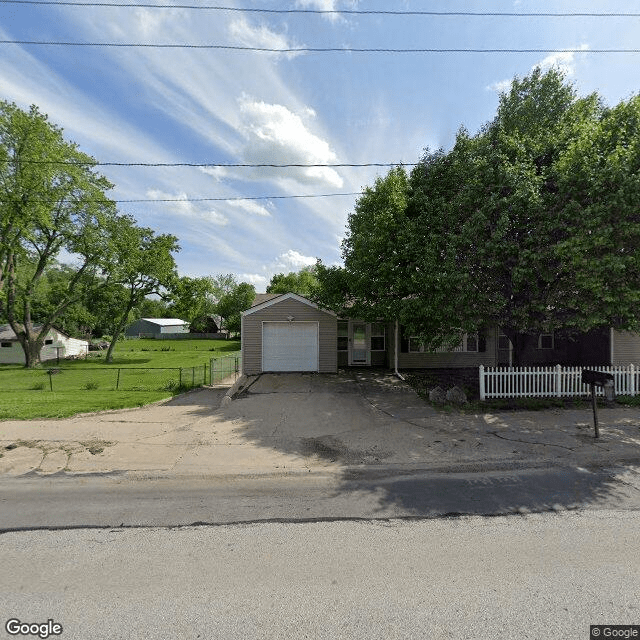
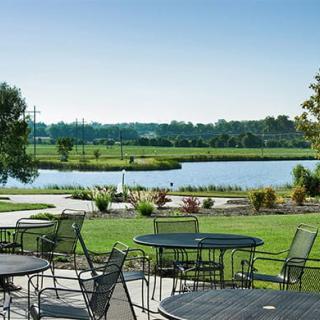
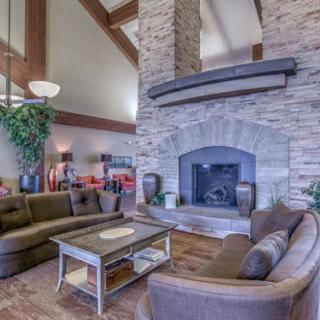
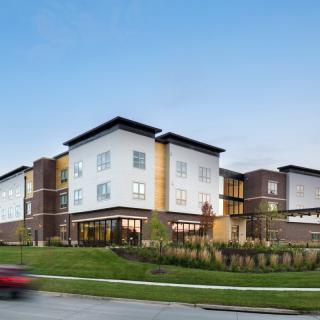
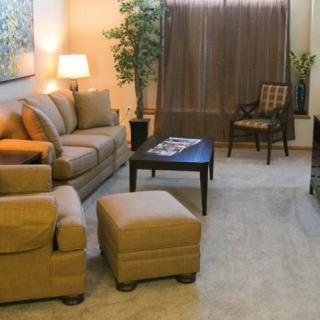
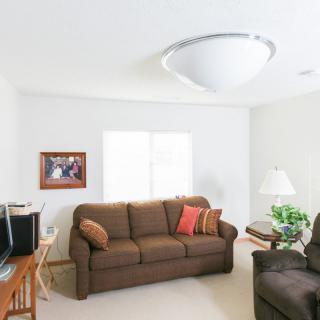
 Board and Care Home
 Private
 Eppley Airfield (12 miles away)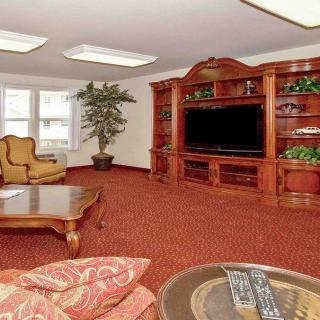
 Warm, friendly staff; clean, well-maintained facility; active social calendar and convenient location.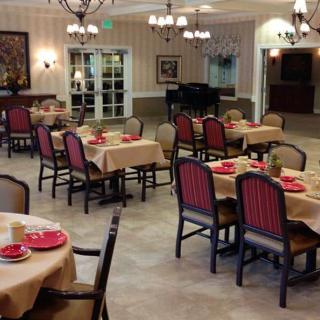
 A Detailed Examination of Nursing Home Costs Across the U.S.
 Exploring Nonmedical Home Care: Understanding Services, Costs, and Financial Approaches
 Engaging Brain Games and Innovative Apps to Keep Senior Minds Active