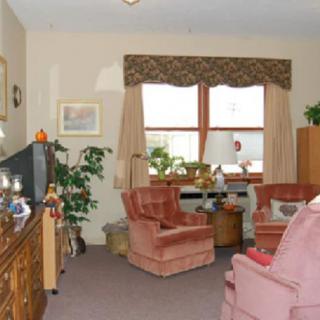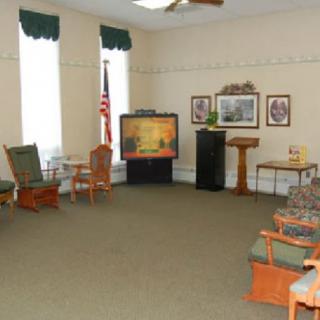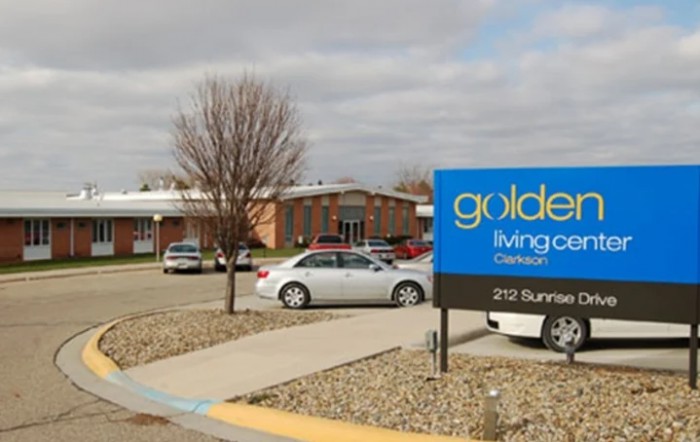
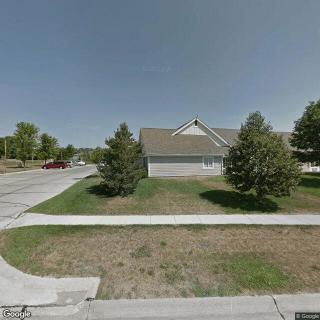
212 Sunrise Drive, Clarkson, NE 68629
To contact a resident: (402) 892-3494
For more information about senior living options: (866) 208-4318
Clarkson Community Care Center Costs & Pricing
Clarkson Community Care Center offers competitive pricing for its services compared to both Stanton County and the broader state of Nebraska. For a studio room at Clarkson, residents pay $1,710 per month, significantly lower than the county average of $2,616 and the state average of $3,728. The costs for private rooms at Clarkson are also reasonable; priced at $3,588, they are higher than Stanton County's average of $3,027 but still remain below the state's average of $4,615. Similarly, semi-private rooms at Clarkson match the private room pricing at $3,588. While this is notably higher than Stanton County's rate of $2,567, it is more affordable than the state's average of $4,123. Overall, Clarkson Community Care Center provides a valuable option for those seeking care in a cost-effective manner within the region.
| Floor plans | Clarkson Community Care Center | Stanton County | Nebraska |
|---|---|---|---|
| Studio | $1,710 | $2,616 | $3,728 |
| Private | $3,588 | $3,027 | $4,615 |
| Semi-Private | $3,588 | $2,567 | $4,123 |
Skilled Nursing Facilities with a similar price nearby
-
About the same

Stanton Health Center
$1,680 / month16.0 miles away
Overall Review of Clarkson Community Care Center
Pros
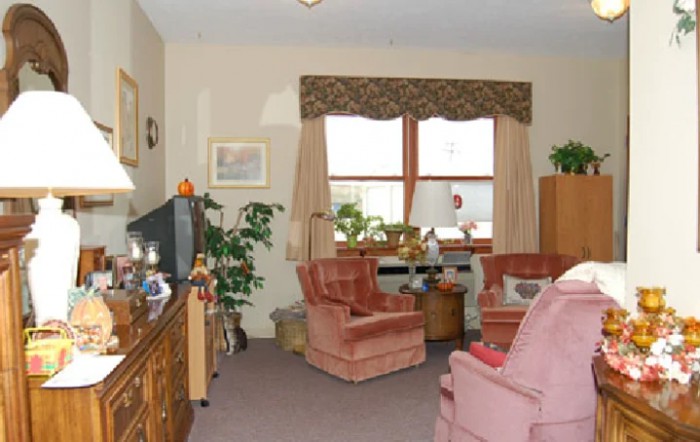
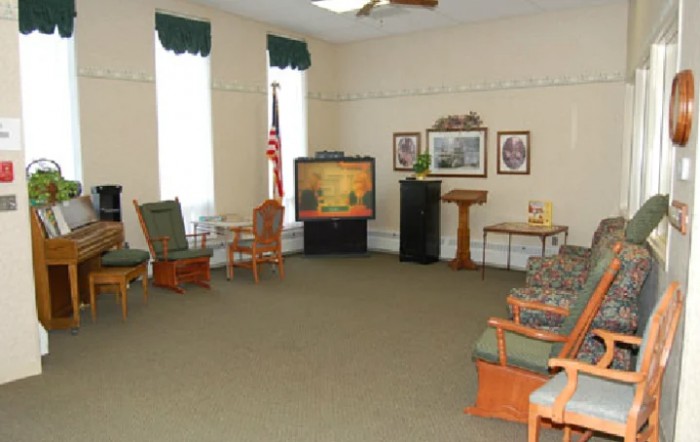
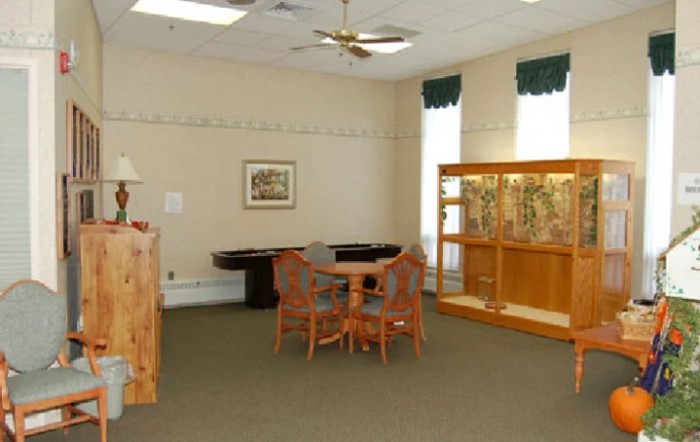
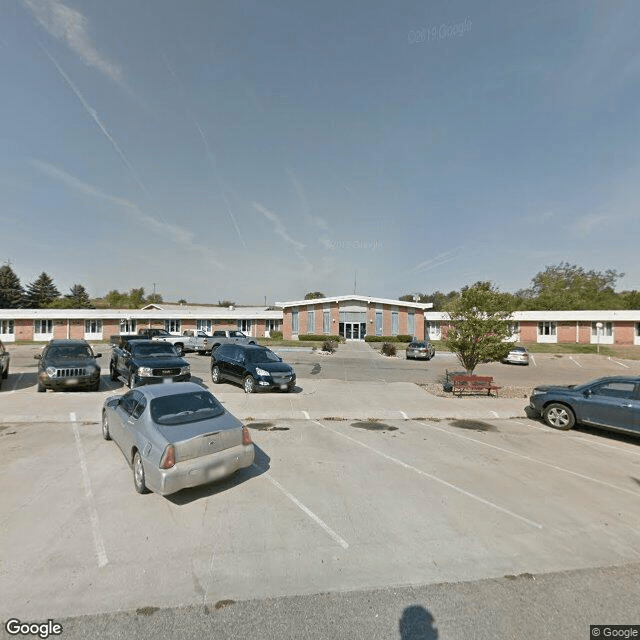
 The facility is clean, pleasant, and makes a strong first impression.
- The staff are consistently kind, smiling, and eager to help.
- The care provided is excellent, marked by dedication and compassion.
- Families feel blessed to have this institution in the community and describe residents as being treated like family.
- CNAs respond quickly to call lights and provide very helpful care.
- Residents’ appearance reflects attentive grooming and cleanliness.
- The staff are friendly, accommodating, and supportive in assisting residents with movement and activities.
- Visitors believe choosing this center was the best decision for their loved ones and praise the care as fantastic.
Cons
 The reviewer describes a horrendous trip caused by a sidewalk that was about an inch higher than the ground.
- The reviewer notes that the fall fractured their femur and required surgery plus a five-day hospital stay, followed by four weeks in a care center.
Review
Best suited for families seeking a warm, family-like environment with reliable daily support, Clarkson Community Care Center is a strong fit for seniors who value personal attention, easy access to help, and meaningful social engagement. The community shines when care teams cultivate relationships and treat residents as members of a connected community rather than anonymous clients. Clean, pleasant surroundings paired with staff who greet residents warmly set a tone of respect and dignity from arrival onward. For families prioritizing a homey pace, dependable mobility assistance, and hands-on staff who respond with patience and competence, this center represents a practical, well-grounded choice.
Those who may want alternatives should consider residents with higher medical acuity or specialized memory-care needs that demand more intensive clinical oversight or dedicated memory-care programming. The reviews emphasize a compassionate, responsive staff and general excellence in daily caregiving, but there is no explicit documentation of on-site medical teams, complex wound care, or dementia-focused units. Families seeking highly specialized care, aggressive rehab services, or a broader continuum of medical services may find other facilities that foreground these capabilities. Similarly, residents chasing luxury amenities or a broader array of on-site activities might encounter a more basic offering here, relative to some competing communities.
The strongest pros center on human connection and practical reliability. Staff consistently come across as warm, helpful, and accessible, with CNAs answering call lights promptly and residents being treated with dignity in routine care. The environment is described as clean and welcoming, contributing to a sense of safety and well-being. Visitors observe residents being assisted with mobility, positioned comfortably, and integrated into activities with staff who make a point of engaging them. The anecdotes about a supportive, family-like atmosphere, where staff greet loved ones at the door and residents feel genuinely cared for, carry substantial weight when evaluating day-to-day quality of life.
These advantages offset the main caveats by delivering tangible daily value that many families prioritize. The central trade-off appears to be the facility’s apparent focus on consistent caregiving and social warmth rather than a specialized clinical niche. In practice, that means stronger everyday experiences, quick help, respectful treatment, steady routines, unless a resident’s needs require intensive medical management or dementia-specific programming. For most seniors who want companionship, reliable assistance, and peace of mind for their families, the pros translate into meaningful, practical benefits that can justify the choice.
Decision guidance for families centers on fit and expectations. Prospective residents should observe response times during visits, inquire about rehab capabilities and medical coverage, and confirm that the staff can support fall risk management and mobility goals over time. It’s also wise to gauge the emotional climate: do residents appear at ease, do family members express confidence, and is there a visible sense of community in daily life? If the answers lean positive, Clarkson Community Care Center aligns well with a bottom-line goal, maintain comfort, dignity, and belonging in everyday senior living. If advanced clinical needs or dementia-specific programming are non-negotiable, exploration of alternatives is prudent.
In sum, Clarkson Community Care Center represents a compelling option for families seeking warmth, attentiveness, and a resident-centered culture. It excels in staff warmth, prompt assistance, and a palpable sense of belonging that often translates into higher quality of life. The notable caveat is the potential need for deeper medical specialization or dementia-focused resources, which may be decisive for residents with complex clinical requirements. For Clarkson-area families weighing their choices, this center deserves strong consideration and deserves to be on the short list, subject to confirming the specific clinical needs and day-to-day rhythms that matter most to the individual resident.
 Assisted Living
 Skilled Nursing Facility
 Cats allowed
 Dogs allowed
 Activities on-site
 Devotional services off-site
 Indoor common areas
 Private
 Ambulatory care
 Diabetic care
 Meals provided

 Assisted Living and Memory Care: Understanding Their Core Differences
 Beyond the Bingo Hall: 50+ Enriching Activities for Seniors in Assisted Living
 Understanding the Distinctions: Assisted Living and Memory Care Explained