
P O Box 407, 301 17Th Street, Stanton, NE 68779
For more information about senior living options: (866) 208-4318
Stanton Health Center Costs & Pricing
Stanton Health Center offers competitive pricing for its services, particularly when compared to the costs in Stanton County and across the state of Nebraska. For both private and semi-private room types, Stanton Health Center charges $1,680 per month, which is significantly lower than the county's average of $3,027 for private rooms and $2,567 for semi-private accommodations. Similarly, these rates stand in sharp contrast to the state averages of $4,615 and $4,123 respectively. This pricing structure not only reflects a commitment to making quality care accessible but also positions Stanton Health Center as an attractive option for those seeking affordable long-term care without compromising on quality.
| Floor plans | Stanton Health Center | Stanton County | Nebraska |
|---|---|---|---|
| Private | $1,680 | $3,027 | $4,615 |
| Semi-Private | $1,680 | $2,567 | $4,123 |
Skilled Nursing Facilities with a similar price nearby
-
About the same
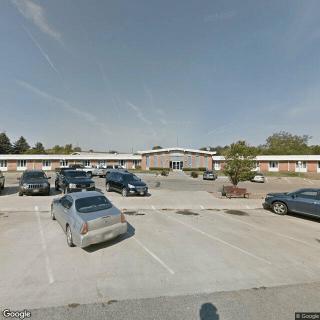
Clarkson Community Care Center
$1,710 to $3,588 / month16.0 miles away
Overall Review of Stanton Health Center
Pros
 The staff is very good.
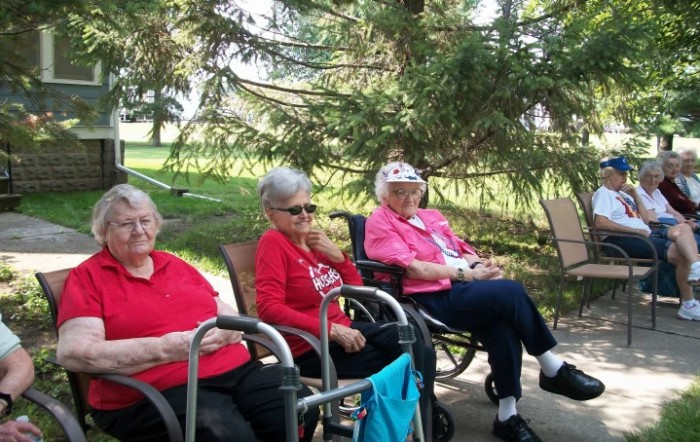
- The grounds are kept very nice.
- Everything is kept up very nice.
- They provide sit exercise activities and take her to the therapy room.
- They have a beautician who does nails.
- Her nails were painted recently.
- They are very good at accommodating her wishes.
Cons
 The mom complains about the food.
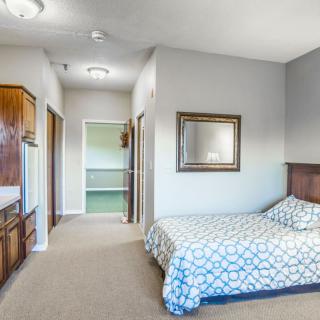
- The rooms can’t be evaluated because COVID restrictions prevent anyone from viewing them.
Review
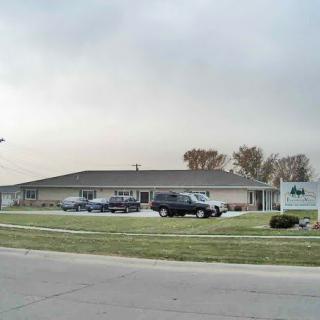
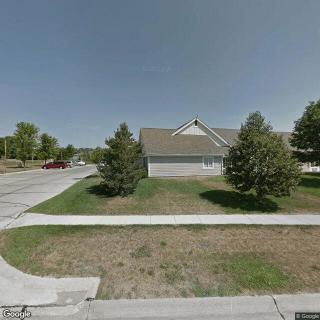
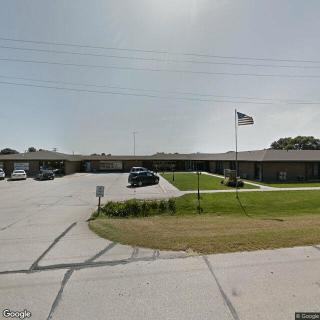
Stanton Health Center in Stanton, Nebraska, is best suited for seniors who need full-time skilled nursing care and whose families prize dependable, attentive staff combined with structured rehab and social programs. The care model centers on consistent nursing attention, ongoing mobility work, and opportunities for mild social engagement, which are crucial for residents with complex medical needs. The campus presents as orderly and well-maintained, with orderly grounds that reinforce a calm, home-like atmosphere. A clear strength is staff responsiveness and a willingness to tailor small daily supports to individual preferences, a decisive factor for families managing mobility, pain management, and daily assistance at home.
Those who prioritize top-tier dining quality, a broad range of room options, or open, in-person access to rooms and menus may want to explore alternatives. The impression available to outsiders is constrained by limited room visibility and uncertainty around meal quality, since family members could not fully inspect living spaces or sample the kitchen offerings. Prospective residents should plan for an in-person tour, request current photos of rooms, and obtain a formal dining menu to judge whether accommodations align with expectations. If transparency about room layouts or a proven dining experience is non-negotiable, other facilities may offer more clarity and variety.
The strongest positives lie in caregiving quality and daily engagement. Staff are described as very good, delivering consistent care and a responsive presence that supports medical needs as well as quality-of-life activities. The on-site therapy access and a structured program of social activities help sustain independence and mood, reducing the risk of functional decline. The beautician service, along with simple touches like nails painting, signals a commitment to dignity and normalcy beyond routine medical care. These advantages help offset the unknowns about room condition and dining by confirming that core nursing and rehabilitative needs are effectively addressed and that residents remain engaged.
To make a well-informed decision, gather specifics about staffing patterns (nurse and aide coverage by shift), therapy availability (types, hours, and goals), and real-world meal experiences (sample menus, dietary accommodations, and dining times). Probe room configurations, including private versus shared options, size, and whether personal belongings can be brought. Clarify costs, what is included in the base rate, and opportunities for trial stays or respite care. Inquire about social calendars and how resident preferences shape daily activities, as well as policies on family involvement, guest access, and beauty services scheduling. These details reveal how the center translates reputation into day-to-day life.
From a safety and quality-of-life perspective, Stanton Health Center appears to deliver a stable, respectful environment. The grounds and general upkeep suggest a facility that prioritizes cleanliness and comfort, while the ongoing therapy and social routines point to proactive engagement rather than passive custodial care. Still, the limited review sample means turnover, consistency of day-to-day staffing, and long-term satisfaction remain uncertain factors. Weigh these against the demonstrated care quality, and the decision will hinge on whether the priority is reliable nursing oversight and a meaningful daily routine over meticulously curated dining or extensive on-campus amenities.
In sum, Stanton Health Center is a practical, solid choice for families prioritizing skilled nursing with attentive staff and an active rehab/activities program in a well-kept setting. It may be less compelling for those who insist on a premier dining experience or highly transparent, tour-ready room options. The recommended course is to pursue an in-person visit, request sample menus and current room photos, and engage directly with the care team to map a resident’s care plan. With those checks, this community becomes a strong contender in Stanton’s senior-care landscape, delivering dependable nursing care and dignity-focused daily living.
 70 resident community capacity
 Skilled Nursing Facility
 Air-conditioning
 Beauty salon
 Cable or satellite TV
 Computer center
 Dining room
 Fitness room
 Fully furnished
 Gaming room
 Garden
 Housekeeping services
 Kitchenette
 Move-in coordination
 Outdoor space
 Private bathrooms
 Restaurant-style dining
 Small library
 Telephone
 Wellness center
 Wi-Fi/high-speed internet available
 Community operated transportation
 12-16 hour nursing
 24-hour call system
 Activities of daily living assistance
 Assistance with bathing
 Assistance with dressing
 Assistance with transfers
 Diabetes diet
 Medication management
 Mental wellness program
 Special dietary restrictions
 Concierge services
 Planned day trips
 Comprehensive Approaches for Arthritis: A Detailed Guide to Symptoms, Causes, and Care
 Comprehensive Insights and Practical Strategies to Help Older Adults Avoid Falls
 6 Crucial Ways an Elder Law Attorney Assists Families