
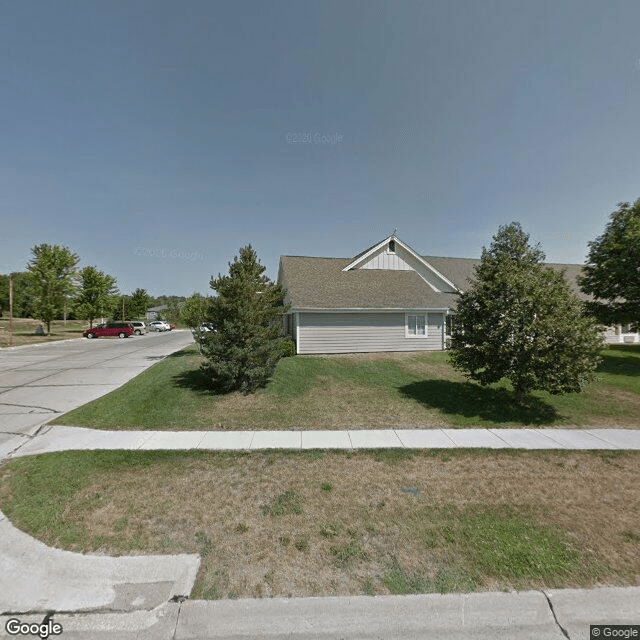
3614 Koenigstein Ave, Norfolk, NE 68701
To contact a resident: (402) 379-9622
For more information about senior living options: (866) 208-4318
The Norfolk Homestead, LLC Costs & Pricing
At The Norfolk Homestead, LLC, the monthly cost for a studio room is set at $3,120. This rate reflects a competitive pricing structure when compared to Stanton County, where similar accommodations are available for $2,616. However, it comes in slightly under the average statewide cost in Nebraska, which stands at $3,728 for comparable offerings. This positioning allows The Norfolk Homestead to balance quality and affordability effectively within the local market, providing residents with excellent amenities and services that align with their expectations and needs.
| Floor plans | The Norfolk Homestead, LLC | Stanton County | Nebraska |
|---|---|---|---|
| Studio | $3,120 | $2,616 | $3,728 |
Assisted Living communities with a similar price nearby
-
from -$125 / mo
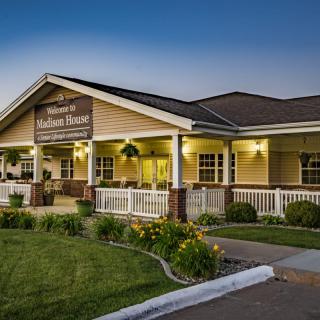
Madison House
$2,995 to $3,495 / month3.0 miles away -
from -$475 / mo
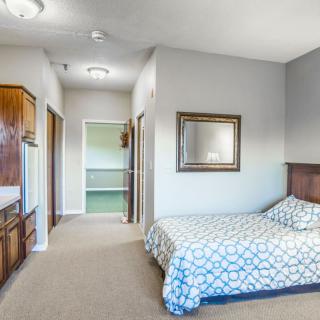
Madison House
$2,645 to $4,100 / month3.1 miles away
Overall Review of The Norfolk Homestead, LLC
Pros
 The Homestead offers a pleasant, homey atmosphere.
- The facility is clean and well-maintained.
- The food is excellent, homemade, and served at the table with many choices.
- There is a wide variety of activities for all interests.
- The daily environment is engaging, with participation optional.
- Staff communicate clearly with families and keep them updated on any issues.
Review
The Norfolk Homestead is best suited for seniors who want a small, homelike setting where care feels personal and relationships with staff and neighbors matter as much as the routine. This community excels for residents who thrive in a family atmosphere, appreciate consistent, hands‑on attention, and value regular two‑way communication with caregivers. It’s ideal for couples or individuals who prefer an intimate campus where staff know names, remember preferences, and can coordinate activities around shared interests rather than a sprawling, impersonal campus rhythm.
Those considering alternatives should note a fit warning: if a resident requires heavy, round‑the‑clock medical management, a large campus with expansive on‑site medical and rehab services, or specialized memory‑care programming, this smaller option may fall short. Families whose priorities include a broad array of specialized therapies, more extensive medical staffing, or a campus with abundant event spaces and formal programming might find other communities more aligned with those needs. For caregivers who want a highly structured, hospital‑like environment or who anticipate frequent, complex care transitions, exploring larger options could be prudent.
The strongest pros, the homey atmosphere, consistently high cleanliness, and a demonstrated commitment to collaborative problem‑solving, are meaningful compensations for the tradeoffs of a smaller footprint. Residents and families repeatedly highlight the genuine warmth of the staff, the sense of belonging among residents, and the ease of forming friendships that extend beyond a single caregiver shift. The food stands out as a genuine highlight, homemade meals, table service, and a wide variety of choices that contribute to daily comfort and continuity. When care concerns arise, staff openness and proactive family communication help keep issues visible and resolved quickly, reducing stress during transitions or health changes.
The daily life program reinforces the value of the homey setting. A robust activity calendar, coffee chats, light exercise, bingo, movies, and a welcoming courtyard, provides ample opportunities for social connection and cognitive engagement without pressuring participation. For many families, the ability to choose whether to engage each day is a strong feature, preserving autonomy while ensuring opportunities to socialize. Cleanliness and upkeep support a calm, predictable environment that minimizes the friction that often accompanies transitions to care communities. The combination of a well‑maintained space and a thoughtful activity mix translates into a reliable standard of living that feels like a continuous extension of home.
Transition experiences and the tangible care environment reinforce confidence. Several reviews note a smooth move‑in process with clear tours, answers to questions, and a welcoming staff member who can “show you everything.” The physical setting, the small campus layout, new carpeting, fresh paint, and convenient walking paths between the main square and outdoor areas, contributes to safety and ease of movement for residents with limited mobility or those who value easy access to outdoor space. This practical stability matters: it makes daily routines predictable and reduces the anxiety that comes with moving into a new residence.
For families actively evaluating options, a practical course is clear. The Norfolk Homestead delivers a high‑touch, people‑centric experience that rewards choosing a smaller, intimately managed community when warmth, easy communication, and a strong sense of belonging top the list. If those are the decisive factors, this is a compelling choice with strong outcomes around satisfaction, meal quality, and community engagement. If, however, priority lies with expansive medical services, extensive memory‑care programming, or a benchmark campus with a broader menu of on‑site therapies, alternatives should be on the short list to compare. In the end, the decision should center on whether the resident will thrive in a tight‑knit, actively engaging environment where care is personalized, meals are satisfying, and staff partnership with families is a daily standard.
 Assisted Living
 Activities on-site
 Devotional services off-site
 Indoor common areas
 Ambulatory care
 Diabetic care
 Meals provided

 8 Key Indicators That Suggest It May Be Time to Transition from Assisted Living to Skilled Nursing Care
 Vibrant Senior Living: A Comprehensive Guide for Active Older Adults
 When to Transition from Assisted Living to Memory Care: Key Indicators, Steps, and Finding the Right Community