
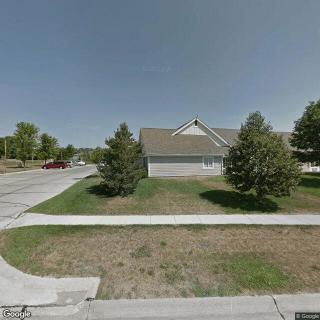
703 N. Main Street, Madison, NE 68748
To contact a resident: (402) 454-3373
For more information about senior living options: (866) 208-4318
Countryside Home Assisted Living Costs & Pricing
Countryside Home Assisted Living offers a competitive pricing structure for its studio accommodations at $2,460 per month. This rate is notably lower than the average cost within Stanton County, which stands at $2,616, and significantly below the state average in Nebraska of $3,728. This makes Countryside Home an appealing option for those seeking quality assisted living without the burden of excessive financial strain. By providing exceptional care services alongside affordable living arrangements, Countryside Home effectively combines value with comfort for its residents.
| Floor plans | Countryside Home Assisted Living | Stanton County | Nebraska |
|---|---|---|---|
| Studio | $2,460 | $2,616 | $3,728 |
Assisted Living communities with a similar price nearby
-
from +$185 / mo
Madison House
$2,645 to $4,100 / month14.6 miles away
Overall Review of Countryside Home Assisted Living
Pros
 The nurses and social service workers are wonderful people who work very hard.
- The care provided is excellent.
- The staff and workers are great.
- The staff are regarded as number one by the family.
Cons
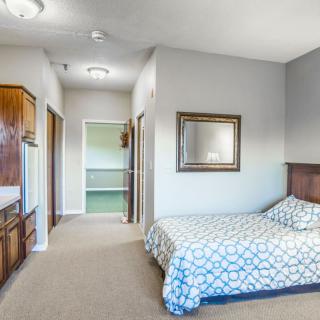
 The facility is dreary and leaves the elderly residents feeling depressed.
- Each room is described as sad, creating a consistently depressing environment.
- The reviewer believes what is paid should yield a facility that feels more like home.
- The reviewer would beg their daughters not to let them or their father ever live in such a facility.
- The rooms lack decoration and feel uninviting, contributing to the overall dreariness.
Review
Countryside Home Assisted Living in Madison, Nebraska, is best suited for seniors who need daily help with activities of daily living and medications, but who are comfortable in a smaller, community-centered environment. The setting tends to be intimate and relationships with staff are meaningful; the caregiving team delivers reliable, hands-on support. Overall, the community carries an inviting rating of 4.3 from four reviews, signaling solid satisfaction, though not universal bliss. Families gain peace of mind from knowing care tasks are handled with steadiness and professionalism, even when medical complexity is modest. This is not a resort-like setting; it’s a practical, dependable home base where daily life is supported by people who know residents well and respond promptly to needs.
However, this is precisely the area where alternatives come into play. For families who place a premium on aesthetics, mood-boosting interiors, and more extensive programming, Countryside might fall short. The rooms and common spaces have been described as dreary, which can dampen spirits and make the everyday experience feel heavier than it should. In cases where memory care, advanced clinical oversight, or a more dynamic activity calendar are priorities, exploring larger campuses or facilities with up-to-date decor and specialized programming may deliver a better overall fit.
On the plus side, the care quality is consistently highlighted as a major strength. Families recount excellent care for loved ones and praise the staff as top-tier, noting responsiveness, kindness, and thoroughness in daily routines, medication management, and safety supervision. The social service component and caregiving team are repeatedly cited as the heart of the operation, earning strong advocacy from relatives who trust the team to handle transitions, communicate clearly, and advocate for residents’ needs. That level of dedication translates into real daily benefits for residents who require steady hands and reliable oversight.
Yet the main con, the ambiance, can’t be ignored. Several voices describe the environment as dreary, with room décor and wall treatments not keeping pace with modern expectations. The sentiment is not a critique of medical care or staff competence; it’s a perception issue that affects mood and perceived quality of life. The frustration centers on wanting rooms that feel warmer and more homelike, rather than standard institutional spaces. This gap between care excellence and atmosphere is a critical factor for families comparing how much emotional comfort a resident will feel day to day.
Still, the strong caregiving ranks can offset some of the mood challenges if the decision hinges on dependable daily support. The staff’s consistent, attentive approach can create a sense of security and routine that underpins well-being, even when the walls don’t spark joy. Personalization offers a practical mitigation, families can bring familiar photos, furnishings, and personal touches to rooms (within policy) to improve comfort. Management openness to room refreshes or targeted improvements can further reduce the sting of drab décor. Prospective residents should discuss what can be customized and what the facility can realistically upgrade in the near term.
Decisionwise, Countryside Home Assisted Living should be on the short list for families prioritizing reliable, compassionate care and a tight-knit staff, provided the environment isn’t a dealbreaker. The recommended approach is a thorough site visit: observe care routines, meet direct caregivers, request caregiver-to-resident ratios and the schedule of activities, and tour multiple rooms to assess potential for warmth. Clarify costs, what is included, and whether memory care or higher-acuity needs can be accommodated. If a brighter, more resort-like atmosphere or expansive amenities are non-negotiables, alternatives with modern interiors and broader programming are advisable. In the right match, this community earns strong confidence as a practical, no-nonsense choice.
 Assisted Living
 Activities on-site
 Beautician on-site
 Devotional services on-site
 Indoor common areas
 Ambulatory care
 Diabetic care
 High acuity care
 Medication management
 Meals provided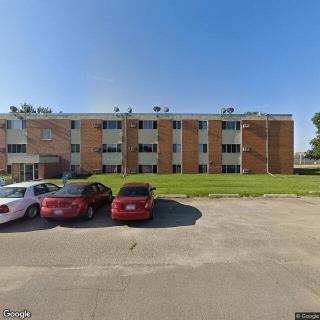




 Assisted Living Support for Veterans: A Complete and Detailed Overview
 Exploring the Contrasts Between Assisted Living and Skilled Nursing
 8 Key Indicators That Suggest It May Be Time to Transition from Assisted Living to Skilled Nursing Care