Village Health Care Center in Missoula, MT
SaveInformation last verified:
2651 South Ave W, Missoula, MT 59804
For more information about senior living options: (844) 490-3973
Village Health Care Center in Missoula is best suited for seniors who are pursuing rehabilitative recovery and appreciate a therapy-forward approach combined with genuinely compassionate, ED-conscious staff. When a resident’s priority is to regain mobility and function with hands-on physical and occupational therapy, this community can deliver meaningful gains, especially for those who respond to organized care plans and daily accountability. The strongest case lands with short-term or post-hospital rehab where families are prepared to stay engaged and monitor progress closely. The environment can feel welcoming, the therapy teams are often described as knowledgeable, and many residents report personal attention that makes them feel seen rather than numbered. For families prioritizing rehab outcomes over long-term dementia-specific care, Village Health Care Center offers a compelling pathway to safer, more independent living.
That said, there are clear reasons why alternatives should be on the table for some families. If consistent safety is non-negotiable, or if persistent medication management and reliable call-light response are must-haves, this community warrants careful comparison with other options. Several reviews highlight episodes of missed medications, slow response to assistance requests, and concerns about overall supervision. For residents with complex medical needs, fragile conditions, or advanced dementia requiring highly specialized supervision, the inconsistencies cited by some families could translate into real risk. Those who demand a highly predictable daily routine, airtight communication, and unwavering staffing levels may find other facilities align more consistently with their expectations.
The strongest positives center on compassionate, person-centered care and a capable rehab footprint. Multiple accounts praise staff for treating residents with dignity, calling residents by name, and demonstrating patience and professionalism even in demanding moments. Rehab therapy, both physical and occupational, receives particular commendation for attentiveness and the practical support it provides to regain walking, dressing, and daily activities. Families frequently note that therapy teams coordinate well with nursing staff, creating a workflow that reduces “care gaps” and keeps residents moving forward. In addition, several reviews highlight a coherent system for meds, meals, therapy, and enrichment, alongside a welcoming front-desk culture and a clean, orderly environment. These strengths can make a meaningful difference for residents who need structured rehab and who respond to steady, communicative care.
Against the strong points, however, stand repeated warnings about staffing gaps and care inconsistencies. The most troubling themes describe medication timing failures, delayed assistance that leaves residents waiting, and at times neglectful responses to call bells. Food quality appears divisive in sentiment as well, with some residents and families reporting unappealing meals and a lack of fresh produce or flavor. A common thread in several reviews is the perception that certain shifts are understaffed or inadequately supervised, leading to lapses in basic care activities and insufficient oversight of residents’ safety. In the worst cases, ex-employees and family members recount experiences of unsafe practices, poor communication during shift changes, and a sense that some residents’ needs were overlooked. These patterns cannot be dismissed; they demand scrutiny and transparency from leadership.
Yet, the pros and cons do not sit in isolation. For many residents, the credible strengths, genuine compassion, respected therapy teams, and a well-organized care framework, offer a solid counterweight to the occasional operational gaps. When staffing is adequate and therapy protocols are consistently applied, the risk of neglect diminishes and the likelihood of meaningful recovery rises. Families that remain actively involved, visiting regularly, requesting direct updates from the therapy and nursing teams, and insisting on timely medication administration, often report that the overall experience becomes manageable and even reassuring. The presence of engaged leaders and a responsive social services team in some reviews suggests that management can and does mobilize to address concerns, which is critical for families weighing long-term residency versus a finite rehab stay.
In the end, the decision to choose Village Health Care Center should rest on a clear picture of needs and a plan for ongoing oversight. For residents pursuing short-term rehabilitation with realistic goals and for families who value personal touch and structured therapy, this community can be a productive catalyst for regained independence. Prospective residents should insist on a transparent discussion about staffing ratios, medication protocols, and the specific rehab regime that will be used, and they should request candid tours that probe how shifts are covered and how quickly call lights are answered. Menu testing and opportunities to meet the therapy team firsthand are likewise prudent steps, given the mixed feedback on meals and on the consistency of rehab delivery. If the priority is a calm, highly supervised environment with unwavering daily accountability, a thorough comparison with other Missoula options is essential. If, instead, the emphasis is on robust rehabilitation and genuine daily compassion, with a readiness to advocate, Village Health Care Center can still be a strong fit.
Village Health Care Center in Missoula, MT offers a warm and inviting assisted living community for seniors. Our dedicated staff provides personalized care to meet the individual needs of each resident.
For those who value their independence, we offer comfortable and spacious apartments in our Independent Living section. Residents can enjoy the convenience of having their own living space while also benefiting from the support and services available on-site.
For individuals with memory loss or dementia, we provide specialized Memory Care services. Our compassionate team members are trained to provide a safe and nurturing environment for residents with cognitive impairments, ensuring they receive the assistance and attention they need.
At Village Health Care Center, we understand the importance of spiritual well-being. That's why we offer devotional services off-site, allowing residents to practice their faith in a setting that is meaningful to them.
Our common areas provide opportunities for socializing and connecting with others in our community. Residents can engage in stimulating conversations or simply relax and enjoy each other's company.
We are proud to offer diabetic care services for residents who require assistance managing their diabetes. Our staff is knowledgeable about diabetes management and works closely with residents to ensure they maintain a healthy lifestyle.
To keep our residents engaged and entertained, we organize various devotional activities off-site. These activities cater to individuals' spiritual interests while providing an opportunity for socialization outside of our community.
Conveniently located near multiple amenities, Village Health Care Center ensures that residents have easy access to essential services. With seven cafes, five parks, ten pharmacies, forty-one physicians, twenty-nine restaurants, three places of worship, and five hospitals nearby, our residents never have to go far for anything they may need.
Overall, Village Health Care Center offers a caring and supportive environment where seniors can enjoy their golden years surrounded by like-minded individuals.
This part of Missoula, Montana, offers a convenient and vibrant community for senior living. With several hospitals and physicians' offices within close proximity, residents have easy access to medical care. There are also numerous pharmacies nearby for medication needs. The area boasts several parks for outdoor recreation and relaxation, as well as a variety of restaurants and cafes for dining out or meeting with friends. Additionally, there are places of worship in the vicinity for spiritual fulfillment. Overall, this neighborhood provides a well-rounded environment that caters to the diverse needs and interests of older individuals seeking a comfortable and engaging place to call home.
Village Health Care Center is located at 2651 South Ave W, Missoula, MT 59804 in Missoula County, Montana
Yes, Village Health Care Center provides memory care services for residents with mild or advanced stages of dementia or Alzheimer's disease.
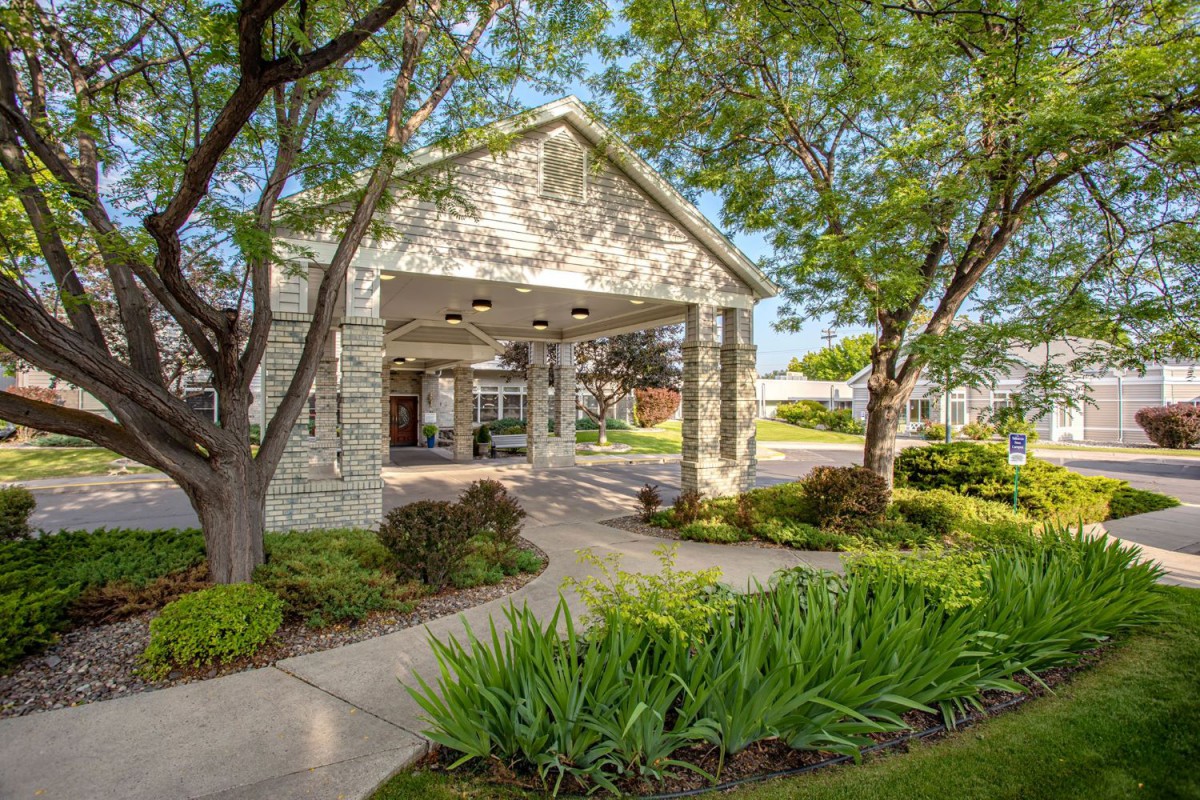
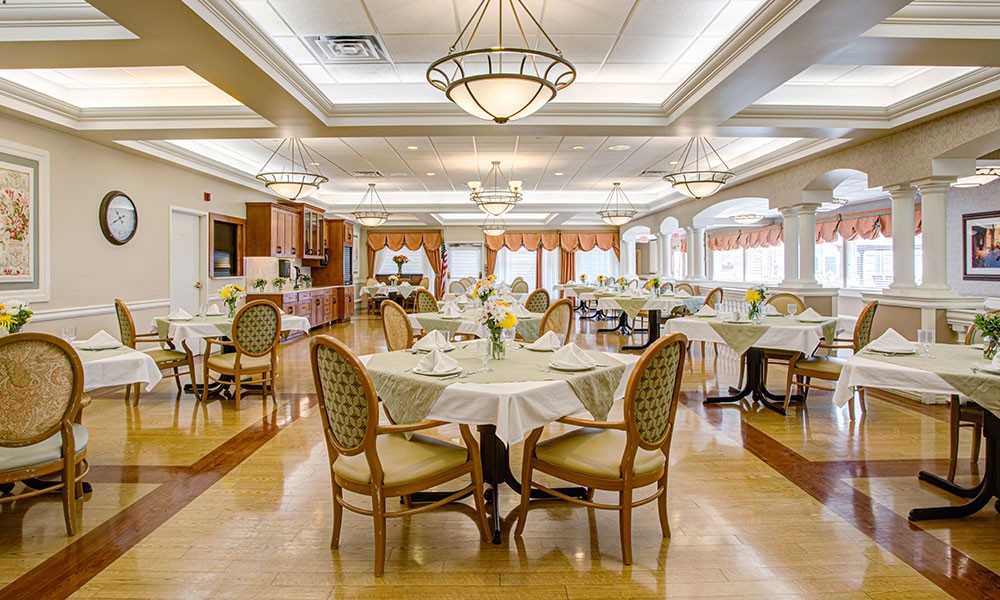
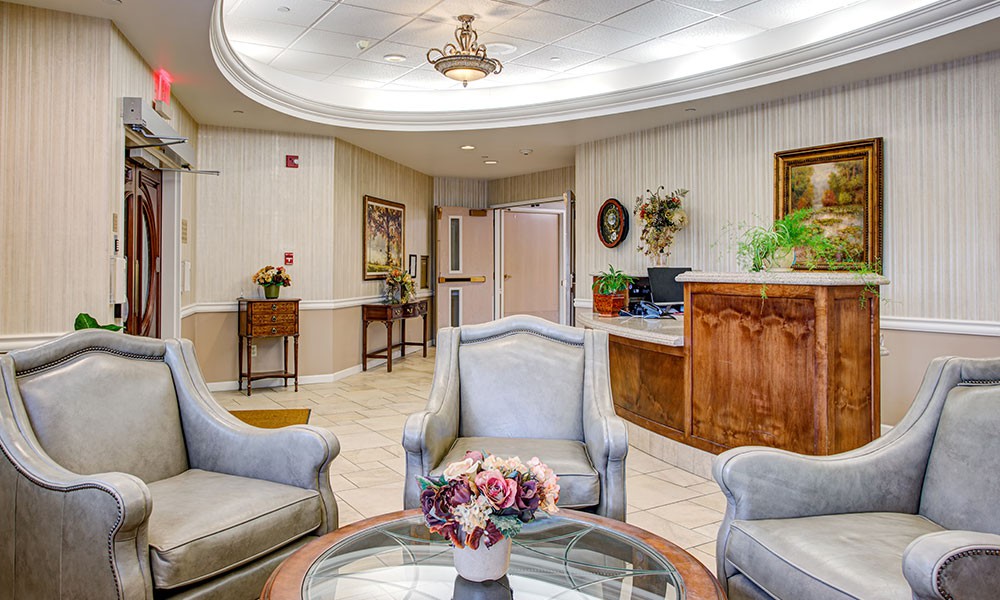
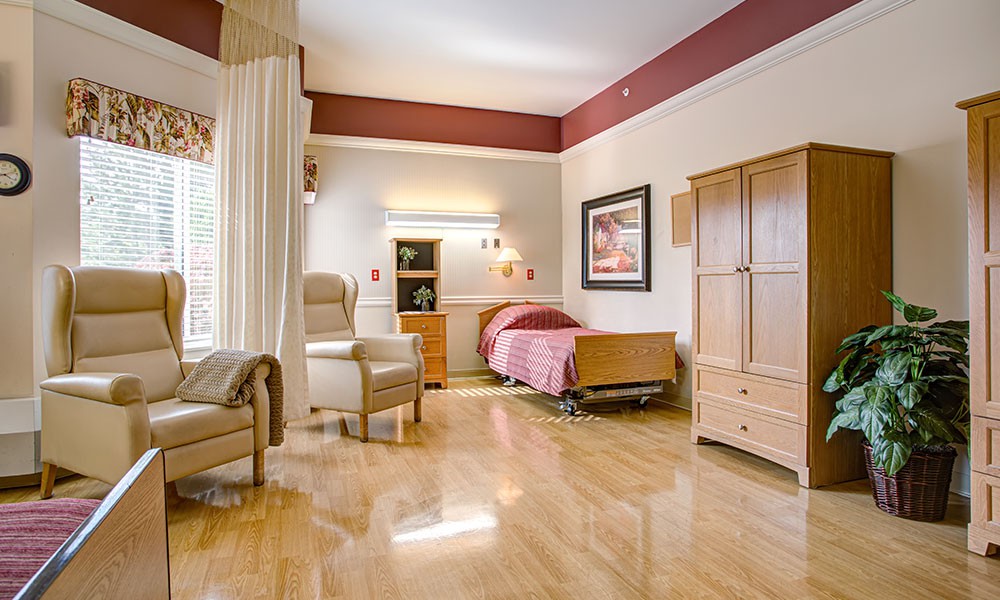
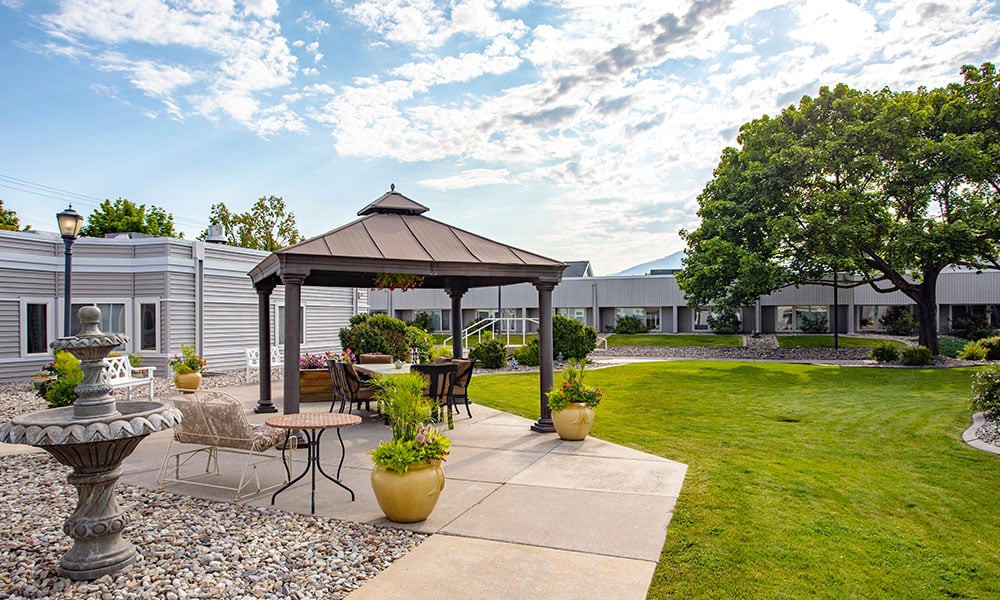
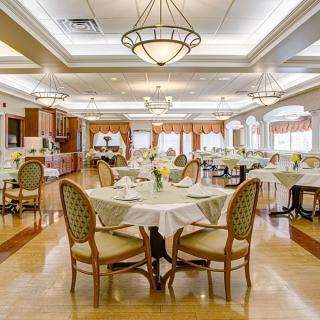
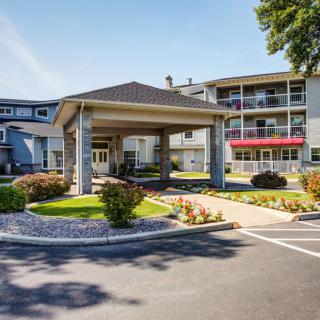
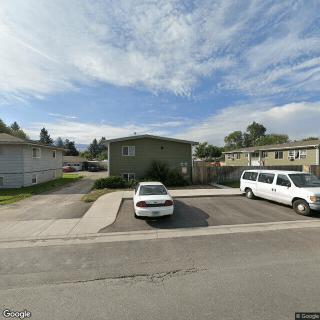
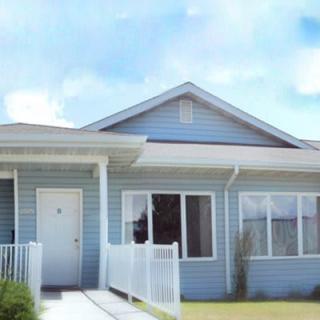
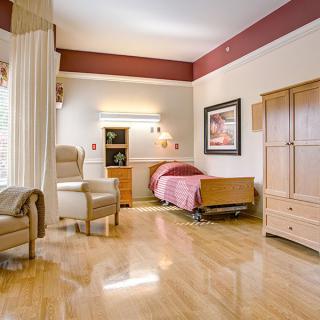
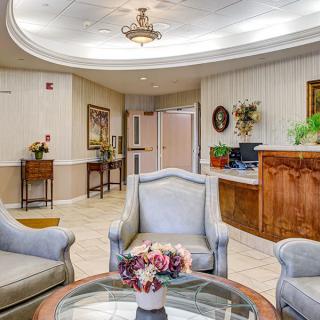
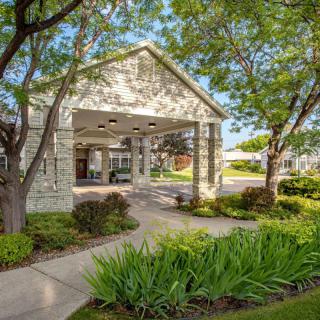
Village Health Care Center on seniors.fyi includes 6 photos including images showing landscaping, trees, dining, chandelier, interior, windows, gazebo, building, and more.
Are Dementia and Alzheimer's Disease Lethal? A Comprehensive Exploration
Dementia, including Alzheimer’s disease, is often mischaracterized in terms of lethality as it leads to complications that can be fatal rather than being a direct cause of death; it causes a progressive decline in cognitive and physical health, making patients vulnerable to infections and other health crises. Effective management of nutrition, hydration, and communication is crucial in patient care, with palliative care becoming vital in advanced stages to enhance comfort and quality of life while caregivers play a key role amidst the challenges posed by the disease.
Exploring the Power of Reminiscence Therapy for Individuals With Dementia
Reminiscence therapy helps individuals with dementia recall past memories through structured discussions and meaningful objects, enhancing mood, relationships, and sense of identity while celebrating their lives. It can be practiced in formal settings or at home, requiring sensitivity to personal histories and cultural backgrounds.
An In-Depth Look at Reminiscence Therapy in Dementia Care
Reminiscence therapy is a structured method for older adults, especially those with dementia, to share life stories using prompts and sensory cues, fostering emotional well-being, social engagement, and self-identity. It aims to improve quality of life by enhancing interpersonal connections and cognitive stimulation while requiring careful facilitation to avoid distressing memories.