
1704 South Reserve, Missoula, MT 59801
For more information about senior living options: (866) 208-4318
Overall Review of Country Home Estates
Pros
 Country Home Estates is described as a wonderful, family-owned facility with one-on-one care.
- The staff offer homemade meals three times a day in a warm, home-like environment.
- The caregivers provide personal, one-on-one attention to every resident.
- The facility is praised for dignity and respect toward elders, surpassing other facilities.
- The back yard features a paved walking path and blooming flowers.
- They serve delicious home-cooked meals and take great care of residents.
Review
This community is best suited for families seeking a small, family-owned, home-like assisted living where residents receive attentive, one-on-one care and meals cooked in-house. Country Home Estates in Missoula, Montana presents a warm, intimate setting rather than an antiseptic facility, with caregivers who function like an extended family. The emphasis on dignity, respect, and personal connection makes it ideal for seniors who prefer predictable routines, direct attention, and everyday comforts, home-cooked meals, familiar faces, and a living space that feels like a residence, not a campus. For families balancing caregiving duties, these elements provide relief and continuity that ease transitions from independent living or home care.
Those needing higher levels of medical oversight, memory-specific care, or intensive rehabilitative services may want alternatives. The reviews spotlight a strong caregiving culture and a homelike atmosphere, not a hospital-style care model. The intimate scale and family ownership support warmth and trust, but may fall short for residents requiring on-site nurses around the clock or frequent clinical interventions. Prospective families should verify care plans, medication management, and whether optional services, transportation, therapies, or specialized staffing, fit the resident’s needs. If medical complexity is high, look for facilities with broader clinical teams and formal memory-care options.
Major advantages center on personal attention and emotional security. Caregivers provide one-on-one support, preserve dignity, and tailor interactions to each resident, a quality repeatedly noted by families. Home-cooked meals three times daily support nutrition and reduce stress about meal planning. The environment feels warm and home-like, with staff who earn trust through consistency and visible commitment. The outdoor space, a back yard with a paved walking path and seasonal flowers, offers safe, accessible activity and a pleasant setting for visits. Taken together, these strengths often counterbalance the absence of large-scale clinical resources for many residents.
Staff tenure reinforces continuity and trust. A caregiver reported having worked there since 2001, illustrating deep commitment to resident dignity and respect. Consistent caregivers help reduce anxiety for residents who dislike new faces and support smoother routines, including grooming, bathing, and dressing. The family-operated model paired with a focus on home-cooked meals yields meaningful quality-of-life gains that are frequently missing in more corporate settings. Families consistently describe their loved ones being well-tended and content, a strong indicator that the care culture translates into daily well-being.
For families evaluating options, a thoughtful visit is essential. Observe meal times to confirm flavor, portion sizes, and whether dietary needs are met. Inspect the kitchen for safety and cleanliness, and ask who oversees care plans, how medications are managed, and how often plans are updated. Meet caregivers to assess responsiveness and continuity, and tour outdoor spaces for safety features and seating. Activities matter too: verify whether programming aligns with the resident’s interests and mobility. If memory care or more structured programming is needed, different communities with dedicated memory-care wings may be preferable.
In summary, Country Home Estates stands out for warmth, trust, and the human touch, factors that often determine whether a move from home to assisted living feels like relief. It is well suited for residents who value routine, personal attention, and a homelike setting that fosters dignity and companionship. Those prioritizing clinical acuity, memory-care programming, or expansive activity calendars should weigh alternatives with stronger medical staffing. With careful visits and frank conversations about care expectations, families can determine whether this Missoula community aligns with the resident’s values and needs, and proceed with confidence.
 21 resident community capacity
 Assisted Living
 Beauty salon
 Cable or satellite TV
 Dining room
 Fully furnished
 Garden
 Housekeeping services
 Kitchenette
 Move-in coordination
 Outdoor space
 Restaurant-style dining
 Small library
 Telephone
 Wi-Fi/high-speed internet available
 Missoula International (5 miles away)
 24-hour call system
 Activities of daily living assistance
 Assistance with bathing
 Assistance with dressing
 Assistance with transfers
 Diabetes diet
 Medication management
 Mental wellness program
 Special dietary restrictions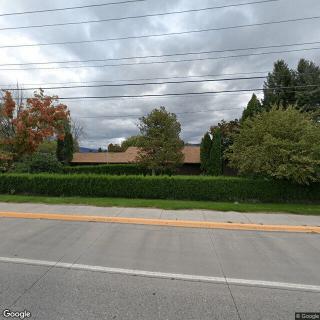



 Exploring the Contrasts Between Assisted Living and Skilled Nursing
 8 Key Indicators That Suggest It May Be Time to Transition from Assisted Living to Skilled Nursing Care
 Vibrant Senior Living: A Comprehensive Guide for Active Older Adults