
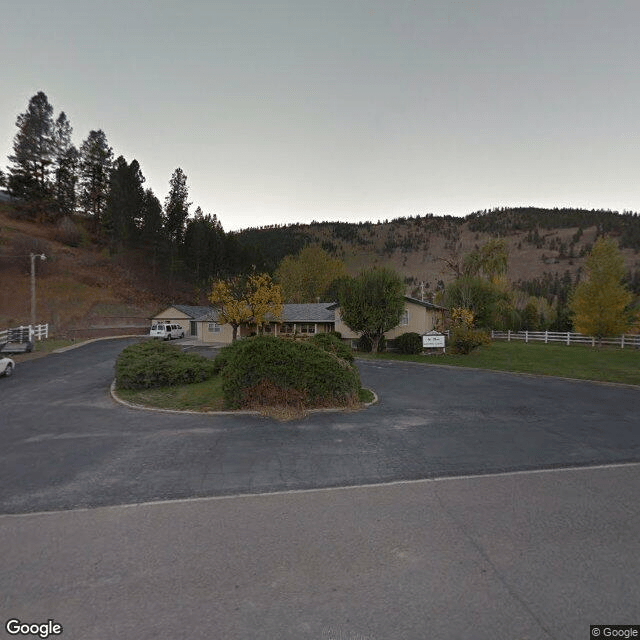
1300 Speedway Ave, Missoula, MT 59802
To contact a resident: (406) 549-8127
For more information about senior living options: (866) 208-4318
At Home Assisted Living Costs & Pricing
At Home Assisted Living offers competitive pricing compared to the average costs in Missoula County and across Montana. For instance, their semi-private room is priced at $1,600 per month, significantly lower than the county average of $2,969 and the state average of $3,874. Similarly, their studio option is available for $2,200 per month, which stands in stark contrast to the county's average of $3,499 and the state's typical rate of $3,729. These lower costs reflect At Home Assisted Living's commitment to providing affordable care options without compromising on quality, making it an appealing choice for families seeking supportive living arrangements in a comfortable environment.
| Floor plans | At Home Assisted Living | Missoula County | Montana |
|---|---|---|---|
| Semi-Private | $1,600 | $2,969 | $3,874 |
| Studio | $2,200 | $3,499 | $3,729 |
Overall Review of At Home Assisted Living
Pros
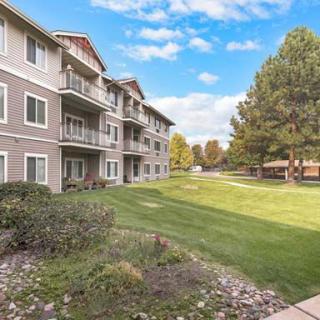
 The location is rural and lovely.
 - The facility maintains an open-door policy and answers phone calls promptly, which made the family member comfortable with the decision to place a relative there.
- The staff did a great job.
Cons
 The decision to place a family member in assisted living was hard.
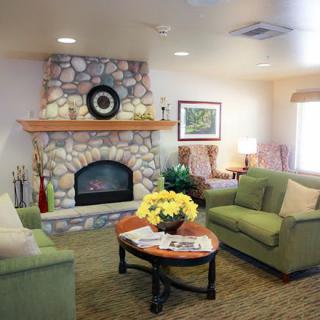
- The facility was run down and seemed dirty.
- There was not enough privacy.
- Residents seemed bored.
- The staff were brusque.
Review
This community is best suited for families that prize open lines of communication and a reassuring, accessible staff presence, and who are comfortable with a rural setting where the environment may feel modest rather than polished. The standout advantage is an open-door policy and responsive phone access that helps families feel connected to care decisions at any hour. It’s a practical fit for a loved one who does not require advanced medical nursing care and for households that want visible reassurance that someone is available to answer questions and address concerns promptly.
Alternatives should be on the table for anyone who places a premium on a consistently clean, contemporary environment, more private living spaces, and a clearly engaging daily routine for residents. If privacy, quiet dignity, and stimulating social programming are non-negotiables, this community may fall short. Families who want more warmth and courtesy from front-line staff, not just accessibility, will want to compare with options known for friendlier daily interactions and a more polished, home-like atmosphere.
The strongest pro, the reliable access to staff and decision-makers, partially offsets the downsides, but it cannot fully neutralize them. Knowing that calls are answered and that a door is literally left open provides essential peace of mind that issues won’t go ignored. However, such reassurance loses some of its value if the living environment itself feels neglected or dreary, and if residents have limited privacy or a lack of engaging activities. When perception of care quality is tied tightly to how residents are treated in the moment, brusque or hurried interactions become a real liability that can overshadow the convenience of easy contact.
Maintenance and the overall environment emerge as the more troubling themes. A facility described as run down and dirty signals ongoing upkeep challenges that can undermine comfort and dignity, even if staff respond quickly to inquiries. The sense that residents are bored points to gaps in programming and stimulation, which are essential for sustaining quality of life in a long-term setting. When ambiance and engagement lag, the value of accessible communication diminishes, because residents may feel less cared for beyond a phone call.
During visits, prospective families should scrutinize several practical factors. Look beyond the lobby and into the day-to-day living spaces: are common areas clean, safe, and inviting? How private are resident rooms, and how well are personal items respected? Ask to see the activity calendar and speak with activities staff about how they tailor programs to varied abilities. Inquire about medication management, housekeeping, laundry routines, and the staff-to-resident ratio on different shifts. Request a trial stay or a clearly defined transition plan to observe firsthand how care feels on a typical day.
Bottom line: At Home Assisted Living can be a reasonable choice for families prioritizing accessible, responsive staff and a calm, rural environment where questions are welcomed and answered. Those who prize pristine upkeep, ample privacy, and energetic, engaging programming, along with consistently courteous interactions from every caregiver, will likely find better alignment elsewhere. A disciplined due diligence process, visiting at different times, testing staff responsiveness in real time, reviewing a full activity schedule, and probing maintenance standards, will reveal whether this community can deliver sustained comfort or if alternatives should be pursued to meet higher expectations of living well in the years ahead.
 Assisted Living
 Memory Care
 Cats allowed
 Dogs allowed
 Activities on-site
 Devotional services off-site
 Indoor common areas
 Missoula International (8 miles away)
 Ambulatory care
 Diabetic care
 Meals provided
 When Dementia Sparks Anger and Aggression: Understanding the Connection and Ways to Cope
 Dementia Behaviors: In-Depth Understanding and Effective Coping Strategies
 5 Early Indicators of Dementia and What You Can Do