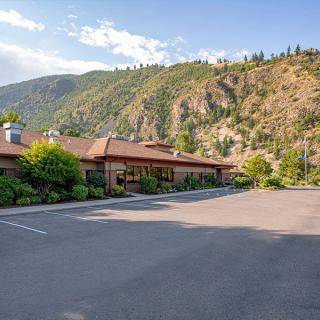
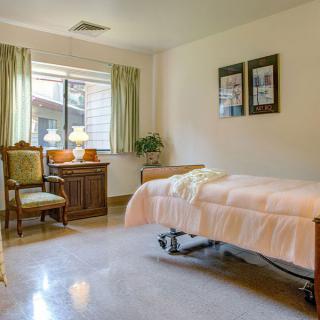



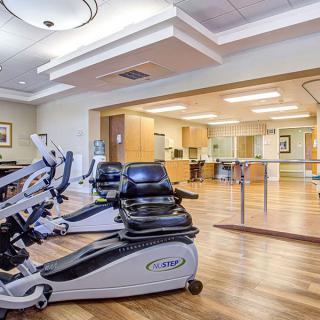
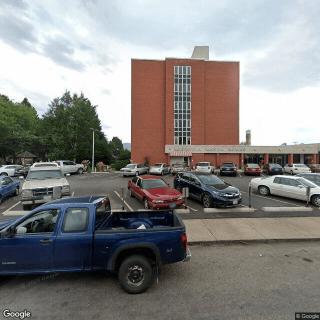
1301 E Broadway St, Missoula, MT 59802
To contact a resident: (406) 721-0680
For more information about senior living options: (866) 208-4318
Overall Review of Riverside Health Care Center
Pros
 The staff are genuine caretakers.
- The Riverside staff do a wonderful job taking care of residents.
- The staff treat residents with respect and genuine care.
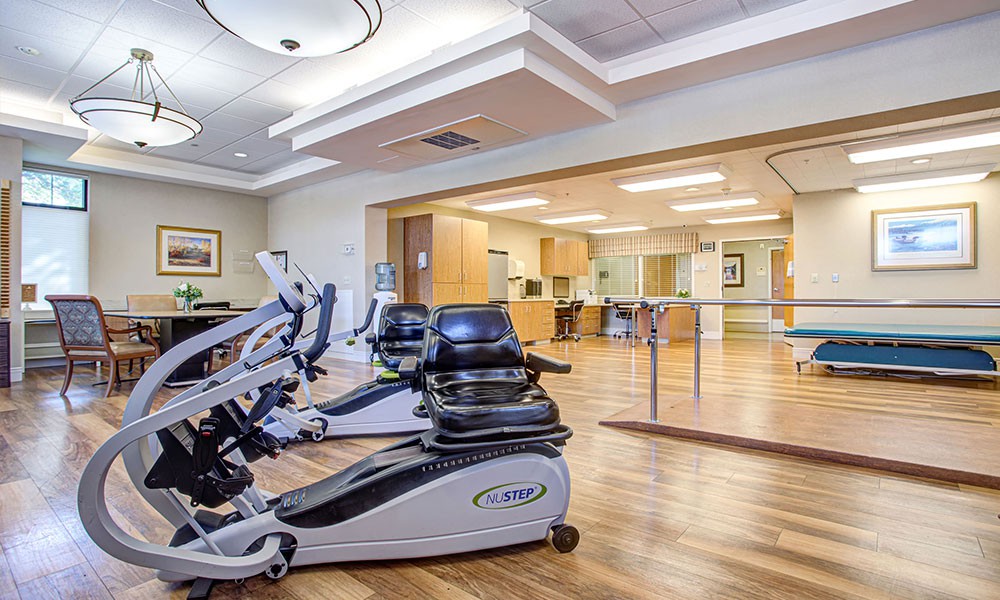
- The therapists (PT and OT) are great and contribute to a positive care experience.
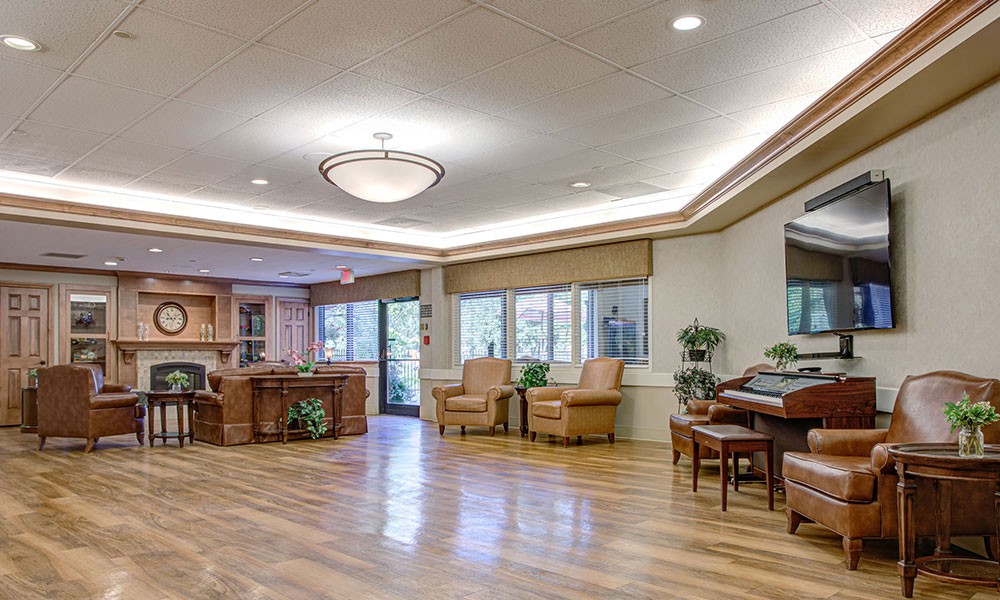
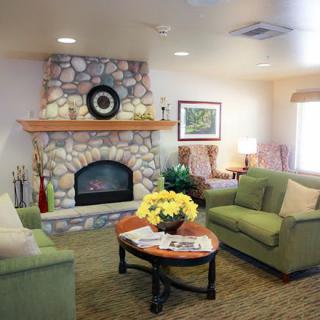
- The building layout is approachable, and the staff are patient, helpful, and amiable.
- The Riverside staff receive high praise from families.
Cons
 The reviewer does not recommend this agency at all.
- They believe the treatments are administered in a way that requires immediate investigation.
- They think the company should be shut down immediately.
- They report that employees harass others.
- They state that staff are spread too thin, leading to inadequate patient care.
- They note that high-fall-risk patients do not receive proper supervision.
- They say meals are not offered or are missed during dining hours, leaving patients hungry.
- They report that the main phone line is never answered, causing significant frustration.
Review
Riverside Health Care Center is best suited for families seeking short-term rehabilitation where the emphasis is on hands-on therapy delivered by caring, approachable staff, and where the patient’s comfort and dignity are prioritized by the frontline team. It can be a solid option for stroke or general rehabilitation, especially when a resident benefits from accessible facility layout and a staff that treats people with respect and warmth. However, for residents who require steady, around-the-clock supervision and highly reliable daily care, it’s prudent to explore alternatives. Those with high fall risk or a need for consistently迅速 response to calls may encounter systemic gaps that can undermine safety and progress.
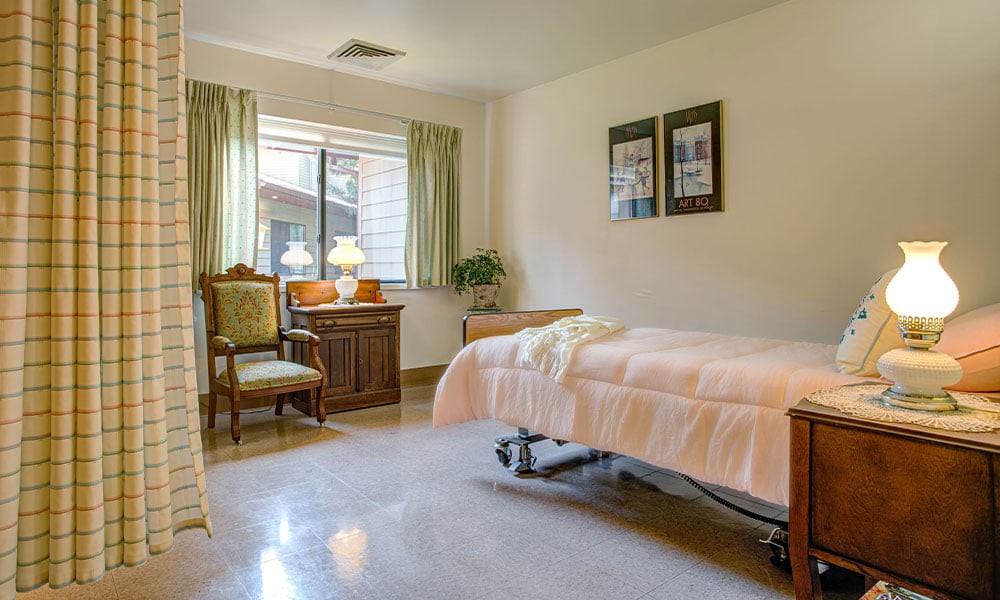
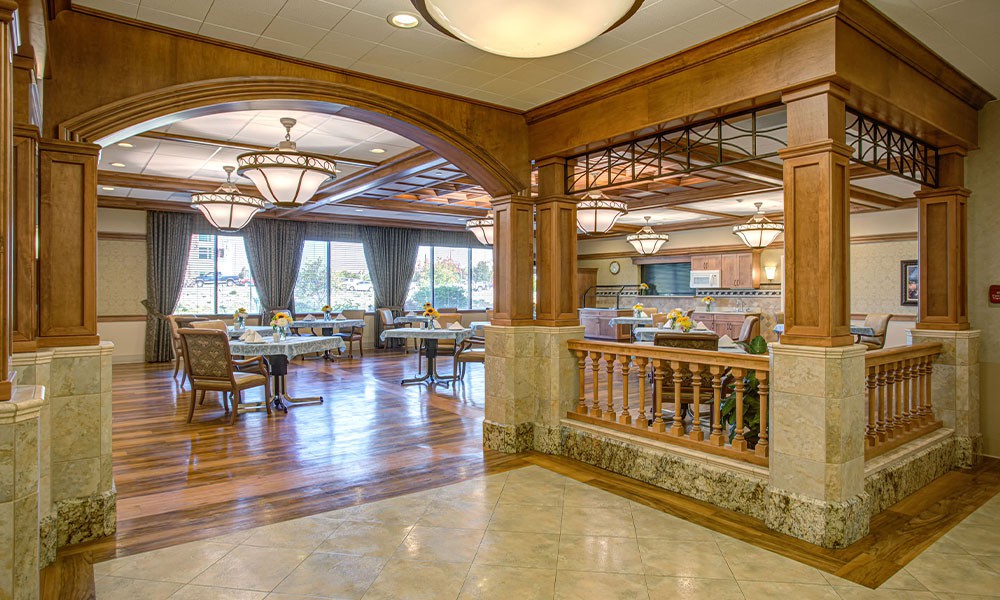
The strongest positives are rooted in the people: genuine caretakers, kind staff, and therapists who communicate well and push for meaningful progress. Several observers credit Riverside with compassionate, patient-centered care, and one review highlights the therapists as a standout, delivering meaningful rehabilitation that carries real value for recovery. The facility’s layout is repeatedly described as approachable, contributing to easier navigation for residents and visiting families. In practical terms, the care ethos matters, and when staff are present and patient-focused, it makes a real difference in daily morale and motivation during recovery.
But the downsides are persistent and undercut overall effectiveness. A pervasive concern across multiple accounts is that medical personnel are spread too thin, leaving patients without timely supervision or assistance. Long call-light delays, infrequent checks on high-risk residents, and evidence of gaps in basic daily care, such as meals and timely help with mobility, point to staffing pressures that affect safety and comfort. Several reviewers describe situations where a patient felt forgotten or inadequately supported, including delays with meals and insufficient attention after therapy sessions. Administrative responsiveness is also questioned, with frontline communication and scheduling sometimes proving unreliable.
These tensions between the bright spots and the gaps matter because they shape outcomes in real, tangible ways. The strong rehab therapy and respectful atmosphere do offset some risk by fostering motivation and recovery engagement, yet they cannot fully compensate for inconsistent supervision and slow response times. When therapists are excellent but other caregivers are spread thin, progress can stall, and patient safety can become a concern. In other words, the positive clinical impact of therapy is real, but it cannot reliably overcome the reliability and oversight deficits that recur in the reviews.
For families evaluating Riverside, a practical plan is essential. Begin with a candid discussion with administration about nursing ratios, therapy coverage, and call-light response targets, request specific numbers and a clear plan for staffing on each shift. Observe a shift if possible to see how response times look in real life. Meet the therapy team and ask about the continuity of caregivers, how often will the same aides and nurses be assigned to a resident? Probe meal service quality and dining hours, and verify what adjustments are possible for high-needs patients. If concerns surface, insist on a formal care plan with escalation steps and a defined supervisor whom the family can contact. A trial period or a few days of observation can illuminate whether the day-to-day experience meets recovery goals.
Bottom line: Riverside offers commendable compassion and solid rehab capabilities, but the core value hinges on staffing reliability and daily oversight. For families prioritizing strong, predictable daily care and rapid call-light responsiveness, alternatives with more robust nurse coverage and steadier front-line operations are worth serious consideration. If the primary objective is focused rehabilitation delivered in a respectful, engaging environment and there is willingness to actively oversee care, Riverside can work, but only with vigilant family involvement and explicit, documented expectations around staffing, safety, and daily routines.
 Skilled Nursing Facility
 Missoula International (7 miles away)


 Nurturing Our Elders: Linda's Journey of Supporting Her Mother
 A Comprehensive Exploration of Common Misunderstandings about Powers of Attorney
 Senior Move Management: Understanding the Role, Value, and Associated Costs