For more information about senior living options: (866) 208-4318
3.1 from 36 reviews
5 stars
17
4 stars
2
3 stars
0
2 stars
1
1 stars
16
Missoula Health and Rehabilitation Center Costs & Pricing
At Missoula Health and Rehabilitation Center, the monthly costs for room types reflect a competitive pricing structure in comparison to both Missoula County and the broader state of Montana. For a semi-private room, residents can expect to pay $2,500, which is notably lower than the county average of $2,969 and significantly more affordable than the state average of $3,874. Meanwhile, the private room option is priced at $3,500; while this is higher than the county's average of $4,435, it remains comparable to Montana's state average rate of $4,402. Overall, Missoula Health and Rehabilitation Center offers appealing financial options for those seeking care in a supportive environment without sacrificing quality.
Floor plans
Missoula Health and Rehabilitation Center
Missoula County
Montana
Semi-Private
$2,500
$2,969
$3,874
Private
$3,500
$4,435
$4,402
Overall Review of Missoula Health and Rehabilitation Center
common22 reviews mention this
Staff care comes through in reviews
Residents and families frequently describe staff as caring and supportive.
Many reviewers praise staff for kindness, patience, and compassion, and describe feeling that their loved ones were treated with dignity rather than like “just another patient.” Several also mention staff responsiveness for day-to-day needs like appointments, medication questions, and problem-solving with families. A smaller set of reviews take the opposite view, describing management as unprofessional or threatening and saying care fell short in ways that left residents neglected or miserable.
differentiator4 reviews mention this
Dining is a mixed experience
Dining quality is a common point of both praise and complaint.
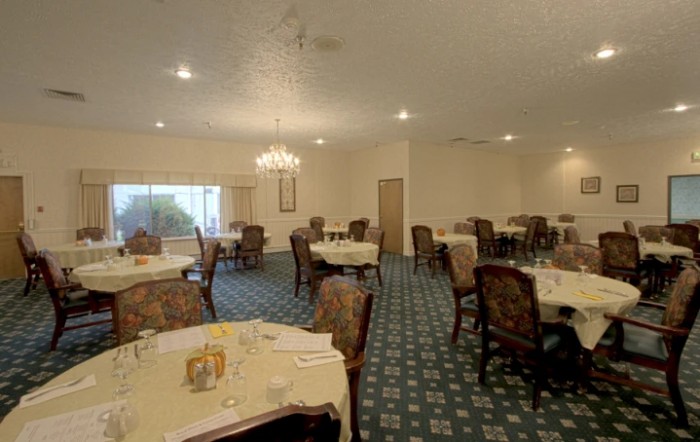
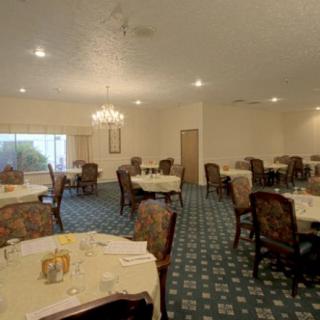
Some residents’ families say the food was wonderful and that dining supported comfort and care. Others describe meals as inedible or “canned garbage,” and mention specific diet concerns like diabetes-related apple juice and high-carb dinners. The community offers restaurant-style dining along with meals and dietary support for diabetes and special restrictions, which aligns with why food shows up in multiple reviews.
caveat7 reviews mention this
Cleanliness and odors draw criticism
Cleanliness concerns and strong odors come up repeatedly.
Several reviewers say the facility felt filthy, dirty, or worn out, with unpleasant smells that affected the overall experience. A few describe food handling and bathroom cleanliness problems, and others specifically reference urine-like odors. One visitor also asked for improved air exchange because the smell made the building feel older and less fresh.
differentiator2 reviews mention this
Ongoing nursing support and therapy
Reviews describe around-the-clock staffing and consistent therapy coverage.
One reviewer specifically mentions a full staff available 24/7, including nurses, CNAs, dietary, and activities. Another describes an experienced nursing team and notes therapy coverage across the week (with PT/OT/SLP) plus outpatient therapy when residents return home. This lines up with the care services the community provides, including nursing oversight and systems for continuous support.
How we summarize
Counts show how many written reviews mention each theme; a review can touch several themes, and only frequently mentioned themes are displayed.
Features
Housing
53 resident community capacity
Types of Care
Assisted Living
Skilled Nursing Facility
Amenities
Activities on-site
Air-conditioning
Beauty salon
Cable or satellite TV
Computer center
Devotional services off-site
Dining room
Fitness room
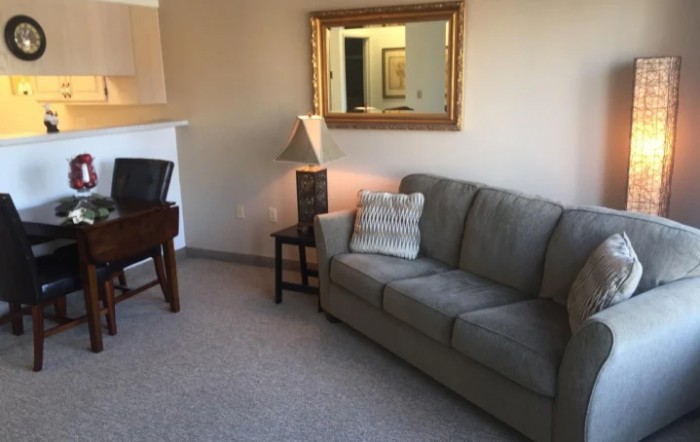
Fully furnished
Gaming room
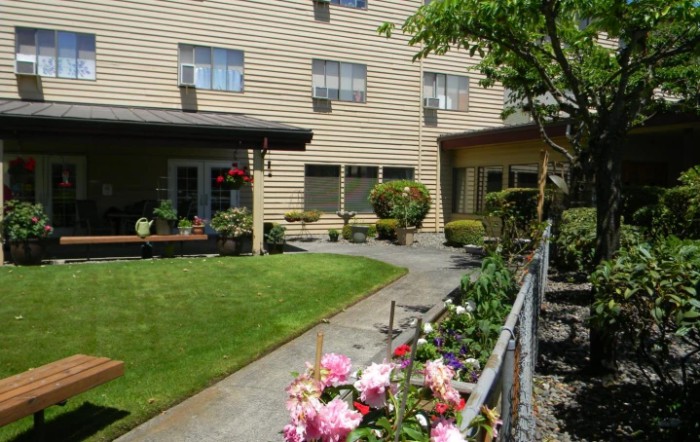
Garden
Housekeeping services
Indoor common areas
Kitchenette
Move-in coordination
Outdoor space
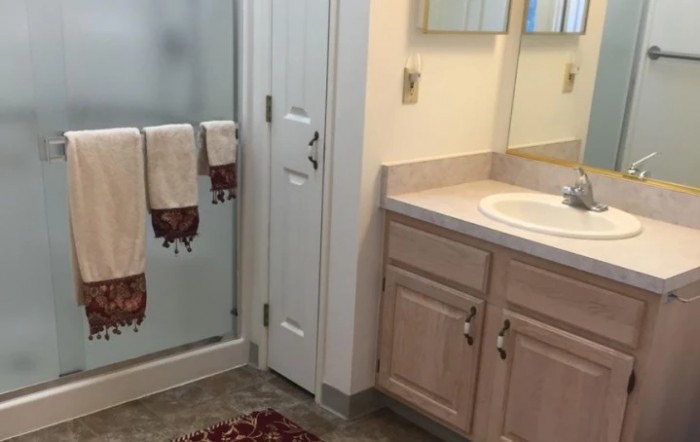
Private bathrooms
Restaurant-style dining
Small library
Telephone
Wellness center
Wi-Fi/high-speed internet available
Transportation
Missoula International (6 miles away)
Community operated transportation
Transportation arrangement
Transportation arrangement (non-medical)
Transportation to doctors appointments
Care Services
12-16 hour nursing
24-hour call system
24-hour supervision
Activities of daily living assistance
Ambulatory care
Assistance with bathing
Assistance with dressing
Assistance with transfers
Diabetes diet
Diabetic care
High acuity care
Meal preparation and service
Medication management
Mental wellness program
Special dietary restrictions
Dining
Diabetes diet
Meals provided
Special dietary restrictions
Activities
Activities on-site
Community-sponsored activities
Concierge services
Devotional activities offsite
Fitness programs
Planned day trips
Resident-run activities
Scheduled daily activities
Nearby Places of Interest
This part of Missoula, Montana, offers a vibrant mix of amenities and services suitable for senior living. With several cafes, restaurants, and pharmacies within a short distance, residents can enjoy convenient access to dining options and healthcare services. Additionally, the presence of hospitals, physicians' offices, and a cancer center ensures that healthcare needs are well catered to. The abundance of parks provides opportunities for outdoor activities and relaxation in nature. Places of worship like St Francis Xavier Church offer spiritual support and community engagement. Overall, this area provides a well-rounded environment with easy access to essential services, making it an ideal choice for seniors looking for a comfortable and active lifestyle in Missoula.
Cafes
Rattlesnake Market & Cafe (0.4 miles)
Rattlesnake Gardens (0.4 miles)
Florence Coffee Co. (1.6 miles)
Black Coffee Roasting Company (1.8 miles)
Break Espresso (1.9 miles)
Ducrey Chocolate Maker (2.1 miles)
Market on Front (2.1 miles)
Hospitals
St Patrick Hospital- Admin Area (0.9 miles)
Providence Surgery Center (1.7 miles)
Cancer Center-St Patrick Hospital and Health Sciences Cen (2.1 miles)
Joint Repair Clinic of Montana (3.2 miles)
Parks
Greenough Park (1.5 miles)
Jacob's Island Bark Park (2 miles)
Kiwanis Park (2.1 miles)
Bess Reed Park (2.2 miles)
McCormick Park (2.3 miles)
Evelyn Borg Johnson Park (2.4 miles)
Bonner Park (2.9 miles)
Restaurants
Silver Dollar Bar (1.8 miles)
Iron Horse Brew Pub (1.8 miles)
Five Guys Burgers & Fries (1.9 miles)
Worden's Market (1.9 miles)
Taco Del Sol (1.9 miles)
Charlie B's (1.9 miles)
Jimmy John's (1.9 miles)
Physicians
Costcare (1.9 miles)
Radiology and Diagnostic Imaging at Providence St. Patrick Hospital (2 miles)
At Missoula Health and Rehabilitation Center, the monthly costs for room types reflect a competitive pricing structure in comparison to both Missoula County and the broader state of Montana. For a semi-private room, residents can expect to pay $2,500, which is notably lower than the county average of $2,969 and significantly more affordable than the state average of $3,874. Meanwhile, the private room option is priced at $3,500; while this is higher than the county's average of $4,435, it remains comparable to Montana's state average rate of $4,402. Overall, Missoula Health and Rehabilitation Center offers appealing financial options for those seeking care in a supportive environment without sacrificing quality.
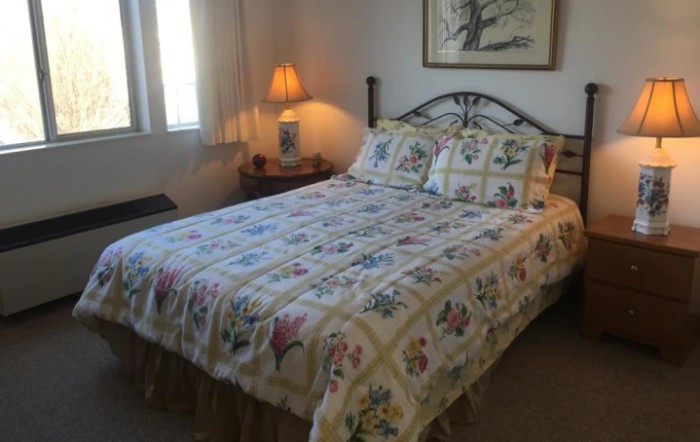
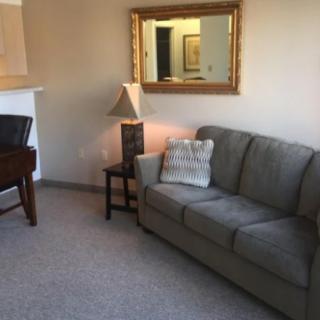
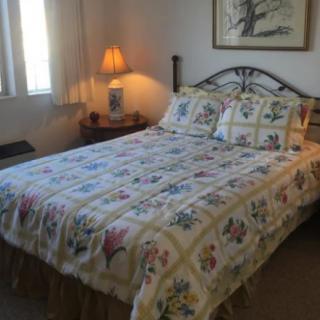
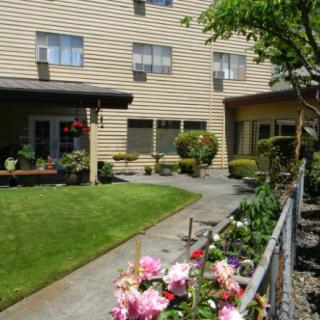
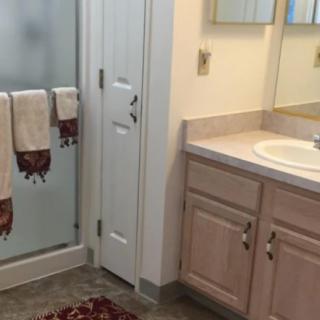
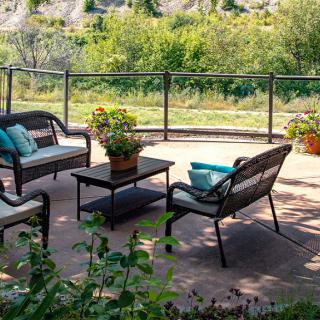
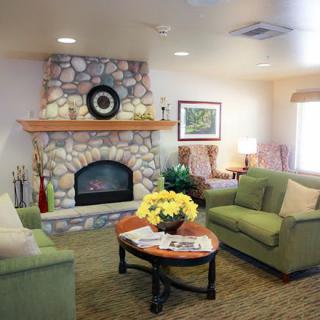
Missoula Health and Rehabilitation Center on seniors.fyi includes 7 photos including images showing dining, landscaping, interior, bedroom, windows, quilt, decor, garden, and more.
Nearby Communities
At Home Assisted Living
Missoula, MT
3.5 from 4 reviews
$1,600 to $2,200 / month
Open-door policy with prompt family communication.
Riverside Health Care Center
Missoula, MT
3 from 11 reviews
Excellent access to healthcare and nearby amenities.
Riverside Health & Rehabilitation
Missoula, MT
3.2 from 13 reviews
Attentive nursing staff and a welcoming environment.
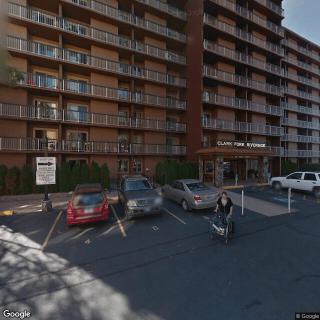
Clark Fork Riverside
Missoula, MT
4.8 from 5 reviews
Spacious apartments with private balconies and river views; convenient amenities (laundry, hair salon, library) and attentive staff.
Edgewood Vista Missoula
Missoula, MT
4.5 from 19 reviews
$3,060 to $4,500 / month
Compassionate staff creating a warm, home-like environment with personalized care and active social programs.
Edgewood Vista-Missoula
Missoula, MT
4.6 from 10 reviews
Comprehensive 24/7 care with restaurant-style dining and engaging activities.
Choosing between assisted living and nursing homes involves evaluating emotional and financial factors, with assisted living offering independence and support for daily activities at a lower cost, while nursing homes provide intensive medical care for individuals with significant health needs. The decision is influenced by personal preferences, health status, cognitive function, and varying Medicaid coverage across states.
Assisted living in 2025 offers a crucial balance of independence and support for seniors, with costs varying from $2,500 to over $7,000 per month based on factors such as location and care level. Understanding pricing complexities, including regional differences and potential hidden fees, is essential for families to plan financially while ensuring quality care for their loved ones.
The guide outlines the complexities of Medicaid coverage for assisted living, highlighting significant state-to-state variations, limited coverage often restricted to personal care services, and the existence of specialized waivers for certain needs like memory care. It advises families to consult local Medicaid offices for options while emphasizing the importance of understanding state-specific regulations and facility policies.
Get PricingAsk A QuestionSchedule A TourContact Senior Advisor
By clicking submit, you agree to our Partner's Terms of Use. You
also consent to receive calls and texts, which may be autodialed, from our Partner. Your consent is not a condition to
using our Partner's service. Please visit our Partner's Privacy Policy for information about their privacy practices.



 53 resident community capacity
 Assisted Living
 Skilled Nursing Facility
 Activities on-site
 Air-conditioning
 Beauty salon
 Cable or satellite TV
 Computer center
 Devotional services off-site
 Dining room
 Fitness room
 Fully furnished
 Gaming room
 Garden
 Housekeeping services
 Indoor common areas
 Kitchenette
 Move-in coordination
 Outdoor space
 Private bathrooms
 Restaurant-style dining
 Small library
 Telephone
 Wellness center
 Wi-Fi/high-speed internet available
 Missoula International (6 miles away)
 Community operated transportation
 12-16 hour nursing
 24-hour call system
 Ambulatory care
 Assistance with bathing
 Assistance with dressing
 Assistance with transfers
 Diabetes diet
 Diabetic care
 High acuity care
 Medication management
 Mental wellness program
 Special dietary restrictions
 Concierge services
 Planned day trips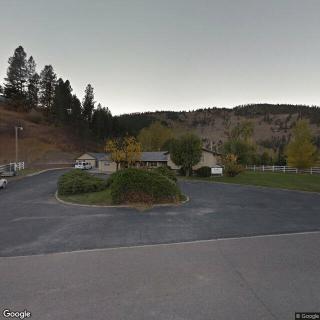
 Open-door policy with prompt family communication.


 Choosing the Right Senior Care: A Detailed Exploration of Assisted Living and Nursing Homes
 Understanding the True Cost of Assisted Living in 2025: A Comprehensive Guide
 Understanding Medicaid Coverage for Assisted Living: A Comprehensive Guide