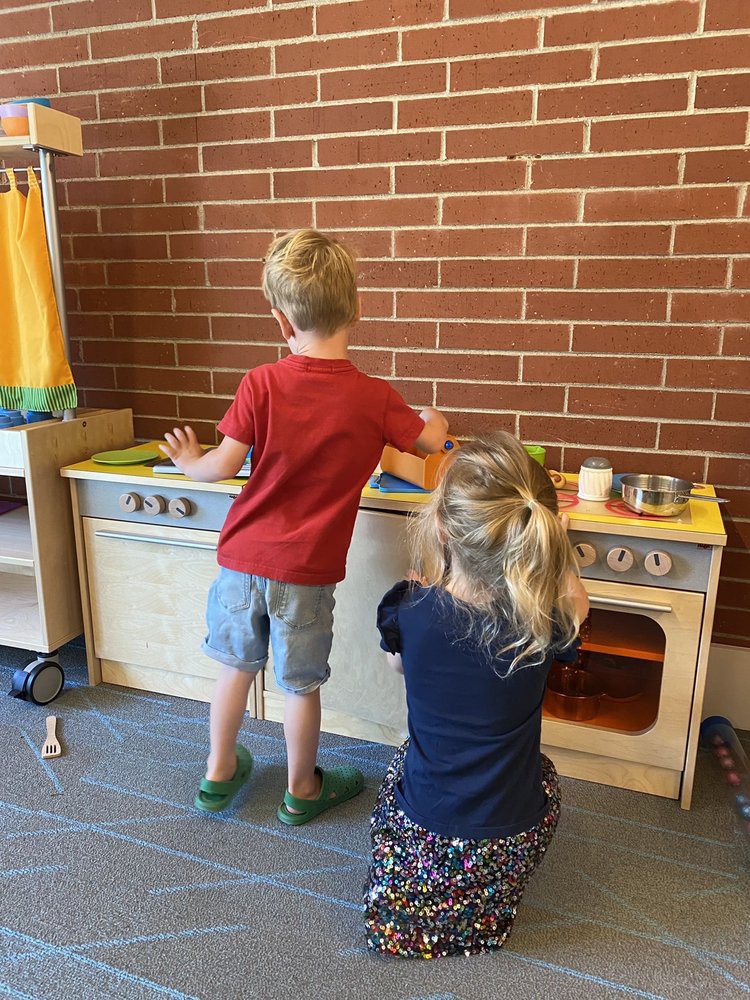
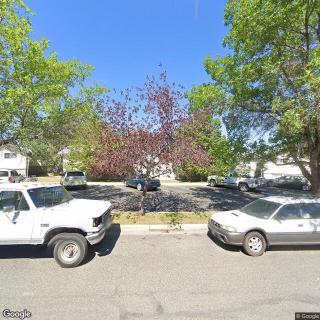
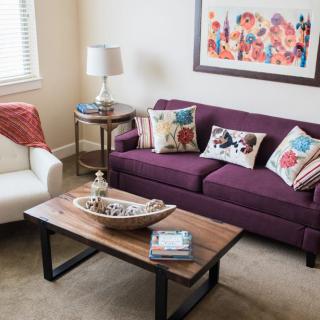
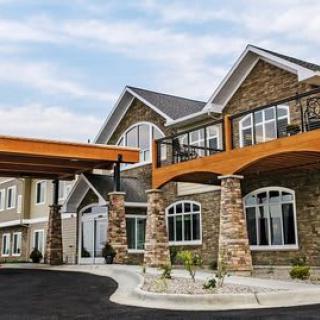
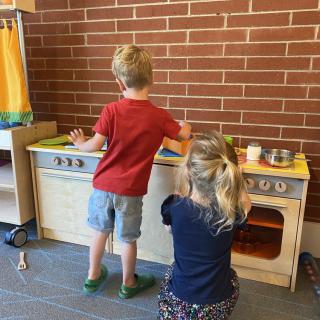
Lewis and Clark Library in Helena, MT

Save
Lewis and Clark Library Lewis and Clark Library Lewis and Clark Library Lewis and Clark Library

Lewis and Clark Library in Helena, MT

120 South Last Chance Gulch, Helena, MT 59601

For more information about senior living options: (844) 490-3973

4.8 from 100 reviews
5 stars
86
4 stars
8
3 stars
3
2 stars
3
1 stars
0

Assisted Living

Overall Review of Lewis and Clark Library

Pros

  • pro The Lewis & Clark Library is an absolute gem, with incredibly friendly and knowledgeable staff.
  • pro Its modern resources, including computers, laptops, and a 3D modeling machine, show a strong commitment to serving the community.
  • pro The building is pristine and feels like a safe, welcoming place for everyone.
  • pro The design is impressive, and the staff are awesome in a beautiful location.
  • pro It offers convenient parking, a great kids space, and easy holds and checkout.
  • pro The library provides an expansive range of resources, from ebooks to sewing machine rentals and community rooms.
  • pro The reference desk is very helpful, making it easy to get what is needed.
  • pro It is a wonderful community hub with programs for kids and adults, and engaging classes and events.
  • pro Renovations have created a bright, modern space with private study rooms and amenities like a coffee shop.

Cons

  • pro One reviewer wished the library would open earlier.
  • pro The library was described as being overrun at times, with regular patrons unable to use it, and it felt noisy and unsafe, with dirty bathrooms.
  • pro The space was plagued by screaming, crying children, making it feel less peaceful than other local spots.
  • pro The staff were perceived as dour and not consistently helpful, raising questions about who would receive assistance.
  • pro They encountered a patron who sat next to them smelling of urine, which made them uncomfortable.
  • pro Disturbances from mentally ill individuals yelling in the cafe area and odors of marijuana worried families.

Review

This community is best suited for older adults who want ongoing access to learning, social engagement, and a safe, well-staffed hub during the day. The Lewis & Clark Library represents an ideal environment for residents who prize quiet study spaces, friendly, knowledgeable staff, and ready access to a broad menu of resources without needing constant on-site medical supervision. It works especially well for independent-minded seniors who value a predictable routine, opportunities to connect with others through programs and rooms, and a setting where staff can help with tech needs, research, and everyday inquiries. It is not a substitute for a living environment that provides 24/7 care, meal service, or rigorous medical oversight.

Those who may want to consider alternatives are seniors who require round-the-clock supervision, ongoing medication management, or structured daily routines with on-site meals and nursing support. The library, while richly resourced and staff-driven, is a public space with variable daytime activity, noise, and occasional safety concerns that arise from the downtown setting. For residents with advanced care needs, memory care requirements, or strict safety protocols, a traditional assisted living community with licensed medical staff on site will be a better fit. In short, the space excels as a daytime enrichment venue, not as a care home.

The strongest positives align with what families often want in a well-run senior-focused environment: exceptionally friendly and capable staff, a renovated, welcoming atmosphere, and abundant opportunities for independent activity. The library's staff are consistently described as helpful and patient, capable of guiding visitors through technology, research, and program choices. The building itself feels clean, modern, and inviting, with comfortable seating and clear spaces for study or casual socialization. Private meeting rooms, quiet study areas, and community rooms offer adults a reliable place to host visits, small groups, or tutoring sessions, while independent access to computers, printers, and digital resources supports autonomy. A coffee shop and lounge elements further encourage casual socialization, which matters for emotional well-being.

Yet the environment comes with notable caveats that impact suitability for seniors seeking assisted living-level certainty. Noise can be a factor, especially when families bring children or when the space hosts multiple events. Some reviews note disruptive or loud activity, which can be challenging for residents who value absolute quiet or who are sensitive to overstimulation. Safety concerns appear in a minority of comments, with references to crowded spaces and the presence of individuals who may cause discomfort for some patrons. While these are not universal experiences, they illustrate that a public library, even a highly regarded one, is not a controlled residential setting. Limited hours and the absence of on-site caregiving or meals are additional gaps for those planning around daily care needs.

The positives offset these drawbacks to a meaningful extent by creating a model of what to seek in a senior living setting: staff accessibility, spaces designed for independent use, and a broad ecosystem of learning and social programming. The library demonstrates the value of readily available assistance with technology, research, and event planning, plus private spaces for quiet work or family visits. The availability of community rooms, study areas, and difficulty-free access to a diverse collection of resources illustrates how important a well-supported, age-inclusive environment can be for daily life. For families evaluating options, these elements translate into a checklist: trained, approachable staff; plentiful quiet spaces; flexible room reserves for groups or activities; robust on-site amenities that promote social engagement; and clear policies that balance safety with freedom of movement.

In the end, this environment serves as a practical benchmark for what to demand in an assisted living option. If independence, cognitive engagement, and social connection within a supportive staff framework are priorities, this setting highlights a strong aspirational standard: inviting common spaces, easy access to technology and programs, and a culture that treats residents with respect and curiosity. However, for those whose primary needs are continuous medical oversight, stable daily routines with meals, and guaranteed safety throughout all hours, a traditional assisted living community with on-site care remains essential. The takeaway is clear: borrow the library's strengths - staff responsiveness, accessible resources, and multi-use spaces - and insist on similar fundamentals from any prospective senior living partner, supplemented by the medical and daily-living services those facilities uniquely provide.

Features

Housing

  • 21 resident community capacity 21 resident community capacity

Types of Care

  • Assisted Living Assisted LivingAssisted living facilities provide crucial support and care for seniors who may need help with daily tasks such as medication management, bathing, and meal preparation. These communities offer a safe and comfortable environment where seniors can maintain their independence while receiving the assistance they need to thrive in their golden years.

Amenities

  • Beauty salon Beauty salonBeauty salons are important for seniors because they provide a space for them to feel pampered, socialize, and maintain their personal grooming and hygiene. Regular visits to a beauty salon can help boost seniors' self-esteem and overall well-being.
  • Cable or satellite TV Cable or satellite TVCable or satellite TV is important for seniors because it provides entertainment, news, and companionship, helping to combat loneliness and boredom. It also offers a wide range of programming options tailored to different interests and preferences.
  • Dining room Dining roomDining rooms are important for seniors as they provide a space for socialization, connection, and nutritious meals. They offer opportunities for residents to bond over shared meals, foster a sense of community, and promote healthy eating habits. Dining rooms also ensure that seniors have access to well-balanced meals tailored to their dietary needs and preferences.
  • Fully furnished Fully furnishedFully furnished senior living communities are important for seniors because they provide convenience, comfort, and a hassle-free moving experience. Seniors can easily settle into their new living space without the stress of having to buy and move furniture. This allows them to focus on enjoying their new home and community.
  • Garden GardenGardens are important for seniors as they provide a peaceful and therapeutic environment for relaxation, physical activity, and socialization. Being in nature has been shown to reduce stress, improve mood, and promote overall well-being. Gardens also offer opportunities for seniors to engage in gardening activities, which can improve mobility, flexibility, and cognitive function. Additionally, gardens create a sense of community and connection with others who share a passion for plants and outdoor spaces.
  • Housekeeping services Housekeeping servicesHousekeeping services are important for seniors because they help maintain a clean and safe living environment, promote independence, and reduce the risk of accidents or illnesses. Additionally, having assistance with household chores can alleviate physical strain and allow seniors to focus on other aspects of their well-being.
  • Kitchenette KitchenetteKitchenettes are important for seniors living in senior living communities because they provide the convenience and independence of being able to prepare simple meals and snacks in the comfort of their own living space. This can help promote a sense of autonomy and well-being for seniors, allowing them to maintain some level of control over their dietary choices and daily routines.
  • Move-in coordination Move-in coordinationMove-in coordination is important for seniors because it helps ease the transition into their new living environment. It ensures that all logistics, such as packing, organizing movers, and setting up utilities are taken care of, allowing seniors to focus on settling in and adjusting to their new home. Having a smooth move-in process can alleviate stress and anxiety, making the transition smoother and more enjoyable for seniors.
  • Outdoor space Outdoor spaceOutdoor spaces are important for seniors as they provide opportunities for physical activity, social interaction, exposure to natural light and fresh air, and a sense of connection to nature. Having access to outdoor spaces can improve overall well-being and quality of life for older adults living in senior communities.
  • Restaurant-style dining Restaurant-style diningRestaurant-style dining is important for seniors because it allows them to enjoy delicious, nutritious meals in a social and upscale setting. This enhances their dining experience, promotes healthy eating habits, and fosters socialization with fellow residents, ultimately contributing to their overall well-being and quality of life.
  • Small library Small librarySmall libraries are important for seniors as they provide access to a variety of reading materials, including books, newspapers, and magazines. This can help stimulate their minds, keep them engaged, and provide a sense of community through book clubs and other social activities. Additionally, reading has been shown to improve cognitive function and overall mental well-being in older adults.
  • Telephone TelephoneTelephones are important for seniors as they provide a lifeline for communication with loved ones, emergency services, and healthcare providers. They offer a sense of security and independence, enabling seniors to stay connected and access assistance when needed.
  • Wi-Fi/high-speed internet available Wi-Fi/high-speed internet availableWi-Fi/high-speed internet is important for seniors to stay connected with loved ones, access online resources, and participate in virtual activities to combat feelings of loneliness and isolation. It also allows them to easily manage healthcare needs, access entertainment, and engage in lifelong learning opportunities.

Transportation

  • Helena Regional (3 miles away) Helena Regional (3 miles away)

Care Services

  • 24-hour call system 24-hour call system24-hour call systems are important for seniors because they provide peace of mind and immediate assistance in case of emergencies. This technology ensures that help is always available, promoting safety and security for elderly individuals living alone or in assisted living facilities.
  • 24-hour supervision 24-hour supervision24-hour supervision is important for seniors to ensure their safety, well-being, and access to immediate assistance in case of emergencies or health issues. This constant support provides peace of mind for both seniors and their loved ones, allowing them to age in place with dignity and security.
  • Activities of daily living assistance Activities of daily living assistanceActivities of daily living assistance are important for seniors because they provide essential support with tasks such as eating, bathing, dressing, and mobility. This assistance helps seniors maintain their independence, dignity, and overall quality of life as they age.
  • Assistance with bathing Assistance with bathingAssistance with bathing is crucial for seniors as it helps maintain personal hygiene, prevents infections, and ensures their overall well-being and comfort. It also provides a sense of dignity and independence for seniors who may struggle with this task on their own.
  • Assistance with dressing Assistance with dressingAssistance with dressing is important for seniors because it helps maintain their independence, promotes personal hygiene, prevents accidents and injuries, and improves overall quality of life. This service ensures that seniors can continue to dress comfortably and confidently, despite any physical limitations they may have.
  • Assistance with transfers Assistance with transfersAssistance with transfers is crucial for seniors as it helps prevent falls and injuries, maintains their independence, and ensures they can safely navigate their living environment. It also provides peace of mind for both seniors and their loved ones.
  • Diabetes diet Diabetes dietA diabetes diet is crucial for seniors as it helps manage blood sugar levels, reduce risks of complications, and improve overall health and well-being. By following a balanced and nutritious diet tailored to their specific needs, seniors can better control their diabetes and enhance their quality of life.
  • Meal preparation and service Meal preparation and serviceMeal preparation and service are crucial for seniors as they may have limited mobility or energy to cook nutritious meals. Having access to healthy and convenient food options can ensure they are getting the proper nutrition needed to maintain their overall health and well-being.
  • Medication management Medication managementMedication management is crucial for seniors to ensure they are taking the right medications at the correct dosages and times. This helps prevent adverse drug interactions, reduces the risk of medication errors, and promotes overall health and well-being. Proactive management also allows for adjustments as needed based on changing health conditions or new prescriptions.
  • Mental wellness program Mental wellness programMental wellness programs are essential for seniors as they promote cognitive stimulation, emotional support, and social engagement. These programs help prevent isolation, depression, and cognitive decline, ultimately enhancing the overall quality of life for older adults.
  • Special dietary restrictions Special dietary restrictionsSpecial dietary restrictions are important for seniors because age-related changes in metabolism and health conditions can make it difficult for their bodies to process certain foods. By following a diet tailored to their specific needs, seniors can maintain their overall health and well-being, manage chronic conditions, and reduce the risk of complications such as malnutrition or food interactions with medications.

Dining

  • Diabetes diet Diabetes dietA diabetes diet is crucial for seniors as it helps manage blood sugar levels, reduce risks of complications, and improve overall health and well-being. By following a balanced and nutritious diet tailored to their specific needs, seniors can better control their diabetes and enhance their quality of life.
  • Special dietary restrictions Special dietary restrictionsSpecial dietary restrictions are important for seniors because age-related changes in metabolism and health conditions can make it difficult for their bodies to process certain foods. By following a diet tailored to their specific needs, seniors can maintain their overall health and well-being, manage chronic conditions, and reduce the risk of complications such as malnutrition or food interactions with medications.

Activities

  • Community-sponsored activities Community-sponsored activitiesCommunity-sponsored activities are important for seniors as they provide opportunities for social interaction, mental stimulation, and physical activity. These activities can help improve overall well-being, combat loneliness and isolation, and promote a sense of belonging and purpose among older adults.
  • Resident-run activities Resident-run activitiesResident-run activities are important for seniors as they encourage social interaction, creativity, and a sense of autonomy. These activities empower seniors to stay engaged and active in their community while fostering meaningful connections with their peers.
  • Scheduled daily activities Scheduled daily activitiesScheduled daily activities are important for seniors because they provide structure, socialization, mental stimulation, and physical activity. Engaging in regular activities can improve overall well-being and quality of life for seniors living in a community setting.

Description

The Lewis and Clark Library in Helena, MT is an assisted living community that offers a wide range of amenities and care services to its residents. The community is fully furnished and provides cable or satellite TV, Wi-Fi/high-speed internet, and telephone services for their residents' entertainment and communication needs.

Residents can enjoy delicious meals prepared by the community's kitchenette staff in the dining room or opt for restaurant-style dining. Special dietary restrictions are accommodated to ensure that every resident's nutritional needs are met. Housekeeping services are provided to maintain a clean and comfortable living environment.

For recreational activities, the community offers a small library where residents can read and relax. There are also resident-run activities and scheduled daily activities to keep residents engaged and entertained.

Care services provided include 24-hour supervision, assistance with activities of daily living such as bathing, dressing, transfers, and medication management. The dedicated staff at Lewis and Clark Library also offer a mental wellness program to ensure the emotional well-being of each resident.

Located in a convenient area of Helena, MT, there are several amenities nearby including cafes, parks, pharmacies, physicians' offices, restaurants, transportation options, places of worship, theaters, and hospitals. This makes it easy for residents to access necessary services or explore nearby attractions.

Overall, Lewis and Clark Library offers a comfortable and supportive assisted living community where residents can enjoy their independence while receiving personalized care assistance as needed.

Nearby Places of Interest

Physicians

  • Associated Dermatology-Skin (0.1 miles)
  • Helena Vision Center PC (0.6 miles)
  • Montana Eyecare (1 miles)
  • Robert Caldwell (1.1 miles)
  • Sage Medical Clinic (1.1 miles)
  • Helena Pediatric Clinic (1.2 miles)
  • Helena Orthopaedic Prompt Care (2.1 miles)

Parks

  • Reeder's Alley (0.1 miles)
  • Performance Square (0.2 miles)
  • Constitution Park (0.3 miles)
  • Paws Park (1.3 miles)
  • Ramey Park (1.4 miles)
  • Lockey Park (1.5 miles)
  • Le Grande Trail Run (1.6 miles)

Restaurants

  • Park Avenue Bakery (0.1 miles)
  • On Broadway (0.2 miles)
  • Taco Del Sol (0.2 miles)
  • The Parrot Confectionery (0.2 miles)
  • Trattoria Bella Roma (0.2 miles)
  • Big Dipper Ice Cream (0.3 miles)
  • Suki Cafe (0.3 miles)

Cafes

  • Hub Coffee (0.3 miles)
  • General Mercantile (0.4 miles)
  • No Sweat Cafe (0.5 miles)
  • The Dirty Dozen (1.3 miles)
  • Dive Bakery Cafe (1.4 miles)
  • 1889 Coffee House (1.6 miles)
  • Copperline Pasty Company (2.4 miles)

Places of Worship

  • St Paul's United Methodist Church (0.5 miles)
  • Cathedral of St Helena (0.5 miles)
  • Holy Cross Traditional Catholic Church (0.8 miles)
  • Christ's Church (0.8 miles)
  • First Alliance Church Helena (1.2 miles)
  • Mhcc Missions (1.5 miles)
  • Mount Helena Community Church (1.5 miles)

Theaters

  • Cinemark Helena And Xd (0.7 miles)

Pharmacies

  • CVS Pharmacy (1 miles)
  • Walgreens (1 miles)
  • CVS Pharmacy (1.1 miles)
  • Safeway Pharmacy (1.2 miles)
  • Bergum Drug (2.3 miles)
  • Hi-School Pharmacy (2.3 miles)
  • Capital Rx (2.3 miles)

Transportation

  • Rent-A-Wreck (1.5 miles)
  • U-Haul Neighborhood Dealer (2.2 miles)

Hospitals

  • Big Sky Care Center (2.1 miles)
  • Helena Surgicenter (2.1 miles)
  • St. Peter's Hospital (2.1 miles)
  • Sleep Disorders Center St Peter's Hospital (2.3 miles)
  • Shodair Hospital (2.5 miles)

Frequently Asked Questions

Where is Lewis and Clark Library?
What photos are available for Lewis and Clark Library in Helena, Montana?

Nearby Communities

  • Rocky Mountain Care Center

    Rocky Mountain Care Center

    Helena, MT

    3 from 2 reviews
     

    pro Extensive amenities and personalized care services.
  • The Foot Nurse

    The Foot Nurse

    Helena, MT

    5 from 2 reviews
     

    pro 24-hour care with extensive amenities.

  • Almanor

    Almanor

    Helena, MT

    2.8 from 20 reviews
    $590 / month

    pro Very affordable pricing: $590/month for a 2-bedroom unit.

  • Our House

    Our House

    Helena, MT

    3.9 from 23 reviews
     

    pro Strong access to healthcare and nearby amenities (pharmacies, physicians, hospitals, parks, cafes and restaurants).

  • Eagles Manor

    Eagles Manor

    Helena, MT

    4.4 from 7 reviews
     

    pro Comfortable rooms with well-kept facilities and 24/7 staff.

  • Helena Manor

    Helena Manor

    Helena, MT

    3.9 from 63 reviews
    $580 to $705 / month

  • Touchmark on Saddle Drive

    Touchmark on Saddle Drive

    Helena, MT

    4.2 from 74 reviews
    $1,450 to $2,575 / month

    pro Clean, well-maintained rooms with friendly, helpful staff and engaging activities.

  • Edgewood in Helena

    Edgewood in Helena

    Helena, MT

    3.6 from 28 reviews
    $2,700 to $4,700 / month

    pro Bright, well-designed environment with warm, engaging staff.

Related Resources

  • how to pay for assisted livingFunding and Affording Assisted Living: A Thorough Overview

    Assisted living facilities provide support for older adults needing help with daily activities without extensive medical care, but their costs can be high and vary by location and services offered. Families often seek various funding options and financial strategies to manage these expenses effectively while considering future needs and potential price increases.

  • assisted living insuranceAssisted Living Expenses and Long-Term Care Insurance: A Comprehensive Exploration

    The article discusses assisted living expenses, the importance of long-term care insurance in covering these costs, and various financing options, highlighting the need for careful policy review and early planning to address potential needs. It also clarifies common misconceptions about Medicare and private health insurance limitations regarding long-term care coverage.

  • how to pay for assisted livingSecuring Financial Support for Assisted Living: A Comprehensive Overview


    Assisted living facilities offer crucial support for older adults needing help with daily activities but come with varying and significant costs, which can be financed through personal savings, government assistance programs, long-term care insurance, and home equity options. Professional guidance from experts can aid families in navigating these financial complexities to establish a sustainable budgeting approach for assisted living services.